Published on: 2026-01-06
Updated on: 2026-01-06
January 2026 shows a shift in global FX markets as easing inflation allows monetary policy paths to separate more clearly. Central banks are stepping back from restrictive settings at different speeds, sharpening structural differences across major currencies.
For forex traders, the environment rewards selectivity rather than broad directional bets. Volatility is increasingly concentrated in pairs driven by policy divergence, yield differentials, and regional imbalances, with January rebalancing and renewed speculation sharpening these dynamics.
As a result, early-2026 performance hinges on choosing the best forex pairs with deep liquidity, clear macro drivers, and defined technical structure for the best risk-adjusted opportunities. This makes January a critical window for identifying the best currency pairs to trade in January 2026, particularly for traders focused on risk-adjusted returns rather than broad market exposure.
January is historically influential in FX markets, as portfolio rebalancing and renewed macro positioning often produce clearer trends than later, more crowded periods. The following currency pairs stand out for January 2026 based on liquidity, macro alignment, and tradable volatility.
EUR/USD
USD/JPY
GBP/USD
AUD/USD
USD/CHF
EUR/JPY
USD/CAD
NZD/USD
EUR/USD regains strategic relevance in January 2026 as widening policy divergence between the United States and the euro area breaks a prolonged range and restores directional clarity.
The Federal Reserve is signaling a slower normalization path than previously priced, as resilient labor markets and persistent services inflation limit the scope for rapid easing.
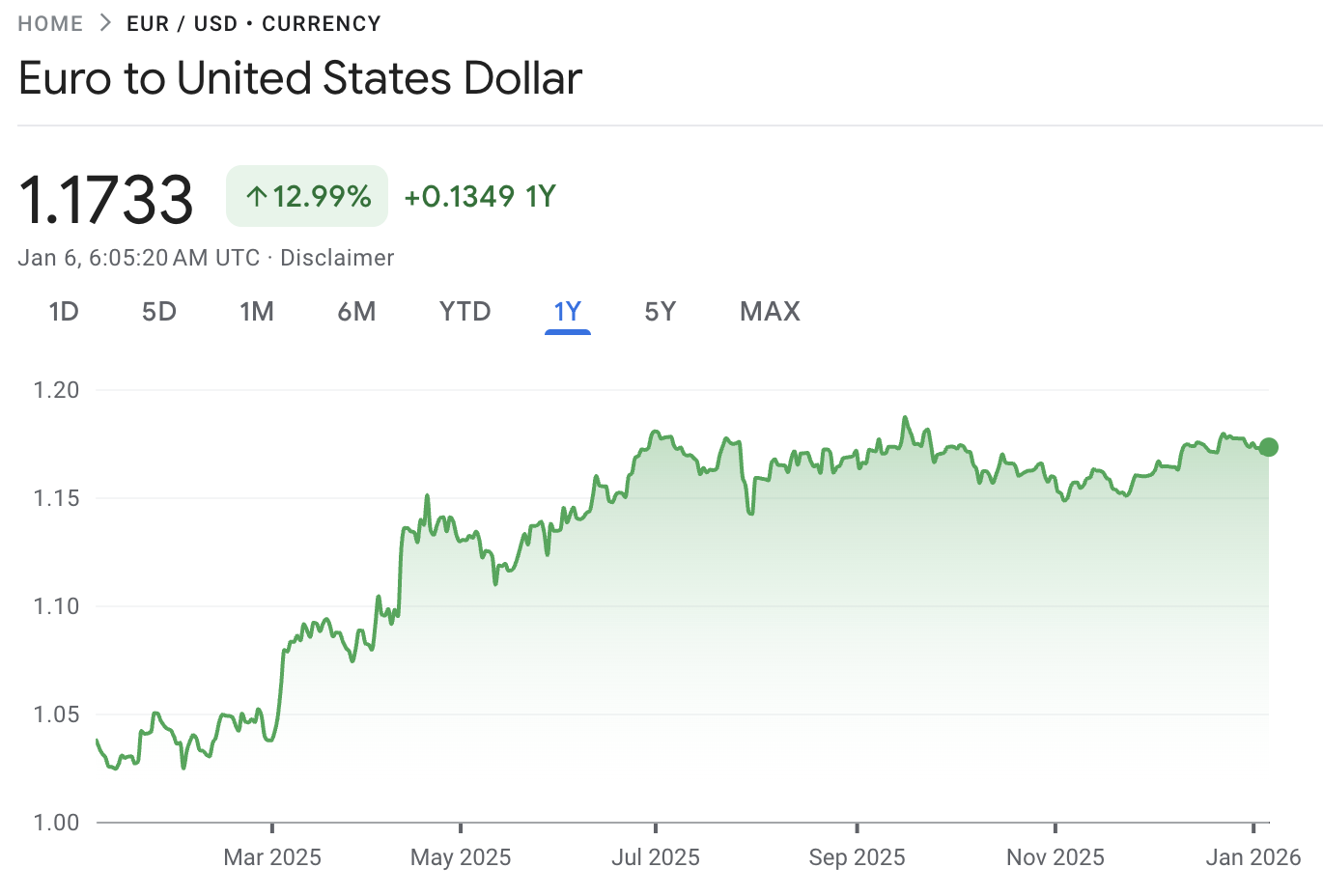
By contrast, the European Central Bank faces weaker growth, subdued credit demand, and fiscal fragmentation, with euro-area rate cuts expected to outpace those in the US during the first half of 2026.
This divergence creates a renewed yield advantage for the dollar, particularly at the front end of the curve, which historically exerts consistent downward pressure on EUR/USD.
Technically, EUR/USD began January near the lower end of its multi-year range after an extended period of declining price swings. This volatility compression has formed a tight consolidation structure, increasing the likelihood of a sustained directional move.
Early January liquidity often supports genuine breakouts rather than short-lived false moves when macro conditions align.
Clear monetary policy asymmetry
Deep liquidity suitable for size
Clean technical structures after prolonged consolidation
Strong alignment between macro narrative and price behavior
EUR/USD remains particularly attractive for swing traders and position traders seeking multi-week directional exposure with controlled risk.
USD/JPY continues to offer some of the most explosive risk-reward profiles in the FX market as Japan’s long-awaited policy normalization gains traction. The Bank of Japan has moved away from ultra-accommodative settings, but normalization remains gradual and cautious.

Despite incremental tightening, Japanese real yields remain deeply negative relative to the US. This keeps USD/JPY highly sensitive to US Treasury yield fluctuations, especially during periods of repricing in rate expectations, a common feature of early-year trading.
Japanese institutional investors often rebalance overseas holdings at the start of the fiscal calendar.
US yield expectations reset following year-end data distortions.
Speculative positioning tends to rebuild after the December deleveraging.
Technically, USD/JPY trades within a wide, volatile channel that supports both trend-following and mean-reversion strategies as yield expectations shift. Elevated intraday ranges make the pair particularly attractive for day traders and short-term swing setups.
Key risk consideration: Japanese authorities remain vigilant regarding excessive yen weakness. Sudden verbal or direct intervention risk must be actively managed through position sizing and disciplined stop placement.
GBP/USD enters 2026 with higher structural volatility than most G10 peers, reflecting the United Kingdom’s unique economic positioning. Growth remains uneven, fiscal pressures persist, and inflation dynamics are more unstable than in the euro area.
The Bank of England faces limited policy flexibility, with elevated wage growth constraining rapid easing and driving episodic repricing around labor and inflation data.
January is historically active for sterling as markets reassess:
UK fiscal projections
Current account sustainability
Real income growth trends
GBP/USD frequently produces false breakouts, favoring traders skilled in volatility management over pure breakout strategies.
Elevated volatility increases opportunity density.
Clear reactions to macro data surprises
Strong technical respect for key levels
This pair is ideal for active traders comfortable navigating rapid sentiment shifts.
AUD/USD is a core risk-sensitive pair, supported in January 2026 by stabilizing global growth expectations and a more supportive policy backdrop from China.
Australia’s economy benefits from:
Improved commodity demand visibility
Stabilizing housing conditions
Strong terms of trade relative to historical averages
The Reserve Bank of Australia’s data-dependent stance allows AUD/USD to respond more directly to external growth signals.
January typically sees global macro funds re-enter risk assets, allowing AUD/USD to trend more cleanly when risk sentiment aligns.
Swing trading is aligned with global equity and commodity momentum.
Confirmation trades alongside China-related data releases
USD/CHF offers a lower-volatility expression of USD strength, as the Swiss franc’s safe-haven appeal is constrained by low inflation and ongoing intervention bias.
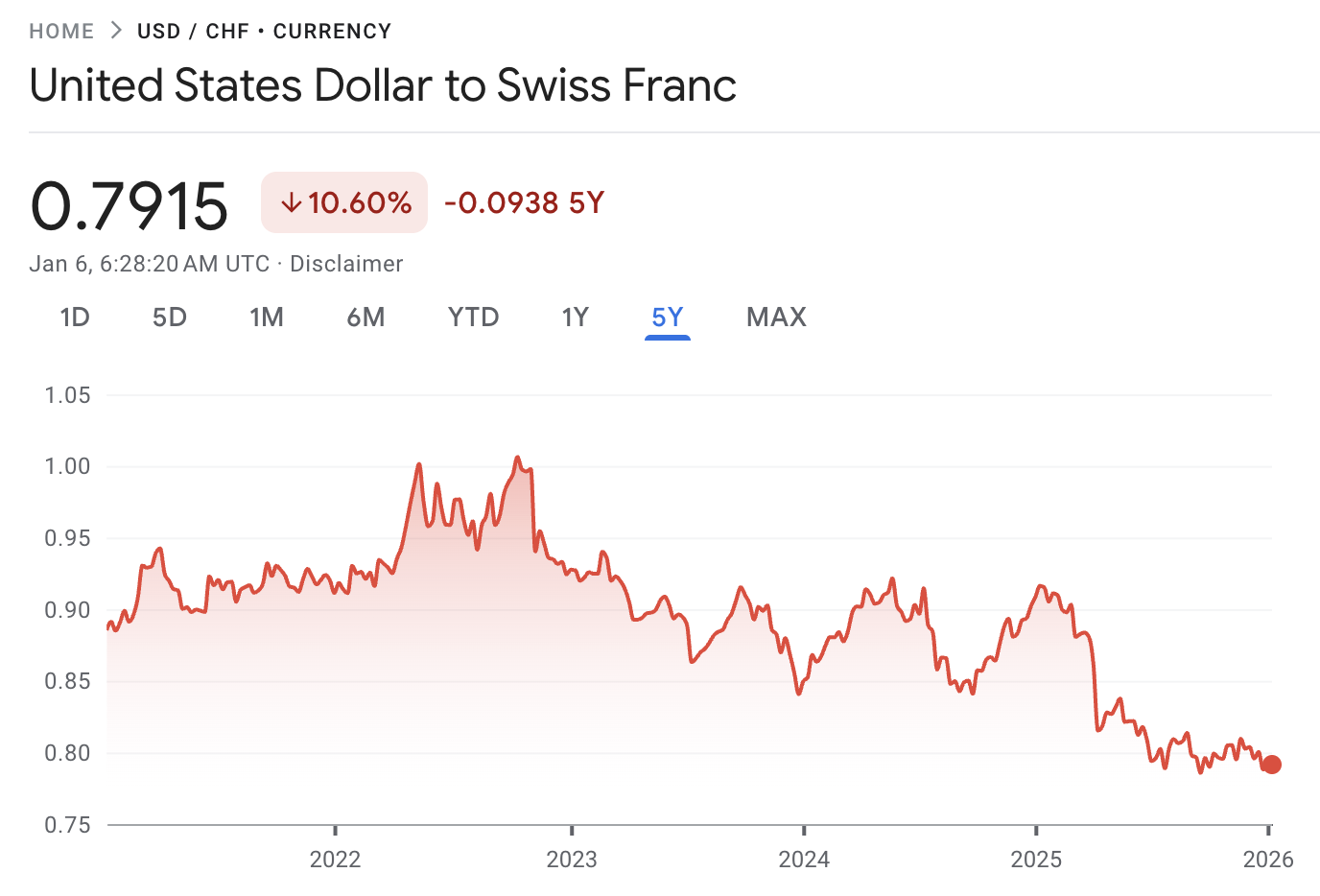
The Swiss National Bank prioritizes currency stability to protect Switzerland’s export competitiveness, reinforcing an upward bias in USD/CHF during periods of moderate global stress.
January trading often sees:
Reallocation into defensive assets
Reduced tolerance for high-beta currencies
Gradual accumulation of USD exposure
USD/CHF trends tend to be slower but cleaner, making the pair well-suited to position traders prioritizing capital preservation; day traders prefer to trade around this pair.
EUR/JPY removes US dollar influence, isolating relative growth and policy dynamics between Europe and Japan, where small structural differences increasingly drive price action.
Europe confronts weak domestic demand and fiscal constraints.
Japan benefits from incremental wage growth and reflationary momentum.
This asymmetry creates the potential for sustained cross-currency trends, particularly when global risk appetite is stable.
EUR/JPY often trends with fewer whipsaws than USD-based pairs, making it attractive for intermediate-term swing trading.
USD/CAD emerges as a high-conviction pair for this month as North American macro dynamics diverge more clearly. While the US economy continues to display relative resilience, Canada faces slower growth momentum driven by softer domestic demand and a cooling housing sector.
 The Bank of Canada has signaled greater openness to policy easing compared with the US, reflecting weaker consumption trends and easing inflation pressures. This creates a widening short-term rate differential that structurally favors the US dollar, particularly during periods of data-driven repricing.
USD/CAD also remains highly sensitive to crude oil performance. With energy markets expected to remain volatile due to supply discipline and geopolitical risk, oil-linked fluctuations introduce tradable momentum into the pair. January often amplifies this dynamic as institutional investors recalibrate commodity-linked exposures.
From a technical perspective, USD/CAD tends to respect medium-term trend channels and key support-resistance zones, making it well-suited to swing traders seeking macro-aligned continuation setups rather than short-term noise.
Clear divergence between US and Canadian growth trajectories
Strong sensitivity to oil and commodity flows
Clean technical behavior during early-year positioning phases
NZD/USD presents a tactical, higher-beta opportunity this month for traders positioned for risk-sensitive moves. New Zealand is emerging from restrictive financial conditions, while easing inflation gives policymakers greater flexibility to refocus on growth.
The New Zealand dollar reacts quickly to changes in global risk sentiment, commodity demand, and Asia-Pacific growth expectations. January often draws renewed speculative interest as global macro funds rebuild exposure following year-end balance sheet constraints.
Compared with the Australian dollar, NZD/USD typically accelerates more sharply once direction is established, favoring traders targeting short-to-intermediate momentum moves rather than extended positioning.
Risk-on environments with improving global growth sentiment
Momentum-based swing trades following volatility expansion
Different trading styles suit different market conditions. The table below highlights the forex pairs best matched to each approach in January 2026.
| Trading Style | Recommended Pairs |
|---|---|
| Day Trading | USD/JPY, GBP/USD |
| Swing Trading | EUR/USD, AUD/USD, EUR/JPY, USD/CAD |
| Position Trading | EUR/USD, USD/CHF |
| Risk-On Strategies | AUD/USD, NZD/USD, GBP/USD |
| Defensive Strategies | USD/CHF, EUR/USD |
Monetary policy divergence, not absolute rate levels, drives trends.
Volatility concentration favors selective pair choice.
Early-year positioning flows amplify directional moves.
Risk sentiment cycles remain shorter and sharper than pre-2020 norms.
Understanding these forces is essential for effective execution.
January often produces clearer trends due to institutional reallocation, fresh macro positioning, and renewed liquidity after year-end deleveraging. Market participants reassess economic assumptions, leading to more decisive price action.
Major pairs are generally preferable due to superior liquidity, tighter spreads, and clearer reactions to macro drivers. In a policy-divergence environment, they offer more consistent risk-adjusted opportunities than minors or exotics, which remain prone to idiosyncratic shocks.
EUR/USD remains the most beginner-friendly due to deep liquidity, predictable reactions to macro data, and relatively stable volatility. Its transparency allows newer traders to focus on execution and risk management.
Volatility is expected to be selectively elevated in January 2026, concentrating in currency pairs most sensitive to yield differentials and policy repricing, such as USD/JPY and GBP/USD. Broader volatility spikes are unlikely in the absence of a systemic shock.
January trends often set the tone but rarely persist unchanged. However, they frequently establish directional bias that influences trading opportunities throughout Q1 and beyond.
Position sizing discipline is critical. Volatility clustering means losses can accumulate quickly if risk is mismanaged. Using wider stops with a smaller size often proves more effective than tight stops in January conditions.
Yes. January central bank meetings often reset market expectations after year-end data distortions, making related currency pairs particularly sensitive to updated guidance. These dynamics are likely to shape FX positioning well into the first quarter, not just January.
January 2026 is shaping up as a market defined by precision rather than broad speculation. The strongest forex opportunities lie in pairs where macro clarity, policy divergence, and technical structure align, allowing traders to capture asymmetric returns without unnecessary noise.
EUR/USD, USD/JPY, and GBP/USD remain the clearest expressions of core macro themes, while AUD/USD and selected crosses offer more targeted exposure to shifts in risk sentiment and relative growth dynamics.
Traders who approach the month with discipline, selectivity, and an awareness of evolving volatility regimes are best positioned to capitalize on early-year conditions. In the current FX landscape, success is less about trading everything and more about trading what truly matters.
Disclaimer: This material is for general information purposes only and is not intended as (and should not be considered to be) financial, investment, or other advice on which reliance should be placed. No opinion given in the material constitutes a recommendation by EBC or the author that any particular investment, security, transaction, or investment strategy is suitable for any specific person.