Published on: 2026-01-09
Updated on: 2026-01-09
A stock is a small unit of ownership in a company. When you buy a stock, you are buying a share of that business and its future results. If the company grows and earns more money, the stock price often rises. If the company struggles, the stock price can fall.
Stocks matter to traders because they are one of the most direct ways to take part in company growth, market optimism, and market fear, all reflected in daily price moves.
In trading terms, a stock represents equity ownership in a publicly listed company. Public means the company allows its shares to be bought and sold on a stock exchange. Each stock usually gives the holder a claim on part of the company’s profits and assets, although the exact rights depend on the type of stock.
Traders see stocks quoted with a ticker symbol, such as AAPL or MSFT, along with a live price that changes during market hours. Stocks are watched closely by short-term traders, long-term investors, fund managers, and analysts. Prices are influenced by company earnings reports, economic data, interest rates, and overall market mood.

Stocks are attractive because they offer clear price trends, high liquidity in major names, and many trading opportunities across different sectors.
Stock prices change constantly because markets are forward-looking. They react to new information and expectations.
Company earnings and guidance. When a company reports higher profits or a strong future outlook, its stock often rises. Weak results usually push prices down.
Economic data. Reports on inflation, jobs, or economic growth can lift or hurt stocks, especially those sensitive to economic conditions.
Interest rates. When rates rise, borrowing costs increase, and future profits are discounted more heavily, which can pressure stock prices.
Market sentiment. Fear can trigger selling, while optimism can drive buying, even without major news.
In simple terms, when news improves expected future cash flows, stock prices tend to rise. When uncertainty or risk increases, prices often fall.
Stocks shape every part of a trade, from entry to exit. Highly liquid stocks usually have tighter bid and ask prices, making it easier to enter and exit near the expected level. Less liquid stocks can move sharply, increasing risk.
For timing, stocks often react strongly at set moments, such as earnings releases or market open and close. Trading costs are also affected. Wider price gaps and rapid price movements can increase slippage, especially during volatile periods.
Good situation: strong volume, clear trend, stable spreads, and predictable reactions to news.
Bad situation: thin trading, sudden gaps, unclear direction, or heavy speculation.
Understanding these conditions helps traders manage risk and avoid poor entries.
Suppose Apple Inc. stock is trading at $50 per share. You buy 10 shares, so the total amount you put into the trade is $500.
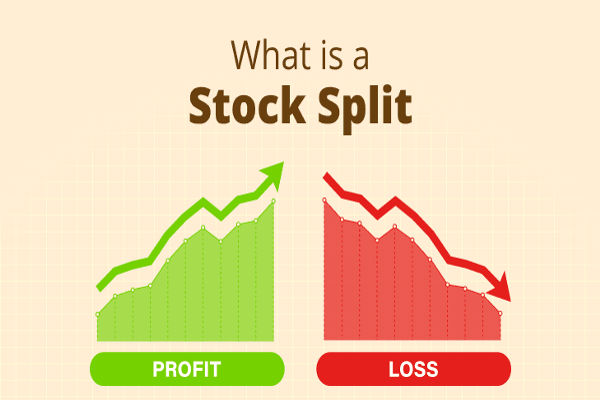
A week later, Apple reports strong earnings. More buyers enter the market, and the stock price rises to $55. Your 10 shares are now worth $550, which means you have made a $50 profit.
Now look at the opposite outcome. If Apple reports weaker sales and the stock falls to $45, your 10 shares are worth $450. That is a $50 loss.
Nothing changed about how many shares you owned. Only the price changed. This simple example shows why stock traders pay close attention to company news, timing, and risk control before placing a trade.
Many beginners buy a stock just because the price is moving up or someone recommended it. Without knowing what the company does or how it makes money, it is harder to judge risk and react calmly when the price moves.
Buying after a stock has already jumped sharply often means entering too late. Prices can pull back quickly once early buyers take profits, leaving late buyers exposed to losses.
Stocks can move sharply around earnings reports or major announcements. Buying without checking these dates can lead to sudden losses caused by overnight price gaps.
Investing a large portion of capital in a single stock increases risk. Even strong companies can face unexpected problems that cause sharp price drops.
Fear and excitement often lead to poor timing. Panic selling during a drop or holding on too long out of hope can turn small losses into larger ones.
Buying a stock without deciding in advance when to take a profit or cut a loss leaves decisions to emotion. Clear exit rules help control risk and protect capital.
Before placing a trade, traders usually review a few key points:
Price chart. Look for trend direction, recent highs and lows, and sharp gaps.
Volume. Higher volume often means stronger interest and smoother price action.
News and calendar. Check for earnings dates, dividend announcements, or economic releases.
Market conditions. Compare the stock’s move with the broader market.
The words stock and share are often used as if they mean the same thing, but there is a small difference.
Stock is the general term for ownership in one or more companies. A share is a single unit of ownership in a specific company.
For example, you might say you invest in stocks overall, but you own 50 shares of one company. In everyday trading and investing, most people use the terms interchangeably, and the meaning is usually clear from context.
Some widely followed stocks include:
Apple Inc. (AAPL) – Known for consumer electronics and services.
Microsoft Corp. (MSFT) – A major software and cloud services provider.
Tesla Inc. (TSLA) – Focused on electric vehicles and energy solutions.
These stocks are popular because they are highly liquid and closely watched by global markets.
Share: A share is one individual unit of ownership in a company that represents a claim on part of its business and future results.
Equity: Equity is the ownership interest an investor holds in a company, reflecting their share of its assets after liabilities.
Dividend: A dividend is a cash or stock payment a company may distribute to shareholders from its profits, usually on a regular schedule.
Market capitalization: Market capitalization is the total market value of a company, calculated by multiplying its share price by the number of shares outstanding.
Exchange Traded Fund (ETF): An ETF is an investment fund that holds a collection of assets, such as stocks or bonds, and is traded on an exchange like a single stock.
A stock refers to ownership in a company in general, while a share is one specific unit of that ownership. In practice, the terms are often used interchangeably. Traders usually talk about buying or selling shares of a stock.
No, not all stocks pay dividends. Some companies reinvest profits back into growth instead of paying shareholders. Dividend policies can also change over time based on business conditions.
Stock prices also react to broader market factors like interest rates, economic data, and global events. Changes in investor mood can move prices even when nothing new happens inside the company.
Stocks can be used for both long-term investing and short-term trading. Long-term investors focus on business growth, while traders focus on price movement and timing. The same stock can serve different strategies.
Yes, a stock can fall if profits are lower than expected or if the future outlook weakens. Markets care about expectations, not just current results. This is why guidance and forecasts matter so much.
A stock represents ownership in a public company and reflects expectations about its future. Stock prices move with earnings, economic data, and market sentiment. Used carefully, stocks offer many trading opportunities. Ignoring risk, liquidity, or key events can turn simple trades into costly mistakes.
Disclaimer: This material is for general information purposes only and is not intended as (and should not be considered to be) financial, investment, or other advice on which reliance should be placed. No opinion given in the material constitutes a recommendation by EBC or the author that any particular investment, security, transaction, or investment strategy is suitable for any specific person.



World's Best Broker