Published on: 2026-04-06
Updated on: 2026-04-06
The Philippines has declared a national energy emergency. Government offices across Southeast Asia have moved to four-day work weeks, fuel rationing, and COVID-style work-from-home orders.
Indonesia budgeted $22.5 billion for fuel subsidies assuming $70 oil. With crude near $100, the country risks breaching its 3% fiscal deficit ceiling, triggering a broader emerging market repricing.
The Asian Development Bank warns that if energy disruptions last more than a year, developing Asia’s growth could fall by 1.3 percentage points and inflation could rise by 3.2 percentage points.
Demand destruction across ASEAN is beginning to feed back into global oil, currency, and bond markets through central bank reserve drawdowns and Treasury selling.
While Western markets debate rate paths and CPI prints, the world’s fastest-growing economic region is living through something that has not happened in decades: fuel rationing, grounded flights, factory shutdowns, and fiscal frameworks breaking apart in real time.
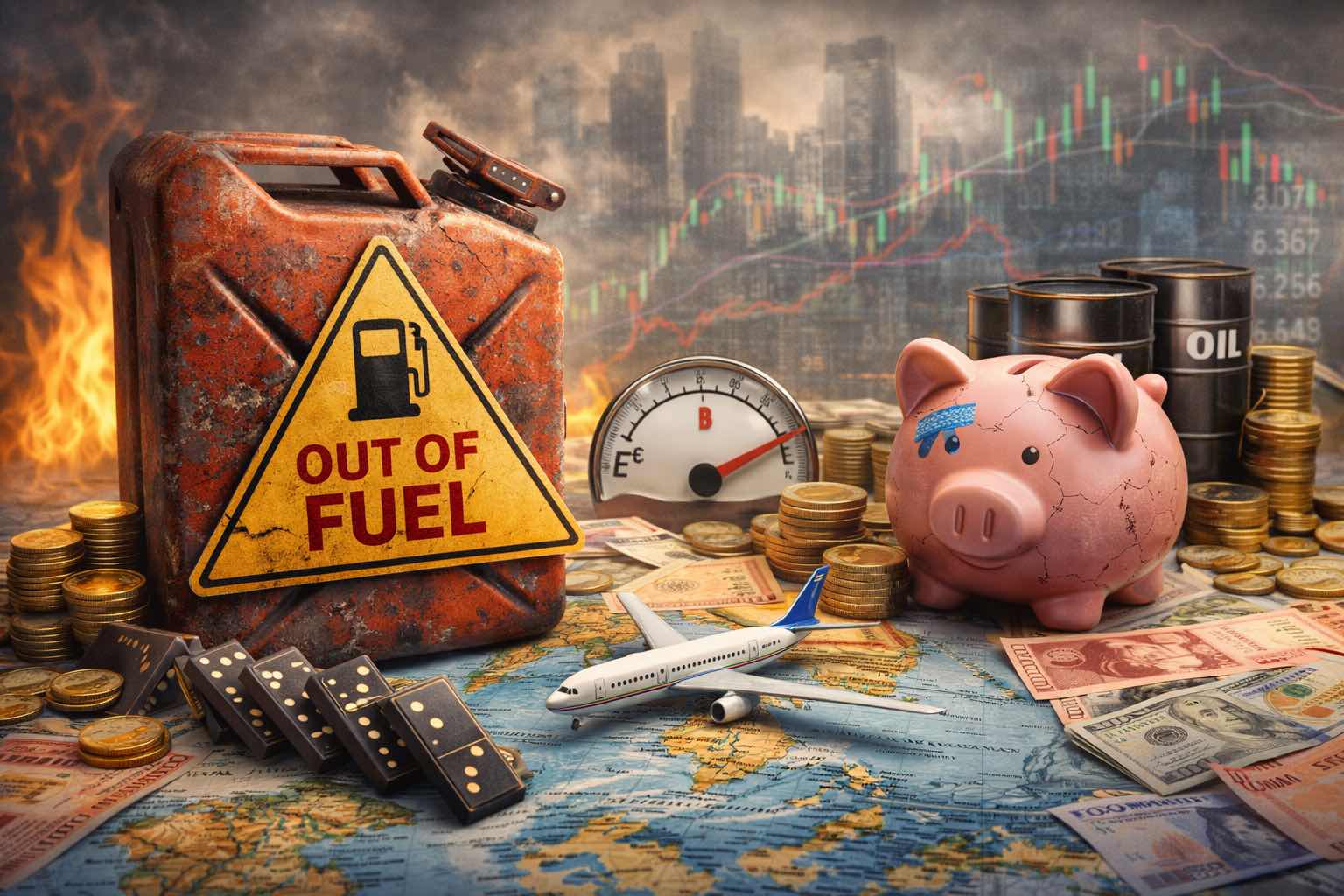
This is not a forecast. It is happening right now across Southeast Asia, and the spillover into global markets is already underway.
The Philippines became the first country to declare a national energy emergency. Government offices have shifted to four-day work weeks to cut fuel consumption by 20%. Offices have been told to switch off computers during lunch and keep the air conditioning no lower than 24 degrees Celsius.
Vietnam has urged employers to allow remote work, set some fuel taxes to zero, and its airlines are cutting flights by 10% to 50% from April.
Myanmar has imposed alternating driving days, while Thailand has capped diesel prices and banned fuel exports except to Cambodia and Laos. Pakistan has announced a four-day work week for all government offices.
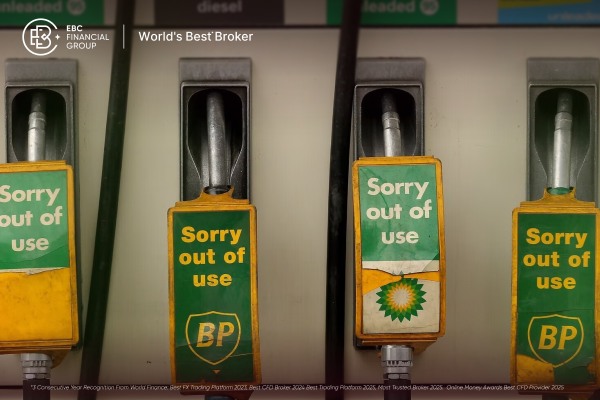
Fuel shortages have been reported across Laos, Cambodia, Myanmar, and Thailand, with gas stations posting “out of stock” signs and restricting sales. In the Philippines, “out of stock” signs have appeared at stations across Metro Manila. Vietnam has reserves estimated at less than 20 days of consumption.
The crisis is compounding as countries hoard supplies. China has ordered state-owned companies to suspend fuel exports, and Thailand has halted jet fuel exports. Countries like Vietnam, Laos, and Cambodia that depend on refined products from their neighbors are losing access to their primary supply sources at the same time.
About 84% of crude oil and 83% of LNG passing through the Strait of Hormuz is bound for Asia. The Philippines imports 90% of its oil from the Middle East. Even oil-producing Indonesia relies on imports for more than one-third of its crude needs.
Vietnam holds 30 to 45 days of fuel reserves, Thailand has about 61 days, and Singapore holds 20 to 50 days. None of these buffers were designed for a prolonged closure of the world’s most important energy chokepoint.
Vietnam has announced plans to procure roughly 4 million barrels from non-Middle Eastern sources, but that would cover only about 6 days of consumption.
The Institute of International Finance has identified Thailand and the Philippines as the most vulnerable economies in the region, noting both have “meaningful exposure to prolonged disruption in Gulf energy flows with limited fiscal space to absorb the shock.”
This is the layer of the story that matters most to global traders. It is not just about pump prices. It is about government budgets collapsing under oil-price assumptions that are 40% off.
Indonesia set aside $22.5 billion for fuel subsidies in 2026, based on crude remaining at around $70 per barrel, but every $1 increase above that baseline adds 10.3 trillion rupiah in subsidy costs.
Government simulations show the fiscal deficit could widen to 3.6% of GDP if crude averages $92 for the year, breaching the legally mandated 3% ceiling.
The government may need an additional $5.9 billion in energy subsidies and has already announced fuel rationing through daily purchase quotas.
Thailand and Vietnam have tapped into rainy-day funds to make subsidy payments. Thailand’s fuel price stabilization fund is already in deficit. Vietnam’s fund is expected to be fully drawn by early April. Expanded fiscal deficits look near-certain across much of ASEAN in 2026.
Oxford Economics has warned that if the blockade persists for six months, the resulting “rationing shock” could trigger a global recession, with GDP growth potentially slowing to 1.4% in 2026.
The Asian Development Bank’s analysis lays out three scenarios based on how long disruptions last. If they end by June 2026, developing Asia loses 0.3 percentage points of growth and gains 0.6 percentage points on inflation.
If they extend beyond a year, the damage escalates to 1.3 percentage points off growth and 3.2 percentage points added to inflation.
ASEAN economies represent over $3.6 trillion in GDP and are deeply embedded in global supply chains for electronics, textiles, automotive parts, and agricultural commodities. The crisis creates three transmission channels into global markets.
First, Asian central banks are selling dollar reserves and Treasuries to defend their currencies against oil-driven depreciation. This feeds directly into the rising U.S. yield story.
Second, demand destruction across Asia’s 700 million consumers reduces global oil demand, which could eventually cap crude prices, but only after enormous economic damage.
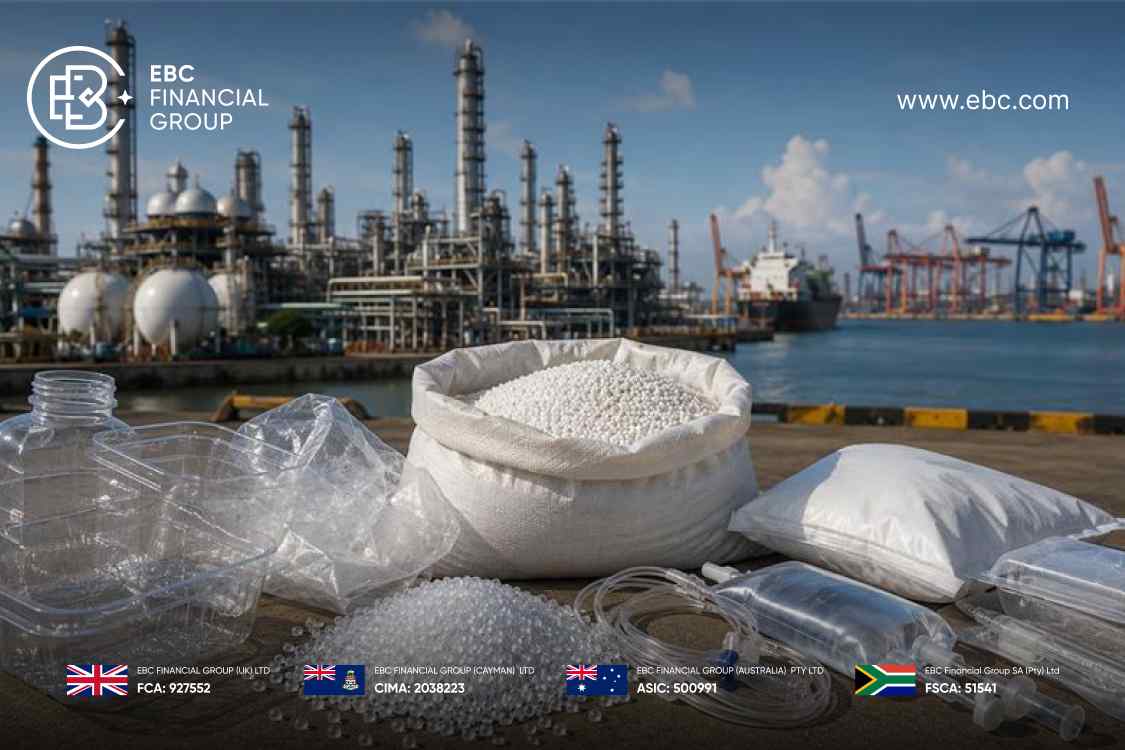
Third, factory shutdowns and force majeure declarations from petrochemical producers are beginning to disrupt supply chains for plastics, semiconductors, and manufactured goods.
Track the Indonesian rupiah, Thai baht, and Philippine peso against the dollar. Widening fiscal deficits and subsidy blowouts will pressure these currencies, and central bank interventions will draw down reserves. If Indonesia breaches its 3% deficit ceiling, expect a repricing of Indonesian sovereign debt and broader emerging market credit spreads.
Watch Asian jet fuel prices, which have already exceeded $200 per barrel, as flight cuts by Vietnamese, Philippine, and Australian carriers signal real demand destruction in aviation and tourism.
Monitor China’s fuel export policy closely, since any further restrictions on refined product exports would accelerate the supply crunch across Southeast Asia.
About 84% of crude oil passing through the Strait of Hormuz is bound for Asia. Many Southeast Asian nations import 60% to 100% of their refined fuel and have limited domestic reserves, making them extremely vulnerable to any disruption.
The Philippines, Myanmar, Indonesia, Thailand, Vietnam, Laos, and Cambodia have all implemented some form of fuel rationing, conservation measures, or purchase restrictions since the Hormuz closure began.
Asian central banks are selling dollar reserves and Treasuries to defend currencies, which pushes U.S. yields higher. Factory shutdowns disrupt global supply chains, and demand destruction across 700 million consumers eventually feeds back into commodity pricing.
Indonesia’s fiscal deficit could widen to 3.6% of GDP, breaching its legally mandated 3% ceiling. The government may need an additional $5.9 billion in energy subsidies and would have to implement broad spending cuts.
Oxford Economics has warned that a six-month Hormuz blockade could slow global GDP growth to 1.4% in 2026. The ADB estimates that developing Asia could lose up to 1.3 percentage points of growth if disruptions last over a year.
The fuel lines in Manila, the grounded flights in Hanoi, and the collapsing subsidy budgets in Jakarta are not isolated stories. They are the front edge of a macro shock that directly connects to U.S. Treasury yields, emerging-market credit spreads, and global inflation expectations.
The question for traders is not whether this matters, but whether they are positioned for it before the data confirms what the gas stations already show.
Disclaimer: This article is for informational purposes only and does not constitute financial advice. Always conduct your own research before making trading decisions.