Published on: 2026-04-06
Every trade you open carries risk. Exposure management is how traders decide exactly how much risk they are willing to carry at any one time and how to keep it from getting out of hand.
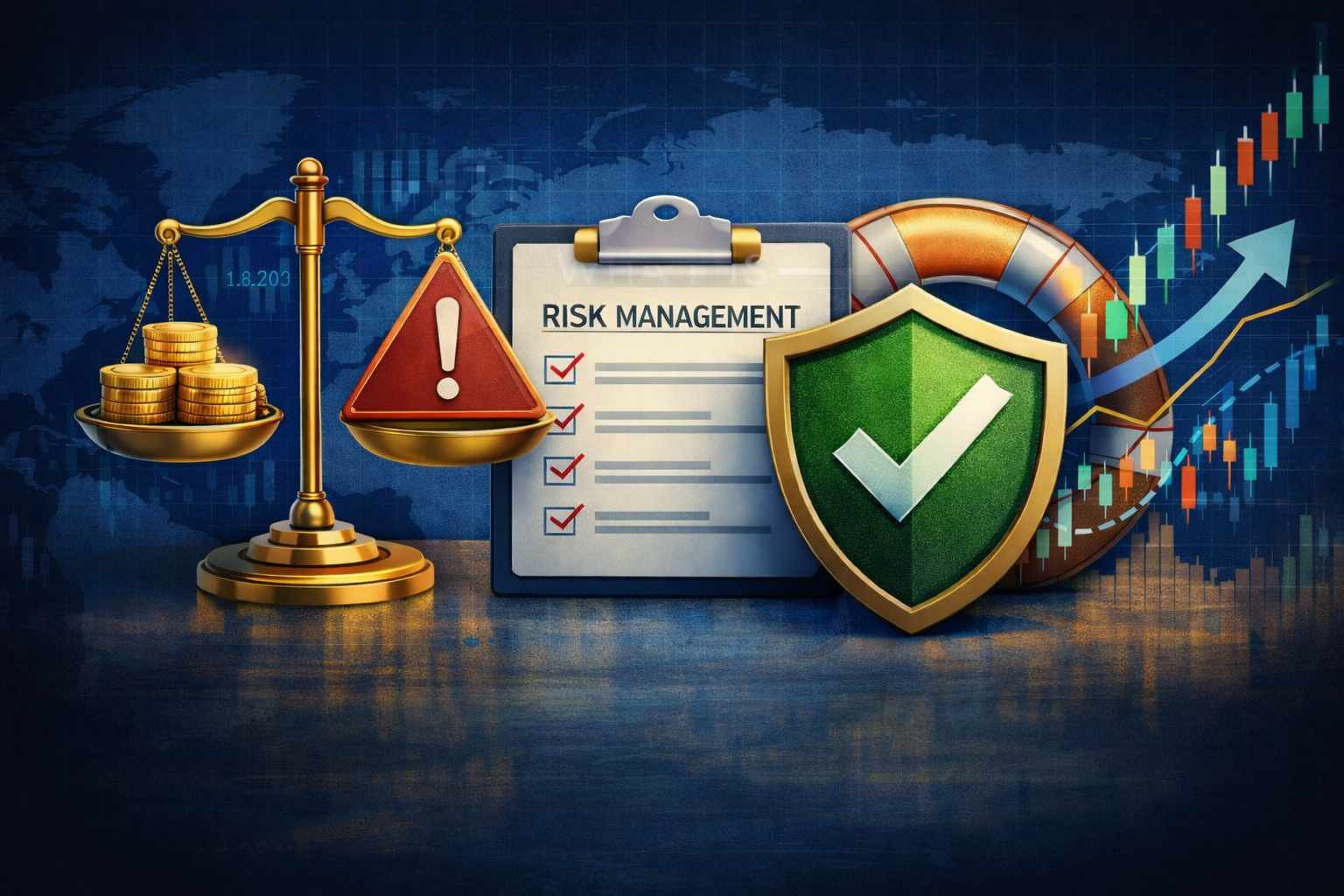
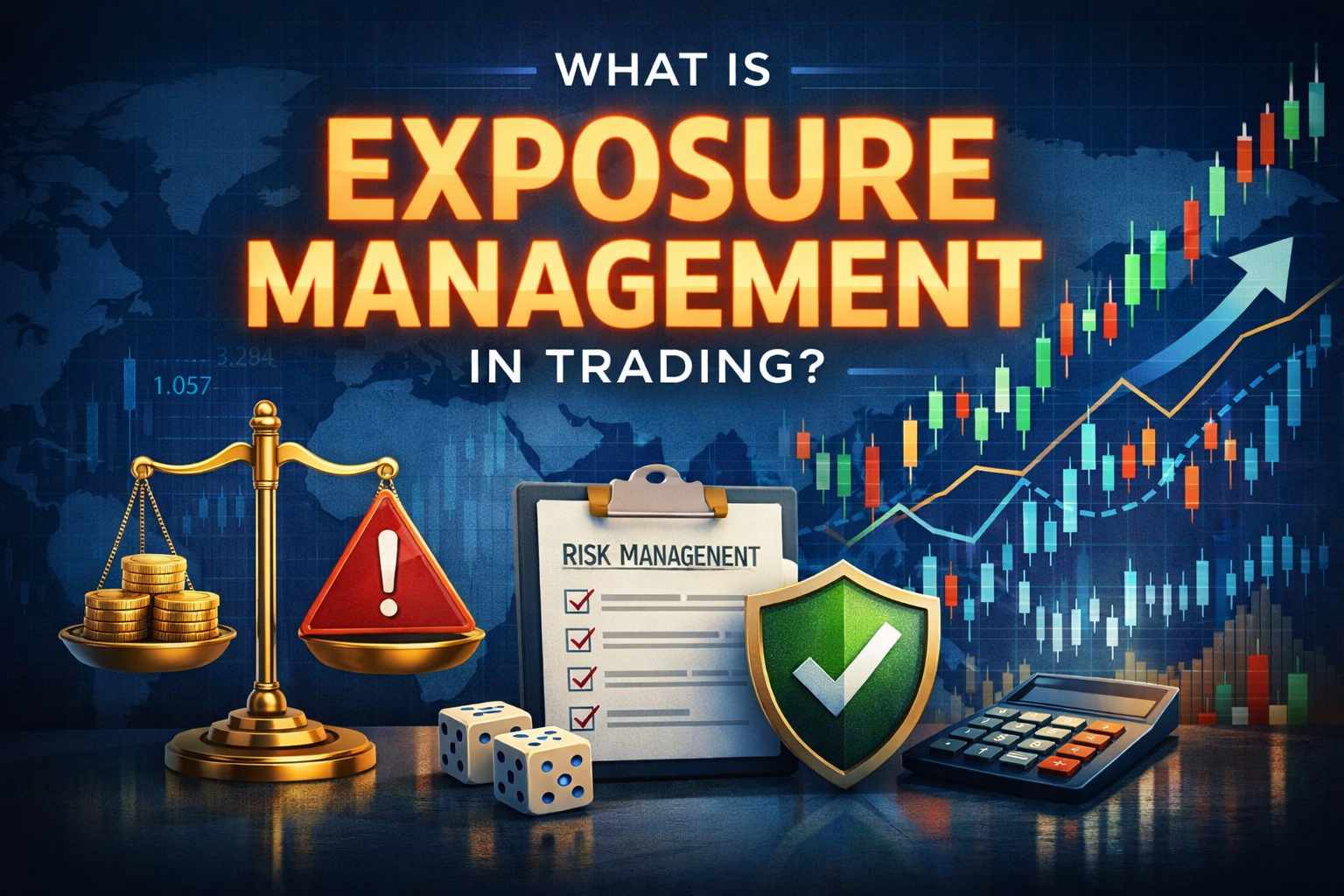
Exposure management is the discipline of controlling the amount of market risk a trader, investor, or business carries at any given time.
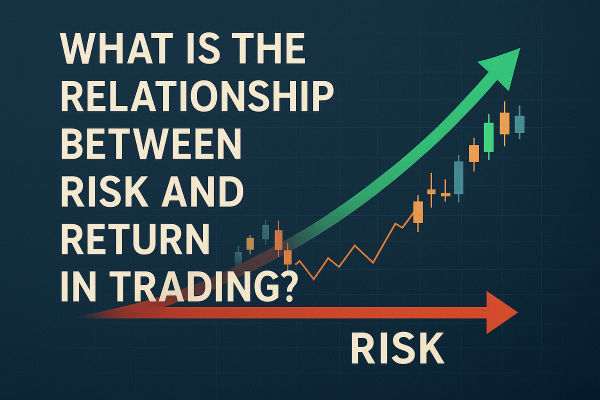
It matters because losses are driven not only by being wrong on direction, but by how much capital is exposed, how much leverage is used, and how concentrated that risk becomes.
Exposure is the total value of a position subject to market movements. Exposure management is the process of identifying, measuring, and controlling that risk so that no single trade, asset, or market event can cause losses beyond what a trader has deliberately accepted.
It is not about avoiding risk. It is about sizing and structuring it with intention.
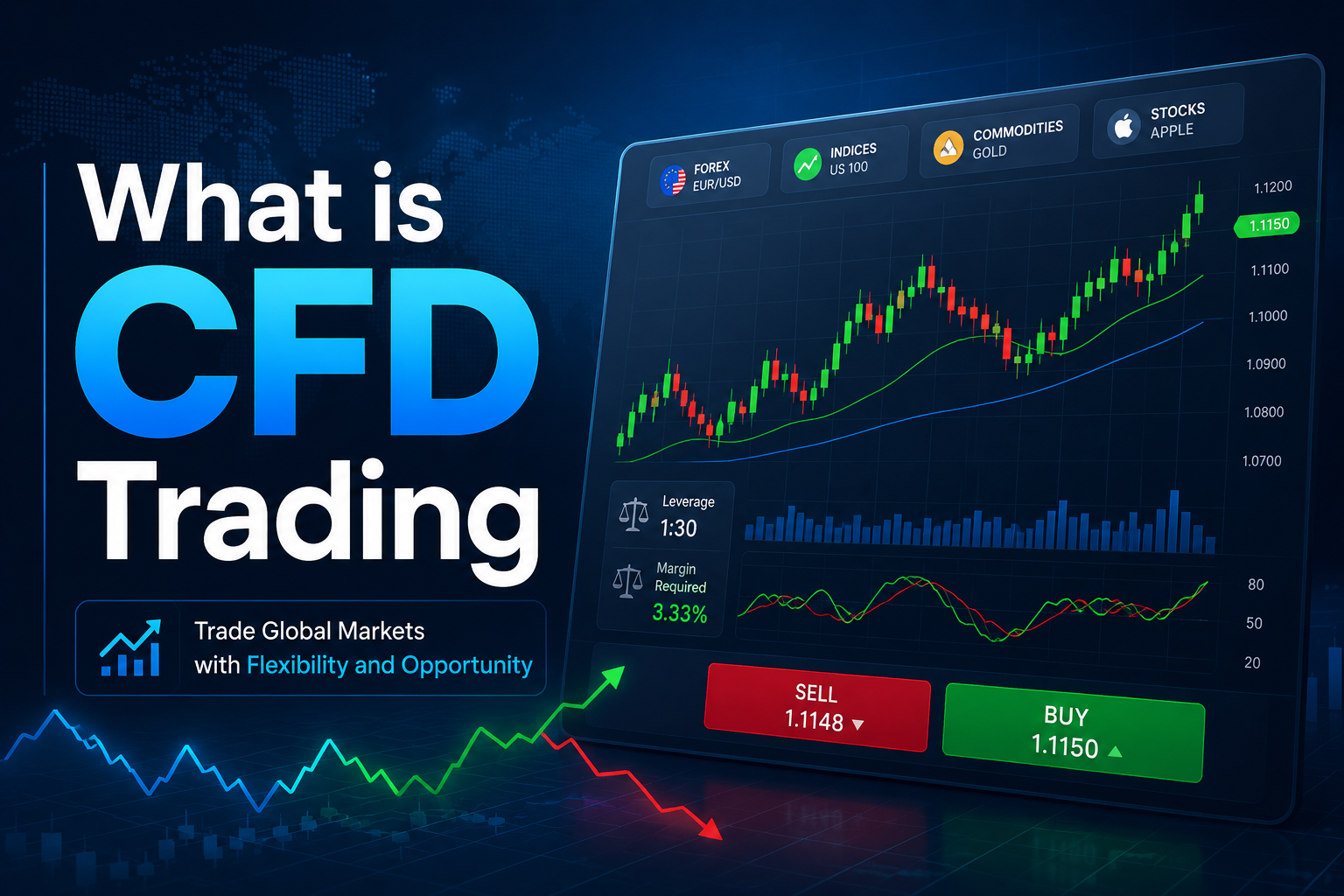
The moment a position is opened, exposure begins. In leveraged markets such as forex and CFDs, that exposure can far exceed the capital deposited. A trader using 50:1 leverage on a $1,000 account controls a $50,000 position. A 1% move against them wipes out half their capital.
Exposure comes in several forms:
| Type | Description |
|---|---|
| Market exposure | How much capital is affected by price movement in one instrument |
| Leverage exposure | How far a position exceeds actual capital due to borrowed funds |
| Concentration exposure | Risk built up across correlated assets or sectors |
| Time exposure | Risk accumulated from holding positions overnight or through weekends |
Understanding which type of exposure applies to a trade helps traders set appropriate limits before entering, not after.
Position sizing is the starting point. Before opening any trade, a trader defines the maximum loss they can accept, typically 1% to 2% of total account capital, and sizes the position so that if the stop is hit, the loss stays within that limit.
Stop-loss orders convert open-ended risk into a defined one. By setting a predetermined exit point, the trader automatically caps downside risk, eliminating the need for manual intervention in fast-moving markets.
Hedging reduces net exposure by opening an offsetting position. A trader who is long on one currency pair might short a correlated pair to limit directional risk without fully closing the original position.
Diversification spreads exposure across assets that do not move in lockstep. When one position moves against a trader, gains in other positions provide a buffer rather than compounding the loss.
The discipline is in applying these tools before a trade is open, not in reacting to losses after the fact.
In August 2024, the global unwind of the yen-funded carry trade showed how quickly leveraged exposure can become unstable when funding conditions change.
The BIS said the episode was amplified by the unwinding of leveraged equity and currency trades, and estimated FX carry positions at roughly ¥40 trillion ($250 billion) going into the event.
Analysts estimated that about $200 billion of the trade had already been unwound within weeks after the Bank of Japan’s rate move sent the yen surging.
In leveraged markets, exposure management is not a best practice. It is a requirement. Without it, a single volatile session can exhaust an entire margin balance before a trader has time to respond manually.
Brokers do provide backstops through margin calls and stop-out mechanisms, but by the time those activate, the damage is often already done. A trader who has already defined their exposure limits does not need to rely on those mechanisms.
The distinction between traders who survive drawdowns and those who do not often comes down to this: one group sets their exposure limits before entering the trade. The other group hoped the trade would work out.
Many exposure problems do not come from analysis errors, but from poor risk control. Common mistakes include:
opening oversized positions relative to account capital
using excessive leverage in volatile markets
holding several correlated trades at the same time
ignoring event risk before major data releases
relying on conviction instead of predefined limits
These mistakes can quickly increase total exposure, often without the trader fully realising it. Strong exposure management reduces this risk by making limits clear before the trade is opened.
Hedging: A risk management strategy that uses an offsetting position to reduce exposure in an existing trade or portfolio.
Leverage: The use of borrowed capital to control a position larger than the trader’s own account balance, which amplifies both gains and losses.
Margin: The minimum capital required to open and maintain a leveraged position, acting as a deposit against potential losses.
Margin Call: A broker notification triggered when account equity falls below the required maintenance level, prompting the trader to deposit more funds or close positions.
Stop-Loss: A predefined exit instruction that automatically closes a trade at a set level to prevent losses from escalating further.
Risk management is the broader process of protecting capital. Exposure management is one part of it, focused on controlling how much capital is at risk across open positions.
Traders usually calculate exposure by multiplying position size by the current asset price. In leveraged trading, total exposure can exceed the account balance.
No. Too little exposure can limit returns and weaken a strategy. The goal is balanced exposure that matches the opportunity, market conditions, and available capital.
Exposure management is the discipline of knowing exactly how much risk you are carrying at any moment and keeping it within boundaries you have chosen in advance.
In leveraged markets, where positions can move quickly and margin can erode fast, it is the difference between a recoverable loss and a devastating one.
Traders who master it use position sizing, stop-losses, hedging, and diversification not as occasional tools, but as standard practice on every trade.
Disclaimer: This material is for general information purposes only and is not intended as (and should not be considered to be) financial, investment or other advice on which reliance should be placed. No opinion given in the material constitutes a recommendation by EBC Financial Group or the author that any particular investment, security, transaction or investment strategy is suitable for any specific person.