Published on: 2026-04-06
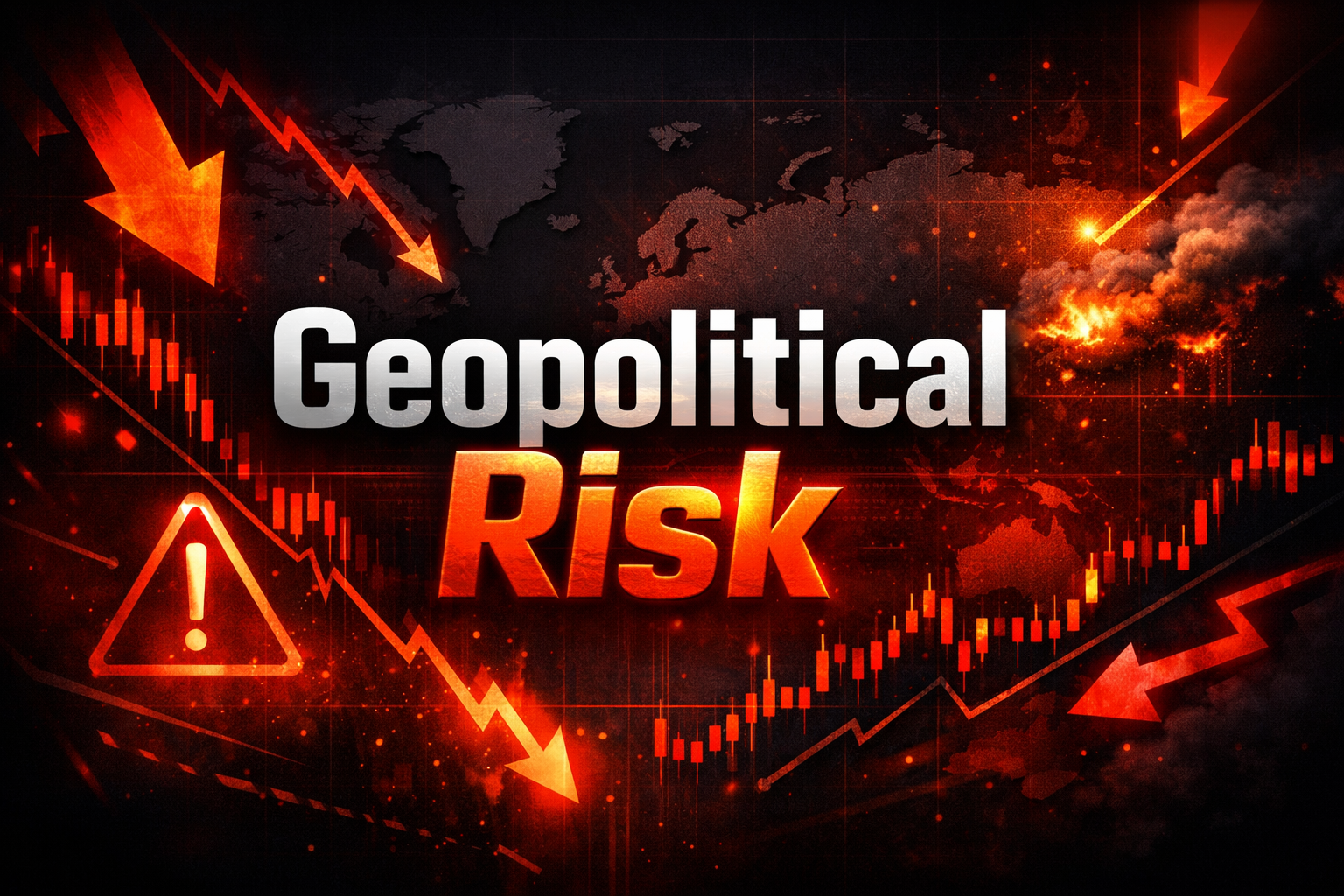
Geopolitical risk refers to the potential impact of political events, conflicts, or international tensions on financial markets and economic stability. For traders, geopolitical risk is a key external factor that can trigger volatility, shift market sentiment, and influence asset prices across global markets.
Geopolitical risk is the risk that political actions or global events will disrupt economic activity or financial markets. These events can occur at a regional or global level and often affect multiple asset classes simultaneously.
Common sources of geopolitical risk include:
Wars and military conflicts
Trade disputes and tariffs
Political instability or regime changes
Economic sanctions
Elections and policy shifts
Geopolitical risk is largely event-driven and unpredictable, meaning it is triggered by specific developments such as conflicts, policy changes, or diplomatic tensions. Markets tend to react quickly to breaking news, often within minutes or hours. As a result, price movements can be sharp and short-term, reflecting sudden shifts in sentiment rather than long-term fundamentals.
Periods of heightened geopolitical tension typically lead to increased market volatility. Uncertainty can cause investors to pull back from riskier assets, leading to declines in stock and emerging-market prices. At the same time, rapid changes in sentiment can create erratic price swings, making market conditions more challenging for traders.
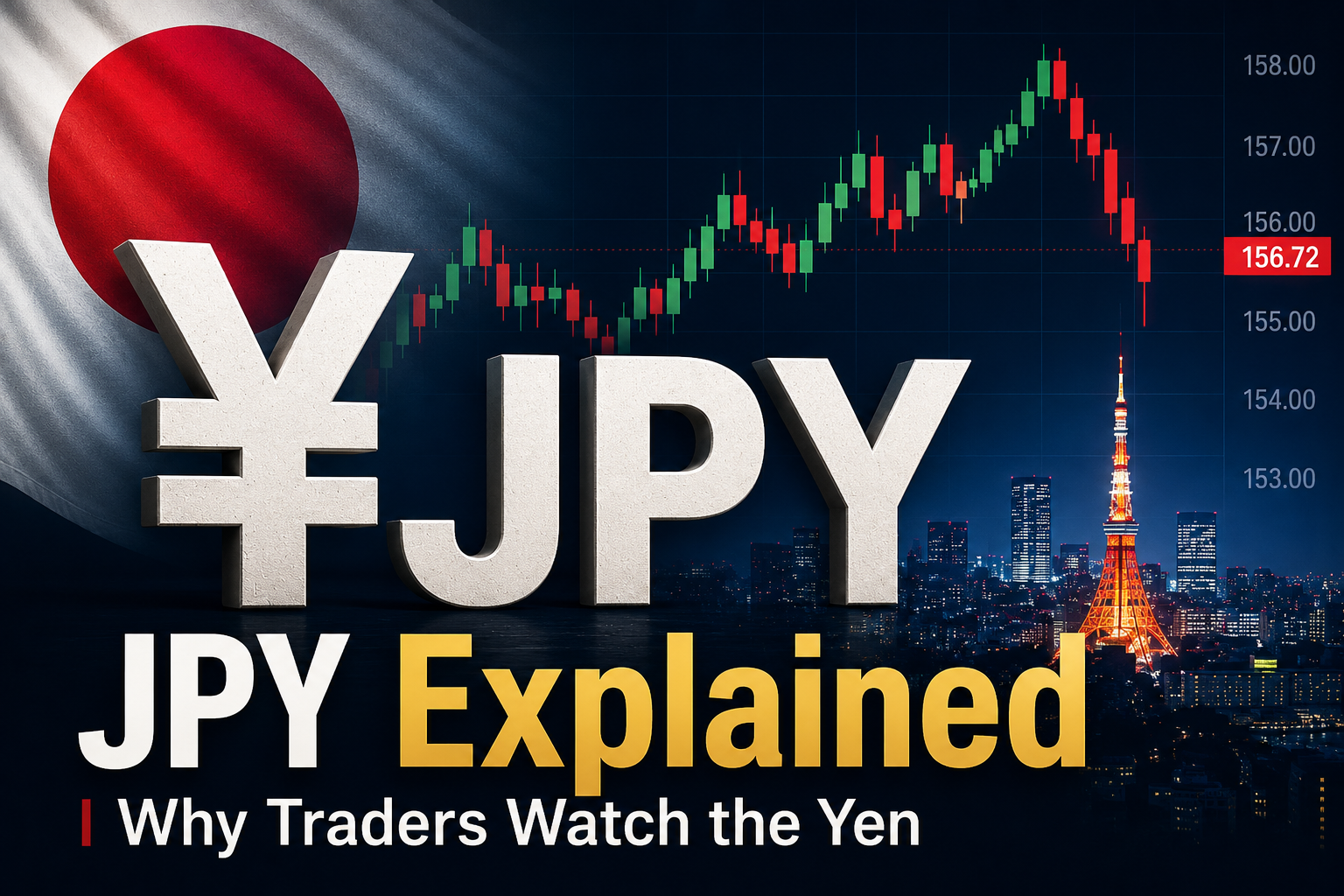
During times of geopolitical uncertainty, traders often shift capital into safer assets, a phenomenon known as a safe-haven flow. Assets such as gold, government bonds, and stable currencies like the US dollar (USD), Swiss franc (CHF), and Japanese yen (JPY) tend to see increased demand. This movement reflects a preference for preserving capital rather than seeking higher returns.
Geopolitical risk is not limited to a single country, as its effects can spread across the global economy. Events in one region may disrupt supply chains, influence commodity prices, and affect international trade. For instance, oil prices are particularly sensitive to geopolitical tensions, and global markets often react simultaneously due to their interconnected nature.
Geopolitical risk plays a major role in shaping market behaviour:
Currency Markets (Forex): Political instability can weaken a country’s currency, while safe-haven currencies may strengthen.
Equity Markets: Stocks may fall amid uncertainty, driven by reduced investor confidence and economic disruption.
Commodities: Oil and gold prices are particularly sensitive to geopolitical tensions, especially in key production regions.
Market Sentiment: Geopolitical events often trigger “risk-on” or “risk-off” environments, influencing trading strategies.
Geopolitical events can have global market implications. In today’s interconnected world, conflicts or tensions in one region can disrupt trade, supply chains, and investor confidence worldwide. Traders should monitor global developments, not just events in specific countries.
Market reactions can vary depending on the situation. While uncertainty may trigger sell-offs, some assets, such as commodities or safe-haven instruments, may rise. Different asset classes respond differently, so traders should consider where capital is likely to flow.
Geopolitical events are often sudden and hard to forecast. Unexpected developments, such as conflicts or policy shifts, can occur without warning. Traders should focus on risk management and diversification rather than trying to predict exact outcomes.
Risk-Off Strategy
During rising tensions, traders may reduce exposure to equities and move into safe-haven assets.
Event-Driven Trading
Short-term traders may react to news headlines, taking advantage of volatility spikes.
Hedging
Investors may use gold, options, or diversification to protect portfolios against geopolitical shocks.
Commodity Positioning
Traders monitor geopolitical developments in oil-producing regions to anticipate supply disruptions and price movements.
Market Volatility:The degree of price fluctuations in financial markets.
Safe-Haven Assets: Investments that tend to retain value during uncertainty.
Risk-On / Risk-Off: Market sentiment indicating appetite for risk.
Inflation: Rising prices, sometimes influenced by geopolitical disruptions.
Commodity Markets: Markets for raw materials like oil, gold, and metals.
Geopolitical risk arises from events such as wars, elections, trade disputes, sanctions, and diplomatic tensions. These developments create uncertainty in global markets, disrupt economic activity, and can trigger sudden price movements across currencies, commodities, equities, and other financial assets.
During periods of geopolitical uncertainty, investors often shift toward safe-haven assets such as gold, government bonds, and stable currencies like the US dollar or Swiss franc, which tend to preserve value and attract demand during market stress.
Geopolitical risk cannot be predicted with precision. While traders can monitor rising tensions and political developments, many events occur suddenly, making it difficult to fully anticipate their timing, scale, or market impact.
Traders manage geopolitical risk by diversifying their portfolios, using hedging strategies such as options or safe-haven assets, and reducing exposure to high-risk positions during periods of heightened uncertainty or major geopolitical developments.
Geopolitical risk can be both short-term and long-term. Some events cause immediate market volatility, while others, such as prolonged conflicts or policy shifts, can have lasting economic consequences and influence global market trends.
Geopolitical risk refers to the potential impact of political events and global tensions on financial markets. It is a key driver of volatility, influencing currencies, equities, commodities, and overall market sentiment. While unpredictable, understanding geopolitical risk helps traders prepare for uncertainty, manage risk, and respond to changing market conditions with greater discipline.
Disclaimer: This material is for general information purposes only and is not intended as (and should not be considered to be) financial, investment or other advice on which reliance should be placed. No opinion given in the material constitutes a recommendation by EBC or the author that any particular investment, security, transaction or investment strategy is suitable for any specific person.



World's Best Broker