Published on: 2026-04-06
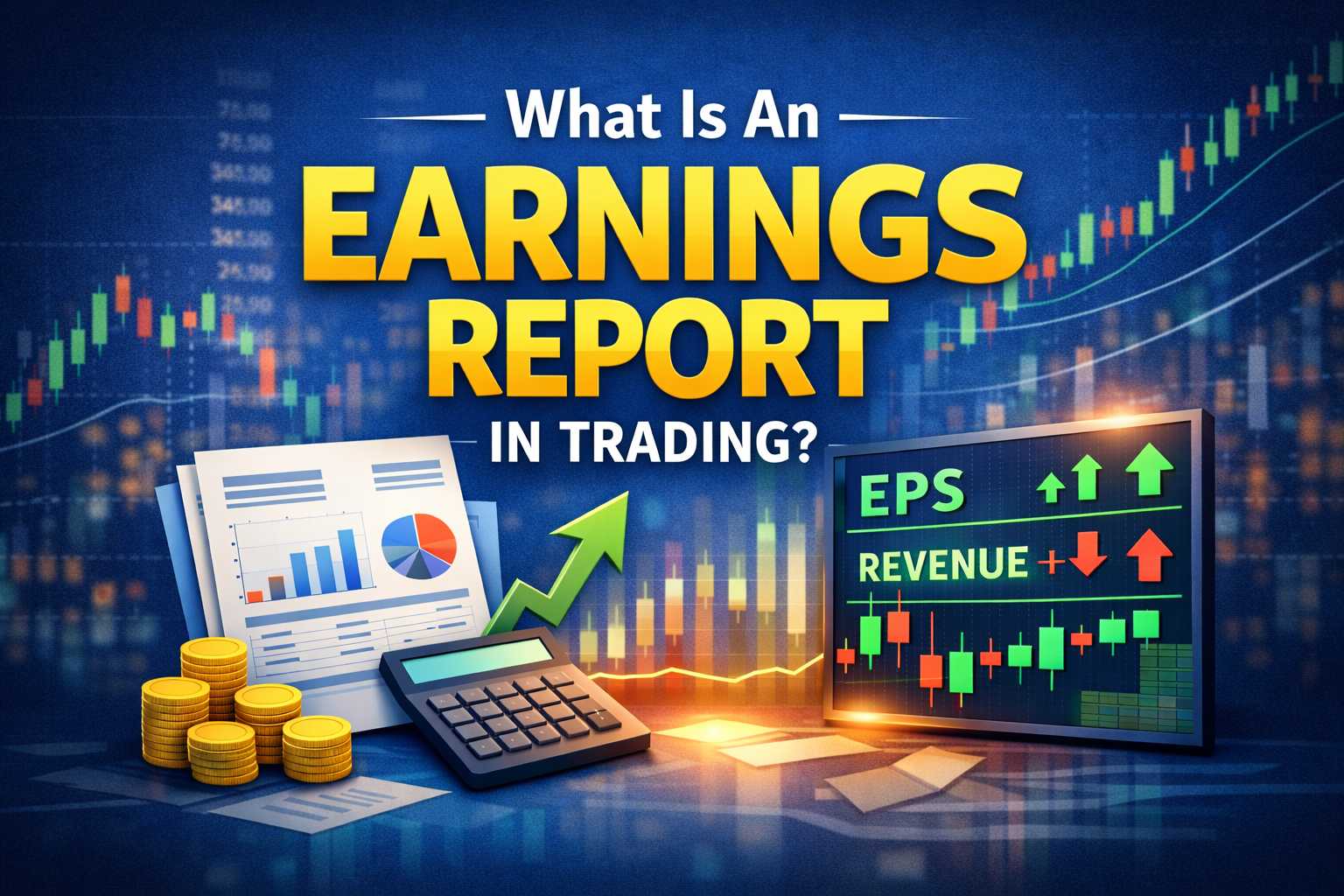
During earnings season, these reports often trigger sharp repricing as investors react to revenue, profit, earnings per share, and management outlook.
For traders, the report matters not only because of the numbers already delivered, but because it can reshape expectations for future growth.
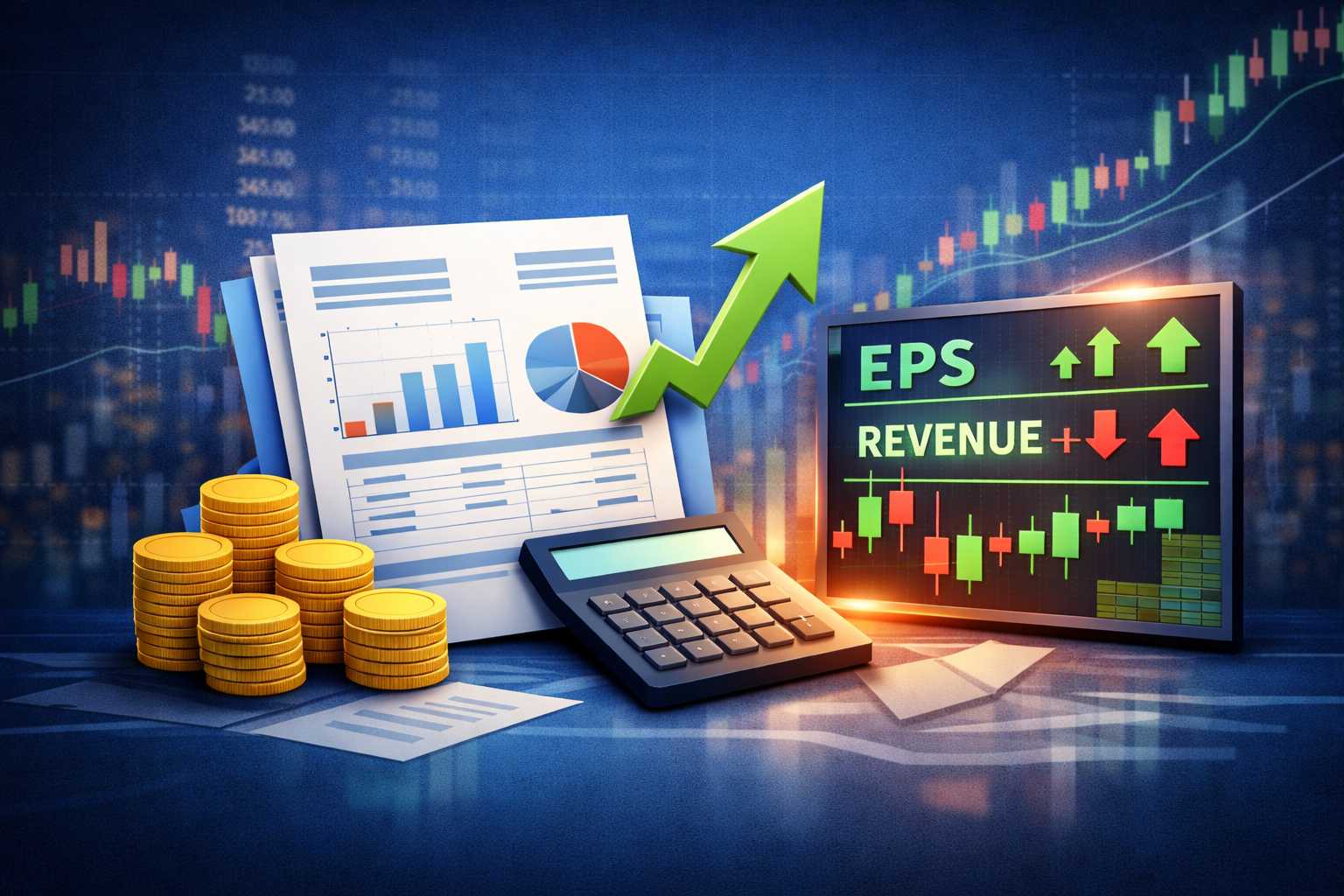
A company can post a profit and still fall if guidance disappoints, while a stock can rally on modest results if the market sees improving momentum ahead.
An earnings report is a financial update released by a publicly listed company, usually every quarter, that summarises business performance over the reporting period.
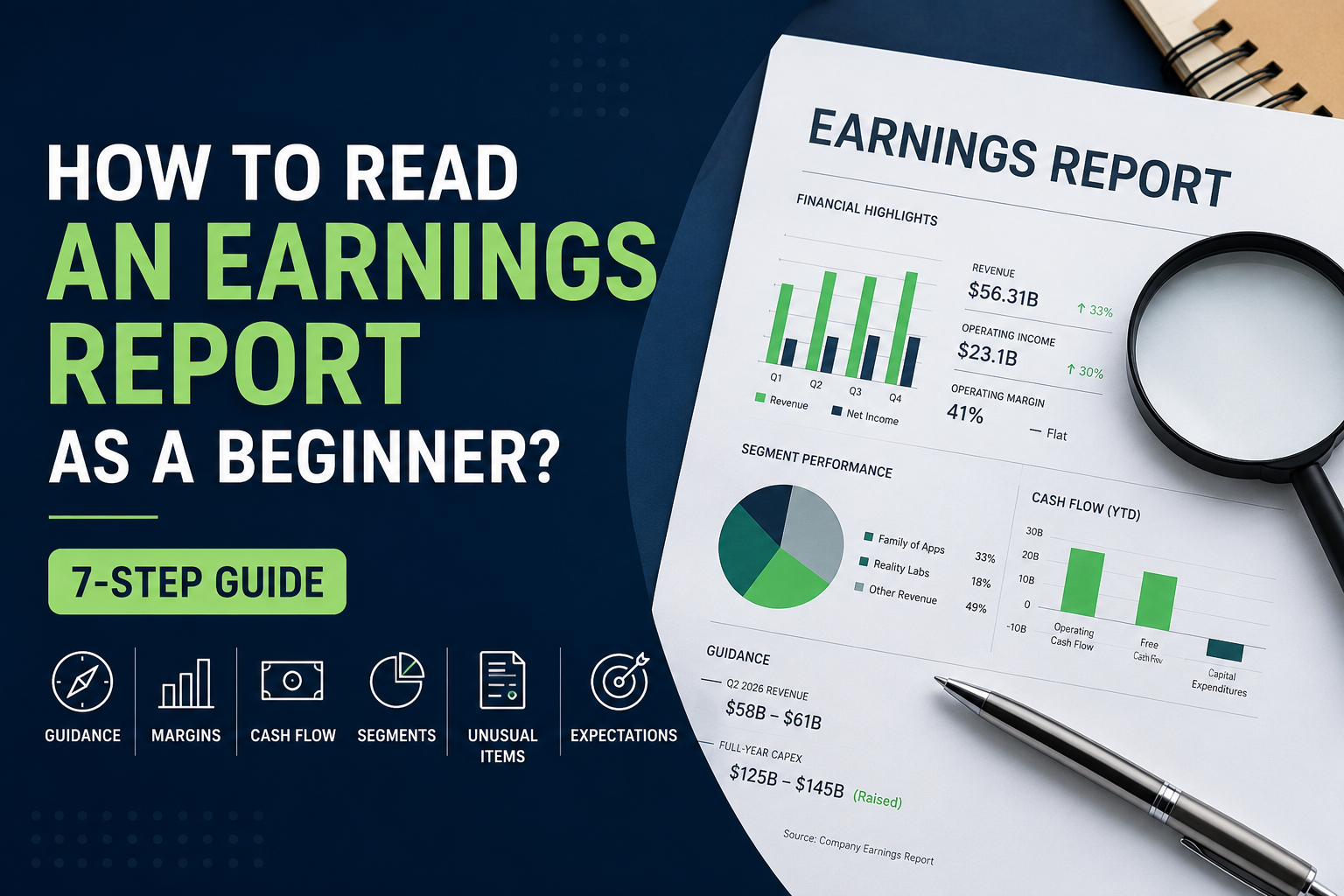
It typically includes revenue, net income, earnings per share (EPS), margins, year-on-year comparisons, and management commentary or forward guidance.
In trading, the report is used to judge whether the company beat, met, or missed expectations and whether future prospects are improving or weakening.
An earnings report contains the key financial details traders use to assess a company’s recent performance and future outlook.
The main figures usually include revenue, net income, operating profit, and earnings per share (EPS), alongside comparisons with the previous quarter or the same period a year earlier.
It also often breaks down results by business segment, region, or product line, which helps traders see where growth is coming from and where weakness is emerging.
Traders focus on whether growth is accelerating, margins are expanding, and management is confident about the next quarter or financial year.
Forward guidance often matters more than the past quarter because markets price future earnings, not old news.
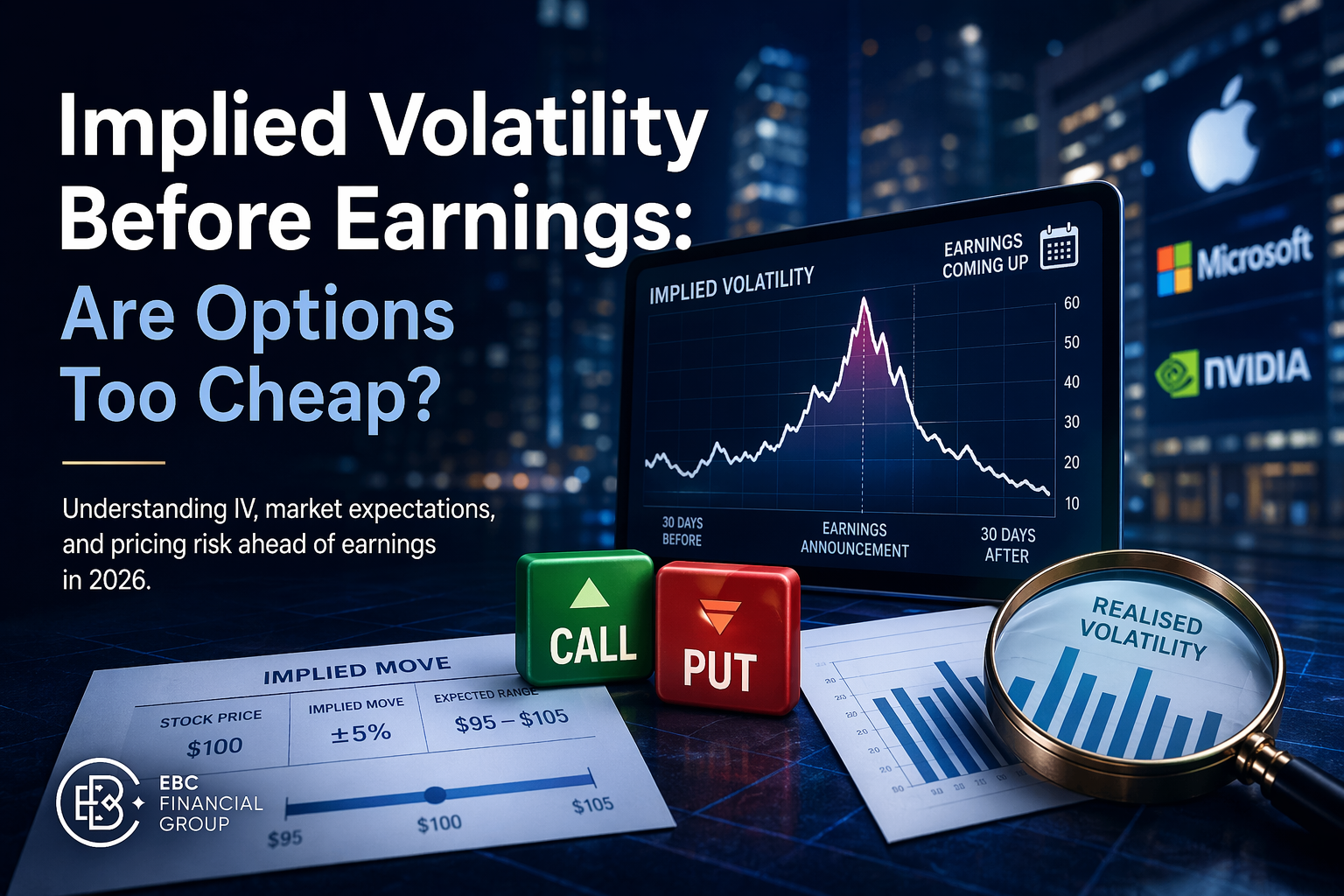
Earnings reports are major price catalysts. They can create overnight gaps, higher volatility, and sudden changes in sentiment because the market is comparing actual company performance with analyst forecasts.
A strong report can lift not only the stock itself but also its sector or index if the company has a large market weight.
Most traders start with four questions:
Did revenue beat or miss expectations?
Did EPS beat or miss expectations?
What did management say about the next quarter?
Is the stock move justified by the quality of the results?
This matters because a headline beat is not always enough. If revenue growth is weak, margins shrink, or guidance is cut, the market may still sell the stock. Likewise, a modest miss can be ignored if investors believe the outlook is improving.
Three factors tend to drive the reaction most strongly: the gap between actual results and expectations, the tone of forward guidance, and what management says on the earnings call.
Initial price action can be fast and emotional, but traders often reassess once they digest the full release and commentary.
A frequent mistake is assuming that “good earnings” automatically mean a higher stock price. In practice, markets respond to the difference between expectations and reality.
That is why a company can report record profits and still decline if investors are looking for even stronger numbers.
Quarterly Earnings: The broader reporting cycle in which companies publish financial results every three months.
Earnings Per Share (EPS): A profitability measure showing how much net income is attributable to each outstanding share.
Dividend: Some companies distribute payments to shareholders from profits.
Share: A unit of ownership in a company.
Stock: A general term for equity ownership in a listed company.
An earnings report is the actual document or announcement containing the company’s financial results. Quarterly earnings refer more broadly to the reporting event and the performance disclosed every three months.
The report gives the market new information about growth, profitability, and outlook. Traders and investors immediately reprice the stock when results differ from consensus expectations.
There is no single number. EPS gets the most attention, but revenue, margins, and forward guidance often matter just as much because they reveal the quality and durability of earnings.
Yes. A stock can drop after an earnings beat if guidance is weak, margins disappoint, or investors believe the good news was already priced in.
An earnings report is a scheduled financial release that shows how a public company performed over a reporting period and what management expects for the next period. In trading, it is a key event because it can reset valuation, shift sentiment, and trigger large price moves in a very short time.
Traders who understand how to read revenue, EPS, and guidance together are better prepared to judge whether a post-earnings move reflects genuine strength, disappointment, or a simple reset in expectations.
Disclaimer: This material is for general information purposes only and is not intended as (and should not be considered to be) financial, investment or other advice on which reliance should be placed. No opinion given in the material constitutes a recommendation by EBC or the author that any particular investment, security, transaction or investment strategy is suitable for any specific person.



World's Best Broker