Published on: 2026-04-16
Indonesia controls 60.2% of global nickel production and has cut its 2026 mining quota to 260-270 million tonnes from 379 million in 2025, opening a potential 80-100 million tonne gap between approved supply and smelter demand.
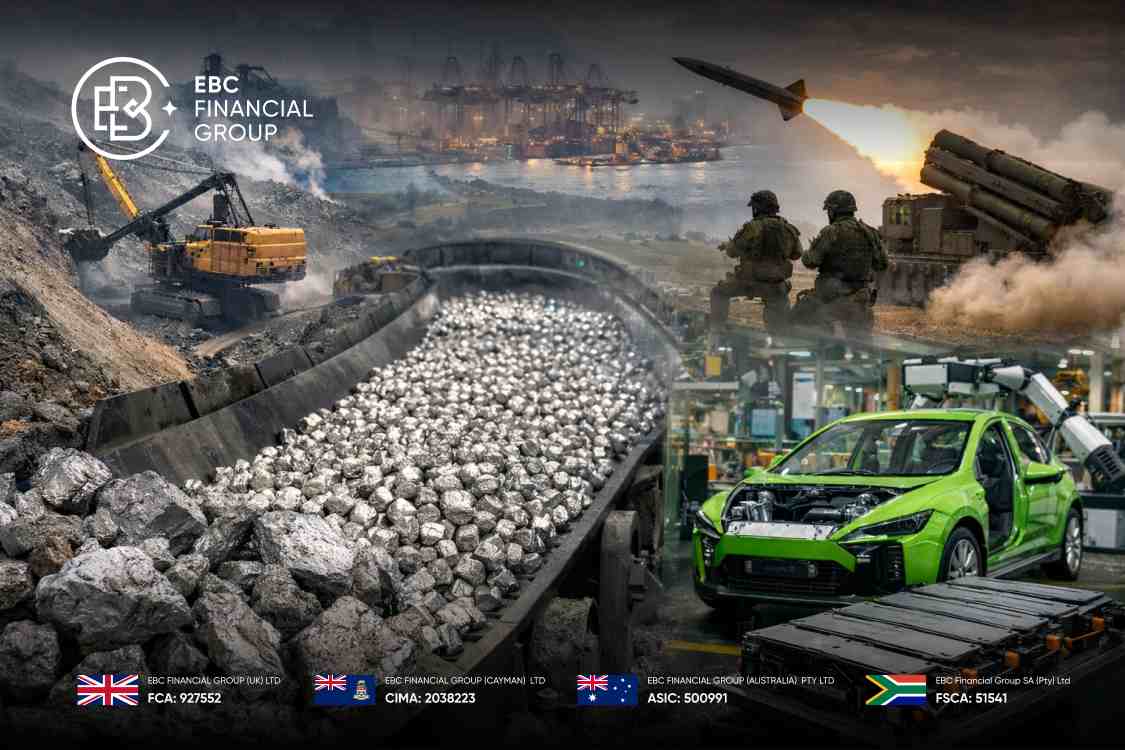
Stainless steel consumes roughly 70% of the world’s nickel. Nickel-based superalloys are critical to jet engines, turbine blades, rocket propulsion, and submarine hulls, with no viable alternative material available at any price.
The United States has nearly zero domestic nickel production. North and South America’s combined share of global output fell from 16% to 7% between 2020 and 2023, leaving U.S. defense and industrial supply chains exposed.
China consumes over 63% of primary nickel and controls roughly 75% of Indonesia’s smelting capacity, but Indonesia controls the ore that feeds those smelters, and Jakarta just turned the dial down by a third.
Indonesia made a decision in early 2026 that will quietly ripple through defense procurement offices, stainless steel mills, aircraft engine factories, and EV battery plants across more than 60 countries. It cut the amount of nickel ore its miners are allowed to produce by roughly one-third.
The 2026 mining quota, known as the RKAB, has been set at 260-270 million tonnes, down from 379 million in 2025. Indonesia’s own smelters need 340-350 million tonnes to run at capacity, leaving a potential gap of up to 100 million tonnes. The Indonesia Nickel Smelter Forum (FINI) warns that processing utilization could fall from 90% to as low as 70% this year.
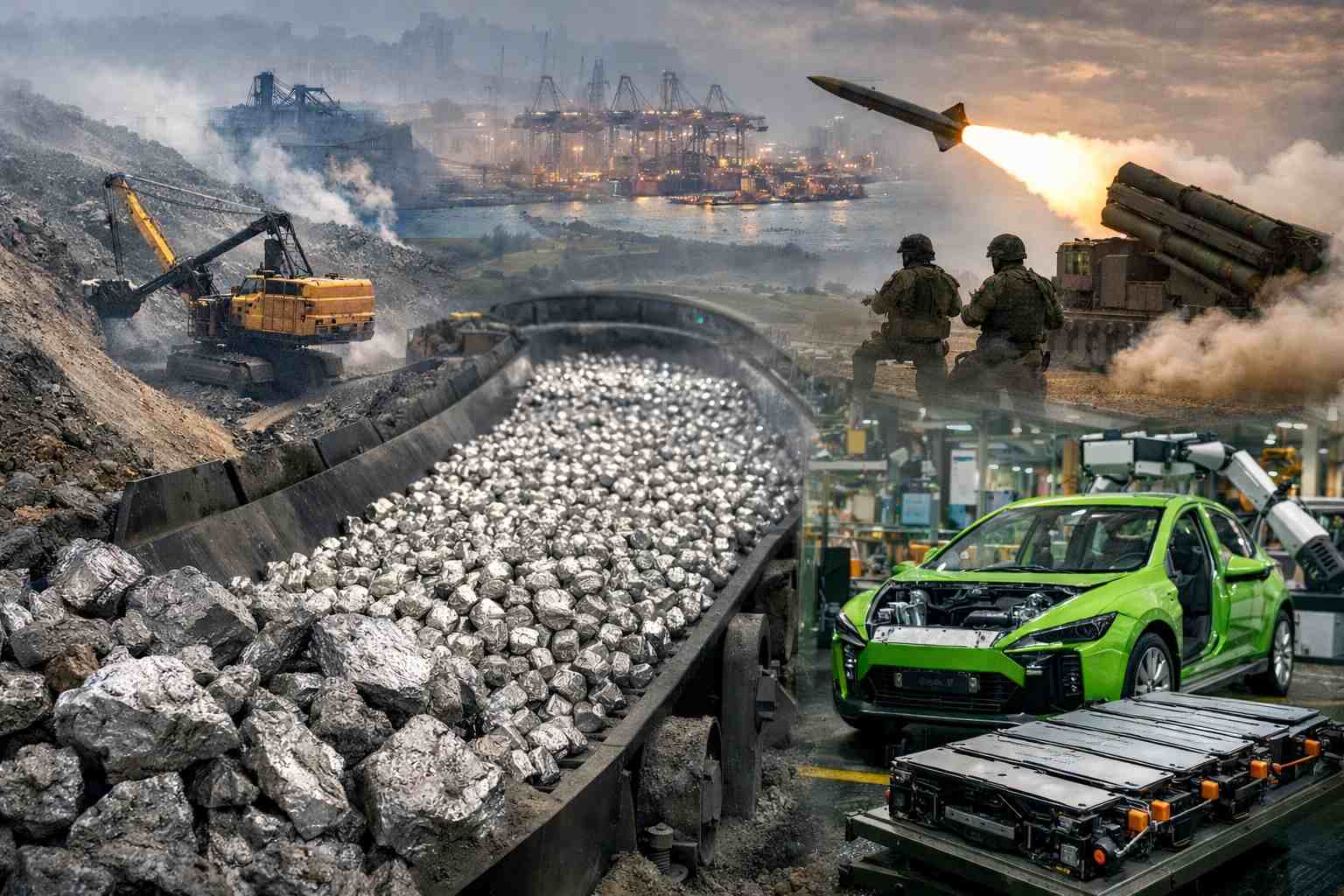
Indonesia is the world’s dominant nickel producer by a wide margin. Its market share surged from 31.5% in 2020 to 60.2% in 2024 after Jakarta banned raw ore exports and drew a wave of Chinese-backed investment into domestic smelting. S&P Global projects that share could reach 74% by 2035.
The global conversation around nickel has been narrowed, often unhelpfully, to electric vehicle batteries. Batteries account for roughly 10-15% of worldwide nickel consumption. Stainless steel accounts for 70%.
Every hospital surgical instrument, every commercial kitchen surface, every water-treatment facility, every bridge reinforcement bar, and every high-rise curtain wall that uses stainless steel requires nickel.
When nickel prices shift, stainless steel costs follow, and that feeds directly into construction budgets, infrastructure spending, and consumer goods pricing worldwide. The global nickel industry reached 3.76 million tonnes in 2025 and is projected to grow to 4.55 million tonnes by 2034.
The broader the demand base, the wider the consequences of a supply disruption. A lithium shortage affects batteries. A cobalt shortage affects batteries and some superalloys. A nickel shortage touches stainless steel, construction, defense, aerospace, oil and gas infrastructure, hydrogen production, electronics, coinage, and batteries simultaneously.
Nickel-based superalloys occupy a position in defense and aerospace manufacturing that no alternative material can replicate at current technology levels. These alloys maintain structural integrity at temperatures exceeding 1,000 degrees Celsius and under extreme mechanical stress, which is why they form the core of jet engine turbine blades, rocket propulsion chambers, naval vessel hulls, missile guidance housings, and nuclear reactor components.
The Pratt & Whitney F135 engine powering the F-35 fighter jet, the backbone of NATO air power, relies on nickel superalloys. So does every commercial turbofan engine produced by GE Aerospace, Rolls-Royce, and CFM International.
Unlike the battery sector, where lithium iron phosphate chemistry offers a nickel-free alternative for mass-market applications, aerospace and defense have no fallback material. The physics of high-temperature, high-stress environments demand nickel.
The global aerospace materials market, including nickel alloys, is forecast to reach $24 billion by 2026. NATO defense budgets are expanding, Europe’s rearmament push could lift EU defense spending by 18 percentage points of GDP by 2035, and Asian military modernization programs from Japan to India are scaling procurement. All of this spending competes for the nickel supply that is now being throttled at the source.
The Weda Bay mine shows how far Jakarta is willing to go. The world's largest nickel operation saw its 2026 quota cut from 32 million wet metric tonnes to just 12 million, a 63% reduction. Eramet, which co-owns the operation alongside China’s Tsingshan and Indonesia’s state-owned Antam, has already stated it will apply for a higher allocation in the mid-year revision window.
This is the mechanism through which Jakarta exercises control: the government sets initial quotas low, then selectively increases them based on environmental compliance, domestic processing commitments, and alignment with national industrial priorities. Miners who invest in downstream capacity and create local employment earn more quota. Those who extract and export earn less.
Across the industry, miners submitted 2026 production plans totaling 460-470 million tonnes, and the government approved roughly half, with Vale Indonesia’s CEO confirming a 30% reduction relative to the company’s initial application.
The administrative system itself has become a tool of industrial policy: the mandatory digital submission platform, MinerbaOne, now functions as a gatekeeping mechanism that determines which operations can sell ore and which sit idle.
China consumes over 63% of primary nickel globally and has invested billions to build roughly 75% of Indonesia’s smelting capacity. Nickel matte imports from Indonesia to China increased nearly 28-fold between 2020 and 2023, creating the deepest bilateral supply chain dependency for any critical mineral in the world.
Chinese capital transformed Indonesia’s nickel industry, with Chinese-backed smelters, HPAL plants, and refining operations turning the country from a raw ore exporter into the world’s dominant processor within a single decade.
But the ore that feeds those plants comes from Indonesian ground, extracted under Indonesian permits, governed by Indonesian quotas. The billions invested in processing infrastructure do not change the fundamental fact that Jakarta can restrict the raw material at will.
China carries a partial hedge through its dominance in LFP battery production, which uses no nickel and accounts for nearly 80% of global LFP output. But China’s stainless steel industry, the world’s largest, still runs on Indonesian nickel pig iron, and its premium EV segment, military aerospace alloys, and electronics manufacturing all require Class 1 refined nickel. The quota cut constrains all of these supply lines through a single upstream bottleneck.
The United States produces virtually no nickel. North and South America’s combined share of global output fell from 16% in 2020 to 7% by 2023, while Europe’s share dropped from 35% to 10% over the same period. More than 65% of nickel consumed in the U.S. goes to stainless steel and advanced alloys, with the defense sector relying on nickel superalloys for jet engines, armored fighting vehicles, submarine pressure hulls, and missile systems.
Domestic supply projects exist on paper: the Duluth Complex in Minnesota holds one of the largest undeveloped nickel deposits in North America, and Canada Nickel’s Crawford project in Ontario is advancing toward production, but both are years from delivering meaningful tonnage.
Western Australia offered interest-free loans in April 2026 to help shuttered nickel mines restart, signaling how far the supply position has deteriorated since the 2024-2025 price collapse forced closures across the Western mining sector.
The Inflation Reduction Act compounds the problem: because Indonesia’s nickel industry is deeply integrated with Chinese capital, batteries produced using Indonesian nickel may face exclusion from the $7,500 U.S. EV tax credit under “foreign entity of concern” regulations.
Washington wants to decouple from Chinese-linked mineral supply chains, but the domestic alternative does not yet exist at commercial scale. Indonesia’s quota cut makes that gap more expensive and more urgent to close.
Europe has almost no nickel mining or processing capacity of its own. Its stainless steel mills, aerospace manufacturers, and EV battery supply chains depend entirely on imported material.
The EU Critical Raw Materials Act sets targets for reducing this dependency, but current Indonesian production frequently falls short of the environmental and social governance standards that European regulations require.
Higher nickel input costs from Indonesia’s quota cut translate directly into higher European manufacturing costs, particularly for stainless steel and battery cathodes. In North America, nickel prices reached $18.15 per kilogram in March 2026, a 15% quarterly increase, while European prices hit $16.66 per kilogram, up 5.6% over the same period.
These increases erode the cost competitiveness of European-made products against Chinese alternatives that benefit from cheaper, vertically integrated supply chains.
The Indonesian government has been transparent about its goals. Energy Minister Bahlil Lahadalia and Director General of Minerals and Coal Tri Winarno have publicly outlined four objectives for the quota reduction: stabilize LME prices within a $19,000-$20,000 per tonne range, conserve depleting high-grade ore reserves, enforce stricter environmental compliance across mining operations, and accelerate the shift toward higher-value domestic processing.
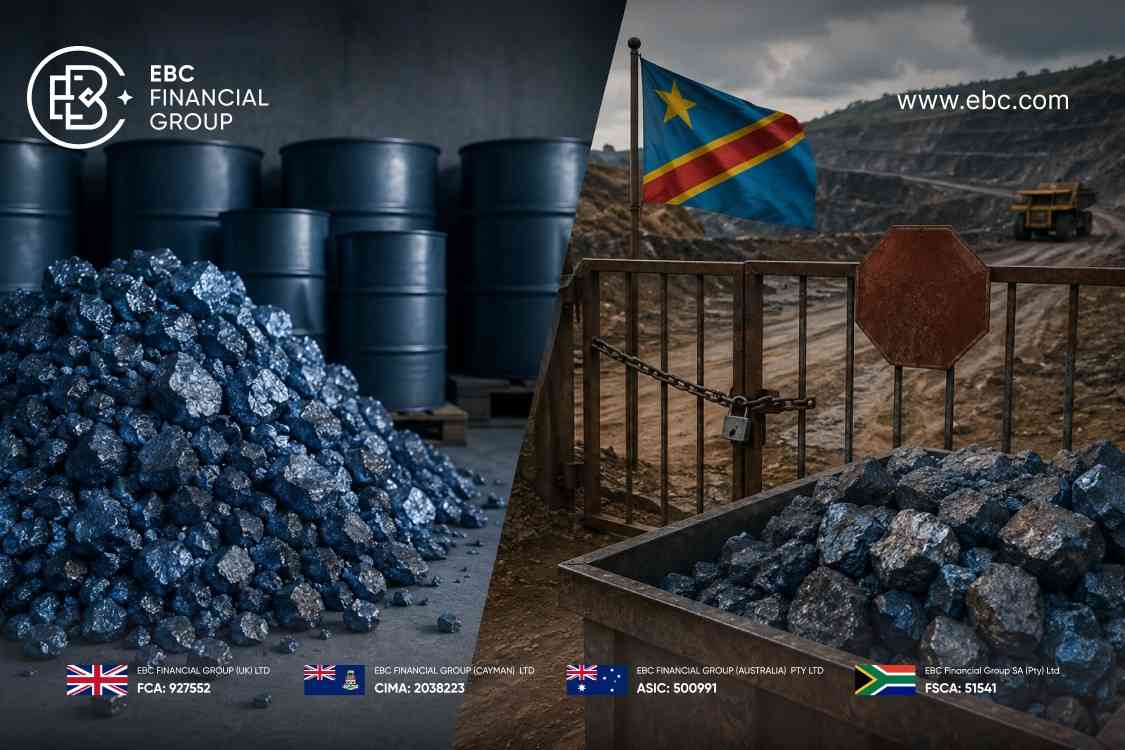
The playbook echoes what the Democratic Republic of Congo executed with cobalt. The DRC, which controls over 70% of global cobalt production, suspended exports in February 2025 and introduced production quotas in October.
Cobalt prices have more than doubled since. Indonesia is applying the same resource nationalist strategy to a metal whose industrial footprint is far wider and whose supply chain dependencies run far deeper.
BloombergNEF estimates that local nickel processing and battery manufacturing investments in Indonesia could exceed $15 billion over the next three years. Jakarta wants those investments to build Indonesian industrial capacity, not simply extract Indonesian resources.
The tension was captured publicly by the founder of Indonesia’s National Battery Research Institute: “When the government said Indonesia wants to be the biggest producer of electric batteries, we have to ask, who owns it?”
Indonesia’s nickel boom has come at a measurable ecological price. Mining operations drove the loss of roughly 914,000 acres of forest between 2001 and 2020, more deforestation linked to mining than any other country on the planet. The smelters that process Indonesian ore run primarily on coal-fired power, creating an uncomfortable contradiction for a metal marketed as essential to the clean energy transition.
The tighter RKAB quotas partly address this. By restricting production volumes and requiring environmental compliance as a condition for quota allocation, Jakarta is attempting to slow the rate of resource depletion and ecological damage that accompanied the rapid expansion of 2020-2024.
Whether these measures are enforced consistently or selectively remains an open question that the market is watching closely.
LME nickel reached $17,635 per tonne in mid-April 2026, recovering from lows near $13,900 in early 2025. ING projects a global surplus of 261,000 tonnes this year, and LME inventories remain elevated at roughly 287,000 tonnes, up 44% year-over-year. These numbers should cap any sharp rally in the near term.
The surplus forecast, however, rests on assumptions about Indonesian supply that the quota cut has challenged. If Jakarta enforces the RKAB ceiling strictly and does not significantly expand approvals in the mid-year revision, smelter output falls, refined production declines, and the surplus shrinks faster than consensus models assume.
S&P Global projects the nickel market could flip into a structural deficit around 2032 as Indonesian supply growth moderates and Western manufacturing demand scales.
Fastmarkets and Wood Mackenzie forecast a price range of $17,000-$19,000 per tonne for 2026. Sustained prices above $20,000-$22,000 would be needed to bring curtailed Western mining operations back into production, including projects in Australia and New Caledonia that shut down during the 2024-2025 price collapse.
Until Western supply diversification reaches commercial scale, the global nickel market’s price floor and ceiling will remain set in Jakarta.
One developing country now controls 60% of a metal used in jet engines, submarine hulls, hospital equipment, skyscraper facades, EV batteries, and kitchen sinks, and has decided to produce less of it. The world’s three largest consuming blocs have no near-term alternative, with diversification projects in Canada, Australia, and Minnesota still years from production.
For every industry that depends on nickel, and that list covers most of the global economy, the structural risk from Indonesia’s quota decision will persist well beyond 2026.
Disclaimer: This article is for informational purposes only and does not constitute financial advice. Always conduct your own research before making trading decisions.