Published on: 2026-05-26
Updated on: 2026-05-26
Dangote Refinery’s $3.74bn foreign crude bill exposed the weak link inside Nigeria’s oil economy: barrels were allocated domestically, but not delivered at the scale its refining system required.
Nigeria’s domestic refineries were allocated 61.9mn barrels in Q1 2026. Actual delivery reached only 28.5mn barrels, leaving more than half of the policy-backed supply absent from the physical market.
Nigeria’s oil model has reversed. The country spent decades exporting crude and importing fuel. In 2025, it imported crude oil, refined it locally, and exported $5.85bn of petroleum products.
Nigeria’s fuel import bill fell from $14.06bn in 2024 to $10.00bn in 2025, but Dangote’s foreign crude demand absorbed part of that FX gain and shifted the pressure upstream.
April 2026 liquids output of 1.663mn bpd confirmed production recovery, but crude-only availability, refinery-grade supply and delivery reliability now decide how much of Nigeria’s oil wealth converts into external value.
Nigeria does not lack oil. It lacks delivered barrels.
In 2025, Dangote Refinery, the largest on the continent and built inside Africa’s largest oil producer, spent $3.74bn buying crude from foreign suppliers. Not because Nigeria ran out of oil, but because local barrels could not reach the refinery with the timing, scale and certainty its operations required.
The country that built the refinery could not feed it.

Nigeria’s constraint is not below ground. It is above ground. The country has reserves, terminals and producers. It lacks a barrel delivery system built for domestic refining at scale.
Dangote’s 2025 ramp-up put a hard number on that weakness: $3.74bn of foreign crude purchases by a refinery built inside Africa’s largest oil producer.
For decades, Nigeria’s oil failure was visible downstream. Crude left the country, then petrol, diesel and aviation fuel came back in. Dangote changed the equation. Nigeria can now refine at scale, but it still cannot guarantee the crude slate, delivery schedule and commercial terms that a 650,000 bpd refinery requires.
A refinery does not run on national crude reserves. It runs on cargo timing, grade compatibility and payment certainty. In July 2025, Dangote’s crude imports rose to about 590,000 bpd, with U.S. barrels overtaking Nigerian supply in the refinery’s import mix for the first time.
That was the supply gap in motion. The refinery did not wait for the domestic system to fix itself. It switched deeper into foreign barrels.
Dangote did not create Nigeria’s crude supply gap. It put the gap on the balance sheet.
Dangote’s $3.74bn foreign crude bill nearly matched Nigeria’s $4.06bn fuel-import saving in 2025. For every $1 cut from the fuel-import bill, about 92 cents reappeared as foreign crude demand.
Nigeria reduced the visible petroleum burden and pushed most of the dollar strain upstream. The trade upgrade happened. The foreign-exchange relief was smaller than the headline suggested.
Nigeria’s fuel imports fell to $10.00bn in 2025 from $14.06bn in 2024, while refined petroleum exports reached $5.85bn. That marked a real shift away from the old model of exporting crude and buying back petrol, diesel and aviation fuel.
The current account still showed strength. Nigeria’s surplus fell to $14.04bn in 2025 from $19.03bn in 2024, but stayed well above the $6.42bn recorded in 2023. The composition changed: crude exports weakened, import demand rose, and refinery-linked exports entered the goods account.
Crude export revenue fell to $31.54bn, down roughly 14% from 2024. Refining softened the fuel-import drain, but foreign crude absorbed part of the gain when local barrels failed to arrive at scale.
Nigeria’s old model leaked foreign exchange through finished-fuel imports. The new model keeps more value inside the oil chain only when domestic crude replaces imported feedstock. Until then, part of the FX leak has moved upstream.
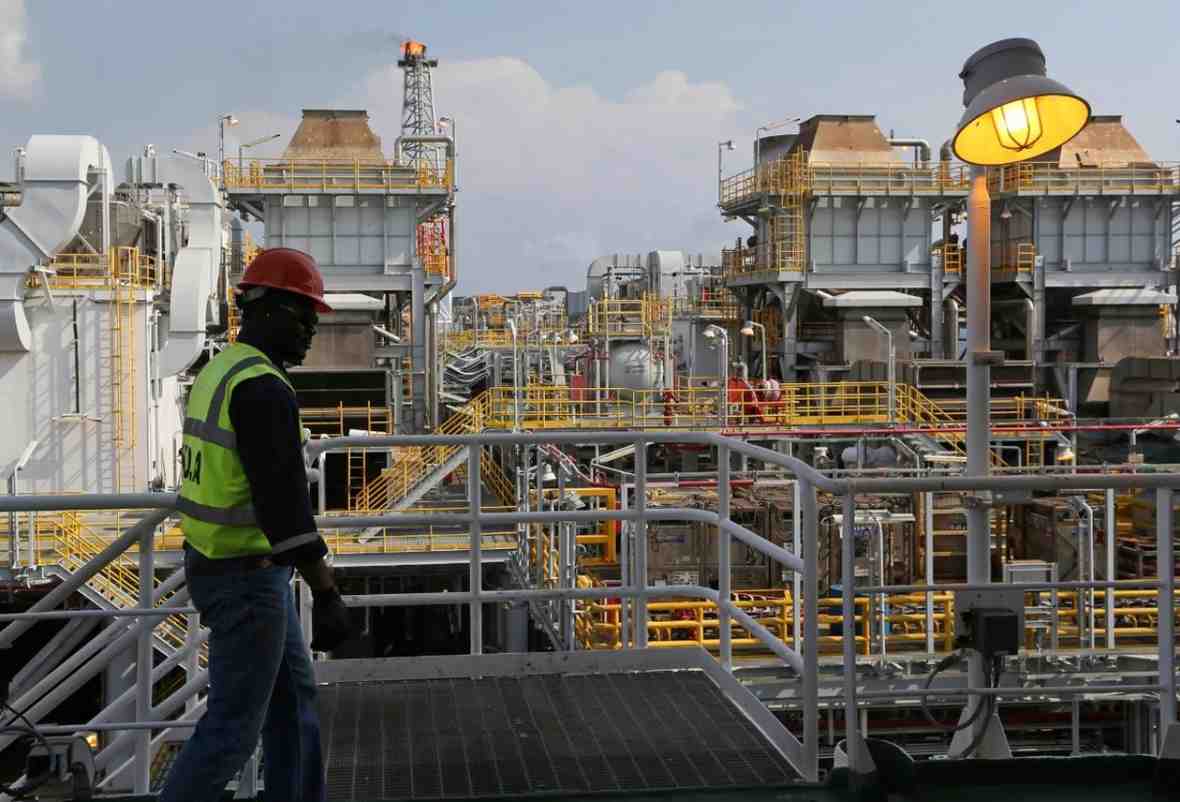
Nigeria had 68.7mn barrels offered to domestic refineries in Q1 2026.
Only 28.5mn barrels arrived.
Against the official allocation of 61.9mn barrels, the physical market was short by 33.4mn barrels. Against producer offers, the gap was even larger at 40.2mn barrels.
That is not a rounding error. It is more than half the official allocation absent from the physical market. The failure was not policy design. It was execution.
The $3.74bn foreign crude bill was the dollar expression of that delivery failure. Barrels that failed to reach domestic refineries reappeared as imported feedstock.
That delivery gap pushed refiners back into foreign cargoes. Imported crude kept refinery utilisation alive, but it moved part of the fuel-import saving into the crude-import line and preserved dollar demand inside a policy built to reduce it.
The shortfall also undercuts the naira-for-crude framework. Local-currency settlement loses force when refiners still need foreign feedstock priced through global crude markets.
A barrel allocated to a refinery has no macro value until it is delivered.
April’s production rebound did not solve Dangote’s crude supply problem.
The deadline is utilisation. A 650,000 bpd refinery can absorb nearly 40% of April’s 1.663mn bpd liquids output at full capacity before export commitments are counted.
NUPRC data showed combined crude and condensate output at 1.663mn bpd in April 2026, the highest level reported this year. The recovery moved Nigeria away from the theft-driven lows of 2022, yet the refinery constraint remained: delivered crude, not total liquids, decides local feedstock supply.
The historical gap remains large. EIA data links Nigeria’s decade-long production decline to security incidents, forced shut-ins, mature fields, ageing infrastructure and weak maintenance. Crude and condensate output in 2024 remained well below the 2015 average, leaving the rebound as repair, not capacity expansion.
Dangote’s scale turns higher output into a delivery test. A 650,000 bpd refinery needs predictable field production, compatible crude grades, enforceable local supply contracts, lower pipeline losses and reliable terminal access. Expansion toward 1.4mn bpd would turn that test into a national refinery strategy.
Headline liquids output can rise while Dangote still lacks enough local crude. Condensates lift production numbers, but crude-only availability, grade suitability and delivery routes decide whether Nigerian barrels can feed the refinery.
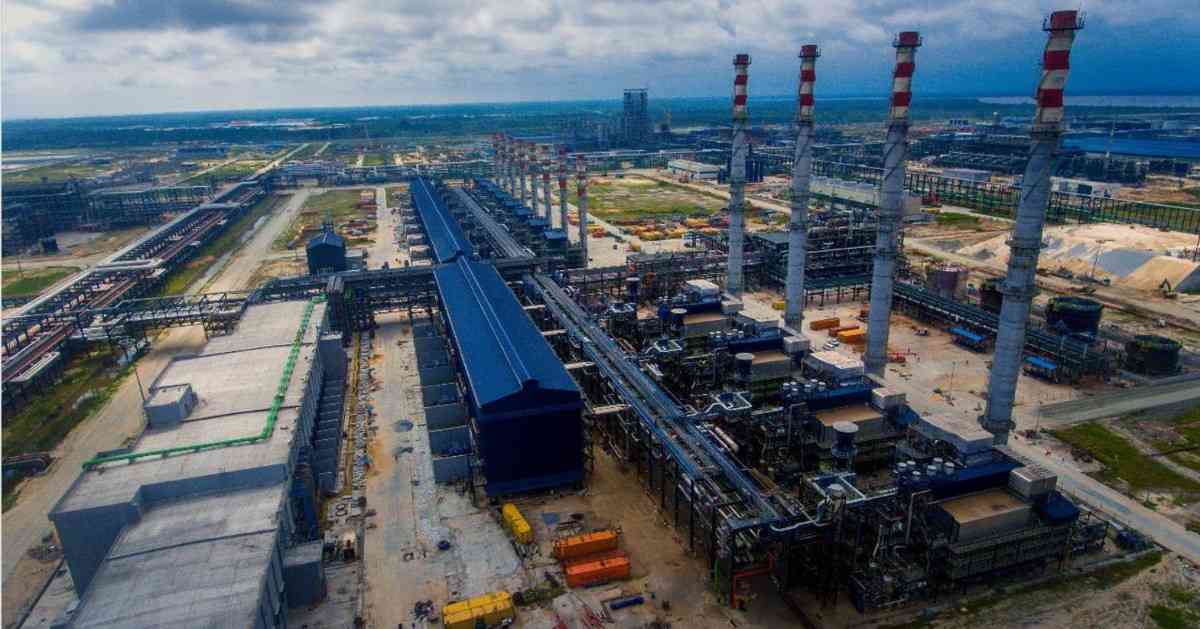
Dangote Refinery is reducing Nigeria’s fuel-import burden faster than the upstream sector is improving crude delivery.
The refinery has cut petroleum-product imports and added refined exports to Nigeria’s external account. The same scale that reduces the fuel bill now requires a crude supply system built for domestic conversion, not just export lifting.
Nigeria’s state-owned refineries failed for years under weak maintenance, poor operating discipline and chronic underinvestment. Dangote has closed part of the downstream gap. It has not changed the upstream contract structure built around exporting crude rather than feeding local refining at scale.
Nigeria fixed the visible shortage at the pump, then ran into the hidden shortage inside contracts, cargo schedules and terminal access. Dangote changed the fight: the oil problem moved from fuel supply to barrel delivery.
Nigeria’s next oil cycle will be judged by delivered barrels, not headline production. The higher-value signal is the share of domestic crude refined locally, converted into exportable products and priced without creating fresh dollar pressure.
A crude exporter earns from raw barrels. A refining hub earns from conversion. Nigeria built the refinery before it fixed the barrel delivery system.
The $3.74bn crude import bill is not a failure of ambition. Nigeria built the largest refinery on the continent. It is a failure of follow-through in the upstream system that was supposed to feed it.
For decades, Nigeria’s oil problem was visible at the pump. Crude left, refined fuel came back. Dangote closed that chapter. The problem moved upstream, into cargo schedules, terminal access and contracts designed for exporters, not refiners.
A crude exporter earns from raw barrels. A refining hub earns from conversion. In July 2025, U.S. barrels overtook Nigerian supply in Dangote’s own import mix. The refinery did not wait for the domestic system to catch up. It went abroad.
The $3.74bn is the price of not fixing the barrel delivery system first. Nigeria can still fix it. But the bill has already arrived.