Published on: 2026-04-03
Updated on: 2026-04-03
The Strait of Hormuz carries one-third of global seaborne fertilizer trade, and its closure has pushed urea prices up roughly 50% since late February 2026.
There are no strategic fertilizer reserves anywhere in the G7, and the Saudi bypass pipeline carries oil, not ammonia products.
Farmers in the Northern Hemisphere are entering peak planting season unable to secure enough nitrogen supply, which means lower crop yields are already locked in for later this year.
Wolfe Research estimates the disruption could raise U.S. food-at-home inflation by roughly 2 percentage points, on top of the 0.40 percentage point increase from energy alone.
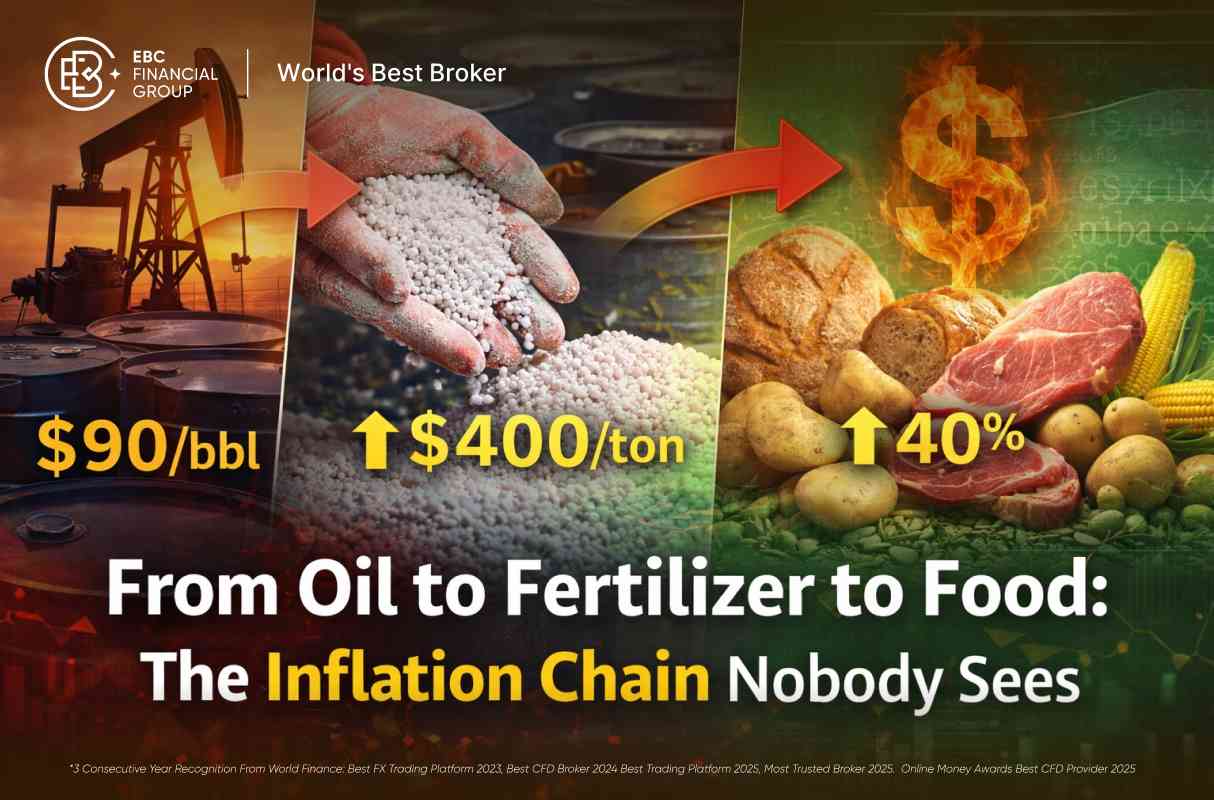
Everyone is watching oil: the Brent spike, the gas pump, the diesel price at the truck stop. What almost nobody is tracking is the chain reaction that starts with crude and ends at your grocery bill. That chain runs through fertilizer, and it is already breaking.
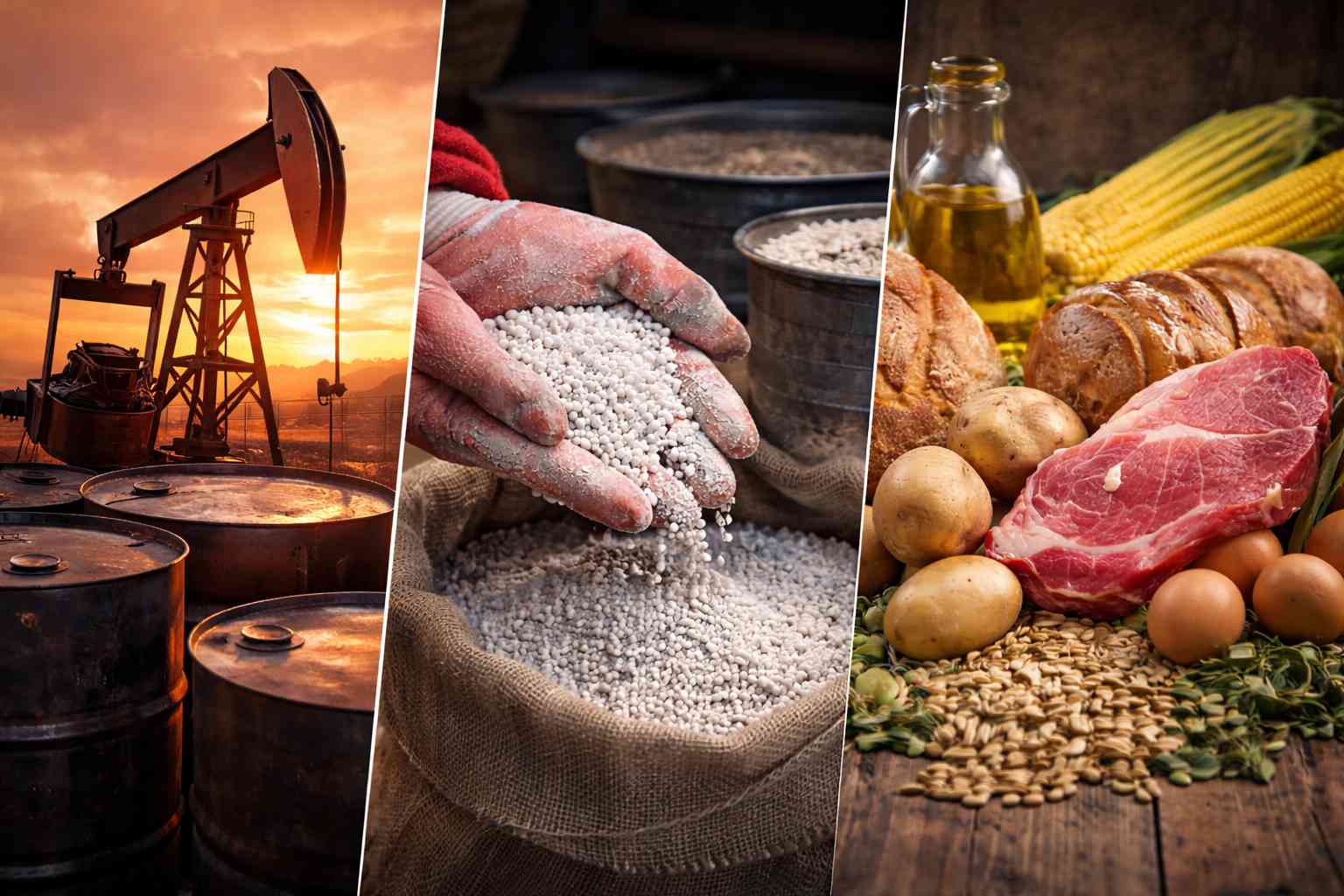
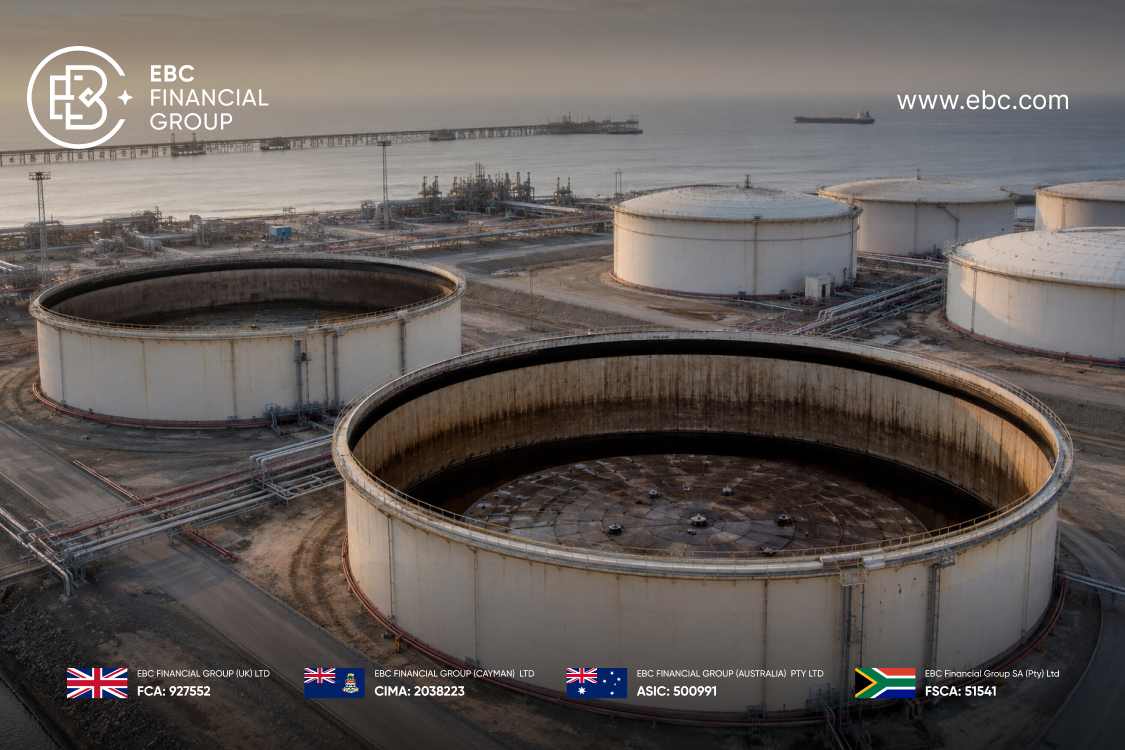
The Strait of Hormuz is not just an oil corridor. According to the United Nations, roughly one-third of global seaborne fertilizer trade passes through this waterway, and since the effective closure in early March 2026, that supply has stopped moving.
Unlike oil, there is no strategic reserve to fall back on.
The Arabian Gulf is the world’s dominant producer of nitrogen-based fertilizers. According to the World Economic Forum, the region accounts for at least 20% of all seaborne fertilizer exports.
For urea, the world’s most widely used nitrogen fertilizer, nearly 46% of global trade originates from countries west of the Strait.
Natural gas is the primary feedstock for nitrogen production, accounting for up to 70% of manufacturing costs.
The Strait also carries roughly 20% of global LNG exports, so the crisis hits fertilizer from two directions: it blocks finished product from leaving the Gulf and cuts off the gas other countries need to make their own.
G7 countries maintain strategic petroleum reserves to buffer oil shocks, but no equivalent exists for fertilizer. The Carnegie Endowment notes that the Saudi bypass pipeline carries oil, not ammonia products. There is no alternative route for fertilizer out of the Gulf.
The U.S. produces about three-quarters of its fertilizer domestically, but still relies on imports for roughly half of its urea supply.
Goldman Sachs notes the U.S. has limited ability to quickly ramp up domestic production, even with ample natural gas.
Wolfe Research chief economist Stephanie Roth estimates the disruption could raise food-at-home inflation by roughly 2 percentage points, adding about 0.15 percentage points to headline U.S. inflation on top of the 0.40 percentage point increase from energy.
The World Food Program estimates the crisis could push 45 million additional people into acute hunger by mid-2026.
| Input | Pre-War Price | Current Price | Change |
|---|---|---|---|
| Urea (FOB Egypt) | $400-$490/MT | ~$700/MT | +50% |
| DAP/MAP | ~$540/MT | $700+/MT | +30% |
| Ammonia | ~$350/MT | ~$420/MT | +20% |
| U.S. Diesel | ~$3.50/gal | $5+/gal | +43% |
The timing makes this worse than a normal commodity shock. U.S. fertilizer imports peak between February and April, and Gulf cargoes need 30-45 days to reach U.S. ports.
Shipments disrupted in March will not arrive when demand peaks in April, and crops that miss their nitrogen window produce permanently lower yields.
The Atlantic Council has mapped “three waves” of economic pain from the Hormuz closure. Understanding them is critical for anyone trying to position ahead of the inflation data.
The first wave hit immediately. Brent surged above $100, diesel spiked, and refined product prices followed within days. This wave is visible to everyone and largely priced in.
The second wave is hitting right now during spring planting season. Urea prices have surged from around $400-$490 per metric ton before the conflict to roughly $700, a jump of approximately 50%. DAP and MAP fertilizers have risen above $700 per metric ton.

For American farmers growing corn or wheat, fertilizer makes up between one-third and one-half of total operating costs.
Add diesel above $5 per gallon and the economics collapse. Fifty-four agricultural groups have written to President Trump calling for emergency relief.
The third wave has not arrived yet. This is the one almost nobody is pricing in. When farmers cannot secure enough nitrogen during the spring application window, two things happen: some switch from corn to less demanding crops like soybeans, and crops that do get planted receive less fertilizer, producing lower yields.
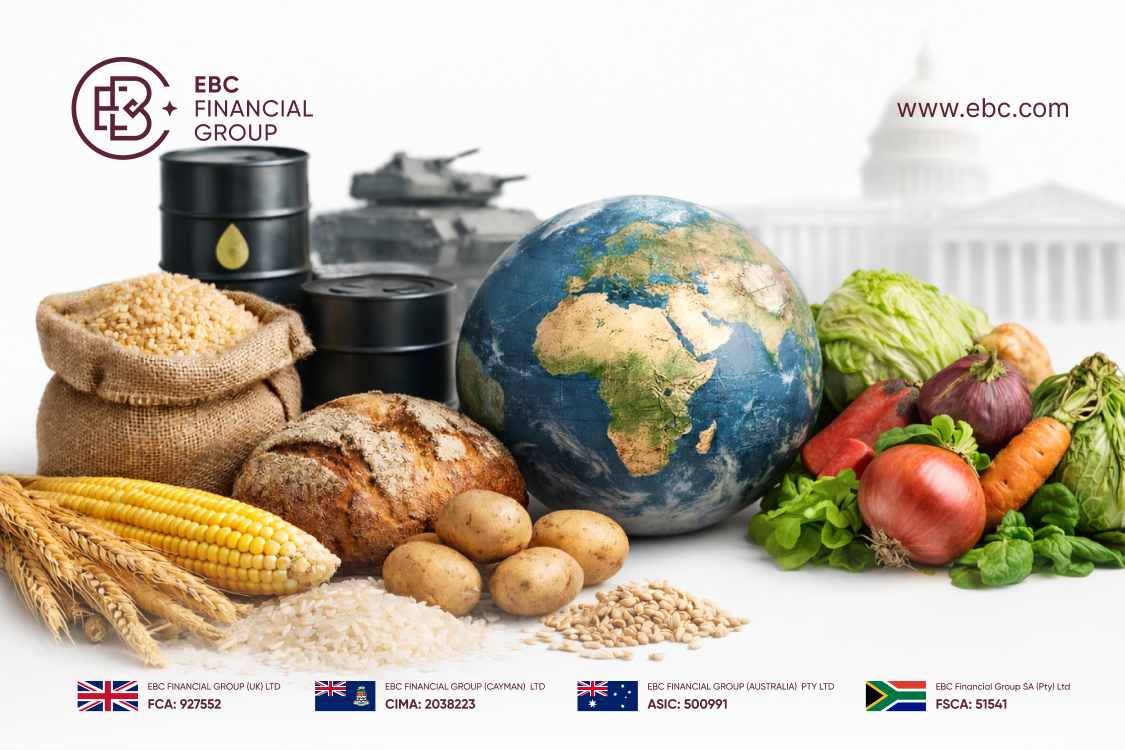
Both outcomes reduce grain supply hitting the market in Q3 and Q4 2026. Corn is the foundational feedstock for beef, dairy, and poultry in the U.S., so higher corn prices cascade directly into meat, milk, and egg prices.
The Atlantic Council warns low-income households will be hit hardest since the bottom quintile already spends nearly one-third of their income on food.
Several fund managers have told CNBC they are more concerned about this crisis than the Russia-Ukraine fertilizer shock in 2022.
The concentration of supply at risk is higher: the Hormuz closure blocks 30% of globally traded urea plus significant shares of ammonia, phosphates, and sulfur simultaneously.
Spare capacity elsewhere is limited, as Goldman Sachs notes that nitrogen capacity in Russia and China is constrained while China has imposed its own export restrictions.
The 2022 shock also hit after most Northern Hemisphere planting decisions were already made. This time, it is happening during the critical ordering and application window.
The critical signal is not oil. It is the urea price at the NOLA import hub, which jumped from $516 to $683 per metric ton in a single week. If it holds above $700 through April, the third wave of food inflation is locked in regardless of what happens with the Strait.
Watch corn futures relative to soybean futures. A widening ratio signals farmers are shifting acreage away from nitrogen-intensive crops, which means lower corn supply later this year. Also track the USDA Prospective Plantings report for any downward revision to corn acreage.
The Strait carries one-third of global seaborne fertilizer trade, including nearly half of all urea exports. Its closure cuts off nitrogen supply during planting season, raising input costs and reducing crop yields.
No. G7 countries have no equivalent stockpile for fertilizer. The U.S. cannot quickly ramp up domestic production to fill the gap, leaving farmers exposed to global supply shocks.
Urea prices have surged roughly 50% since late February 2026, from around $400-$490 per metric ton to approximately $700. DAP and MAP are up over 30%.
The third wave is expected to hit in Q3 and Q4 2026 when under-fertilized crops reach the market. Current inflation readings do not yet reflect the full impact.
Corn is the most nitrogen-intensive major crop. Because corn is the primary feedstock for beef, dairy, and poultry, prices for meat, milk, and eggs are expected to rise as supply tightens.
The oil story gets the headlines, but the fertilizer story is where the real damage is building. A ceasefire tomorrow would not fix the fact that nitrogen shipments missed the spring application window, and that supply gap is already locked into the crop cycle.
By the time it shows up in the inflation data, the window to position for it will have closed.
Disclaimer: This material is for general information purposes only and is not intended as financial, investment, or other advice on which reliance should be placed. No opinion given in the material constitutes a recommendation by EBC or the author that any particular investment, security, transaction, or investment strategy is suitable for any specific person.