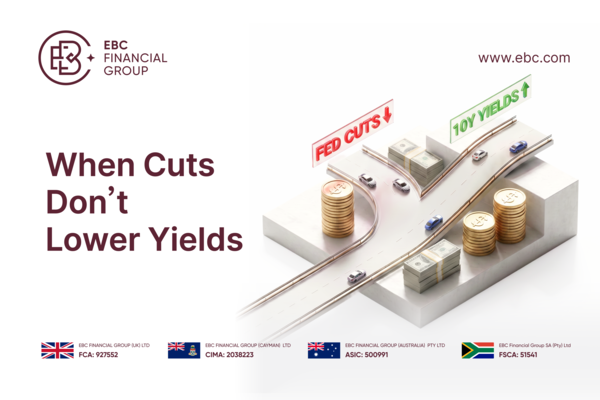
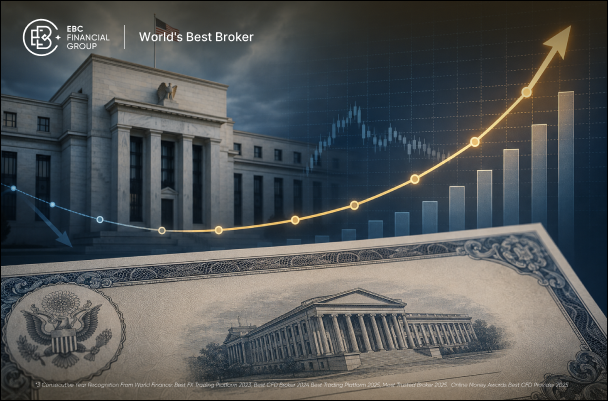
After the Federal Reserve (Fed) began easing in September 2024, the 10-year United States (US) Treasury yield did not follow short-term rates down. It rose from 3.65% to a near-term peak of 4.79% in January 2025.
A later Federal Reserve Bank of St. Louis analysis found that a higher term premium accounted for more than half of the rise, suggesting investors were asking for more return to hold long-term debt.
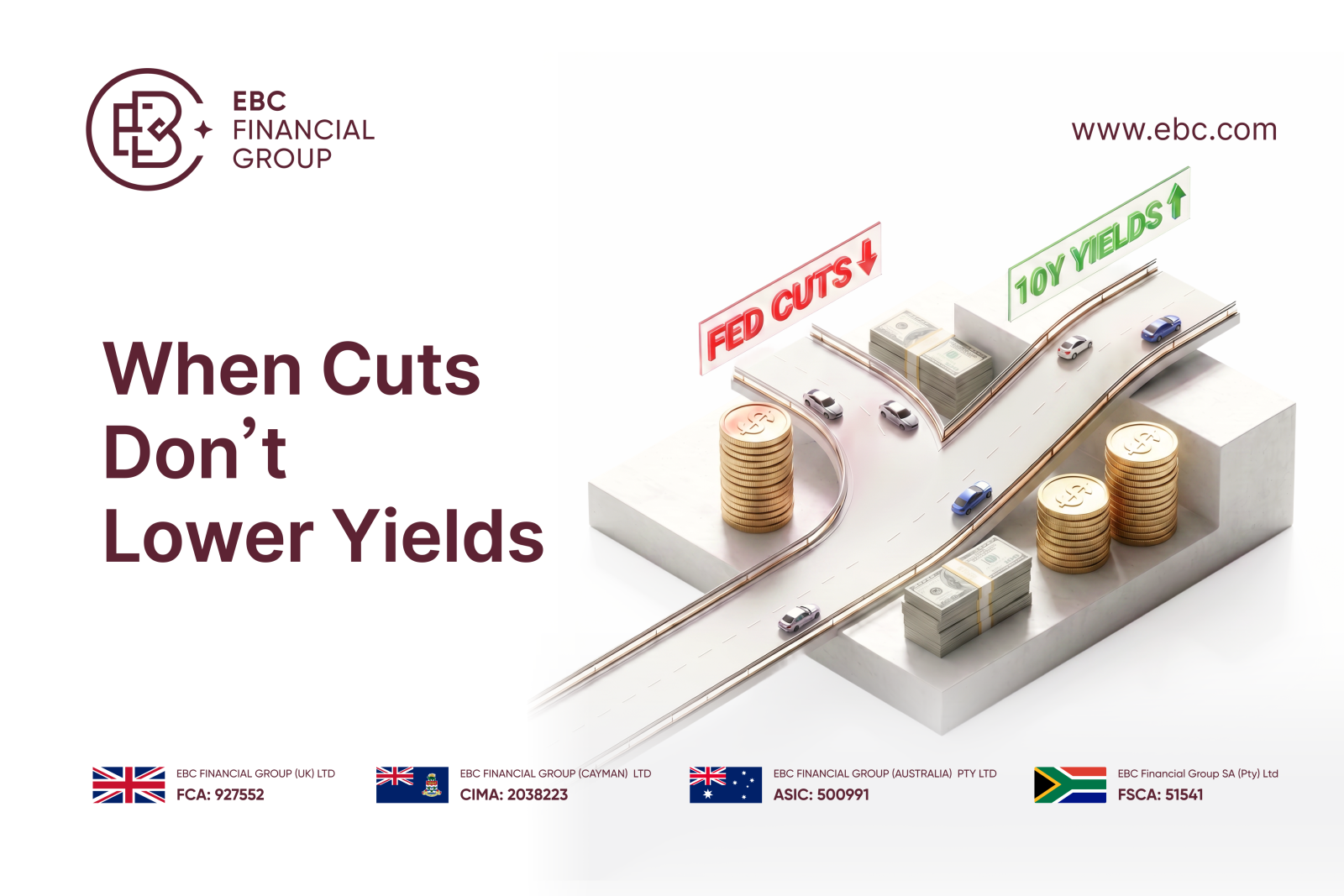
The Fed guides short-term rates, but the long end of the bond market still must find buyers. If those buyers want more return to hold long-dated bonds, the 10-year yield can stay high or even rise. Investors call the extra return they demand the term premium.
The term premium is what investors ask for when they lend money for many years instead of a few months. A short-term rate depends heavily on what the Fed does; a 10-year yield also reflects inflation risk, government borrowing, bond supply, and confidence in future policy.
The key question is whether long-term yields are moving because investors expect interest rates to change, or because they want more return for taking on longer-term risk. This matters for the US dollar, gold, stocks, emerging market currencies, and credit spreads.
A long-term bond yield breaks into two parts. The first is the expected path of short-term interest rates, which responds to Fed guidance, inflation data, employment figures, and expectations for future cuts or hikes. The second is the term premium; the extra yield investors demand for the years that inflation, fiscal policy, Treasury supply, and political decisions must shift before the bond matures.
The Fed guides the first part through its policy rate and public comments. It cannot set the second.
In January 2026, the Federal Open Market Committee (FOMC) held its target range for the federal funds rate at 3.50% to 3.75%, yet long-term yields stayed high enough to show that easing at the front end was not pulling the whole curve down.
In 2013, the taper tantrum produced the same pattern. Long-term US Treasury yields rose sharply once investors began to expect the Fed to slow its bond purchases. There was no new rate-hiking cycle; the market pushed long yields higher because expected central bank support had changed.
Long-term yields can rise when investors expect less support from the Fed.
Three forces are pushing on the term premium in 2026.
The first is government borrowing. The Congressional Budget Office (CBO) projected the US federal deficit at $1.9 trillion for fiscal 2026, rising to $3.1 trillion by 2036. Larger deficits mean more Treasury issuance, and when the market has to absorb more debt, buyers can ask for higher yields, especially on longer maturities. A large deficit does not force a sell-off on its own, but the expectation of rising supply can lift the yield investors require before they buy.
The second factor is uncertainty about inflation. Even if headline inflation is slowing, investors still need to decide whether it will stay close to the Fed’s target over the long run. A bond that pays a fixed interest rate for 10 years becomes less attractive when investors are unsure how much future dollars will be worth.
The third is the Fed's balance sheet. Through years of heavy bond buying, the Fed absorbed large amounts of Treasury supply. Quantitative tightening (QT) reversed the flow, and private investors had to take up more. Reuters reported in February 2026 that nearly 60% of surveyed bond strategists thought heavy issuance would make a significant further reduction of the Fed's $6.6 trillion balance sheet difficult.
Short-term and long-term rates can move in opposite directions. The Fed can cut short-term rates, while long-term investors may still ask for higher returns because of concerns about government debt, inflation, and bond supply. In that case, the yield curve may not move the way people usually expect when the Fed is easing policy.
A common analytical approach is to begin with the 10-year Treasury yield. If the Fed is cutting rates but the 10-year yield stays high or keeps rising, the market is likely pricing in more than just the expected path of short-term rates. A high or rising 10-year yield does not prove that the term premium is the main reason, but this may indicate that markets are pricing in factors beyond the next Fed meeting.
Then check a term premium estimate to see what the 10-year is reacting to. The Kim-Wright 10-year series on Federal Reserve Economic Data (FRED), series THREEFYTP10, is one public option; the New York Fed's Adrian-Crump-Moench (ACM) model is another. Both are estimates, not live market prices, and they can give different readings. Analysts often monitor one measure consistently and use it as a guide to whether moves in long-term yields are being driven by rate expectations or by risk pricing. A rising 10-year yield shows that something has changed. The term premium estimate helps indicate whether that change is driven by investors demanding more compensation for risk.
Treasury auction demand helps confirm the supply story. If demand for long-term bonds is weak, shown by lower bid-to-cover ratios or auctions ending at higher yields than traders expected, it may suggest buyers want more return before taking on the new supply. One weak auction may not mean much. But several weak auctions in a row show that the market is becoming less comfortable with the amount of long-term debt being issued.
Credit spreads can help separate a rate story from a risk story. A credit spread is the extra yield a corporate bond pays over a comparable Treasury. If Treasury yields rise, but investment-grade credit spreads stay steady, the move is more likely about bond supply, inflation concerns, or term premium than worries about companies. If yields rise and credit spreads widen at the same time, the market may be showing a broader drop in risk appetite.
Inflation pricing helps show how much of the move is linked to inflation. The 5-year, 5-year forward breakeven shows how markets are pricing inflation over a future five-year period. It is not a perfect forecast, but it can show whether inflation risk is still being built into long-term yields.
A higher term premium can tighten financial conditions even when the Fed is cutting.
The currency impact is usually the most direct. Higher long-term US yields can make dollar assets more attractive, which can support the US dollar and put pressure on emerging market currencies. Traders watching pairs like USDZAR, USDMXN, or USDSGD should pay attention to whether long-term yields are pushing back against the idea that Fed easing will bring rates lower.
Gold reacts through the dollar and real yields. A stronger dollar can make dollar-priced commodities more expensive for buyers using other currencies. Gold has another sensitivity because it does not pay interest. If term premium lifts nominal yields while inflation expectations do not rise by as much, real yields can move higher, which can make bonds and cash more competitive against gold.
Gold need not fall whenever the term premium rises. Central bank buying, geopolitical risk, and safe-haven demand can still support it, even as higher real yields and a firmer dollar make the upside harder to sustain.
Equities feel the pressure through valuation. Higher long-term yields raise the rate investors use to value future profits, which makes future earnings worth less in today's price. The effect is usually larger for growth stocks and other companies whose valuations depend heavily on profits expected many years ahead.
Credit markets are the cross-check. Calm spreads alongside rising yields point to a rate and supply story; spreads widening with yields point to something more defensive.
For traders watching how Treasury yields feed into the US dollar, EBC’s forex products offer access to major and selected emerging market currency pairs, including markets sensitive to shifts in US rate expectations.
Rate cuts still shape short-term rates, rate expectations, and market sentiment, but they are not the whole yield story. When the term premium rises, long-term yields can stay high, the dollar could remain supported, gold may face real-yield pressure, and equity valuations can come under stress depending on prevailing market conditions.
The view weakens if the 10-year yield falls alongside lower term premium, stronger auction demand, softer inflation pricing, and a weaker dollar.
The Fed's next move decides the front end. Whether the bond market accepts the easing or keeps demanding more yield at the long end decides the rest.