Published on: 2026-06-26
Oversold describes a market condition in which an asset has fallen sharply recently and may be trading at a stretched level.
Traders often use the term "oversold" when selling pressure has been strong, and the price has moved down quickly. It suggests that the market may be due for a pause, bounce, or slower movement.
However, oversold does not mean the price must rise immediately. It is a warning condition, not a guaranteed reversal signal.
The easiest way to understand oversold is that the price may have fallen too far, too fast, but that does not mean the fall is already over.
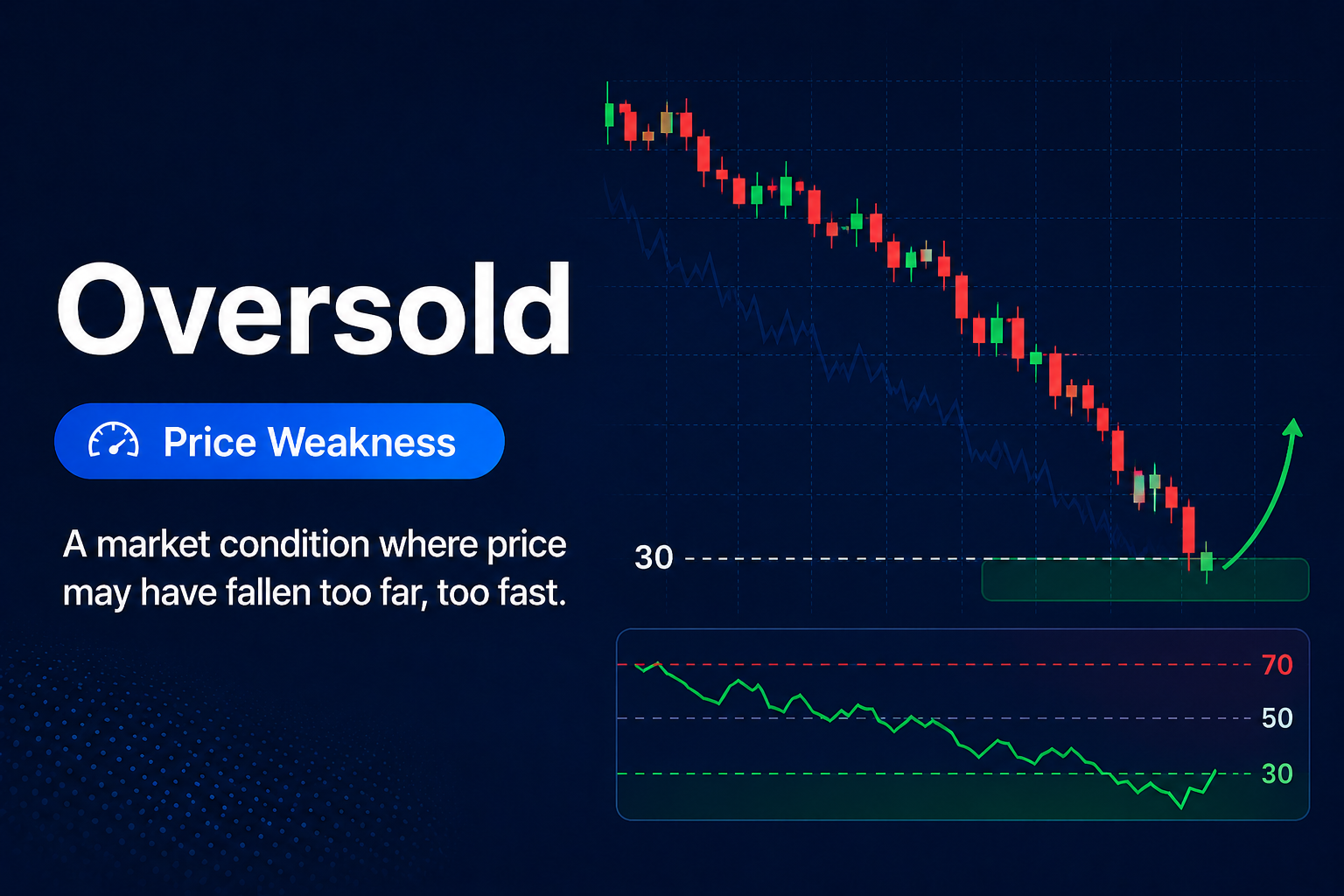
Traders usually identify oversold conditions using technical indicators.
Common indicators include:
Relative Strength Index (RSI)
Commodity Channel Index (CCI)
Moving averages
The most common example is RSI. When RSI falls below 30, traders often describe the market as oversold.
For example, if a stock falls sharply for several days and RSI drops below 30, traders may say the stock is oversold. This means selling momentum has been strong, but it does not prove that the price will rebound.
Oversold signals that selling pressure has been strong and the price may be stretched to the downside.
This can help traders avoid selling too late after a large move lower. If the price has already dropped quickly, entering a short position too late may increase the risk of being caught in a short-term bounce.
Oversold conditions may also tell traders to watch for signs of weakening selling momentum, such as bullish divergence, price rejection near support, slowing downside movement, or a break above short-term resistance.
The main idea is not to buy immediately. The main idea is to become more careful and wait for confirmation.
In a strong downtrend, a market can stay oversold for a long time.
This is one of the biggest lessons for beginners. A weak stock, index, currency pair, or commodity can keep falling even after an indicator says it is oversold.
For example, if sellers are reacting to weak earnings, bad economic news, sector pressure, or a market sell-off, the price may continue lower while the RSI stays below 30.
In this situation, oversold may show strong selling momentum rather than an immediate reversal. Buying too early just because the market is oversold can cause traders to catch a falling price.
Oversold signals can behave differently when the price is moving sideways.
In a range market, the price often moves between support and resistance. If price becomes oversold near support, traders may watch for signs that sellers are losing strength.
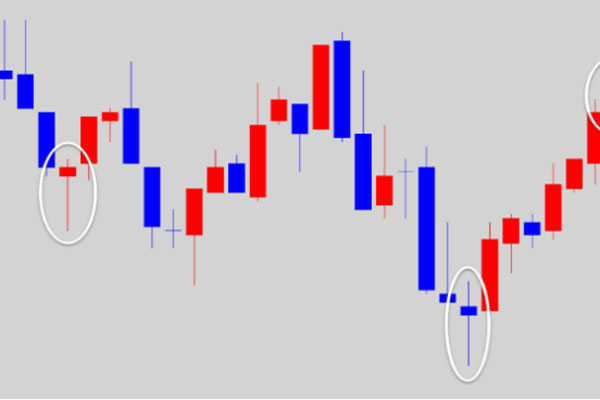
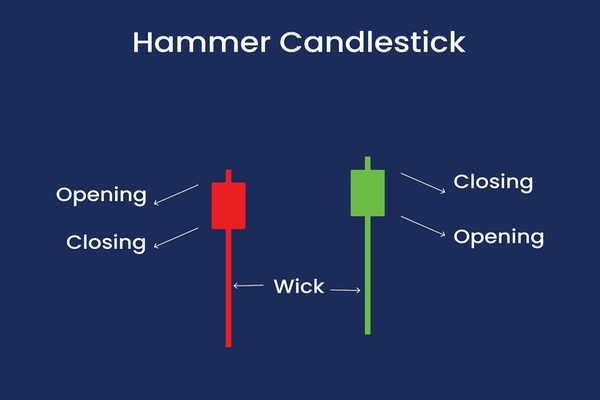
This may include bullish candles, rejection wicks, bullish divergence, rising volume on a rebound, or failure to break below support.
In a range market, oversold conditions may be more useful as a warning of a possible bounce. Even then, traders should still wait for confirmation before entering a trade.
Oversold and undervalued are not the same thing.
Oversold is a technical condition. It usually describes a strong recent price movement to the downside.
Undervalued is a fundamental condition. It means an asset may be cheap compared with its earnings, cash flow, growth, or fair value.
An asset can be oversold without being undervalued. It can also be undervalued without being oversold.
For example, a stock may fall quickly after bad news and become oversold in the short term. That does not automatically mean the company is fundamentally cheap or a good investment.
A common mistake is thinking oversold means “buy now.” This can be dangerous because weak markets can stay oversold longer than expected.
Another mistake is relying on a single indicator. A market reaching an oversold level should be checked with trend direction, support and resistance, price action, volume, and risk management.
Beginners may also confuse oversold with undervalued. Oversold is about recent price momentum, while undervalued is about whether the asset is cheap based on fundamentals.
A final mistake is entering against the trend too early. In a strong downtrend, oversold conditions may indicate seller strength rather than an immediate buying opportunity.
Relative Strength Index (RSI): A momentum indicator often used to identify overbought and oversold conditions.
Overbought: A market condition where the price has risen strongly and may be stretched to the upside.
Technical Analysis: The study of price charts, patterns, and indicators to understand market movement.
Momentum Indicator: A tool that measures the speed and strength of price movement.
Support Level: A price area where buying interest may appear and slow a decline.
Risk Management: The process of controlling possible losses before and during a trade.
Oversold means an asset has fallen sharply in recent periods and may be stretched to the downside. It suggests selling momentum has been strong, but it does not guarantee an immediate rebound.
No. Oversold is not an automatic buy signal. In strong downtrends, the price can remain oversold even as it continues to fall. Traders should wait for confirmation before making a decision.
Traders often use indicators such as RSI, Stochastic Oscillator, CCI, Bollinger Bands, or moving averages. For RSI, a reading below 30 is commonly viewed as oversold.
Oversold is based on recent price momentum. Undervalued is based on fundamental value. An asset can be oversold in the short term without being fundamentally cheap.
Oversold means an asset has experienced strong selling pressure and may be trading at a stretched level. Traders often use indicators such as RSI to identify oversold conditions.
For beginner traders, oversold should be treated as a caution signal, not a buy button. It tells traders to watch the market more carefully after a strong fall, but the price still needs confirmation before a rebound can be trusted.