How the Fed’s 29 July decision, policy statement, Treasury yields, and major tech earnings could shape the Nasdaq 100, and the risks traders should watch.
At the April Fed meeting, rates held at 3.75% with little chance of change. Powell may hold his last press conference; Warsh favors trimmed-average inflation.
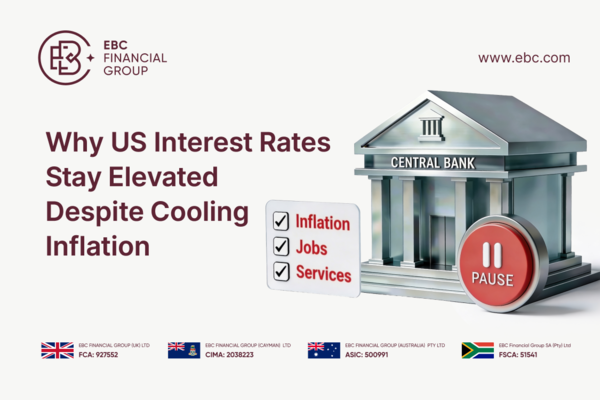
Inflation has cooled, but the Fed is holding rates to avoid a second wave, finish the last mile, and stop markets easing too soon. Watch cut expectations.
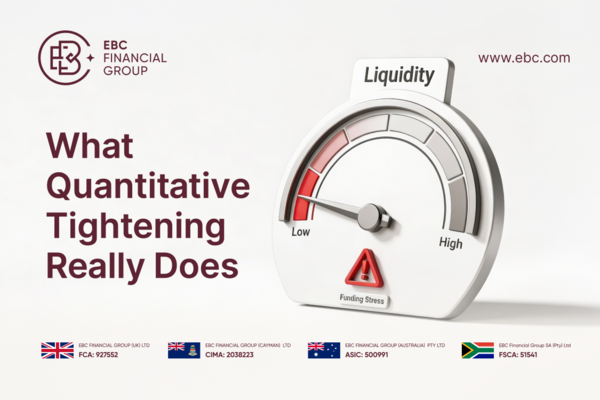
Quantitative tightening impacts money availability, not just price. As liquidity buffers drain, markets face higher volatility and faster stress transmission.
The Fed is expected to keep rates at 3.75%; investors watch Powell's remarks. Weak hiring and higher oil may complicate policy, but changes are unlikely.
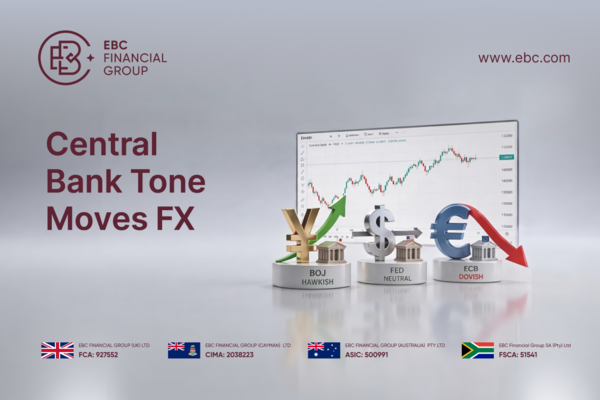
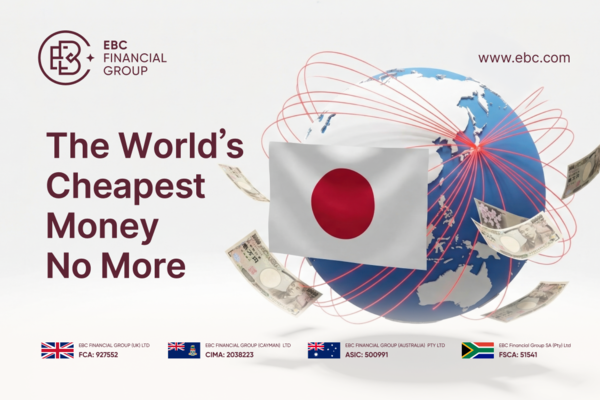
Japan’s rate rise ends the cheap-yen era, nudging investors to rebalance, lifting global yields and volatility worldwide via hedging costs and carry unwinds.
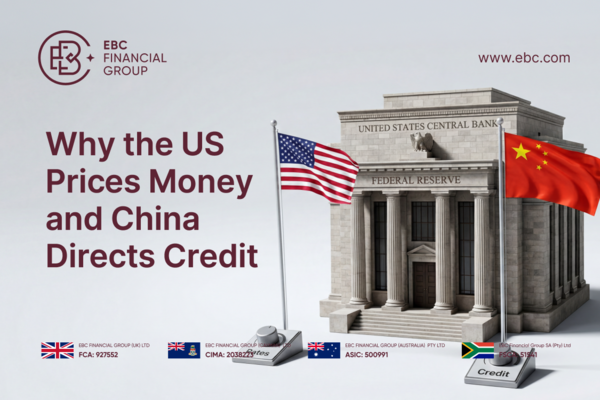
The Fed acts as the global price setter for money via rates, while the PBOC directs credit allocation and growth through targeted tools and state-led policies.
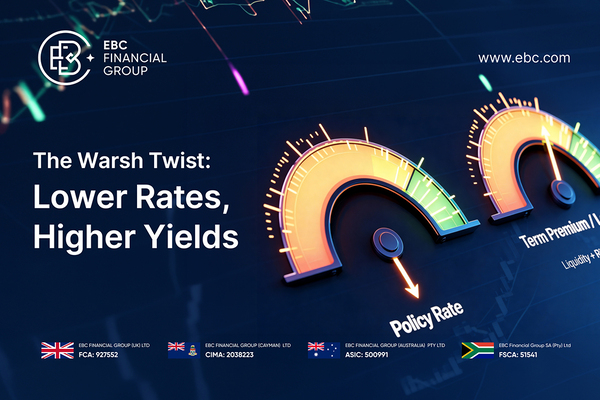
Expectations for a December Fed rate cut are rising despite officials' divisions. Powell says the move isn't assured, but markets still expect easing before 2026.