Published on: 2026-07-06
Updated on: 2026-07-06
South Korea began nearly round-the-clock USD/KRW spot trading on 6 July 2026, after a pilot phase that started on 29 June. [1][3]
The reform lets global investors, exporters and importers trade the won at live Seoul rates through every major session, as part of Korea’s roadmap to improve market accessibility for MSCI review. [3][4]
Continuous access, backed by a planned offshore won settlement network, may reduce reliance on the offshore non-deliverable forward (NDF) market and support real-time hedging. [3]
Longer hours do not remove volatility risk; officials have stressed close monitoring and market stability as access widens. [3][4]
South Korea launched 24-hour trading in the onshore dollar-won market on 6 July 2026, allowing USD/KRW to change hands almost continuously from 6 a.m. Monday to 6 a.m. Saturday Seoul time. [1][2]
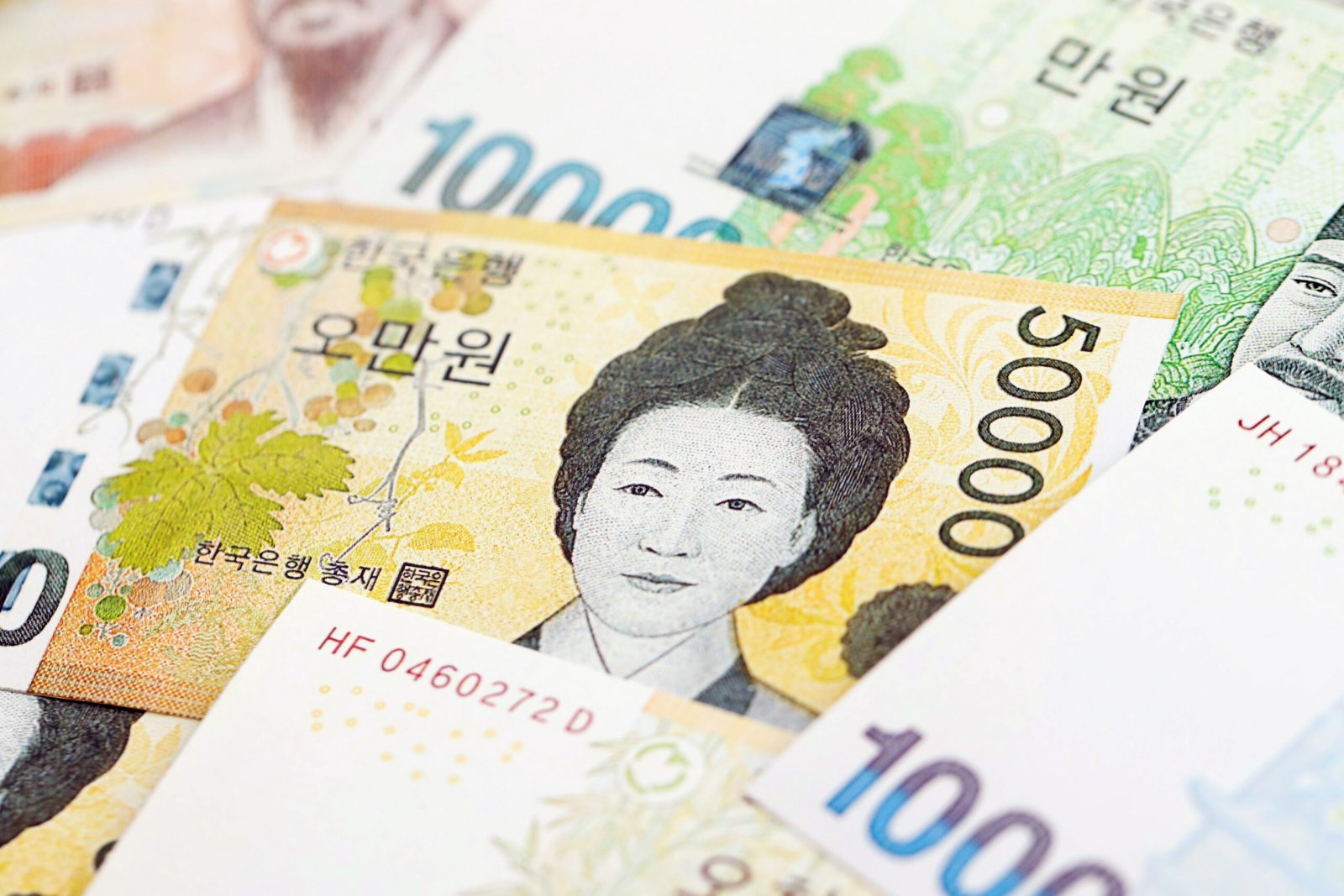 The reform opens the won to global investors across the Asian, European and US sessions, giving exporters, importers and funds real-time access to Seoul market rates. [4] For traders, the immediate questions are whether longer hours deepen liquidity or simply stretch volatility across more of the clock.
The onshore spot dollar-won market opened at 6 a.m. Seoul time on Monday, 6 July, and now trades uninterrupted until 6 a.m. Saturday, having run only on weekdays with an overnight close under the previous system. [1]
The launch followed a pilot phase that began on 29 June to stress-test systems before full-scale trading. [3] The new window lets participants react to overnight moves in US yields, equities or risk sentiment in the won itself rather than waiting for the next Seoul session.
Deputy Prime Minister and Finance Minister Koo Yun Cheol visited Hana Bank’s dealing room in central Seoul for the launch, framing the shift as a step toward a more internationally accessible won. [2]
The government has presented the move as one piece of a wider push to modernise the FX market and draw stable, long-term foreign capital. [4]
The reform is built around widening foreign access to the won. Seoul has spent years seeking an upgrade from MSCI emerging-market status to developed-market status, a review in which limited currency accessibility has been a recurring obstacle. [6]
The 24-hour market sits inside a comprehensive roadmap announced in January to improve FX and capital-market accessibility for that review; authorities said 25 of 39 roadmap tasks, or 64%, had been completed by late May, with more scheduled for the first half of the year. [3]
The launch supports those accessibility efforts rather than guaranteeing any reclassification, which remains a separate MSCI decision. [3][6]
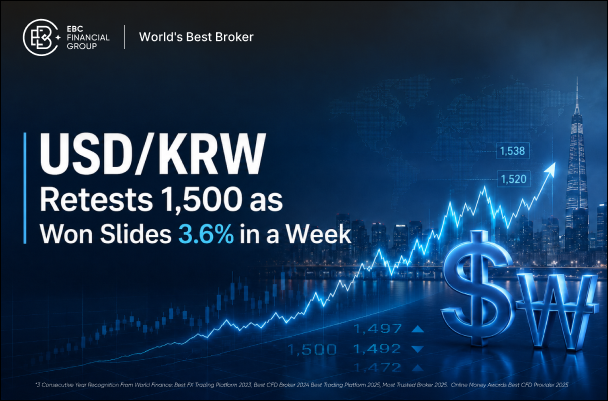
The backdrop is still sensitive. The won closed near 1,530 per dollar on the day of the launch, according to the ministry’s daily indicators [5], and Korea’s FX authorities have continued to stress market stability while advancing both 24-hour trading and the offshore won settlement network, a sign that widening access and managing volatility are being pursued together. [3][4]
Continuous trading changes how price discovery works in the pair. Instead of gapping between sessions, USD/KRW can now absorb news in real time, which over time may tighten spreads and smooth some of the jumps that followed the old close.
Traders who read the pair through forex technical analysis will be watching whether intraday ranges and overnight behaviour settle into cleaner patterns or stay choppy.
The early test is liquidity. Deeper participation across global hours would support tighter pricing, but if activity in the small hours stays thin, spreads can widen and single orders can move the rate more than usual.
The result that matters is not longer hours in themselves, rather whether those hours attract enough volume to make the extra window genuinely tradable.
For Korean companies with dollar revenues or costs, the practical gain is timing. A firm that learns of a large overnight move in US markets can now hedge in the onshore won market immediately, rather than waiting for Seoul to reopen. That real-time flexibility is a benefit officials have emphasised for exporters and importers. [4]
Much of the offshore hedging and speculative activity in the won has run through non-deliverable forwards. An NDF is an offshore derivative used to hedge or trade a currency when direct access to the home market is restricted, settled in dollars rather than in the currency itself.
Alongside the extended hours, the government finalised measures to ease registration and reporting for Registered Foreign Institutions and to make their won accounts more usable, changes aimed at drawing more foreign participation into nighttime trading. [3]
Combined with an offshore won settlement network targeted for full operation in January 2027, those steps give global players a reason to shift some activity onshore, which could gradually reduce reliance on the NDF market. [3]
Several forces will shape the pair beyond the reform itself. The broad direction of the US dollar and moves in US Treasury yields remain the dominant external drivers, since shifts in US rate expectations tend to set the tone for Asian currencies. A firmer dollar or higher yields typically pressure the won, while the reverse can support it.
Domestically, Bank of Korea policy, with the base rate at 2.5% going into the launch [5], and any signals on intervention will matter, as will foreign equity flows into and out of Korean stocks, which move the won through the capital account.
Exporter hedging patterns and global risk sentiment round out the list, and the interaction between continuous trading and these drivers is what the market will be reading in the weeks ahead.
It is South Korea’s new system, live from 6 July 2026, that lets the onshore dollar-won spot market trade almost continuously from 6 a.m. Monday to 6 a.m. Saturday Seoul time, instead of running only on weekdays with an overnight close. [1][2]
To widen foreign access to the won, support real-time hedging for exporters and importers, and advance its roadmap to improve market accessibility for MSCI developed-market review, where currency access had been a recurring obstacle. [3][6]
Not necessarily. Longer hours can improve price discovery and reduce session gaps, but thin off-peak liquidity may widen spreads and produce sharp moves, which is why authorities have stressed close monitoring and market stability. [3]
The launch marks one of the most significant changes to Korea’s FX market in years, making the won easier to trade across global sessions and aligning the market’s infrastructure with the country’s push for wider international recognition. The direction of travel is clear even if the destination, including any MSCI decision, is not yet settled. [3][6]
What remains unproven is the payoff. Korea has made the won more accessible, but the market still has to show whether longer access delivers deeper liquidity or simply spreads volatility more evenly across the clock. Currency movements are uncertain and this article is for information only, not trading advice.