Published on: 2026-04-14
Updated on: 2026-04-14
Once upon a time, what we are seeing today would be a great time for precious metals: oil prices have climbed above $110 a barrel. The Strait of Hormuz, a key energy route, is facing heavy restrictions. Normally, about a fifth of the world’s oil and gas passes through the narrow waterway. In a typical market cycle, the combination of war risk, rising energy costs, and renewed inflation fears would usually push gold and silver much higher.
But 2026 has played out differently. Gold stayed steady, but it hasn’t acted like a market in panic. Reuters reported on 7 April that spot gold slipped slightly, even as oil traded above $110, as traders remained cautious ahead of the latest Iran deadline and weighed the risk of high US rates. Silver has been even less stable.
Inflation risk has returned because of energy prices, but the Federal Reserve is not rushing to make things easier. On 18 March, the Fed kept interest rates at 3.5% to 3.75%, said inflation is still somewhat high, and noted that events in the Middle East remain uncertain. Gold and silver are reacting to fear while also dealing with tight policy, persistent real yields, and a US dollar that can still attract support when markets get nervous.
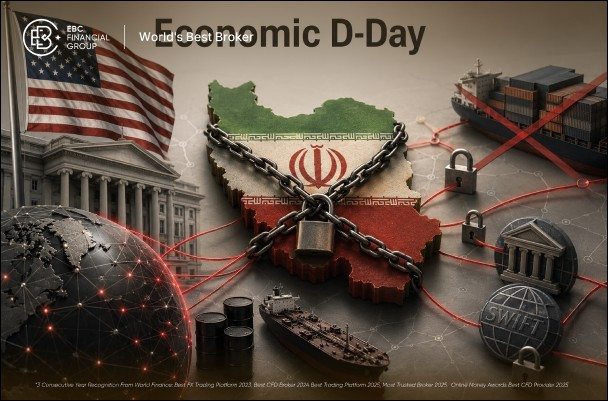
The Strait of Hormuz is more than just another trouble spot. It’s a narrow passage connecting Gulf energy producers to the world. When it’s disrupted like it is now, crude oil prices, shipping insurance, transport costs, and supply chain confidence all take a hit at once. Reuters reported that Brent crude jumped 60% in March as restrictions tightened and exports from several Gulf countries dropped sharply. Iraq and Kuwait were especially affected since they don’t have the alternative routes that Saudi Arabia does.
The Strait however isn’t completely closed. Some ships are still getting through, especially those without US or Israeli ties. Reuters reported that a Petronas-chartered tanker with Iraqi crude made it through, and vessels linked to Oman, France, Japan, and Malaysia have also crossed recently. The United Nations Security Council has since voted on the issue, but China and Russia vetoed the resolution.
Traders have been factoring in the risk that access could stay limited, insurance costs could remain high, and energy flows could be disrupted by new political events. On the other hand, two Qatari liquefied natural gas (LNG) tankers were stopped after being cleared earlier. So, it’s not just about oil anymore, now that LNG is involved.
At first glance, gold seems like an obvious choice. When there’s geopolitical stress, investors often turn to assets they think will hold their value if confidence in the system drops. Rising oil prices add to this by bringing back inflation concerns. If energy stays expensive for a while, traders worry that inflation will slow down more slowly than expected. In these situations, precious metals usually look appealing.
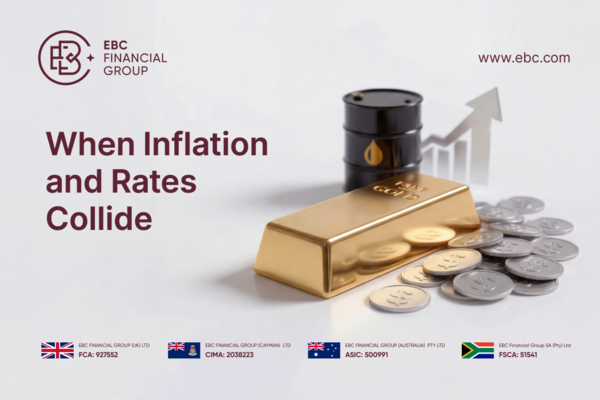
But there’s a catch. Higher oil prices don’t just create fear. They also make central banks more cautious. If energy costs push inflation up again, markets may have to accept higher interest rates for longer. The Institute for Supply Management’s prices-paid measure for US services jumped the most in over 13 years, with businesses blaming fuel costs and shipping issues around the Strait of Hormuz. The same report said the conflict has made a rate cut this year much less likely. This is the collision the article’s title refers to: inflation and interest rates are moving in opposite directions, complicating the metals trade.
The International Monetary Fund sees things in a similar way. Managing Director Kristalina Georgieva told Reuters on 6 April that the war would bring higher inflation and slower global growth. Even if the conflict ends soon, the Fund still expects to raise its inflation outlook and lower its growth forecasts in the next World Economic Outlook. This is a tough situation for markets. On one hand, it supports hard assets, but it also makes investors more cautious about policy and weaker demand.
It’s not enough for inflation to rise or for markets to get nervous. What really matters for gold is whether financial conditions are getting easier or staying tight. That’s why real yields are so important. A real yield is what an investor earns after accounting for inflation. When investors can get a good inflation-adjusted return from bonds or cash, gold has a harder time competing since it doesn’t pay any income.
This is also why calling gold an “inflation hedge” can be misleading if used too loosely. Gold usually does best when there are inflation worries and the market expects policy to become easier, the US dollar to weaken, or real yields to fall. If inflation goes up but the Federal Reserve stays strict, gold might not get as much support as people expect. The March Federal Open Market Committee statement reflects this: the committee kept rates steady, said inflation is still somewhat high, and highlighted uncertainty in the Middle East. That doesn’t sound like a central bank in a hurry to ease policy.
This helps explain why gold hasn’t jumped on every war headline. Expectations for high US rates are limiting gold’s appeal as an asset that doesn’t pay interest, even with oil above $110. Geopolitical risks are still very much in view, but the market is balancing them against a policy environment that makes holding metals costly.
The US dollar is another key factor. During times of stress, the US still attracts safe-haven money, especially when its interest rates are high. The dollar remained strong as investors awaited news on Iran and the Strait of Hormuz. A stronger US Dollar Index (DXY) can still weigh on metals, even when the broader story appears supportive. Gold and silver might have good reasons to rise, but they still have to compete in a world where the dollar is often the safest bet.
This is also where gold and silver start to differ. Gold is usually the better hedge when people lose trust in policy, currencies, or the broader system. Silver has some of that appeal too, but it’s also tied closely to industry. That means it’s more affected by the outlook for economic growth. If the oil shock leads to recession worries instead of just inflation fears, silver can feel the pressure faster than gold. So, the same big event can help one metal more than the other.
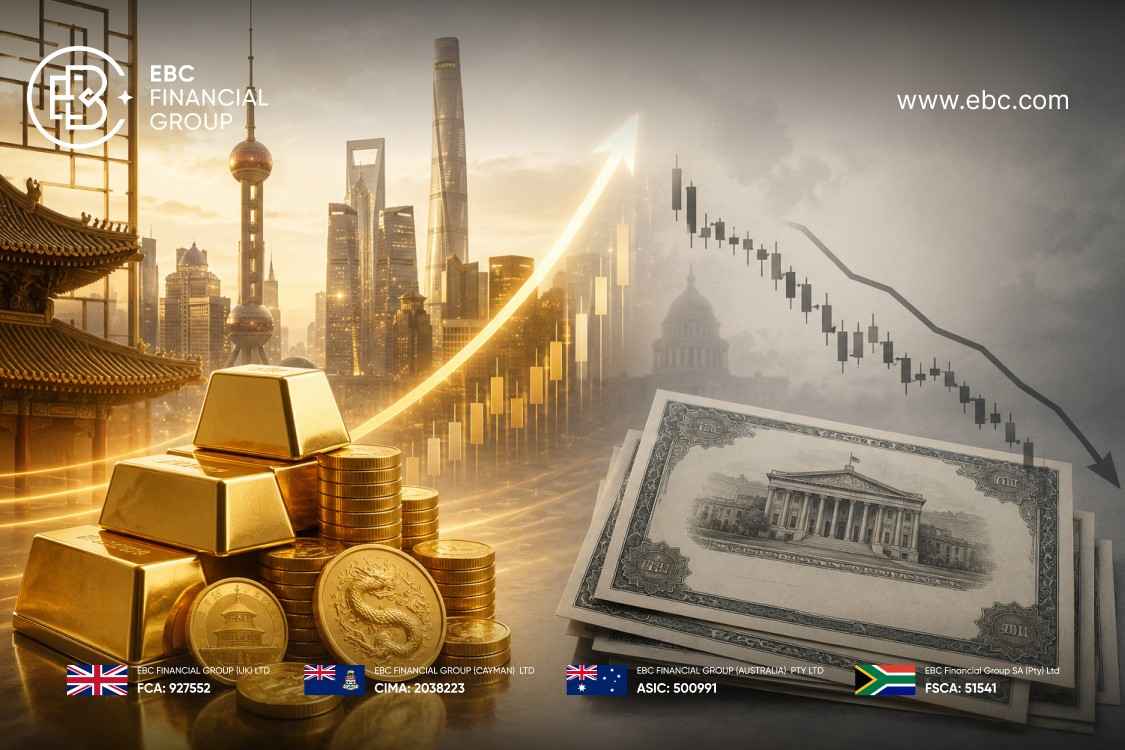
Gold may still have strong long-term support. The World Gold Council said total gold demand in 2025, including over-the-counter demand, topped 5,000 tonnes for the first time. Global gold ETF holdings also grew by 801 tonnes, making 2025 the second-best year ever for ETF inflows. Bar and coin demand hit a 12-year high. This shows that support for gold goes beyond just war-related fear. It reflects reserve diversification, stronger investment demand, and worries about the long-term value of paper currencies.
That does not mean gold is easy to trade right now. It means the longer-term support remains in place, even if short-term price moves remain uneven. Gold can still fall when real yields rise, or the dollar strengthens, but it remains the clearest hedge when confidence in policy or the broader market starts to weaken. In today’s market, gold also has a clearer role than silver. It is not immune to high interest rates, but it depends less on a strong global growth outlook.
Silver also has a strong story, but it’s less straightforward. The Silver Institute expects the silver market to be in deficit in 2026 for the sixth consecutive year, with a shortfall of 67 million ounces. The market will continue to rely on releasing bullion from above-ground inventories, which puts additional pressure on an already tight market. This is a big support factor, but it also means silver doesn’t have the same structural case as gold.
Still, silver isn’t just gold with more potential gains. It’s more volatile, more sensitive to industrial demand, and more exposed to changes in growth expectations. If people start to worry that higher energy costs will hurt manufacturing, trade, and consumption, silver can drop even if gold stays strong. That’s why silver can offer more upside when things go right, but also more risk when the economic outlook gets worse.
Bitcoin often comes up in these conversations because it’s also considered scarce. That comparison makes sense to a point, but it only goes so far. Gold usually reacts more directly to policy stress, reserve demand, and real-yield expectations. Bitcoin is more influenced by liquidity and risk appetite. Over time, it can benefit from distrust in fiat currencies, but in daily trading, it’s a different kind of asset. In this context, Bitcoin is better used as a contrast rather than as part of the main metals case. This view is based on current market behaviour, not a single source.
It’s important to be clear about what could weaken this argument. The first risk is de-escalation. If the Strait of Hormuz opens and oil prices fall, one part of the inflation story loses strength. The second risk is the Federal Reserve staying strict for longer than expected. If real yields don’t drop, gold still faces a real cost. The third risk is a stronger dollar, which can weigh on metals even if geopolitical tensions remain high.
For silver, there’s another factor. If the market shifts from worrying about inflation to worrying about recession, silver’s industrial ties become a problem. A tight physical market can still help the long-term case, but it doesn’t guarantee steady short-term prices. Silver often looks more attractive than gold early on, but it can become more vulnerable as growth concerns build.
It could be beneficial to keep an eye on Brent crude prices and updates about the Strait of Hormuz. Watch US 10-year real yields to see if investors expect policy to ease later this year. Take a look at the DXY, since a strong dollar can limit metals even when fear is high. Listen to what the Federal Reserve says about inflation and energy. Also, notice if silver starts to outperform or lag behind gold. This often shows whether markets expect reflation, a slowdown, or just more stress.
Some market participants continue to see a rationale for holding precious metals in 2026, though this depends heavily on inflation, interest rates, and geopolitical developments. Higher oil prices and geopolitical stress can help gold and silver, but only to a certain extent. If these shocks keep interest rates high, strengthen the dollar, or prevent real yields from falling, trading metals gets tougher.
Gold is still the clearer hedge in this environment. Silver can offer more upside when things line up, but it’s also more fragile if growth slows down.
Disclaimer & Citation
This material is for information only and does not constitute a recommendation or advice from EBC Financial Group and all its entities (“EBC”). Trading Forex and Contracts for Difference (CFDs) on margin carries a high level of risk and may not be suitable for all investors. Losses can exceed your deposits. Before trading, you should carefully consider your trading objectives, level of experience, and risk appetite, and consult an independent financial advisor if necessary. Statistics or past investment performance are not a guarantee of future performance. EBC is not liable for any damages arising from reliance on this information.