Published on: 2026-04-06
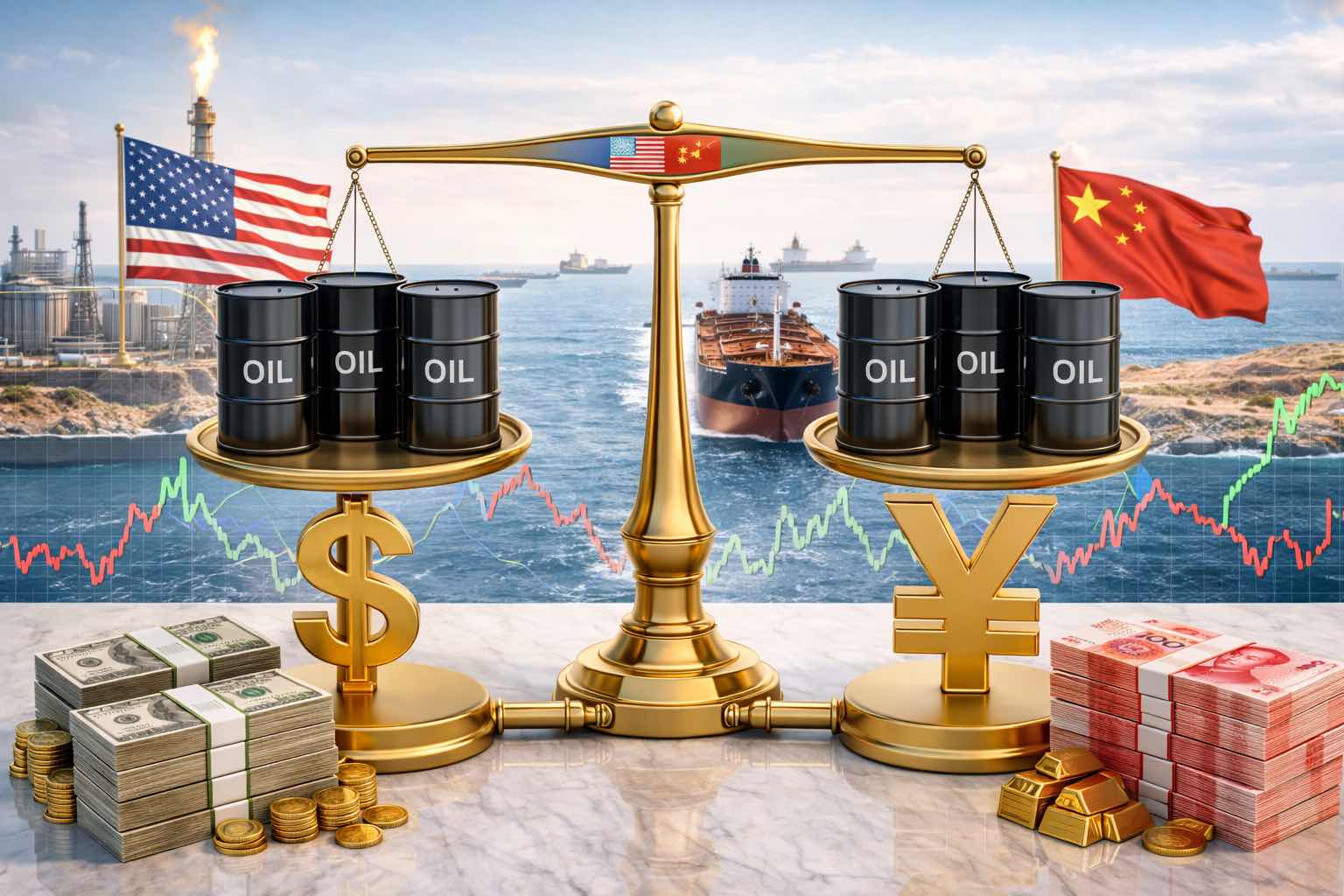
Iran is conditioning tanker passage through the Strait of Hormuz on yuan settlement, creating the first operational petroyuan corridor in history.
Saudi Arabia chose not to renew its exclusive dollar-pricing commitment in June 2024 and has built the technical infrastructure for yuan settlement through a $7 billion currency swap with China and the mBridge payment platform.
The dollar’s share of global foreign exchange reserves has fallen to roughly 57%, its lowest level since 1994, down from 71% at the start of 1999.
The dollar is not losing its throne to the yuan. But for the first time in 50 years, it is no longer the only currency in the room when oil changes hands. A system that once had no alternative now has several.
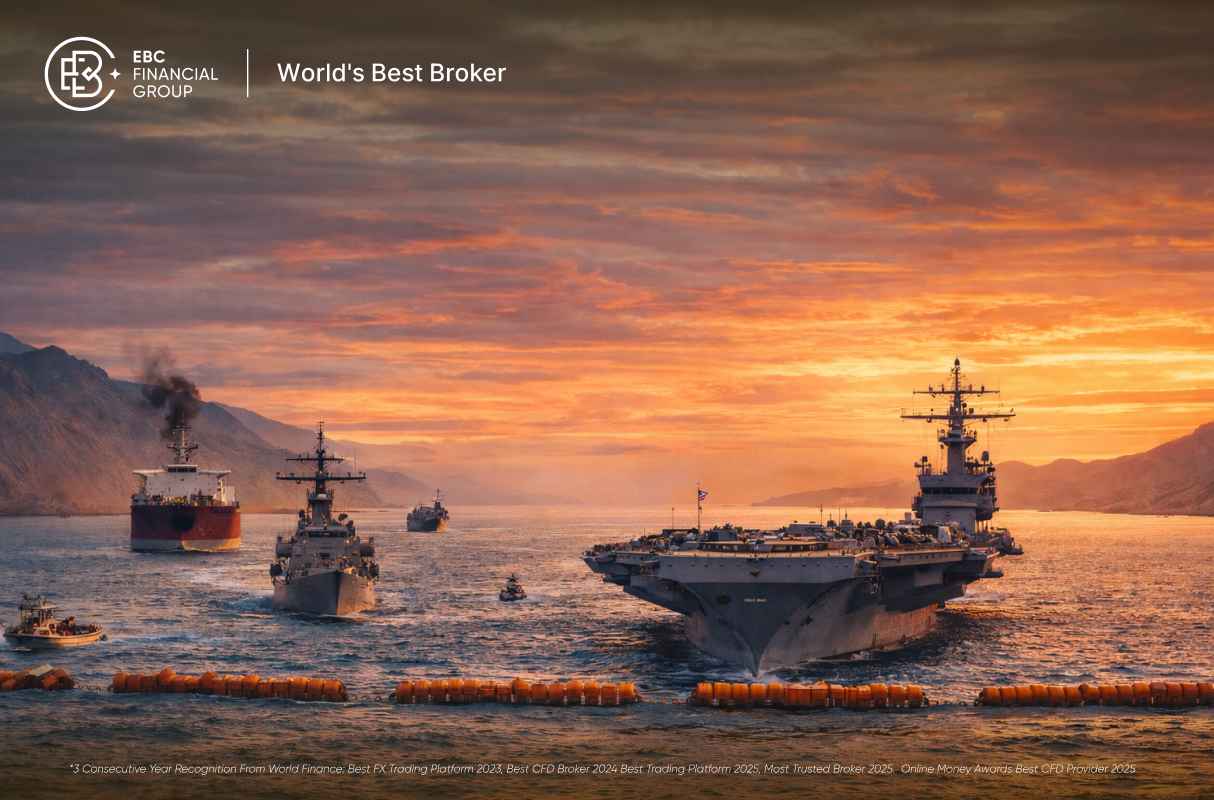
Everyone watching the Strait of Hormuz is focused on barrels: how many are getting through, how many are blocked, and what it means for crude prices.
But the more consequential development has nothing to do with oil volume. It has to do with the currency it is priced in.
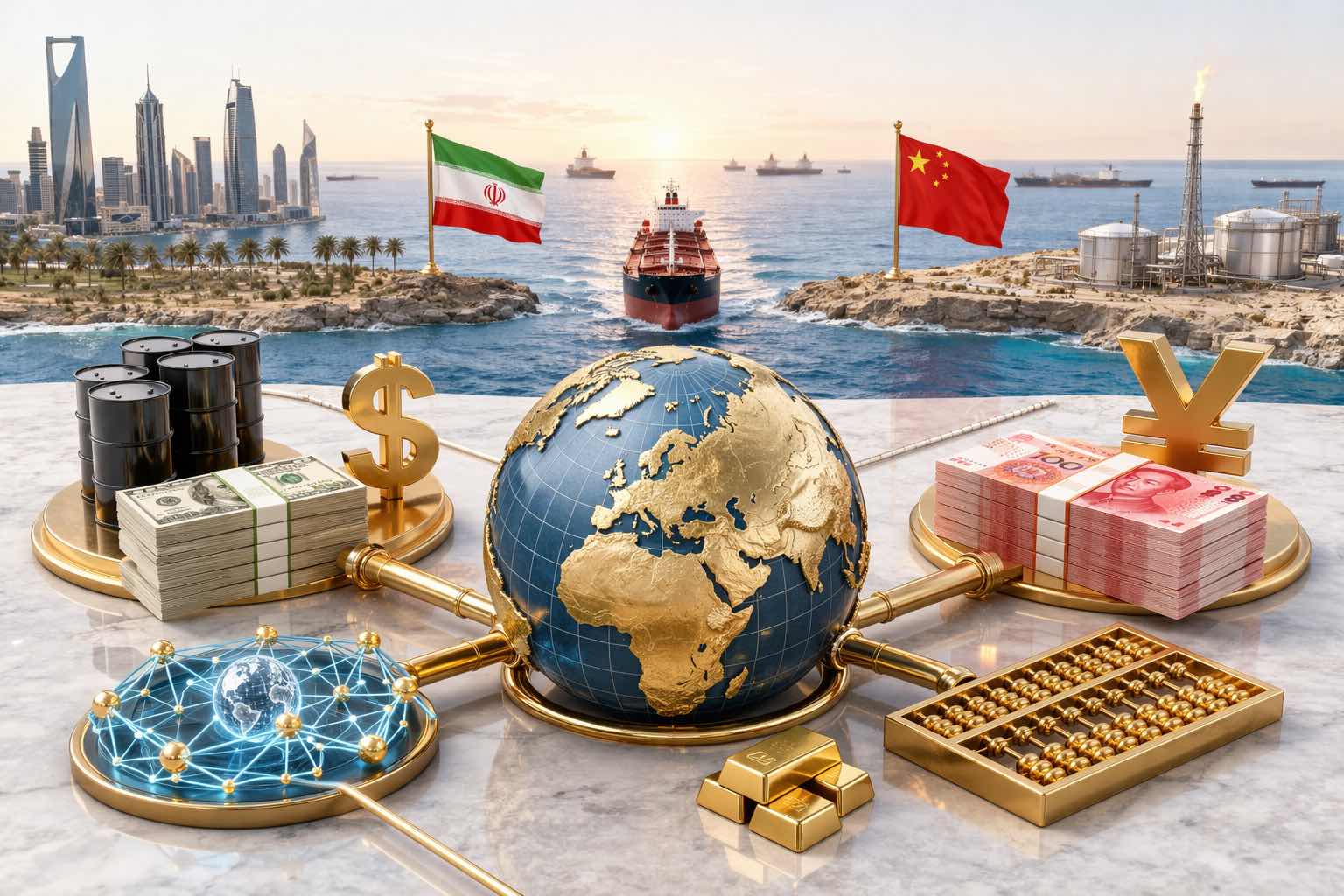
Iran is not just disrupting oil supply. It is challenging the currency architecture that has governed global energy trade for over 50 years, and the war is accelerating forces that were already in motion long before the first strike.
From 1974, Saudi Arabia began pricing its oil in U.S. dollars and recycling surplus revenues into American Treasury securities, supported by U.S. security assurances, an arrangement that solidified into a system over subsequent years.
That arrangement created a self-reinforcing loop: because the world needed oil, it needed dollars, and because it needed dollars, it needed Treasuries.
Deutsche Bank analysts noted that the dollar’s dominance in cross-border trade is arguably built on this petrodollar foundation, since oil is a core input to global manufacturing and transportation. For 50 years, this system held through every crisis. It is now facing its most direct challenge.
In June 2024, Saudi Arabia chose not to formally renew its exclusive commitment to dollar-priced oil. The Kingdom has since built technical infrastructure for yuan settlement, including a $7 billion currency swap with China and participation in the mBridge digital payment platform, which processed over $55 billion in transactions by November 2025.
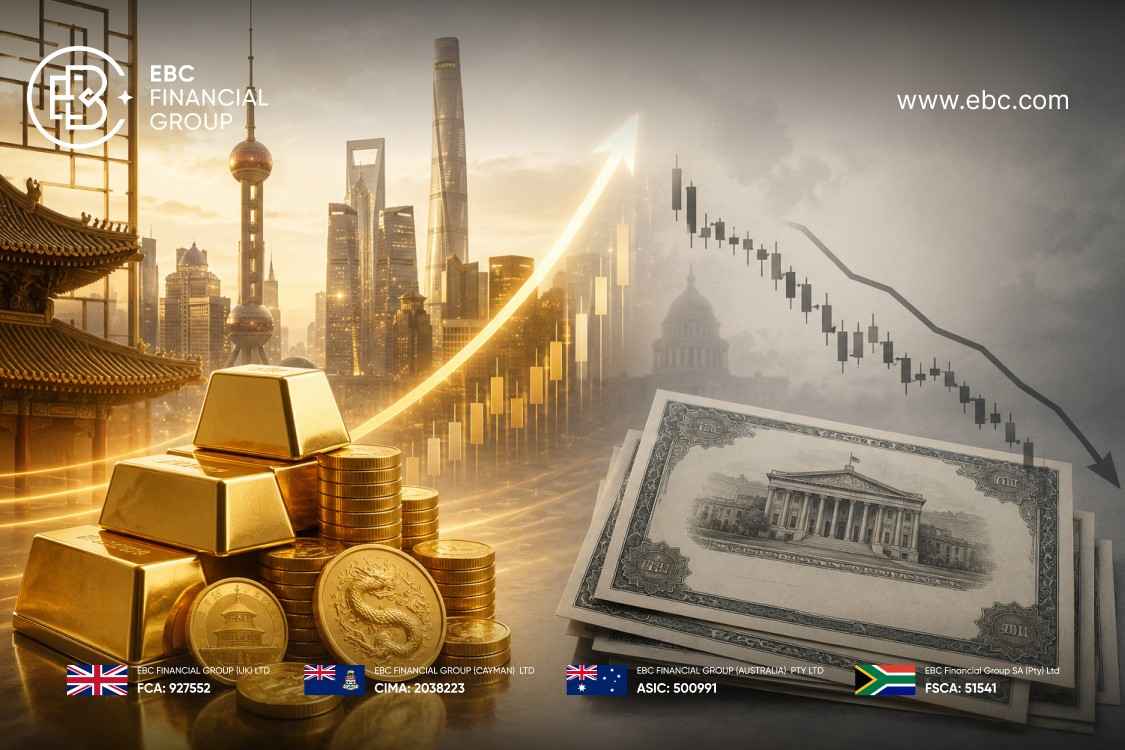
This shift reflects a basic economic reality: China displaced the United States as Saudi Arabia’s largest oil customer. The economic gravity pointed toward yuan while the currency arrangement pointed toward dollars.
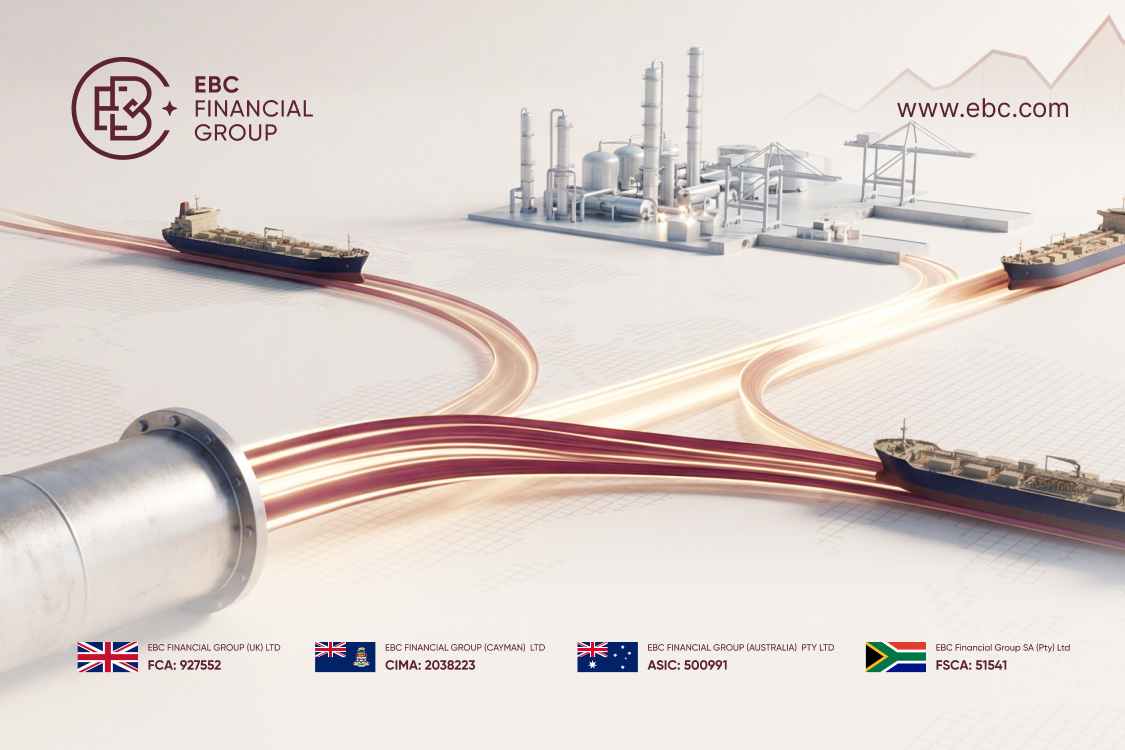
According to CNN, a senior Iranian official said that Iran is considering allowing limited tanker passage through the Strait of Hormuz on the condition that cargo is settled in Chinese yuan. Chinese tankers have reportedly been moving freely through the Strait while Western-linked vessels are blocked.
This is qualitatively different from previous de-dollarization moves. It is the use of military control over the world’s most important energy chokepoint to force a real-time currency shift.
The dollar’s share of global foreign exchange reserves has been sliding for over two decades. IMF COFER data shows the share fell from 71% in 1999 to roughly 57% by Q3 2025, the lowest level since 1994.
The yuan accounts for under 2% of global reserves, meaning central banks are diversifying into a broader range of currencies and gold rather than shifting to any single alternative.
This distinction matters enormously for traders. The dollar surged to 2026 highs when the war began, driven by safe-haven demand. In the short term, geopolitical stress still drives capital toward the greenback.
The structural story is different. What is happening is fragmentation: parallel settlement systems that allow portions of global trade to bypass the dollar without replacing it entirely.
Russia already sells energy to China in yuan, India has experimented with alternative payment arrangements, and the mBridge platform gives Gulf states a pathway to settle trades in digital yuan.
The dollar still accounts for approximately 89% of all foreign exchange transactions, according to the BIS. U.S. capital markets remain the deepest and most liquid in the world.
But the system is fracturing, and in a fractured system, the dollar does not need to collapse for traders to lose money on the wrong side of a currency pair.
The petroyuan corridor creates structural demand for yuan in energy trade that did not exist before. Every barrel settled in yuan is a barrel that did not generate dollar demand. Over time, this reduces the natural bid under the dollar that the petrodollar system created.
Watch the USD/CNY pair and the offshore yuan (CNH) for signs of sustained strength beyond what interest rate differentials would explain.
Also monitor Gulf currency pegs, particularly the Saudi riyal, since any move by Riyadh to widen its peg band or rebalance toward a yuan component would be a seismic signal.
A bifurcated oil market is emerging: yuan-denominated barrels flowing through Hormuz for willing buyers, dollar-denominated barrels rerouted at a higher cost for everyone else.
This creates a structural “war premium” for dollar-priced oil and a “safety discount” for yuan-priced oil. Commodity traders need to track both price streams, not just the Brent and WTI benchmarks that dominate Western screens.
Gulf states have historically recycled oil revenues into U.S. Treasuries, but if a growing share of oil trade settles in yuan, those surpluses get recycled into Chinese government bonds instead.
Combined with Asian central banks already selling Treasuries to defend their currencies, this creates a sustained headwind for U.S. bond prices. The petroyuan corridor feeds directly into the rising yield story.
The petrodollar system originated in 1974, when Saudi Arabia agreed to price oil exclusively in U.S. dollars and to invest its surpluses in U.S. assets. This created permanent global demand for dollars and underpinned the currency’s reserve status for 50 years.
The petroyuan refers to oil transactions settled in Chinese yuan rather than U.S. dollars. China launched yuan-denominated oil futures in 2018, and Iran’s Hormuz yuan condition has created the first operational petroyuan corridor.
The dollar’s reserve share has fallen from 71% to roughly 57% since 1999, but it still dominates global reserves. This is gradual diversification, not a collapse. No single currency is positioned to replace the dollar.
Every barrel settled in yuan reduces structural dollar demand. Over time, this weakens the natural bid under the dollar that the petrodollar system created. Traders should watch USD/CNY, Gulf currency pegs, and Treasury flows for early signals.
Not entirely, but the era of exclusive dollar pricing is ending. A multipolar settlement system is emerging in which oil can be priced in dollars, yuan, or other currencies, depending on the buyer and seller. This fragmentation, not replacement, is the key trend.
The petrodollar system was never just about oil. It was the invisible architecture that made the dollar indispensable to every economy on earth, and what is happening now is not its sudden death but its slow fracture, accelerated by a war that exposed the contradiction between America’s security promises and the reality of who actually buys Gulf oil today.
For forex and commodity traders, the actionable insight is simple: stop thinking in terms of dollar strength or weakness and start thinking in terms of dollar fragmentation, because that is the trade that defines 2026 and beyond.
Disclaimer: This article is for informational purposes only and does not constitute financial advice. Always conduct your own research before making trading decisions.