Published on: 2026-04-08
Saudi Arabia’s Yanbu pipeline bypass is now operating at 7 million barrels per day. The UAE rerouted through Fujairah. These infrastructure shifts do not reverse with a ceasefire.
Shipping insurance premiums surged from 0.125% to over 10% of vessel value during the crisis. Post-war premiums will stabilize far above pre-war levels, permanently repricing global trade costs.
Governments worldwide have depleted strategic reserves, expanded deficits, and committed to multi-year defense spending that reshapes bond issuance calendars through 2030.
The war accelerated yuan settlement infrastructure, bilateral trade agreements that bypass the dollar, and central bank gold accumulation. None of these unwind with a ceasefire.
The war will end. The economy it created will not. Five weeks of conflict have redrawn how oil moves, how trade is insured, how governments fund themselves, and how nations settle payments.
Some of these changes were forced by the crisis. Most were already building beneath the surface. The economy that emerges from this crisis will carry structural scars that no ceasefire can reverse.
The World Economic Forum put it plainly: what begins as a battlefield shock hardens into a geoeconomic one. Insurance premiums rise, investment decisions are deferred, supply chains are rerouted, and trust in Gulf stability erodes. The longer the conflict runs, the more lasting the damage becomes.
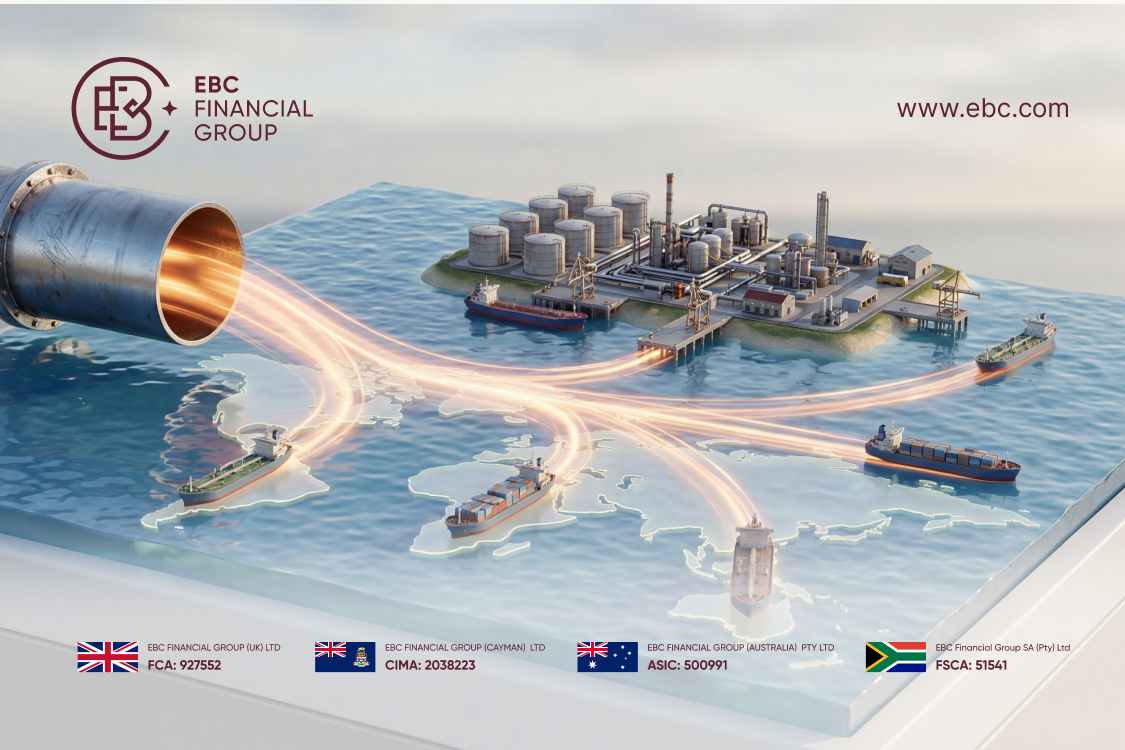
Saudi Arabia activated its East-West pipeline at full capacity of 7 million barrels per day, rerouting crude from the Gulf coast to the Red Sea port of Yanbu.
The UAE increased the capacity of its Abu Dhabi Crude Oil Pipeline to Fujairah to 1.6 million barrels per day. Together, these bypass routes now handle roughly 5.5 to 6 million barrels per day, compared with the 17 million that previously transited Hormuz.
This infrastructure was built as a contingency. It is now operating as the primary export capacity. The investment in expanding Yanbu terminal operations, securing Red Sea tanker routes, and building new allocation relationships with Asian buyers represents sunk costs that will not be abandoned even after Hormuz reopens.
Saudi Arabia has demonstrated it can serve customers without the Strait, and that changes the calculus for every future crisis.
The 1973 oil embargo drove France’s nuclear program, and the 1979 Iranian revolution drove Japan’s energy efficiency push. The 2026 crisis is producing the same response across Asia: the Philippines and Thailand have increased coal-fired power, Vietnam is negotiating coal contracts to conserve LNG, Indonesia is accelerating biodiesel blending, and Japan committed to releasing 80 million barrels from its reserves.
These are long-cycle investment decisions that do not reverse with a ceasefire.
Countries that experienced fuel rationing, grounded flights, and four-day work weeks will not return to the same energy mix. The capital being deployed now in renewables, nuclear capacity, and domestic production will reduce Asian oil import dependence for decades.
Before the war, shipping insurance premiums for Hormuz transit sat at 0.125% of vessel value. During the crisis, premiums surged above 10%, and several insurers withdrew coverage entirely. Post-war premiums will not return anywhere near pre-war levels.
The precedent has been set: Hormuz has been demonstrated as a chokepoint that can be closed for weeks, not just threatened. Industry analysts project post-war premiums stabilizing between 1% and 2% of vessel value, a permanent repricing that flows into the cost of every commodity shipped through the Gulf.
Charter rates to Yanbu doubled, tanker routes have been restructured around the Red Sea and Cape of Good Hope, and these longer routes add days and hundreds of thousands of dollars per voyage.
Governments worldwide responded to the crisis by depleting reserves, expanding subsidies, and committing to defense spending that will reshape public finances for years. These are not positions that snap back.
Japan released 80 million barrels from its strategic petroleum reserves, while the IEA coordinated a 400-million-barrel release across member countries.
The U.S. Strategic Petroleum Reserve is at 345 million barrels after drawdowns in 2022-2023 that were never replenished. Rebuilding these reserves at current prices will take years and hundreds of billions of dollars.
Indonesia’s fiscal deficit is on track to breach its 3% legal ceiling. Thailand and Vietnam have exhausted their fuel stabilization funds.
Germany’s fiscal stance is expected to be strongly expansionary in 2026. Defense spending commitments across NATO and Asia will generate bond issuance that crowds budgets through the end of the decade.
The IMF warned that “all roads lead to higher prices and slower growth.” The WTO estimates elevated energy prices could reduce 2026 global GDP growth by 0.3 percentage points.
Oxford Economics downgraded GCC growth by 1.8 percentage points. These forecasts assume the conflict ends, but the fiscal commitments remain regardless.
The war accelerated a reorganization of how nations settle trade, hold reserves, and manage currency risk. Iran’s yuan-for-Hormuz policy created the first operational petroyuan corridor, while Saudi Arabia’s mBridge participation and petrodollar non-renewal formalized infrastructure for yuan settlement.
Central banks bought over 1,200 tonnes of gold in 2025, the third consecutive year above 1,000 tonnes.
The dollar’s share of global reserves fell to roughly 57%, its lowest since 1994, reflecting a diversification trend the war intensified but did not create.
A ceasefire does not reverse the mBridge platform, the bilateral currency swap agreements, or the gold already sitting in central bank vaults. The financial plumbing has been permanently rerouted.
Chatham House analysis suggests that if the conflict is short-lived, the global GDP impact will be modest but unevenly distributed. The U.S., as the world’s largest oil producer with minimal Hormuz dependence, absorbs the shock better than Europe or Asia. The eurozone could contract in Q2 before flatlining.
Oxford Economics projects GCC oil sector catch-up growth of 18.2% in 2027, but tourism recovery will lag. Iran faces a 9.4% contraction in 2026. The countries that suffered the most acute fuel shortages will diversify fastest, permanently reducing their exposure to Gulf energy.
Prices will decline from crisis peaks, but a full return to the $60-$70 range is unlikely in the near term. Damaged infrastructure, higher insurance premiums, and depleted strategic reserves all support a higher structural floor.
The U.S. is best positioned due to domestic energy production and minimal Hormuz exposure. GCC oil sectors could rebound strongly in 2027. Europe and Asia face slower recoveries driven by import dependence and fiscal strain.
Even post-ceasefire, the demonstrated risk of closure will keep insurance premiums elevated. Analysts expect premiums to stabilize between 1% and 2% of vessel value, far above the 0.125% pre-war rate.
The OECD and IMF both project higher inflation across 2026 and into 2027. Energy costs, fertilizer shortages, and expanded fiscal deficits all contribute to persistent price pressures that outlast the conflict itself.
The infrastructure built during the crisis, including yuan settlement corridors, mBridge integration, and accelerated gold accumulation, does not unwind with a ceasefire. The dollar remains dominant, but the system is more fragmented than before.
Every major oil shock in history produced a policy response that outlasted the crisis itself: the 1973 embargo built France’s nuclear fleet, the 1979 revolution rewired Japan’s energy efficiency, and the 2026 Hormuz crisis is already generating its own permanent responses in pipeline rerouting, reserve diversification, yuan settlement infrastructure, and defense spending commitments.
These structural shifts will shape fiscal and monetary policy through the end of the decade. The war will end, but the economy it leaves behind will not look like the one it interrupted.
Disclaimer: This article is for informational purposes only and does not constitute financial advice. Always conduct your own research before making trading decisions.