Published on: 2026-07-01
Updated on: 2026-07-01
The S&P 500 rose 14.9% in Q2, its best quarter in 6 years, even as the Iran conflict threatened oil supply, inflation, and risk appetite. The rally held because the conflict failed to become an earnings shock. AI demand, falling oil prices, and lower volatility gave profits a stronger claim on market direction.
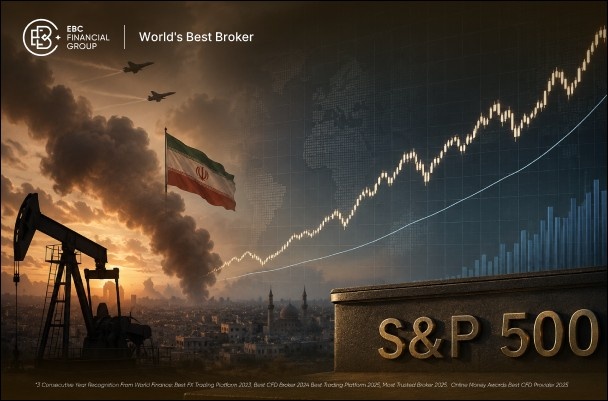
The S&P 500 rose 14.9% in Q2, turning a conflict-heavy quarter into its strongest advance since 2020.
The index entered Q2 down roughly 4.6% for the year, making the quarter both a recovery from Q1 pressure and a fresh breakout.
WTI ended near $69.50, weakening the inflation shock that could have made Iran risk harder to ignore.
Q2 earnings growth is estimated at 23.1%, giving the rally a profit base rather than only a relief bid.
A forward multiple near the low-20s puts the burden on July earnings guidance.
These six signals show why the Iran conflict failed to overpower the S&P 500’s Q2 rally.
| Signal | Q2 Reading | Market Read |
|---|---|---|
| S&P 500 | +14.9% | Best since 2020 |
| Nasdaq | +21.4% | AI led risk appetite |
| WTI crude | ~$69.50 | Oil shock faded |
| VIX | 16.45 | Fear cooled |
| Q2 EPS | +23.1% est. | Profits led |
| Forward P/E | ~21x | Valuation risk rose |
Earnings now carry the burden. After a 14.9% quarter, a forward multiple above its recent averages gives July guidance almost no room to disappoint.
The quarter’s biggest clue was not the record close. It was the upgrade to earnings while geopolitical risk was still dominating headlines. S&P 500 Q2 earnings growth is estimated at 23.1%, up from 18.8% at the start of the quarter, while expected revenue growth rose from 9.5% to 12.3%.
The S&P 500 entered Q2 down roughly 4.6% for the year, so the 14.9% quarter was both a recovery from Q1’s geopolitical and rate pressure and a fresh breakout. Rising profit forecasts gave that rebound something the Iran conflict could not easily break. As long as estimates kept rising, the index had a reason to keep climbing.
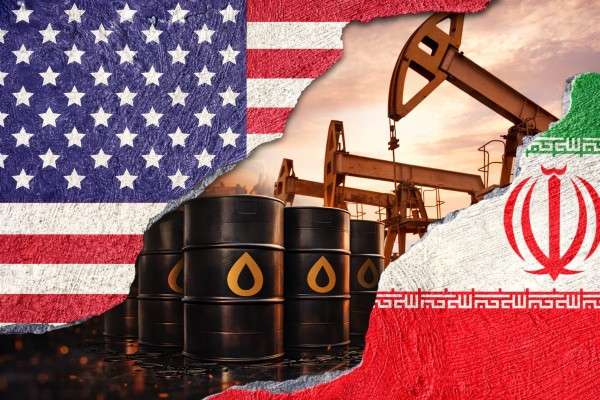
The direct path from conflict to equity weakness ran through oil. Higher crude would have pressured inflation expectations, margins, consumption, and Fed policy. May CPI rose 4.2% from a year earlier, and energy accounted for more than 60% of the monthly increase, giving the Iran conflict a clear macro channel.
By quarter-end, that channel had weakened. WTI settled near $69.50 on June 30 and fell sharply for the quarter, while Brent closed near $72.92 after an even deeper quarterly decline. The oil market stopped pricing a sustained supply rupture.
The equity impact was clear. Without a lasting oil shock, geopolitical risk remained a headline threat rather than a full inflation event. Fear can shake the index for days. Oil-driven inflation can change the earnings and rates path.
AI stopped being only a story once semiconductor demand started showing up in earnings expectations. The Nasdaq gained 21.4% in Q2, while semiconductor and AI-linked stocks supplied the strongest leadership across the quarter.
That leadership made the rally more powerful, but not evenly shared. The S&P 500 gained 9.5% in the first half, yet 38% of its members declined. Seventeen of the 20 best-performing S&P 500 stocks came from information technology.
The weak breadth was not simply an energy story. Many of the steepest first-half decliners came from software and online-services companies exposed to AI disruption, even as AI hardware names powered the index higher. The same AI cycle that lifted chips also punished businesses where automation threatened pricing power.
The split defines the rally’s risk. Strong leadership carried the index, but narrow leadership raised the cost of disappointment. If AI hardware earnings stay firm, concentration remains a strength. If the profit curve flattens, the same concentration becomes the market’s first weak point.
The rally created a valuation problem. The S&P 500’s forward multiple sat around the low-20s by quarter-end, above FactSet’s 5-year average of 19.9x and 10-year average of 19.0x. That gap turns valuation from a vague concern into a measurable risk.
The Fed is not giving valuations a free pass. The federal funds target range remains at 3.50% to 3.75%, while inflation remains above target. Elevated rates do not stop equities from rising, but they raise the standard for earnings quality.
The rally has already paid for resilience. July earnings now need to prove the price was not too high.
Q2 earnings season becomes the first real test of the rally. The clean confirmation would be firm guidance, stable margins, and AI demand converting into revenue rather than only capital-spending promises.
The weaker signal would be more dangerous than a headline EPS miss. Revenue guidance, AI capex returns, wage pressure, and energy-sensitive margins will show whether the 14.9% quarter priced durable earnings or pulled too much optimism forward.
The Fed’s July 28 to 29 meeting adds a rates test. A renewed inflation warning would push attention back to oil, policy, and valuation.
The Iran conflict raised geopolitical risk, but oil and volatility cooled before they could force a broader repricing. Earnings estimates improved at the same time, giving the index a stronger anchor than geopolitical fear.
AI was the strongest engine, especially in semiconductors, memory, and data-center infrastructure. The rally was not only AI, but AI hardware gave the index its clearest earnings leadership while parts of software weakened on disruption risk.
Oil was the transmission channel from conflict to inflation. A sustained crude spike would have pressured margins, consumption, and Fed expectations. WTI falling back near $69.50 reduced the risk that Iran conflict would become a broader market shock.
Weak July guidance is the clearest risk. The rally depends on high profit expectations, stable margins, contained oil, and no hawkish shock from the Fed. A renewed oil spike or disappointing AI revenue would challenge the quarter’s strongest assumptions.
The best quarter in 6 years answered the fear question, but it opened a harder one on price. July earnings now need to prove that AI demand, margins, and revenue growth can support what the index has already priced in. The 14.9% rally will look earned only if profits arrive before doubt does.