Published on: 2026-06-24
Updated on: 2026-06-24
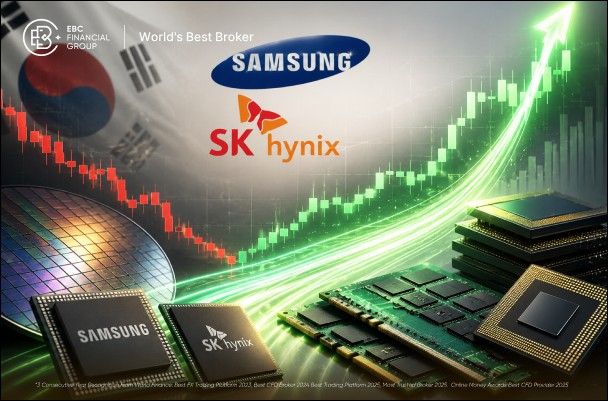
Samsung’s early 7% jump gave the KOSPI its first relief after a near-10% circuit-breaker sell-off, but the rebound faded by midday. As of 11:59 a.m. KST on June 24, Samsung Electronics traded at 317,500 won, up 2.42%, while the KOSPI was up just 0.24% at 8,223.31 shortly before noon. A market can bounce before trust returns

KOSPI’s early rebound faded, with the index swinging from an intraday high of 8,577.52 to 8,087.44 in the latest available June 24 table.
Samsung rose as much as 7% intraday, with MarketWatch showing the stock at 333,500 won, up 7.58%, at 11:03 a.m. KST, before Yahoo Finance later showed it at 317,500 won, up 2.42%, at 11:59 a.m. KST.
KOSPI fell 9.99%, or 910.71 points, on June 23, marking the benchmark’s largest point decline on record.
The June 23 sell-off was broader than Samsung and SK hynix, with only 46 KOSPI stocks advancing against 859 decliners, while main-board market value fell by about 742.76 trillion won.
Foreign flow remains the cleanest signal, because relief buying can lift prices quickly, but overseas selling pressure can still decide whether the recovery becomes durable.
The numbers show that panic eased early, then confidence weakened again.
| Signal | June 23 Sell-Off | June 24 Recovery Attempt |
|---|---|---|
| KOSPI | -9.99% to 8,203.84 | High of 8,577.52, later 8,087.44 |
| Samsung | -12.31% previous session | Up 7.58% at 11:03 a.m.; later up 2.42% |
| SK hynix | Down more than 12% in sell-off | Rebounded early with chip stocks |
| KOSPI range | 8,203.84 low | 8,085.87 to 8,577.52 |
| Volume | 483.71 million | 255.46 million |
| Circuit breaker | 8% halt threshold hit | No repeat halt |
The rebound repaired sentiment for a few hours, not the whole trading day. Samsung helped calm the market early, but the KOSPI’s retreat back below the previous close showed that buyers were still testing the dip rather than fully rebuilding exposure.
Samsung moved from the market’s biggest drag to its first stabiliser. After falling 12.31% during the sell-off, the stock rebounded sharply in early trade, with MarketWatch showing it at 333,500 won, up 7.58%, at 11:03 a.m. KST.
That early rise mattered because Samsung is not just another KOSPI component. When it steadied, the index had an obvious anchor. When the gain faded, the market lost its cleanest reason to believe the panic had fully passed.
Yahoo Finance later showed Samsung at 317,500 won, up 2.42%, as of 11:59:51 a.m. KST. The stock was still positive, but the change in tone was important. A smaller Samsung gain meant the KOSPI had to find support from broader buying, not just one heavyweight recovery.
A circuit breaker tells investors that selling has stopped being orderly. Korea’s Phase 1 mechanism halts trading for 20 minutes when the KOSPI falls at least 8% from the previous close and remains there for one minute.
The speed of the reversal unsettled investors. The KOSPI closed at 8,203.84 on June 23, down 910.71 points, just one session after closing at a record 9,114.55. That move took the market from record-high excitement to forced trading interruption in a single day.
The damage did not stay inside one stock. Only 46 KOSPI names advanced while 859 declined, and the main market erased roughly 742.76 trillion won in value. The sell-off began with chips, then became a wider rush for safety.
Retail investors stepped in aggressively during the fall. Individual investors bought a record 8.54 trillion won net on June 23, showing that domestic dip-buying did not disappear even during the circuit-breaker session.
The selling pressure came from larger pools of capital. Foreign investors sold 4.14 trillion won, while institutions sold 4.53 trillion won.
Retail buyers absorbed part of the shock, but they were not the sellers who caused it. The next signal is whether foreign selling slows, not whether the index posts another green session.
The sell-off became severe because the KOSPI had too much riding on a small group of chip-linked names. The four largest stocks, including SK hynix, Samsung Electronics, SK Square and Samsung Electro-Mechanics, accounted for 61.7% of the index.
That level of concentration leaves little room for safety when chip sentiment turns. A decline in Samsung and SK hynix no longer looks like a sector move; it could pull the whole benchmark down with it.
Leverage made the move sharper. SK hynix-linked leveraged products fell by an average 25.6%, while Samsung-linked leveraged products dropped 24.6%. That is why the screen looked less like a correction and more like a break in market control.
The KOSPI recovery faded because the early Samsung-led rebound did not broaden into stronger index-wide confidence. The index traded as high as 8,577.52 on June 24 but later appeared at 8,087.44 in the latest Investing.com table, below the previous close.
Yes. Samsung remained positive in the later data, but the size of the gain changed sharply. MarketWatch showed Samsung up 7.58% at 11:03 a.m. KST, while Yahoo Finance later showed it up 2.42% at 11:59 a.m. KST.
A KOSPI circuit breaker is a temporary halt during extreme declines. The first stage is triggered when the index falls at least 8% from the previous close for one minute, pausing related market activity for 20 minutes. It slows panic; it does not predict the next move.
The recovery is less reliable than it looked in early trading. A rebound that fades during the same session shows buyers are present, but not yet strong enough to restore broad confidence. Stronger breadth and slower foreign selling would give the move more credibility.
Micron Technology, the U.S. memory-chipmaker, reports its third-quarter 2026 financial call on June 24 at 4:30 p.m. EDT. Its guidance can influence global memory-chip sentiment, which matters directly for Samsung, SK hynix and the KOSPI’s chip-heavy recovery attempt.
Micron Technology, the U.S. memory-chipmaker, reports fiscal third-quarter results on June 24, making it the next major test for global chip sentiment. Strong guidance would give Samsung and SK hynix an external reason to hold their rebound; weak commentary on memory pricing or AI demand would put pressure back on the same stocks that drove the KOSPI sell-off.
If foreign selling slows after Micron and chip sentiment stabilises, the recovery gains substance. If overseas investors continue reducing exposure, another green session may only hide the pressure still sitting inside the market.
The KOSPI does not need another dramatic rebound to look healthier. It needs calmer selling, broader participation, and a chip trade stable enough to stand without another circuit-breaker scare. The real recovery begins when the market no longer needs Samsung to rescue it.