Published on: 2026-07-23
Updated on: 2026-07-23
The Trump administration has decided not to renew its trilateral trade pact with Canada and Mexico, instead opting to conduct annual reviews of the treaty. The decision had been widely anticipated.
This decision ensures the USMCA remains active for another 10 years, assuming no member country withdraws. However, the reviews could prompt renegotiations of major treaty sections.
The president's primary concern with USMCA centres on the widening trade deficits, according to the official. They rose sharply in May as imports of capital goods surged to a record high, dragging on GDP growth.
The US is imposing additional 50% tariffs on a range of Canadian goods Monday in response to alleged trade protectionism. The new tariffs target all specified products, completely bypassing any existing FTA exemptions.
The duties announced were introduced under Section 338 of the 1930 Tariff Act, which covers trade discrimination rather than national emergencies. That came after the Supreme Court ruled IEEPA tariffs illegal in February.
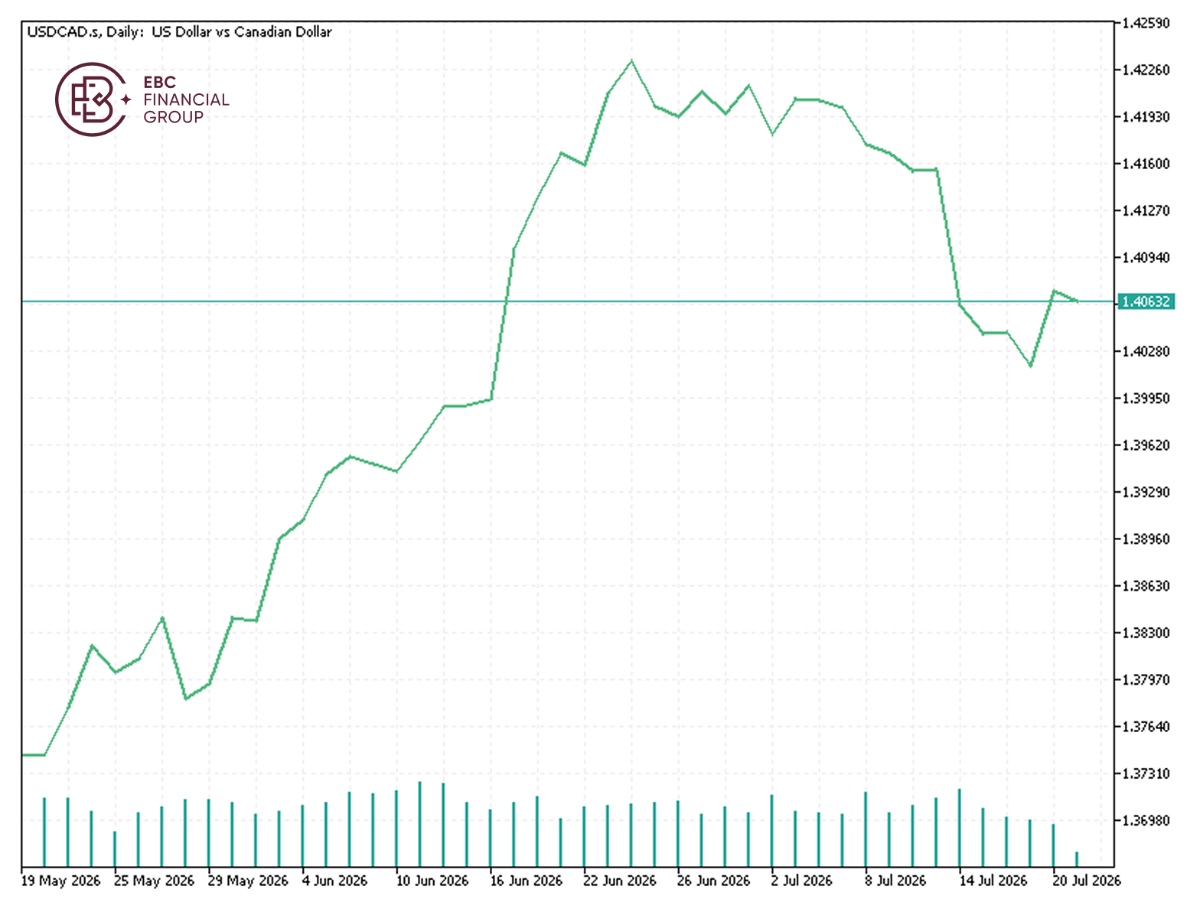
The Canadian dollar (USDCAD) failed to benefit from a surge in oil prices following the Middle East flare-up, notching a loss of around 2.5% in 2026. Soft domestic inflation and a safe-haven US dollar outweigh Canada's export gains.
Trump's new punitive measures will further weigh on the currency by depressing economic growth and stalling future foreign investments. The country's labour market is entering a new phase with no job growth.
Bolstered by market expectations of economic recovery, the Mexican peso (USDMXN) will likely remain stable near the midpoint of its long-term trading range through early 2027, according to a Reuters poll.
According to Commerzbank, the peso's stability is likely driven by the fact that the current strength of the US dollar is backed by expectations of a more resilient US real economy, a factor that should inherently benefit Mexico.
Despite that, dovish monetary policy shifts threaten to erode the peso's value by diminishing highly profitable carry trade inflows. The Bank of Mexico have reduced interest rates twice this year.
An unexpected economic contraction of 0.8% in Q1 led to stimulus, but policymakers have officially declared an end to its easing cycle.
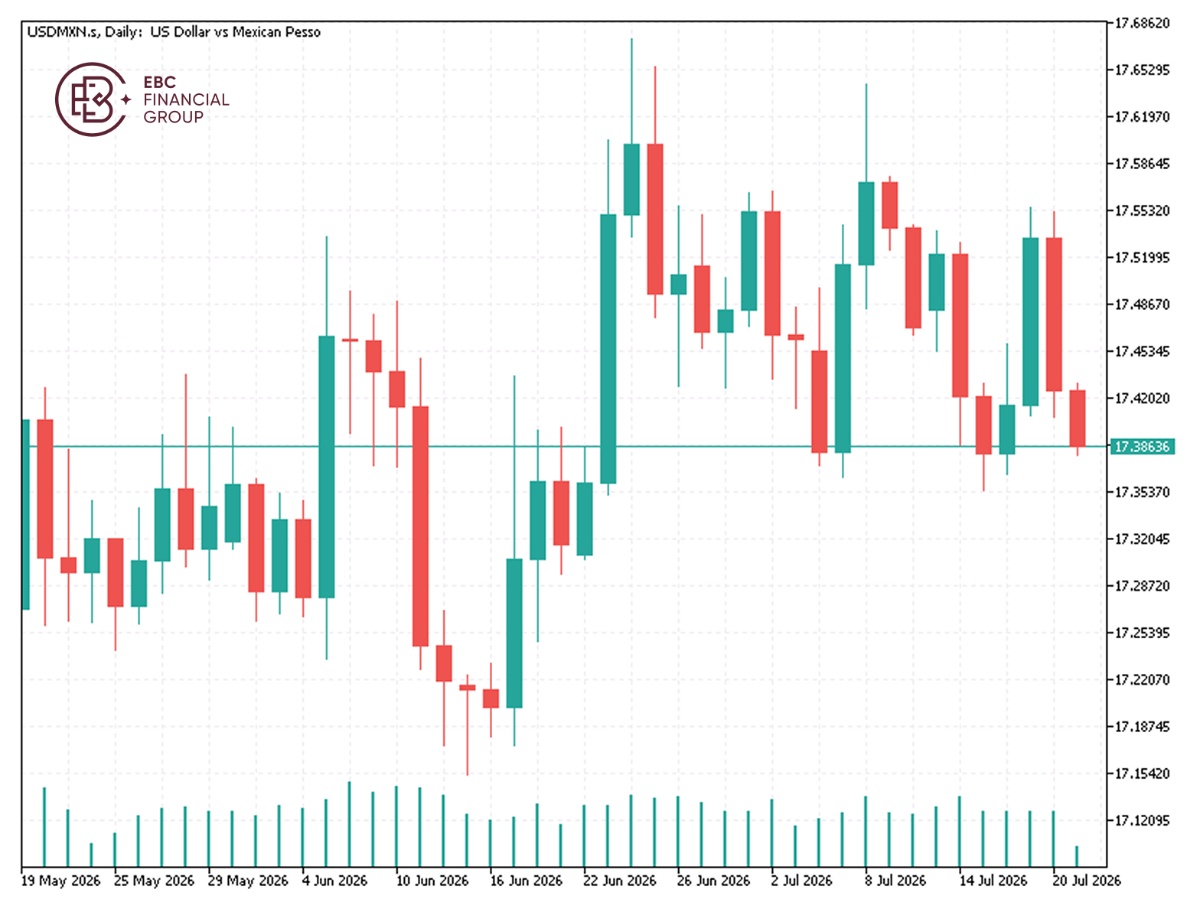
According to a separate poll, Mexico growth was revised down to 1.1% in 2026 and 1.8% in 2027, while inflation was projected to average 4% and 3.8%. The peso is heading for a second year of gains consecutively.
BofA estimates that the overall impact of high oil prices on Mexico is neutral. US trade talks with Mexico City are progressing, but talks with Ottawa are stalled, said Trade Representative Jamieson Greer last week.
Mexico attracted $23.6 billion in FDI during the previous quarter, marking a 10.4% increase compared to the same period in 2025 and setting a new all-time single-quarter record.
The US will also impose a 25% tariff on most Brazilian imports next week. This decision concludes a yearlong probe into alleged unfair trade practices and is set to reignite tensions between the two nations.
The fresh bout of tariffs is set to increase costs for domestic manufacturers at a time when oil prices see a strong rally. The Detroit automakers warned energy spikes are squeezing profit margins.
General Motors, Ford and Stellantis (STLA.N) all cited higher raw-material and supply-chain expenses during Q1 reports. Even the Big Three sourced steel and aluminium from within the US, they could not escape the tariff pricing shadow.
The carmakers have hiked the manufacturer's suggested retail price on their highest-margin vehicles—specifically flagship pickup trucks and large SUVs in order to pass rising costs to customers.
The revenues are also supported by a strategic pivot back to highly profitable internal combustion engine and hybrid vehicles and a massive legal windfall. However, some tailwinds might be fading soon.
Stellantis is at the highest stake as it builds roughly 40% of North American vehicles in Canada or Mexico. Moreover, it reported a negative industrial free cash flow of 1.9 billion as of Q1.
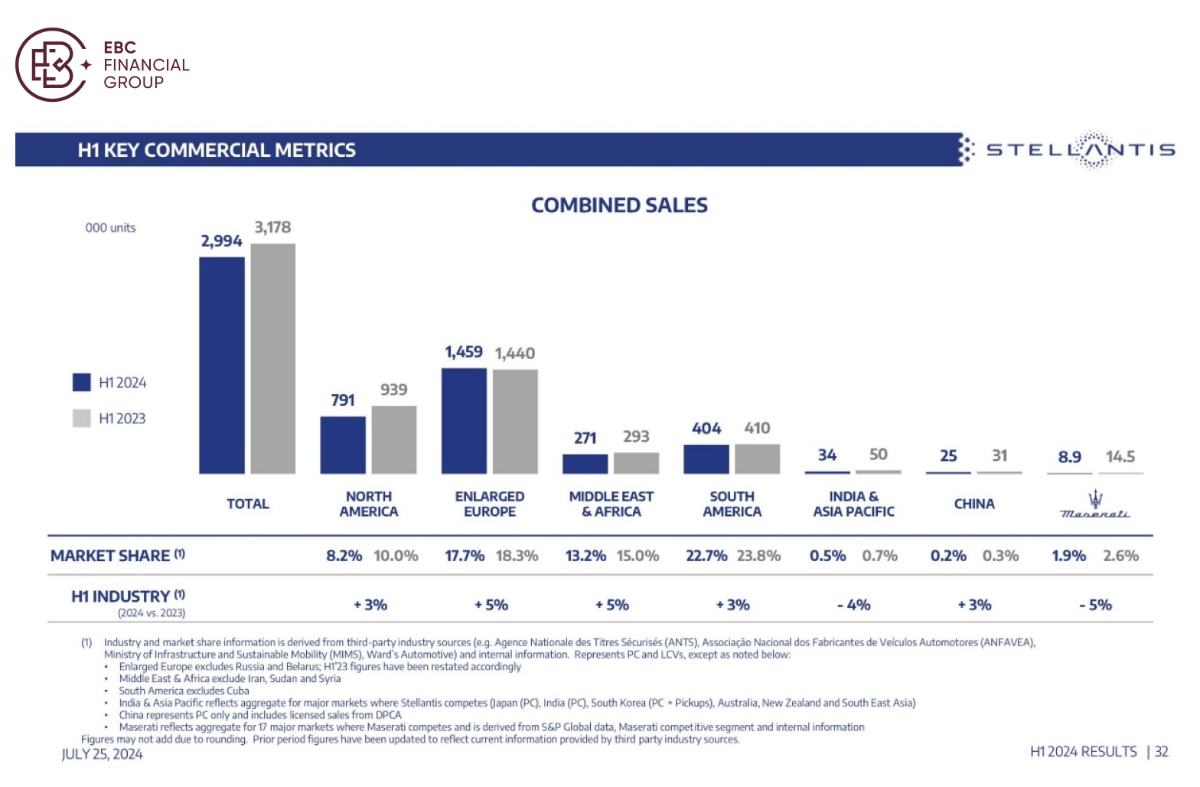
The stock has been plunging since Q2 2024, with few signs of reversal. Earlier this month Citi analyst Harald Hendrikse maintained it with a hold rating, and adjusted the target price to $6.3.