Published on: 2026-05-26
Updated on: 2026-05-26
Energy accounted for more than 40% of April’s monthly CPI increase, turning the stock futures surge into a test of whether lower crude prices can reverse an inflation shock already in the data.
The first equity reaction is showing up in fuel-sensitive and rate-sensitive trades: airlines, travel, consumer discretionary, semiconductors and small caps.
The 10-year Treasury yield near 4.51% keeps the rally conditional. If yields stay high, Nasdaq leaders can rise while the average stock lags.
Nvidia’s $81.6 billion revenue quarter can keep Nasdaq futures supported even if small caps and equal-weight indices fail to confirm the rally.
The setup weakens if oil rebounds above $100, PCE stays firm, or the futures rally fails to spread beyond mega-cap technology.
Oil is falling, but the energy shock it fed is still in the inflation data. Treasury yields must fall, and the rally must spread into fuel- and rate-sensitive stocks before the move deserves the word durable.
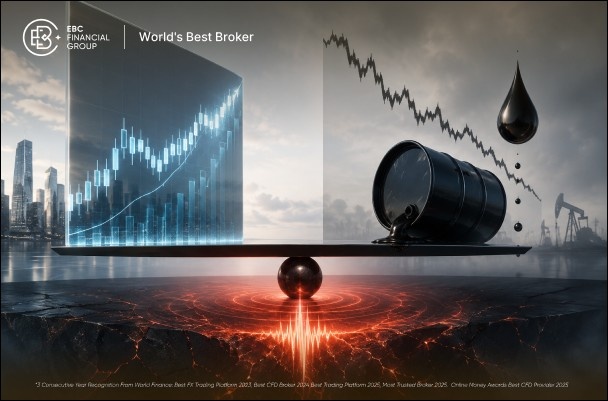
Energy accounted for more than 40% of April’s monthly CPI increase. A green futures screen is not confirmation. It is the first claim.
The claim is that lower crude can reverse the energy pressure already inside inflation data. April makes that a high bar: the energy index rose 3.8% in the month, headline CPI rose 3.8% over the prior year, and gasoline climbed 5.4% month over month and 28.4% year over year.
Brent’s fall below $100 removes some fear. It does not erase the shock already sitting in CPI, nor does it guarantee that cargo flows, insurance rates and refinery margins normalise quickly.
Hormuz risk explains why crude moved into stock futures so quickly. The Strait handled about 20 million barrels per day of crude and oil products in 2025, so even a partial disruption can feed shipping costs, gasoline prices and inflation expectations.
PCE is the next inflation test. If core prices stay firm despite lower crude, the equity relief argument weakens before it can spread beyond AI leaders.
Until yields fall and breadth improves, the claim remains unproven.
Lower oil splits the market before it lifts it.
Fuel users get margin relief. Rate-sensitive stocks need yields to fall. Energy producers lose the premium that lifted them.
| Market Area | If Oil Relief Holds | If the Rally Fades |
|---|---|---|
| Airlines and travel | Lower fuel costs support airlines, cruise lines and booking platforms | Travel demand weakens if geopolitical stress hits confidence and fuel savings fail to reach consumers |
| Consumer discretionary | Cheaper gasoline supports retailers, restaurants and autos through stronger spending expectations | Hot inflation data weakens the real-income story |
| Semiconductors | Risk appetite supports Nvidia, AMD, Broadcom and chip-equipment names | Leadership narrows if yields rise again |
| Small caps | Lower yields reduce financing pressure on Russell 2000 stocks | A 10-year yield near 4.5% keeps capital costs high |
| Energy producers | Crude below $100 pressures Exxon, Chevron and shale-linked names | Oil above $100 restores the geopolitical risk premium |
| Banks | A steeper yield curve can support lending margins if funding pressure eases faster than loan yields | Inflation-led yields raise funding pressure and credit risk |
| Industrials and cyclicals | Lower oil and falling yields improve cost and demand assumptions | Sticky inflation squeezes margins and weakens demand |
This is where the rally proves whether it is broad or cosmetic. A durable move should pull in small caps, airlines, retailers, industrials and banks. If the advance stays concentrated in AI and mega-cap technology, earnings leaders are holding up while the average stock is still withholding confirmation.
The futures tape shows the relief bid. It does not prove breadth. S&P 500 futures climbed 0.8% to 7,547.0, Nasdaq 100 futures rose 1.3% to 29,940.75, and Dow futures traded 0.6% higher at 50,974.0 after renewed hopes for progress in US-Iran talks pushed oil lower.
Lower oil does not become a stock rally until the bond market agrees.
Crude falls. Gasoline pressure eases. Inflation expectations soften. Treasury yields stop rising. Valuations get room to breathe.
Oil has moved. The bond market has not fully signed off. The 10-year Treasury yield rose to 4.51% on May 26, up 0.17 percentage points over the past month. The 2-year yield sat near 4.07%, while the 30-year yield remained above 5%. At that level, the bond market is still charging stocks for inflation risk.
If crude stays below $100 and the 10-year yield breaks lower, the rally can broaden into small caps, consumer discretionary stocks, transports and financials. If crude falls but the 10-year stays near 4.5%, Nasdaq can rise on AI earnings while rate-sensitive stocks lag.
In that tape, the index can rise while participation weakens underneath.
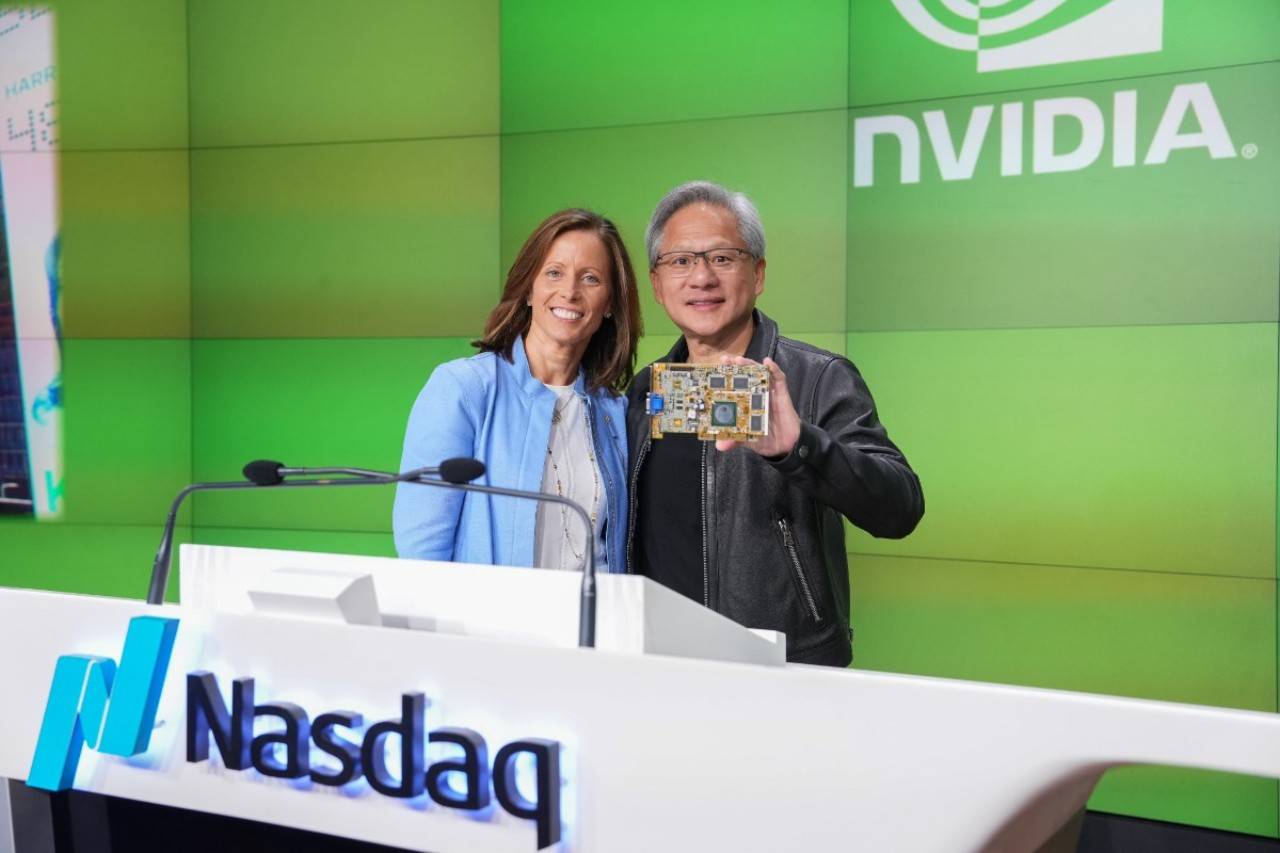
Nasdaq is not rising on oil relief alone. AI earnings are doing part of the heavy lifting.
Nvidia reported record quarterly revenue of $81.6 billion, up 85% from a year earlier, with data center revenue of $75.2 billion, up 92%. The company also authorised an additional $80 billion in share repurchases and raised its quarterly dividend from $0.01 to $0.25 per share.
That gives AI leaders a floor that airlines, retailers and small caps do not have. Lower crude reduces macro pressure. Nvidia gives the Nasdaq rally an earnings argument, not just a macro excuse.
The danger is a market that looks strong because the heaviest stocks are doing all the work. If Nvidia, Broadcom, AMD, Microsoft and other AI-linked leaders rise while small caps and equal-weight indices lag, the index can look healthier than the average stock.
A Nasdaq-led futures jump says growth leadership is intact. A small-cap and cyclical rally says financial conditions are easing. One is leadership. The other is confirmation.
| Condition | Market Consequence |
|---|---|
| Brent holds below $100 and the 10-year yield falls | Rally broadens into small caps, cyclicals, airlines and consumer discretionary |
| Brent holds below $100 but the 10-year yield stays near 4.5% | Mega-cap tech leads while breadth stays fragile |
| Oil rebounds above $100 | Inflation-risk premium returns and futures gains become vulnerable |
| PCE cools in the next release | The rally gains permission to broaden |
| PCE stays hot despite lower crude | Equity multiples lose the inflation-relief argument |
| Nvidia rises while equal-weight indices lag | Index strength masks narrow participation |
PCE is the next gatekeeper because it decides whether lower crude becomes a valuation tailwind or stays a commodity headline. The BEA’s March PCE price index rose 3.5% from a year earlier, while core PCE rose 3.2%. A cooler print gives the rally permission to broaden. A firm print traps the move inside earnings leaders, especially AI, and strips away the inflation-relief argument.
The strongest rally has four signatures: Brent below $100, yields lower, small caps outperforming and Nasdaq leaders holding gains without carrying the whole tape.
The weakest version is familiar: futures green, AI strong, energy lower, and the average stock flat. That is relief, not a reset.
If Treasury yields refuse to follow crude lower, today’s futures rally will have answered the easier question: whether oil relief can spark buying. The harder question is whether stocks can trade at higher multiples against a 10-year yield near 4.5% and real yields above 2%.