Published on: 2026-08-12
Updated on: 2026-08-12
Three Fed officials already voted for higher rates in July. The July jobs report later showed payrolls falling by 23,000, leaving a 0.3% core CPI print caught between renewed inflation pressure and a weakening labor market. Whether it is enough for September will depend on both the inflation mix and whether employment keeps deteriorating.
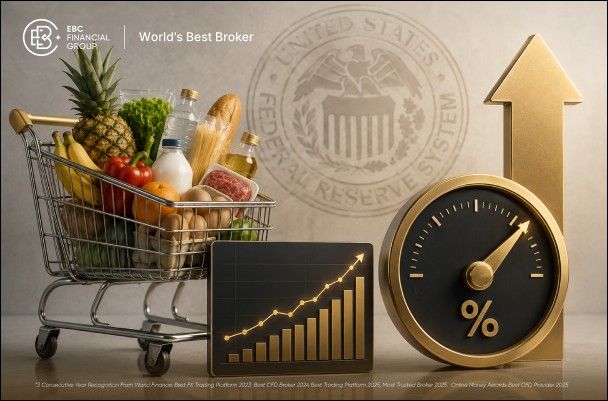
0.3% core CPI would beat the Reuters consensus of 0.2%, giving September hike pricing an immediate hawkish catalyst.
Three FOMC officials already voted for a 25 bp hike in July, so hotter inflation would strengthen an existing policy bloc.
July payrolls fell 23,000, with another 103,000 erased through revisions, raising the hurdle for tighter policy.
Shelter, services and core goods will determine how hawkish 0.3% really is, not the rounded headline alone.
With September hike odds near 48%, a one-tenth CPI surprise carries more leverage than the number alone suggests. A 0.3% core reading would be enough to shift a meeting already priced almost evenly between a hike and no change.
Financial markets can reprice that surprise immediately. The Fed faces a higher hurdle, requiring evidence that inflation is persistent enough to justify tighter policy while employment is losing momentum.
Beth Hammack, Neel Kashkari and Lorie Logan voted for a 25 bp increase at the July FOMC meeting, when the Committee instead kept the federal-funds target at 3.50%–3.75%. Their votes established a hawkish minority before the July employment report was published.
That report then showed payrolls falling 23,000. May employment was revised down by 66,000 and June by 37,000, removing 103,000 jobs from the previous estimates. Unemployment held at 4.1%.
Winning additional support for a hike now requires stronger inflation evidence than the existing dissenters had in July. Broad pressure across sticky services and core goods could provide it. A rebound concentrated in June’s weakest categories would leave the case far less convincing.
Core CPI rose 0.2% in May and was unchanged in June. Adding a hypothetical 0.3% July increase would leave the May-to-July three-month annualised pace near 2.0%, showing why one hotter reading would not establish a renewed inflation acceleration on its own.
Whether 0.3% changes the inflation trend depends on what drives it.
June left several unusually weak categories capable of rebounding in July. Shelter rose only 0.1%, its smallest monthly increase since January 2021, while lodging away from home fell 2.3%, motor-vehicle insurance dropped 2.0% and used vehicles declined 0.2%.
A 0.3% core print driven mainly by hotels, airfares, used vehicles or insurance would carry less policy weight. The same 0.3% led by firmer rents, owners’ equivalent rent, medical services and broader core-goods pressure would point to more persistent inflation.
The headline number could be identical while the September signal differs sharply.
The larger the CPI surprise, the stronger the initial September repricing. Whether that shift lasts will depend on the inflation mix and the employment data that follow.
| July Core CPI | Inflation Read | September Effect |
|---|---|---|
| ≤0.1% | Clearly soft | Hike odds fall |
| 0.2% | In line | Debate stays open |
| 0.3% | Hawkish surprise | Hike odds rise |
| ≥0.4% | Strong upside surprise | Hike case strengthens |
The dividing line sits at 0.3%. Below it, the September hike case struggles to gain momentum. At 0.3%, attention shifts quickly to the CPI breakdown. At 0.4% or higher, holding rates steady would require stronger evidence that the inflation surge is temporary or that employment risks have worsened further.
The Fed’s 2% inflation objective is measured using the PCE price index, not CPI. CPI arrives earlier and provides information across many of the same underlying price categories, allowing a broad July surprise to alter expectations for PCE inflation before the Fed’s preferred measure is released.
Yes. Another sharp deterioration in payrolls or unemployment before September could outweigh a one-month inflation surprise, particularly if the CPI strength is concentrated in volatile categories. The Fed will receive another employment report before making its September decision.
It would strengthen the case considerably without making a hike automatic. A 0.4% monthly core increase compounds to roughly 4.9% annualised, placing far more pressure on policymakers to determine whether June’s softness was temporary and whether July marks a broader return of inflation pressure.
July PPI arrives on August 13, followed by the August jobs report on September 4, August PPI on September 10 and August CPI on September 11. All four releases arrive before the September 15–16 FOMC meeting and can strengthen or reverse the signal from July CPI.
July PPI on August 13 provides the first confirmation, but the September decision will lean more heavily on the August jobs report on September 4 and August CPI on September 11. Another weak payroll reading or renewed disinflation could erase a hawkish July repricing, while persistent inflation alongside stabilising employment would give the three existing hawks a much stronger case.
July CPI can move September odds. The September 4 jobs report and September 11 CPI will determine whether those odds survive.