Published on: 2026-06-23
Updated on: 2026-06-23
Fed interest rate hike risk is back at the center of the 2026 debate after BofA called for 75 bps of tightening, even though the Fed just held rates at 3.50%–3.75%. Markets did not react to the hold; they reacted to the Fed’s higher inflation path and the disappearance of rate-cut guidance. The cut trade broke because the data no longer gave Warsh room to sound patient.
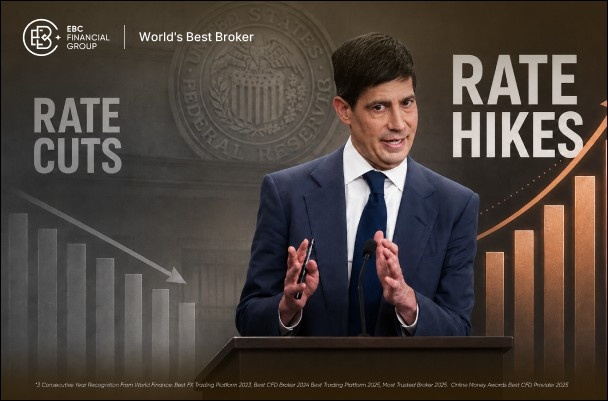
BofA Global Research’s June 22 forecast now sees three 25 bps Fed hikes in 2026, with moves penciled in for September, October, and December.
The Fed held rates at 3.50%–3.75%, but the June dot plot lifted the 2026 funds-rate median to 3.8% from 3.4%.
Inflation broke the cut narrative, with 2026 PCE revised to 3.6% from 2.7% and core PCE to 3.3% from 2.7%.
The labor market gave the Fed cover, with May payrolls up 172,000 and unemployment steady at 4.3%.
June 25 PCE is the next trigger as a soft core print slows September hike risk; another firm print strengthens BofA’s path.
The Fed’s own projections explain the shock: inflation jumped, unemployment fell, and the 2026 rate path rose.
| Signal | March to June shift | Market signal |
|---|---|---|
| 2026 Fed funds median | 3.4% → 3.8% | Cut bias erased |
| 2026 PCE inflation | 2.7% → 3.6% | Inflation shock |
| 2026 core PCE | 2.7% → 3.3% | Pressure broadened |
| 2026 unemployment | 4.4% → 4.3% | Fed has room |
| 2026 GDP growth | 2.4% → 2.2% | Growth did not save cuts |
The PCE row carries the argument. The Fed can tolerate slower growth; it cannot sell rate cuts while its own inflation forecast jumps nearly one percentage point.
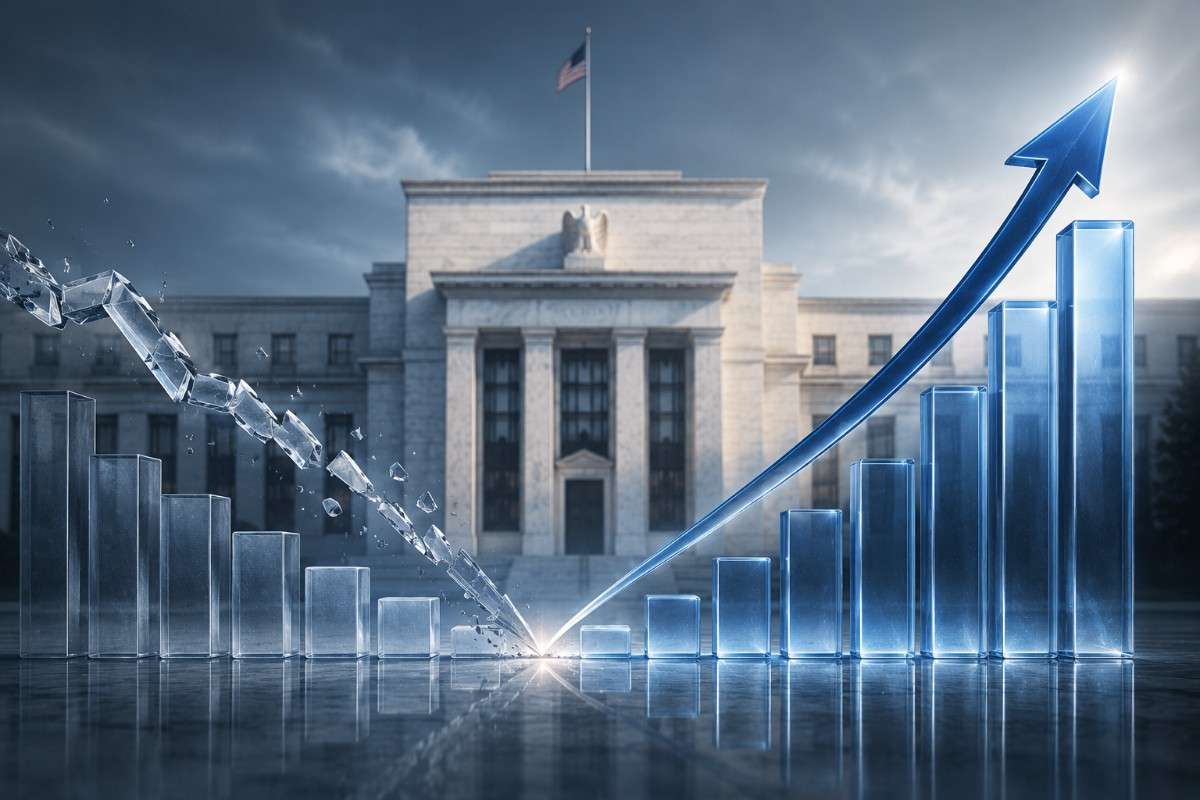
One Fed rate hike is now live, two are plausible, and three need another hot inflation run. Cuts are no longer the market’s main question.
The chance of three hikes rose to 19% from 3% in a week, while only 11% of investors expected no change through year-end. The market’s center remains closer to two hikes than BofA’s three, but the direction has flipped.
One hike needs sticky inflation. Two need firm inflation and resilient jobs. Three need summer data to keep surprising on the hot side. A cut needs a clear inflation break or a labor-market shock.
December pricing shows how far the market has moved. Traders saw an 88% chance of a December hike, up from 61% before the Fed meeting, while gold fell as the dollar held firm on Fed-hike expectations.
The dollar, yields, and gold are trading in tandem, signalling that higher real-rate risk is back.
BofA Global Research’s June 22 forecast, reported by Reuters, moved from no rate changes this year to 75 bps of Fed hikes, with quarter-point increases penciled in for September, October, and December. The shift rests on resilient economic data and a Fed under Warsh that now appears less willing to wait out inflation.
No change in rates no longer means the Fed is waiting to cut; it means the Fed is testing whether inflation cools without more pressure.
Markets have not fully embraced BofA’s three-hike path. LSEG pricing points to roughly 42 bps of hikes in 2026, closer to one or two moves than three. BofA is ahead of consensus, but consensus is moving in BofA’s direction.
The June decision left the target range at 3.50%–3.75%, with all 12 voting members backing the hold. The surprise came from what the Fed removed: the easing tone. Warsh’s first statement replaced it with a direct pledge to deliver price stability.
Markets do not wait for the next rate move when the Fed’s inflation path has already changed. The statement pointed to solid activity, job gains keeping pace with the workforce, and inflation still above the 2% goal. Markets heard a blunt message: there is no labor-market emergency strong enough to offset the inflation problem.
The cut trade broke in the projection table, not at the press conference. June’s median 2026 funds-rate projection rose to 3.8%, above the current midpoint near 3.625%. March pointed lower; June pointed higher.
Warsh did not need a rate hike to move the market. He removed the language that kept cuts alive.
The Fed’s June statement was cut to 114 words from more than 300 at the prior meeting, with no forward guidance on where rates might go next. Nine of 18 projections pointed to at least one rate increase in 2026, while futures-market odds of a hike rose above 85% after the meeting.
A shorter statement can be more hawkish when the omitted words are dovish. The Fed left markets with a price-stability message and little comfort on cuts.
The Fed said less, but what it stopped saying mattered more.
Inflation is the reason cuts disappeared. The Fed lifted its 2026 PCE forecast to 3.6% from 2.7%, a move too large to dismiss as noise.
May CPI gave the Fed cover to stay hawkish. Headline inflation rose 0.5% on the month and 4.2% from a year earlier, with energy driving more than 60% of the monthly increase. Core CPI looked less severe, but headline inflation above 4% still threatens expectations.
April PCE, the Fed’s preferred inflation gauge, rose 0.4% on the month. The May PCE report due on June 25 will decide whether September remains a live hike window or slips back into wait-and-see territory.
The growth slowdown does not save the cut trade. The Fed lowered its 2026 GDP forecast to 2.2% from 2.4%, while unemployment fell to 4.3% from 4.4%. Softer growth matters less when the labor market still gives the Fed room.
Demand has not cracked either. Retail sales rose 0.9% in May to $763.7 billion, up 6.9% from a year earlier. High rates have not slowed spending enough to make cuts credible.
BofA’s 75 bps path breaks if inflation cools before September. One soft PCE print slows the first-hike clock; two soft inflation reports make three hikes hard to defend. Cuts need a visible labor weakness rather than softer inflation.
Energy is the first swing factor. May CPI was heavily driven by energy, so a durable drop in oil and gasoline would reduce headline pressure before it spreads into core prices. The Fed can look through a temporary shock; it cannot ignore one that changes inflation expectations.
Jobs are the second trigger. Steady payroll growth gives the Fed room to stay hawkish. A clear move from job creation to labor-market damage would change the rate debate quickly.
Consumer spending is the third test. Strong retail sales support the hawkish case, as high rates have not yet slowed demand enough. A sharp pullback in services, real spending, or discretionary demand would make three hikes harder to justify.
Yes, hike risk now dominates the 2026 debate. The Fed has not committed to a move, but the June projections and BofA’s 75 bps forecast point away from cuts. The real debate is whether the Fed stops at one or two hikes, or whether inflation forces the full three.
BofA expects inflation to stay too firm for the Fed to remain passive. It now sees 25 bps hikes in September, October, and December, supported by resilient jobs data, strong demand, and a Fed under Warsh that appears less willing to wait out above-target inflation.
Warsh changed the signal before changing the rate. The Fed’s June statement became shorter, less guided, and more focused on price stability. Markets read the missing cut language as the real message.
Yes, but the bar is high. Inflation would need to fall faster than the Fed expects, or the labor market would need to weaken enough to shift the Fed back toward employment protection. Current data support patience or hikes, not cuts.
The May PCE report on June 25 is the first test. A soft core reading would slow September pricing. June CPI and the next payroll report will decide whether BofA’s 75 bps path remains an outlier or becomes harder to dismiss.
The June 25 PCE report is the next test. A soft core print slows the September-hike clock; another firm reading makes BofA’s 75 bps path harder to dismiss.
The next Fed move may not come from Washington first; it may come from a single inflation print that tells markets they were still pricing yesterday’s regime.