Published on: 2026-06-16
Updated on: 2026-06-16
Warsh’s first Fed meeting comes at an anxious moment, with inflation back at 4.2% while the Fed is still expected to hold rates steady. A hold will not feel reassuring if the dot plot and Warsh’s first press conference pull 2026 cuts further out of reach.
June 17 will show whether the new Fed Chair treats inflation as temporary noise or the first credibility test of his tenure.
May CPI rose 4.2% YoY, putting immediate pressure on any Fed language that keeps cuts alive.
Core CPI held at 2.9% YoY, leaving room for a hold rather than an immediate hike.
Energy CPI jumped 23.5% YoY, making Warsh’s inflation wording unusually sensitive.
Payrolls rose 172,000 in May, weakening the case for near-term easing.
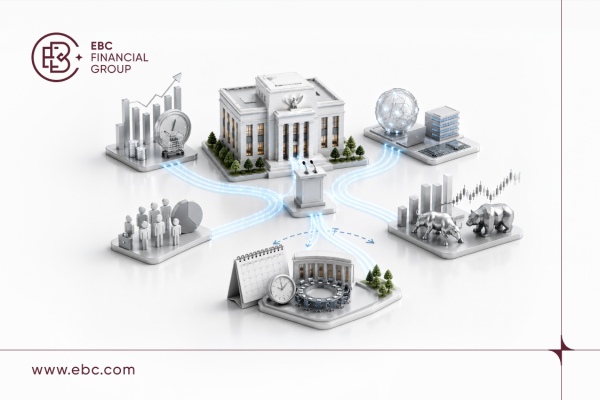
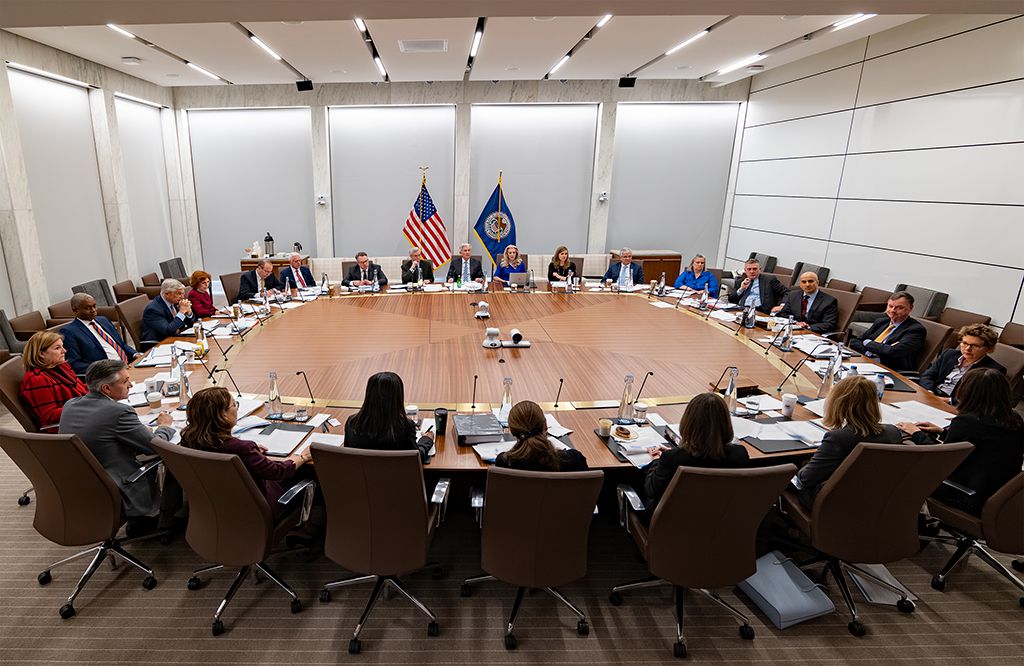
The June 16–17 FOMC meeting includes new projections, putting the dot plot ahead of the rate line.
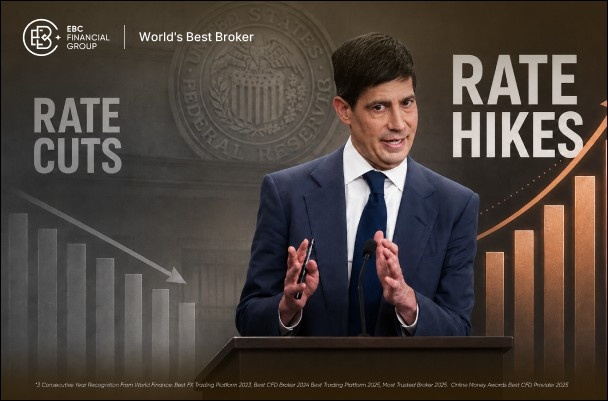
The meeting comes down to a simple split. Inflation blocks easy cuts, while core prices and jobs still argue against a rushed hike.
| Signal | Reading | Policy read |
|---|---|---|
| CPI | 4.2% YoY | Cuts harder |
| Core CPI | 2.9% YoY | Hold works |
| Energy CPI | 23.5% YoY | Credibility pressure |
| Payrolls | +172K | No labor panic |
| Fed rate | 3.50%–3.75% | Steady likely |
| June 17 | Dot plot and presser | Real test |
Warsh’s pressure is clear. Headline inflation makes a soft Fed message risky, while core inflation gives him room to wait.
A Fed hold will not automatically calm anyone this time. With CPI at 4.2%, standing still on rates can still sound hawkish if Warsh removes comfort around future cuts.
The Fed held the target range at 3.50%–3.75% in April and said inflation remained elevated, partly because of higher global energy prices. The same statement kept language around “additional adjustments,” while Beth Hammack, Neel Kashkari, and Lorie Logan supported the hold but opposed the easing bias.
That disagreement now lands on Warsh’s desk. Keeping rates steady is the easy part. Keeping a soft policy signal after a hotter CPI print is the harder call.
A hold can still tighten expectations without changing the policy rate. The rate stays fixed, while the expected path around it moves higher.
May CPI gave Warsh no easy answer. Headline inflation rose 0.5% MoM and 4.2% YoY, with energy up 3.9% on the month and 23.5% over the year. Gasoline rose 7.0% in May and 40.5% over 12 months.
Those numbers make a soft Fed message risky. A central bank still hinting at cuts while fuel prices drive inflation higher would look too comfortable with pressure households can feel immediately.
Core CPI blocks the panic-hike argument. Prices excluding food and energy rose 0.2% MoM and 2.9% YoY, softer than the headline shock.
The result points to a hawkish hold. Headline CPI argues against cuts. Core CPI argues against an immediate hike. Warsh has to make patience sound disciplined rather than passive.
The rate decision may dodge the real question. The dot plot will not. Do Fed officials still think cuts belong in 2026, or has 4.2% CPI changed the path?
The March Summary of Economic Projections showed 2026 PCE inflation at 2.7%, core PCE inflation at 2.7%, unemployment at 4.4%, and a median year-end federal funds rate of 3.4%.
Those projections now carry more strain. If the June dots still lean toward easier policy, Warsh must explain why a hotter inflation backdrop has not changed the Fed’s patience. If the dots move higher, the meeting tightens expectations without a rate hike.
The dot plot does not need to scream hawkish. Fewer cuts, higher inflation forecasts, or wider disagreement inside the committee would send the same message. Relief is no longer the Fed’s default setting.
A steady rate decision will not settle the question. Warsh’s first press conference can still change the message if he sounds more worried about inflation than the statement suggests.
The most important words will be about inflation. “Energy-driven” would signal patience. “Persistent” would sound tougher. “Inflation expectations” would suggest a deeper fear that higher fuel prices are spilling into wages, contracts, and everyday pricing decisions.
The labor market gives Warsh room to stay firm. Payrolls rose 172,000 in May, unemployment held at 4.3%, and average hourly earnings rose 3.4% YoY.
An economy still adding jobs does not force the Fed to rush toward relief. If employment holds up, Warsh has cover to stay restrictive.
An immediate hike is unlikely unless Warsh treats May inflation as more than an energy shock. The cleaner path is pressure through words before pressure through another hike. A hold with tougher guidance remains the more likely signal.
A 4.2% CPI reading makes it harder for the Fed to sound relaxed about inflation. Energy drove much of the increase, yet households feel fuel prices quickly. A soft message after that kind of print would invite doubts about inflation control.
The dot plot shows where Fed officials expect interest rates to go. June’s version can change expectations before the Fed changes policy. If the 2026 dots move higher, the expected timing and size of future cuts need to adjust.
Yes, although the hurdle is higher. Cuts would need softer core inflation, weaker growth, or a clearer labor-market slowdown. A hold in June does not block cuts, while a higher dot plot would make them less convincing.
The meeting turns hawkish if the dot plot shows fewer cuts, the statement drops cut-friendly language, or Warsh describes inflation as persistent. Any one of those signals would make the hold feel less neutral.
June 17 will answer one question the rate decision cannot. Does Warsh still see cuts as the next step after 4.2% CPI?
If the dot plot moves higher or the press conference sounds less forgiving, a hold will not feel like relief. Warsh does not need to raise rates to tighten policy; he only needs to make cuts harder to believe.