Published on: 2026-04-10
Copper futures open interest is now a better macro signal than copper price alone. The latest COMEX data shows prices easing from recent highs, yet total open interest remains large enough to suggest that traders are still treating copper as a live read on growth, industrial demand, and policy risk.

That matters because copper is no ordinary commodity. It sits at the center of construction, electrical equipment, transport manufacturing, and machinery.
When open interest holds up after a pullback, it often tells readers something more useful than a routine price story: conviction has softened, but it has not disappeared.
CME’s April 9 final bulletin showed total COMEX copper futures open interest at 226,236 contracts, down 1,445 contracts on the day. Volume was 74,459 contracts.
May copper settled at $5.7645 a pound, while July settled at $5.8220. Those are softer closes, but not the kind of positioning washout that would suggest the market has fully unwound its copper view.
The more revealing detail sits inside the curve. May 2026 open interest fell to 87,230 contracts, while June rose to 4,729 and July climbed to 72,780.
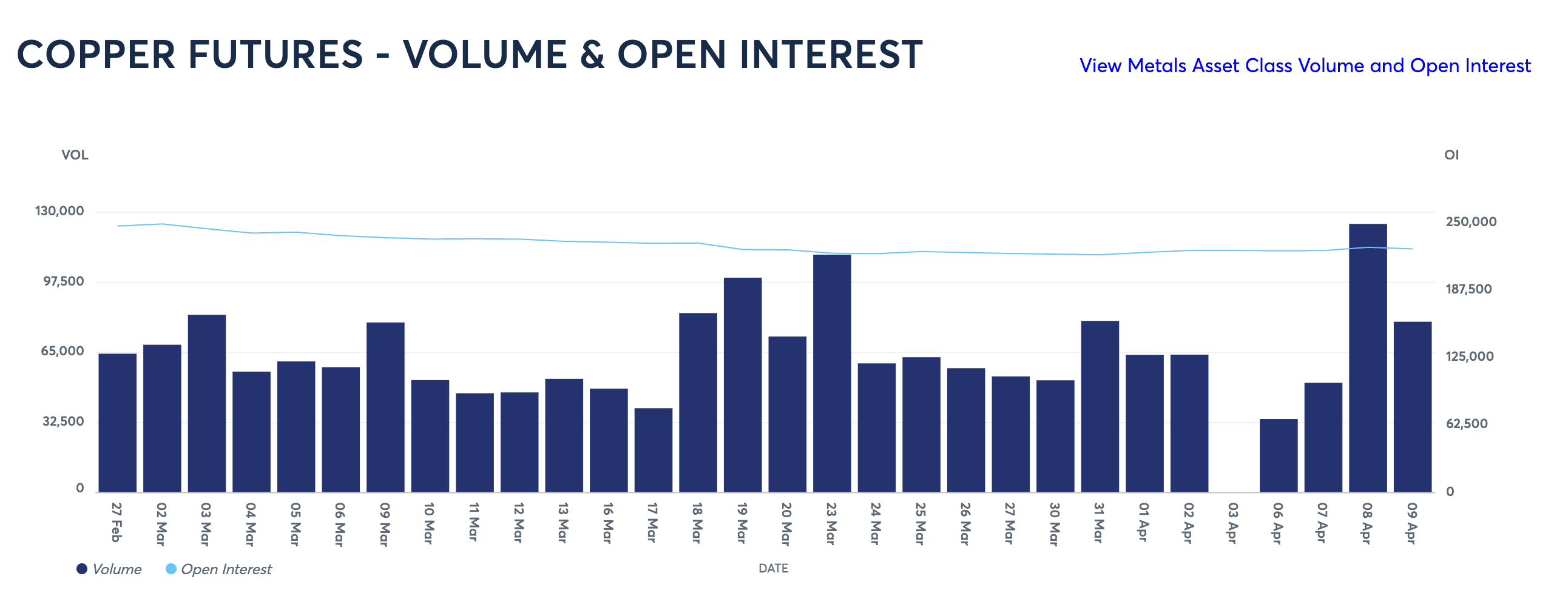
That points to rolling and redistribution, not a clean exit. The copper trade appears to be moving further out the curve rather than disappearing. This is an inference drawn from CME’s contract-by-contract data.
That distinction matters. A simple headline about copper slipping from its highs can imply fading demand or weaker conviction. Open interest suggests a more nuanced picture. Traders may be less aggressive in the front month, but they are still carrying exposure into later contracts.
Pure volume figures can be noisy in a tariff-driven market. Open interest is often the cleaner signal.
Three patterns are worth watching:
Rising price and rising open interest usually confirm the trend, with new money supporting the move.
Rising price and falling open interest can be a warning sign that short-covering, rather than fresh demand, is driving the move.
Falling price and rising open interest can suggest that new short positions are being established and bearish conviction is building.
A senior metals analyst noted that the LME net long position reached its 80th percentile to the upside in early 2026, approaching record levels. When positions become this stretched, price and momentum can shift quickly.
Copper maintains its macro status because its end uses are broad and practical.
In the United States, copper and copper alloy products are used primarily in building construction, which accounts for 42% of demand, followed by electrical and electronic products at 23%, transport equipment at 18%, consumer and general products at 10%, and industrial machinery at 7%.
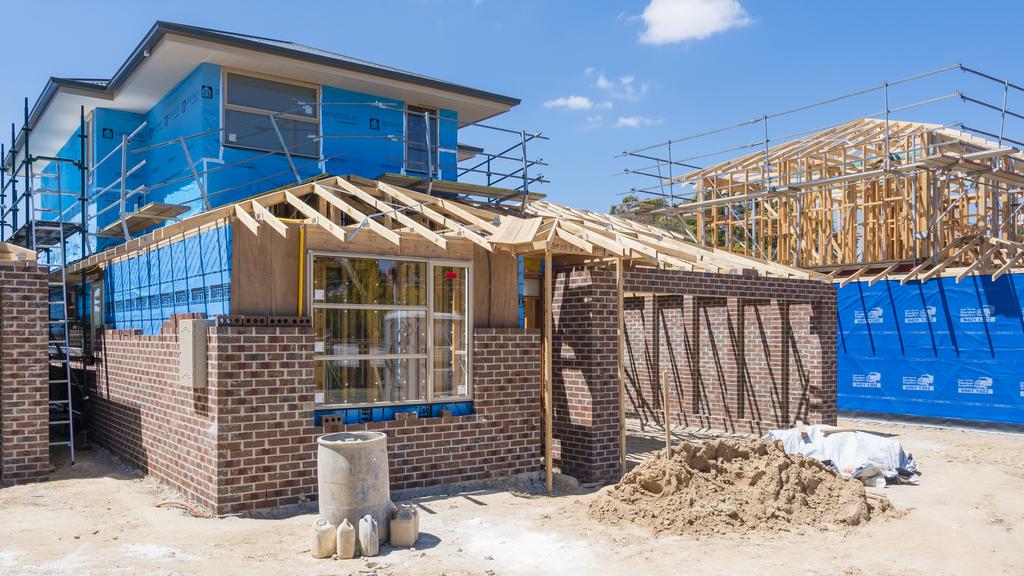
That demand profile gives copper unusual reach. It captures parts of the housing cycle, the factory cycle, the power and electronics chain, and transport production in one market.
When traders keep positions open in size, they are often expressing a view not just on copper itself, but on the broader industrial economy.
The latest macro data still gives them a reason to do that. China’s March manufacturing PMI rose to 50.4, with production at 51.4 and new orders at 51.6.
Open interest captures market positioning, but the physical market tells a more nuanced story.
Goldman Sachs estimates that the global copper market recorded a 600,000-tonne surplus in 2025, the largest absolute surplus since 2009, and forecasts that the global surplus will remain around 300,000 tonnes in 2026.
Key physical demand drivers currently in play include the following:
China accounts for approximately 58% to 60% of global refined copper consumption.
Downstream demand in China is already under pressure from high prices, with import premiums declining materially.
Data centre construction and power grid investment are adding a structural demand base that did not exist in prior copper cycles.
Declining registered warehouse stocks relative to open interest can signal tightening physical supply and push nearby futures into backwardation.
The next signal in copper may come less from price than from positioning. If open interest remains firm and later-month contracts continue to attract exposure, the market is more likely to extend the trade than exit it.
The next U.S. and China factory readings will be key. For now, copper still has enough support from construction, manufacturing, and power demand to keep the macro story intact.
It is the total number of copper futures contracts that remain open at the end of the trading day. It shows how much active participation is still in the market.
Volume shows how much was traded during the session. Open interest shows how many positions are still held after the close, making it a better measure of ongoing conviction.
It suggests repositioning rather than broad liquidation. Front-month open interest fell, but later-month contracts gained interest, pointing to rolling rather than retreat.
Copper is used across construction, electrical products, transport equipment, and machinery, so it often reflects changes in industrial demand early.
Copper has lost some momentum, but the market has not abandoned the story. Total COMEX open interest remains elevated, and the shift from May into later months suggests the trade is being adjusted rather than dismantled.
That is why copper futures open interest is the cleaner macro signal now. It shows that copper is still carrying views on factory demand, construction, trade policy, and supply risk. For a news article, that is stronger than a standard price recap and closer to what readers need to understand.
Disclaimer: This material is for general information purposes only and is not intended as, and should not be considered, financial, investment, or other advice on which reliance should be placed. No opinion given in this material constitutes a recommendation by EBC or the author that any particular investment, security, transaction, or investment strategy is suitable for any specific person.