Published on: 2026-04-10
Updated on: 2026-04-10
Commodity Super-Cycle 2.0 refers to a potential long-duration macro regime in which global demand for critical raw materials structurally exceeds supply, driven by electrification, energy transition, and geopolitical fragmentation.
Unlike short-term commodity rallies driven by economic cycles, this phase is characterised by multi-year pricing persistence, where structural demand drivers reshape global commodity markets.
Commodity Super-Cycle 2.0 reflects a structural shift, not a cyclical rebound.
Demand is being driven by energy transition, AI infrastructure, and electrification.
Supply growth remains constrained due to a decade of underinvestment.
Commodities are increasingly treated as strategic geopolitical assets.
Selectivity matters, as performance will vary significantly across sectors.
Commodity Super-Cycle 2.0 is not simply a continuation of historical patterns. It represents a regime shift in global resource demand and allocation.
Several macro forces are converging simultaneously:
The transition from fossil fuels to electrified energy systems
Fragmentation of global supply chains
Rising strategic competition over critical minerals
Persistent inflation volatility following the 2010s low-rate era
Together, these forces reduce the efficiency of global commodity supply chains while increasing baseline demand for raw materials.
A commodity super-cycle is a prolonged period, often lasting 8–15 years, where commodity prices trend above long-term averages due to structural demand exceeding supply.
Historically, the most recent super-cycle (early 2000s–2011) was driven by rapid industrialisation in China, which spurred unprecedented demand for steel, copper, and energy.
Commodity Super-Cycle 2.0 differs in one key way: it is not driven solely by industrial expansion, but by global energy system transformation and resource security policies.
The global shift toward electrification is structurally more commodity-intensive than fossil fuel systems.
Key dynamics include:
Electric vehicles require significantly higher copper intensity than combustion vehicles.
Grid expansion demands massive investment in transmission infrastructure.
Renewable energy systems require metals such as silver, copper, and rare earths.
This creates a persistent demand floor rather than a cyclical spike.
A less discussed but increasingly important driver is AI-related infrastructure.
Data centres are highly copper-intensive
Energy demand from compute clusters is rising sharply
Grid capacity expansion is required to support digital load growth.
This introduces a second structural demand layer beyond energy transition.
The previous decade saw structurally weak capital expenditure across the mining and energy sectors. Contributing factors include:
ESG-driven capital discipline
Long permitting timelines
Shareholder pressure for buybacks over expansion
As a result, supply elasticity remains extremely low, even when prices rise.
Global trade efficiency is being replaced by strategic resilience.
Key trends:
Diversification away from concentrated supply regions
Increased government stockpiling of critical minerals
Expansion of domestic mining incentives in major economies
Commodities are increasingly viewed as national security inputs rather than purely economic goods.
Investors typically access commodity super-cycles through equities and ETFs rather than direct physical exposure.
BHP Group: diversified exposure to iron ore and copper
Rio Tinto: strong industrial metals exposure
ExxonMobil: energy market leverage
Invesco DB Commodity Index Tracking Fund (DBC): diversified commodity basket
SPDR S&P Metals and Mining ETF (XME): mining sector exposure
Global X Lithium & Battery Tech ETF (LIT): EV supply chain focus
Despite strong structural arguments, several factors could disrupt or delay the cycle:
The global recession is reducing industrial demand.
Rapid technological substitution in battery chemistry.
Faster-than-expected mining supply expansion.
Policy reversal in energy transition incentives.
Strong monetary tightening is reducing capital investment.
A super-cycle requires persistent imbalance, not temporary supply shocks.
The market currently shows partial confirmation rather than full-cycle alignment.
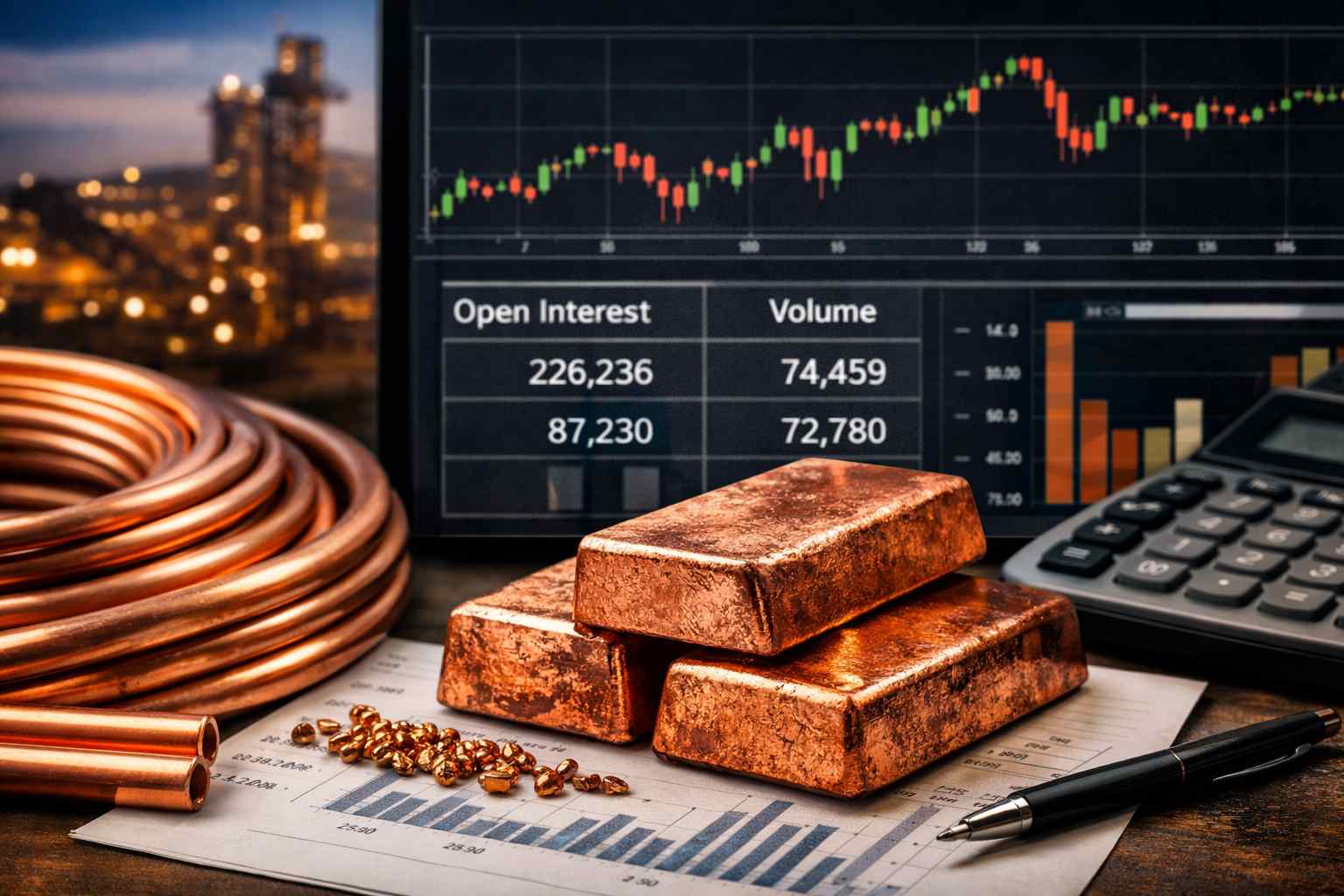
Copper and critical minerals show structural tightness.
Energy markets remain geopolitically sensitive.
However, demand remains uneven across regions and sectors.
This suggests the cycle may be staggered rather than synchronised, with different commodities entering super-cycle conditions at different times.
It is driven less by industrialisation and more by energy transition, AI infrastructure demand, and geopolitical fragmentation. This makes it more structural and policy-driven than purely growth-driven cycles. It reflects long-term supply constraints and sustained capital reallocation across sectors globally.
Historically, super-cycles last between 8 and 15 years. However, duration depends on how quickly the supply responds and whether the demand drivers remain intact over time. Periods can extend further when investment is delayed, and structural shortages persist across multiple commodities simultaneously.
Copper is widely considered the most critical metal due to its role in electrification, renewable energy systems, and the expansion of digital infrastructure. Its conductivity and relative scarcity, given demand, make it a key bottleneck for the global energy transition in the coming years.
Yes. Technological substitution or efficiency improvements can reduce demand intensity, particularly in battery chemistry and energy storage solutions. Advances in materials science, recycling systems, and alternative chemistries can significantly moderate long-term commodity consumption growth rates across key industries globally overall.
Not necessarily. Super-cycles are long-duration regimes, but timing and selection matter significantly. Different commodities and sectors enter and exit with strength at different phases. Positioning should be dynamic and aligned with global macro trends, supply cycles, and policy shifts over time.
Commodity Super-Cycle 2.0 represents a potential long-term structural shift in global commodity markets driven by energy transition, AI-driven infrastructure demand, geopolitical fragmentation, and prolonged supply constraints.
Unlike traditional cyclical commodity booms, this phase is defined by persistent demand pressure and limited supply responsiveness, which may keep prices elevated across selected commodities for an extended period.
However, the cycle is not uniform. Performance will vary significantly across commodity groups, and outcomes will depend on the pace of technological change, global economic growth, and policy direction. As a result, disciplined asset selection and macro awareness remain essential for investors navigating this environment.
Disclaimer: This material is for general information purposes only and is not intended as (and should not be considered to be) financial, investment or other advice on which reliance should be placed. No opinion given in the material constitutes a recommendation by EBC or the author that any particular investment, security, transaction or investment strategy is suitable for any specific person.