Published on: 2023-11-10
Updated on: 2026-05-07
Fund selection is no longer just about finding the fund with the strongest recent return. In 2026, investors must weigh cash yields, bond duration, equity concentration, ETF liquidity, fees, and manager discipline before deciding where capital belongs. A fund that looks attractive on a one-year chart may still be unsuitable if it carries the wrong risk for the investor’s goal.
The market has also become much larger and more competitive. Worldwide, regulated open-end fund assets reached $87.96 trillion at the end of 2025, with equity funds accounting for 48%, bond funds 19%, balanced funds 10%, and money market funds 15%. More choice is useful, but it makes a clear fund selection process essential.

Fund selection should start with the investment goal, not recent performance.
Asset allocation comes before choosing individual funds because it determines the majority of portfolio risk.
Equity funds offer growth potential but can carry sector, valuation, and concentration risk.
Bond funds can provide income, but duration and credit quality matter more than headline yield.
Fees remain important because even small annual cost differences compound over long periods.
Ratings and past returns should support the decision, not replace independent analysis.
Equity funds invest mainly in listed companies. They are usually used for long-term growth and are more volatile than bond or money market funds. Some track broad indices, while others focus on sectors such as technology, healthcare, energy, consumer stocks, or emerging markets.
The key question is not whether an equity fund has risen recently. The better question is what drives its return. A global equity fund, a US technology fund, and a China consumer fund may all be equity funds, but they react to different earnings cycles, interest-rate expectations, and valuation risks.
In 2026, equity fund selection also requires concentration checks. Some broad-market funds may still have significant exposure to a small number of large technology and AI companies. That is not automatically bad, but investors should know whether they are buying diversified equity exposure or a concentrated growth trade.
Bond funds invest mainly in government bonds, corporate bonds, or a combination of fixed-income securities. They are often used for income, diversification, and lower volatility, but they are not risk-free.
Investors should first check four areas: duration, credit quality, yield, and currency exposure. Duration measures sensitivity to interest-rate changes. A long-duration bond fund may lose value if yields rise. A high-yield bond fund may offer higher income but carries greater default risk. Foreign bond funds may add currency volatility.
This matters because the interest-rate environment is still relevant. The upper limit of the US federal funds target range stood at 3.75% on 6 May 2026, far above the zero-rate world that shaped many earlier investment habits. Bond funds can still play an important role, but investors should not treat them as bank deposits.
Money market funds invest in short-term instruments and are mainly used for liquidity. They may suit emergency reserves, short-term cash parking, or capital awaiting investment. They are not designed for long-term wealth building.
Balanced funds hold a mix of equities and bonds. They can be useful for investors who want a single product to handle allocation, but the equity-bond split must still align with the investor’s risk tolerance. Funds of funds invest in other funds and may simplify diversification, though they can create extra layers of fees.
International funds, QDII funds, and ETFs can broaden exposure. They may also introduce currency risk, tracking error, liquidity risk, or country-specific policy risk. The broader the choice, the more important it becomes to understand the fund’s actual holdings.
A common mistake is choosing a fund first and thinking about portfolio structure later. That reverses the correct order. Asset allocation should decide the fund category. Fund selection should then identify the best product within that category.
An investor saving for retirement in 25 years can usually accept more equity volatility than someone who needs the money in two years. A retiree who depends on regular withdrawals may need more short-duration bonds, income funds, or exposure to money markets. A young investor with unstable income may need a larger cash buffer before increasing equity risk.
The traditional rule that bond allocation should roughly match age is too simple. Age matters, but so do job security, income stability, debt, tax position, currency needs, property exposure, and investment horizon. A 35-year-old business owner with volatile income may need more liquidity than a 55-year-old employee with stable cash flow.
A strong fund selection process applies the same tests to every candidate.
Start with the objective and benchmark. A fund should be judged against the market it claims to invest in. Comparing a global equity fund with a domestic bond fund tells investors little.
Next, review performance across several periods. One-year return can be distorted by sector rotation or a short market rally. Three- and five-year results provide more context, while ten-year data, when available, helps show how the strategy behaves across cycles.
Risk matters as much as return. Maximum drawdown shows how far the fund fell from peak to trough. Volatility shows how unstable returns have been. A fund that earns slightly less but falls much less during stress may be more suitable for many investors.
Then examine the manager and process. Experience is useful, but it is not enough. Investors should check whether the same team produced the track record, whether the strategy has changed, whether the fund adheres to its stated style, and whether performance came from repeatable decisions or a single lucky theme.
Costs also deserve close attention. In 2025, average expense ratios were 0.40% for equity mutual funds, 0.36% for bond mutual funds, 0.14% for index equity ETFs, and 0.09% for index bond ETFs. A higher-cost fund must deliver enough extra return to justify that drag.
Finally, look inside the portfolio. Top holdings, sector weights, credit quality, turnover, geography, and cash levels reveal what the fund actually owns. Fund names can be vague. Holdings are harder to hide.
Investors can use this sequence before buying:
Define the goal: retirement, education, income, capital preservation, or growth.
Set the time horizon and liquidity need.
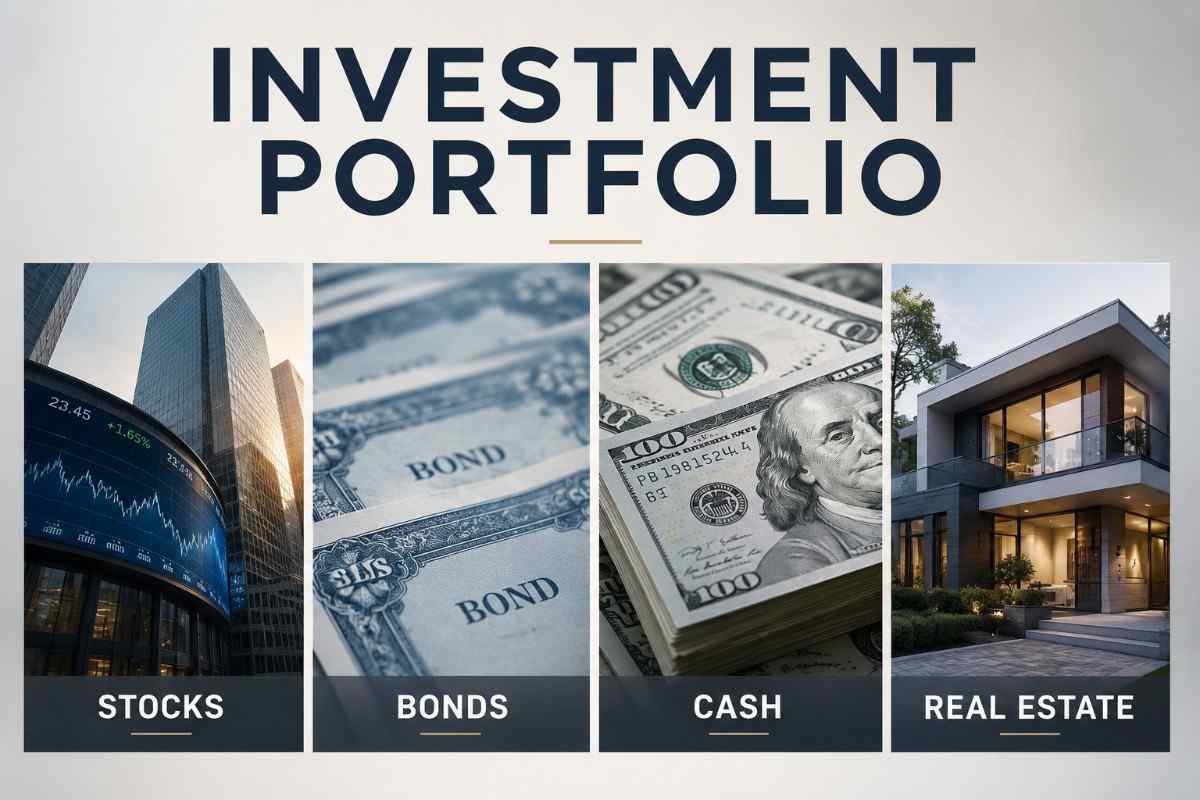
Decide the broad allocation across equities, bonds, cash, and other assets.
Choose the fund category that fits the allocation.
Compare performance against the correct benchmark.
Review maximum drawdown, volatility, and risk-adjusted return.
Check fees, sales charges, redemption terms, and platform costs.
Study fund size, liquidity, and portfolio holdings.
Assess manager tenure, process consistency, and style discipline.
Use ratings as supporting information only.
Review the fund regularly and rebalance when allocation drifts.
This order prevents a common error: buying a high-performing fund only to justify it later.
The first step is defining the investment goal. A fund for retirement, emergency cash, education savings, or income should not be judged by the same standard. Once the goal is clear, investors can choose the right asset class and fund category.
No. Recent return may reflect a short-term market theme, sector concentration, or higher risk. Investors should compare performance against the appropriate benchmark and review drawdowns, volatility, fees, and consistency.
They can be, but not all bond funds are conservative. Short-duration government bond funds and high-yield corporate bond funds carry very different risks. Duration, credit quality, and currency exposure should be checked before investing.
A full review once or twice a year is usually enough for long-term investors. A review is also needed after major life changes, large market moves, manager changes, strategy changes, or a significant shift in portfolio allocation.
Fund selection works best when it follows a clear order: goal, allocation, category, risk, cost, manager, holdings, and review. Investors should not begin with performance rankings, as returns are only useful when the risks underlying them are understood.
In 2026, the best fund is not always the one with the highest yield or strongest recent gain. It is the one that aligns with the investor’s objective, time horizon, liquidity needs, and risk tolerance, while offering transparent holdings, reasonable fees, and a repeatable investment process.
Disclaimer: This material is for general information purposes only and is not intended as (and should not be considered to be) financial, investment or other advice on which reliance should be placed. No opinion given in the material constitutes a recommendation by EBC or the author that any particular investment, security, transaction or investment strategy is suitable for any specific person.