Published on: 2026-03-03
Updated on: 2026-03-03
Interest-rate cuts have become a slower, more conditional story in 2026, while geopolitics and supply discipline keep commodity pricing power alive.
That combination is why top commodity ETFs have moved back into the core toolkit for investors seeking inflation protection, diversification, and a potential return stream not tightly tied to US large-cap tech multiples.

| ETF | What It Tracks | Yield | 1-Year Return | Available Via EBC ETF CFDs |
|---|---|---|---|---|
| DBC | Broad commodity futures (energy/metals/ag) | 2.96% | 17.9% | Not Listed |
| COMT | Broad commodities, dynamic roll strategy | 6.87% | 17.8% | Not Listed |
| GLD | Physical gold | - | 83.7% | Yes |
| USO | WTI crude oil via futures | - | 8.9% | Yes |
| URA | Uranium and nuclear fuel cycle equities | 7.67% | 129.8% | Yes |
| GDX | Gold miners equities | 0.50% | 193.7% | Yes |
| XLE | US energy sector equities | 2.67% | 27.0% | Yes |
| VDE | US energy sector equities | 2.61% | 27.4% | Yes |
DBC is a traditional broad-basket commodity ETF structured around futures exposure to energy, metals, and agriculture. In 2026, its primary advantage is balance: it can hedge against energy-driven inflation while also benefiting from global growth in industrial metals.
Its distribution profile is meaningful, but investors should treat “yield” as a function of collateral income and fund mechanics, not a stable dividend policy.
Snapshot: 2.96% yield, 17.9% 1-year return.
COMT differentiates itself through roll selection, which aims to reduce the structural drag that can hurt futures-based commodity products. It is still a diversified commodity ETF, but the roll approach matters most when markets are volatile, and the curve changes shape quickly.
For 2026 portfolios, COMT often serves as a broad inflation hedge that does not rely on a single commodity getting the call exactly right.
Snapshot: 6.87% yield, 17.8% 1-year return, 0.49% expense ratio.
Gold does not behave like an industrial commodity. It trades more like a monetary asset that reflects real rates, currency confidence, and crisis hedging demand. In 2026, it remains a clean way to add non-equity ballast without taking producer balance-sheet risk.
GLD does not pay dividends, so the expected return profile is driven primarily by price movements and the cost of carry embedded in the product’s fee structure.
Snapshot: 83.7% 1-year return.
USO is the direct, tactical tool for oil exposure. It is also the ETF where structure matters most. Returns can diverge sharply from spot crude when the futures curve is steep, and that risk rises during supply shocks and inventory swings.
Still, for investors seeking an inflation hedge that responds quickly, oil is often the fastest-moving asset in the commodity complex.
Snapshot: 8.9% 1-year return.
URA does not serve as a direct proxy for uranium spot prices. Instead, it is an equity basket linked to the uranium and nuclear fuel cycle, thereby introducing both equity beta and sector concentration risk.
In a 2026 commodity allocation, URA serves a thematic role by reflecting the nuclear expansion and fuel security narrative. Its relatively high displayed yield for a commodity-linked holding should be interpreted as a result of distribution mechanics rather than as a utility-style payout.
Snapshot: 7.67% yield, 129.8% 1-year return, 0.69% expense ratio.
GDX is a leveraged expression of gold in equity form. When gold rises and costs stabilize, miners can expand margins quickly, and their equities can outperform the metal.
However, mining equities are subject to operational, political, and financing risks that do not affect gold bullion. In 2026, GDX is most appropriately used as a satellite position complementing a core gold allocation, rather than as a substitute.
Snapshot: 0.50% yield, 193.7% 1-year return, 0.51% expense ratio.
Although XLE is not a commodity ETF, it is among the most liquid instruments for obtaining commodity beta, while also providing dividends and shareholder returns through buybacks.
During inflationary periods driven by energy prices, producers often reprice more rapidly than the broader equity market, and the cash-flow linkage can offer a partial hedge. The tradeoff is equity drawdown exposure when the market de-risks.
Snapshot: 2.67% yield, 27.0% 1-year return, 0.08% expense ratio.
VDE shares similarities with XLE but may differ in portfolio construction and exposure balance. The investment rationale is comparable: energy equities can provide both inflation sensitivity and income, particularly when upstream cash flows are robust.
VDE is suitable for investors seeking energy exposure within a broader, low-cost Vanguard structure and who prefer periodic rebalancing over frequent trading in response to oil market developments.
Snapshot: 2.61% yield, 27.4% 1-year return, 0.09% expense ratio.
Commodities are reacting to three forces that matter for portfolio construction this year.
First, energy functions as both a geopolitical asset and an economic input. Periods of geopolitical tension can rapidly increase oil’s risk premium, and broker risk alerts have highlighted how developments in the Middle East can trigger significant price movements in oil and metals at the start of the trading week.
Second, the “real asset” complex is being repriced in line with investment cycles. Grid upgrades, defense procurement, and electrification supply chains create periodic demand surges for industrial inputs, while supply remains constrained by years of underinvestment in certain extractive industries.
Third, the carry component matters again. Several commodity ETFs distribute cash that largely reflects collateral yield and futures roll mechanics rather than corporate dividends. In 2026, that distinction is crucial because the headline “yield” can look attractive even when the underlying commodity is flat.
A common error in commodity investing is treating it as a single position with a single objective.
A more robust approach involves a barbell structure: combining a broad-basket commodity ETF for diversification with one or two targeted allocations that address specific macroeconomic risks, such as oil shocks or monetary uncertainty.
Position sizing should be aligned with the volatility of the underlying assets. For many portfolios, a total allocation of 5% to 10% is sufficient to enhance diversification, with smaller allocations recommended for single-commodity exposures such as oil or natural gas.
Regular rebalancing is more important than precise entry timing. Commodity rallies are often abrupt, and realizing gains by reallocating to equities and high-quality bonds is typically where the diversification benefit is most effectively realized.
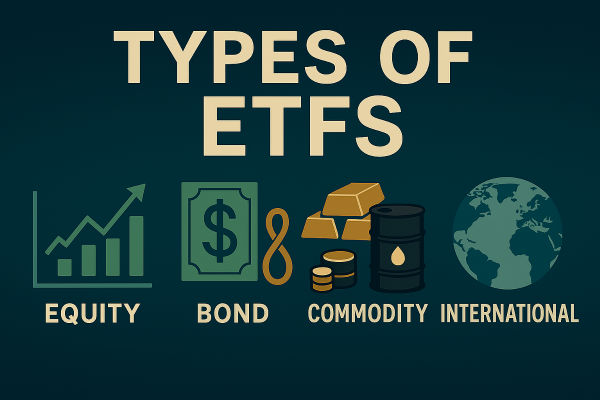
Broad baskets like DBC and COMT hedge inflation more consistently by diversifying across energy, metals, and agriculture. Gold ETFs such as GLD can help when inflation and policy uncertainty rise. Oil funds like USO respond sharply to supply shocks.
Many commodity ETFs do not pay traditional dividends because they hold futures, not dividend-paying companies. Any distributions often come from collateral interest, roll yield, or accounting effects. Commodity equity ETFs like XLE and VDE typically provide steadier dividend income.
Contango happens when longer-dated futures cost more than near-term contracts. Rolling funds can lose value by selling cheaper contracts and buying pricier ones, so ETFs like USO may lag spot prices, especially when supplies are ample or storage is tight.
Gold is both, but in portfolios it often behaves more like a monetary hedge. It can respond to real rates, currency confidence, and crisis demand. That is why GLD is typically used alongside, not instead of, broad commodity exposure.
A common institutional range is 5% to 10% of a diversified portfolio, scaled to risk tolerance. Investors using single-commodity funds often size smaller and rebalance more frequently. The goal is diversification and inflation sensitivity, not replacing equity returns.
Energy sector ETFs are stocks, so they carry market risk and can drop with the broader market even if oil stays firm. They can add income and energy-linked cash flows, but they do not match the direct futures exposure of commodity ETFs.
In 2026, the rationale for investing in leading commodity ETFs centers on constructing portfolios capable of withstanding inflation surprises, geopolitical shocks, and changes in real interest rate expectations, rather than pursuing a singular investment narrative.
Commodity-linked equity ETFs can supplement portfolios by providing income; however, they should be regarded as complements to direct commodity exposure rather than as substitutes.
Disclaimer: This material is for general information purposes only and is not intended as (and should not be considered to be) financial, investment or other advice on which reliance should be placed. No opinion given in the material constitutes a recommendation by EBC or the author that any particular investment, security, transaction or investment strategy is suitable for any specific person.