Published on: 2026-03-02

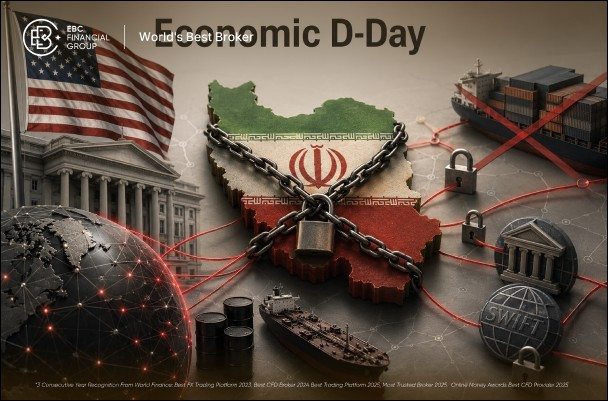
Markets have recently incorporated a “geopolitics premium” into energy and freight prices. Reports of intensified U.S.-Israel strikes on Iran and concerns about disruptions near the Strait of Hormuz led to a sharp increase in Brent crude prices in early March, a typical scenario in which headline CPI responds before growth.
Prior to the recent shock, global container spot rates had been falling for several weeks, and overall supply chain pressures remained only slightly above average. This context is significant for assessing the potential duration of inflationary impulses.
Central banks respond differently to similar shocks. Energy-importing economies in Asia, such as Japan, Korea, India, and much of ASEAN, experience more pronounced inflation and foreign-exchange pressures than commodity exporters. In contrast, Europe is more sensitive to freight and gas disruptions.
The primary consideration for central banks is not the immediate change in oil prices, but the risk of second-round effects. If wages, services inflation, and expectations remain stable, most central banks tend to overlook supply shocks. However, if these factors become unanchored, interest rate cuts may be postponed, and some tightening cycles could resume.
| Metric | Latest | Date | Why It Matters For Rates |
|---|---|---|---|
| Fed Funds Target Range | 3.50% to 3.75% | Mar 1, 2026 | Sets global dollar funding conditions and risk asset discount rates. |
| ECB Deposit Facility Rate | 2.00% | Feb 27, 2026 | Anchor for euro area financial conditions and bank lending. |
| Bank of England Bank Rate | 3.75% | Feb 5, 2026 | UK is highly sensitive to energy, food, and housing-cost persistence. |
| RBA Cash Rate Target | 3.85% | Effective Feb 4, 2026 | Australia is fighting sticky services and utility-driven inflation. |
| BoJ Policy Guideline (Overnight Call Rate) | ~0.75% | Jan 23, 2026 | Japan is normalizing, making JPY and yields more reactive to shocks. |
| U.S. CPI (All Items, YoY) | 2.4% | Jan 2026 | Disinflation baseline that a new oil shock can disrupt. |
| Euro Area HICP (YoY) | 1.7% | Jan 2026 | Gives the ECB “cut space” unless energy re-ignites. |
| GSCPI (Std Dev From Avg) | 0.41 | Jan 2026 | Broad gauge of supply chain tightness; not crisis-level today. |
| Drewry World Container Index | $1,899 / 40ft | Feb 26, 2026 | Freight pass-through is easing, unless rerouting surges again. |
Currently, energy logistics represent the most direct transmission channel for supply shocks in the market. In early March, reports of escalating conflict involving Iran heightened concerns about potential disruptions in the Strait of Hormuz, driving crude prices higher and prompting insurers and shippers to reassess route risks. For Asia, these developments translate into tangible increases in trade, petrochemical, and electricity generation costs.
Simultaneously, the Red Sea continues to serve as a catalyst for freight volatility. Even when spot container rates decline due to weak demand, risk premia can quickly re-emerge through increased war-risk insurance, extended sailing times around the Cape of Good Hope, and unreliable schedules. These factors can elevate unit costs in time-sensitive supply chains, such as those for electronics, apparel, and automotive components, without necessarily causing shortages similar to those experienced in 2021.
An often-overlooked factor in 2026 is policy-driven friction. Tariffs and trade restrictions function similarly to supply shocks by increasing the cost of imported inputs and necessitating supplier substitution. When combined with shipping insecurity, these factors increase the likelihood that firms will pass through higher costs more rapidly, particularly in environments characterized by tight labor markets and persistent services inflation.
Central banks do not increase interest rates solely in response to rising oil prices. Policy tightening occurs when supply shocks risk destabilizing inflation expectations or producing second-round effects through wages and services prices. Cross-country evidence suggests that a 10% increase in global oil inflation can raise domestic inflation by approximately 0.4 percentage points initially, with the effect diminishing over time. In an environment where geopolitical developments can extend the duration of shocks, the persistence of these effects becomes a central policy concern.
Freight cost increases have a slower but still significant impact. According to IMF analyses of OECD data, a sustained 50% rise in shipping costs can add approximately 0.2 percentage points to CPI inflation after four quarters. While this alone may not constitute an emergency, it becomes more problematic when combined with currency depreciation, elevated energy prices, and persistent domestic inflation. This dynamic explains why the foreign exchange channel is often a decisive factor for Asia.
In practice, policymakers monitor three key indicators before adjusting the interest rate trajectory:
Inflation expectations and market-based breakevens
Momentum in wages and unit labor costs
The potential re-acceleration of core inflation following a shock.
If two of these indicators signal concern simultaneously, the policy stance typically shifts from continued rate cuts to a pause and reassessment.
Japan represents an outlier, as monetary policy is tightening from a historically low base. The Bank of Japan currently maintains the overnight call rate near 0.75%, indicating that Japan is no longer solely absorbing global volatility. Should an energy shock weaken the yen and increase import prices, Japan may experience a more rapid rise in headline inflation, reducing the Bank of Japan’s willingness to lag behind global policy adjustments.
Australia is indicating that persistent inflation concerns outweigh caution regarding economic growth. The Reserve Bank of Australia (RBA) has set the cash rate target at 3.85%, with January CPI reported at 3.8%. This combination limits the central bank’s ability to overlook further increases in global energy and shipping costs, as domestic inflation remains above target.
China and India are positioned differently in the monetary policy cycle. China’s benchmark lending rates (Loan Prime Rates) have remained unchanged recently (1-year at 3.00%, 5-year at 3.50%), reflecting a focus on stabilizing demand and managing currency pressures rather than addressing overheating. India’s repo rate has also been maintained at 5.25% in recent policy decisions, with inflation readings remaining relatively moderate. This provides the Reserve Bank of India with greater flexibility, unless a significant oil shock affects the current account and foreign exchange markets.
A disciplined approach begins by separating the shock into three components: price, quantity, and time. Price refers to oil and freight indices; quantity encompasses actual disruptions to flows, such as tanker traffic, rerouting, or refinery outages; and time distinguishes between short-term market reactions and prolonged constraints. Relying solely on price movements to forecast interest rates is a common analytical error.
The next step involves constructing a three-layer dashboard:
Pipeline inflation, including import prices, producer prices, and PMI input prices.
Domestic persistence, such as services inflation, rents, and wages.
Policy constraints, including foreign-exchange depreciation, the fiscal stance, and financial stability.
The Bank for International Settlements has emphasized that in an environment characterized by frequent and significant commodity shocks, the capacity to overlook inflationary surges is particularly limited for importers facing currency depreciation.
Finally, this dashboard should inform the policy reaction function: as shocks increasingly affect foreign exchange rates and inflation expectations, the likelihood of central banks pausing rather than cutting rates rises. Consequently, a single oil price spike can simultaneously delay Federal Reserve easing, prompt a cautious approach from the European Central Bank, and lead the Reserve Bank of Australia to consider renewed tightening.
Container rates continue to decline, and overall supply-chain pressures remain moderate, while oil prices partially retrace their recent increases as logistics adjust. In this scenario, the Federal Reserve and European Central Bank can proceed with gradual rate cuts, though the threshold for consecutive reductions is elevated.
Prolonged disruption in the Strait of Hormuz or broader regional escalation could sustain elevated crude prices and insurance premiums, reigniting headline inflation and transmitting it to core inflation through transport and utilities, as well as expectations. This scenario would likely result in delayed rate cuts in the United States and Europe, and a renewed tightening bias in economies with already elevated inflation, such as Australia.
If geopolitical tensions subside rapidly and Asian demand weakens, disinflation is likely to resume, leading to accelerated rate cuts in economies where inflation is already near target. In this context, China and parts of emerging Asia would adopt more supportive policies, while Japan would remain limited by its ongoing policy normalization.
Freight indices capture average pricing and demand conditions across shipping lanes; however, inflation risk can increase sharply due to exceptional events such as war-risk insurance, rerouting, and rising fuel costs. A temporary shock involving oil prices and risk premiums can elevate headline CPI even as container spot rates decline.
Monitor inflation expectations and signs of second-round effects. While central banks may tolerate a single energy price spike, they are likely to respond if expectations increase or if higher fuel and freight costs are transmitted to wages and persistent services inflation.
Many Asian economies are net energy importers; consequently, higher crude oil prices increase import bills and frequently weaken local currencies. Currency depreciation amplifies imported inflation and tightens financial conditions prior to any central bank intervention, potentially necessitating a more defensive monetary policy stance.
An oil price spike does not automatically result in rate hikes. Cross-country evidence indicates that oil shocks initially increase inflation, but the persistence of this effect depends on inflation expectations, policy credibility, and the extent of pass-through to core inflation. Typically, the outcome is a reduction in the frequency or timing of rate cuts, unless domestic inflation was already accelerating.
To forecast rates effectively, assess the persistence of shocks and their spillover into core inflation by integrating oil and freight price movements with foreign exchange, wage, and services inflation trends. If two of these three indicators rise simultaneously, central banks are likely to shift from easing to pausing, prompting rapid repricing of risk assets.
Supply chain shocks have regained prominence, though their dynamics differ from those observed in 2021. Prior to the recent escalation in the Middle East, data indicated declining freight costs and only moderate supply-chain pressures. The current risk is an energy and insurance shock that could transform temporary cost increases into persistent inflation through expectations and foreign-exchange channels, particularly in Asia. In 2026, effective forecasting of central bank actions requires close monitoring of whether geopolitical developments trigger a second-round inflation regime, as this distinction determines whether rate cuts continue or pause.
Disclaimer: This material is for general information purposes only and is not intended as (and should not be considered to be) financial, investment or other advice on which reliance should be placed. No opinion given in the material constitutes a recommendation by EBC or the author that any particular investment, security, transaction or investment strategy is suitable for any specific person.