Published on: 2026-01-20
Updated on: 2026-01-20
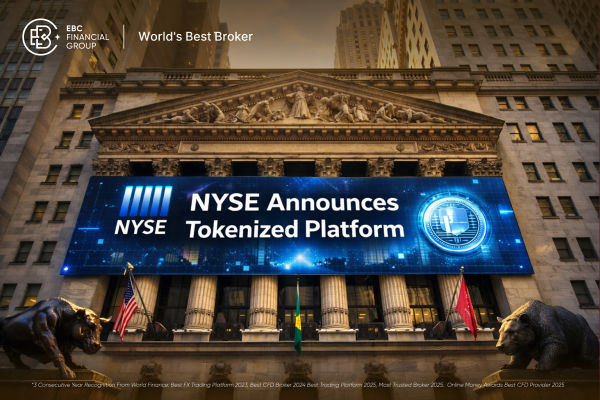
On January 19, 2026, the New York Stock Exchange announced that it will develop a platform to trade and settle tokenized securities on-chain and plans to seek regulatory approvals.
This matters because it addresses two long-standing problems in equities:
Market hours remain limited, despite the participation of global investors.
Settlement remains slow and complex, even after the move to T+1 in 2024.
Simply put, NYSE signals that the next significant stock upgrade may rely more on a digital network than on a traditional exchange timetable.
NYSE's press release describes a "new digital platform" designed to enable:
| Feature | What NYSE says | Why it matters for stocks |
|---|---|---|
| 24/7 trading | Always-on operations | Global access, but also more price movement outside US hours. |
| On-chain settlement | "Instant" / immediate settlement | Lower counterparty risk, but less time to fund and fix breaks. |
| Dollar-sized orders | Orders in dollar amounts | Makes fractional exposure easier for small accounts. |
| Stablecoin funding | Stablecoin-based funding | Enables settlement when banks are closed, but raises controls questions. |
| Fractional shares | Supported | Broadens access, especially for higher-priced stocks and ETFs. |
| "Fungible" tokens | Tokenised shares can match traditional shares | Reduces fragmentation risk if conversion is robust. |
Crucially, NYSE also stated that tokenized shareholders will still receive dividends and governance rights in the traditional sense.
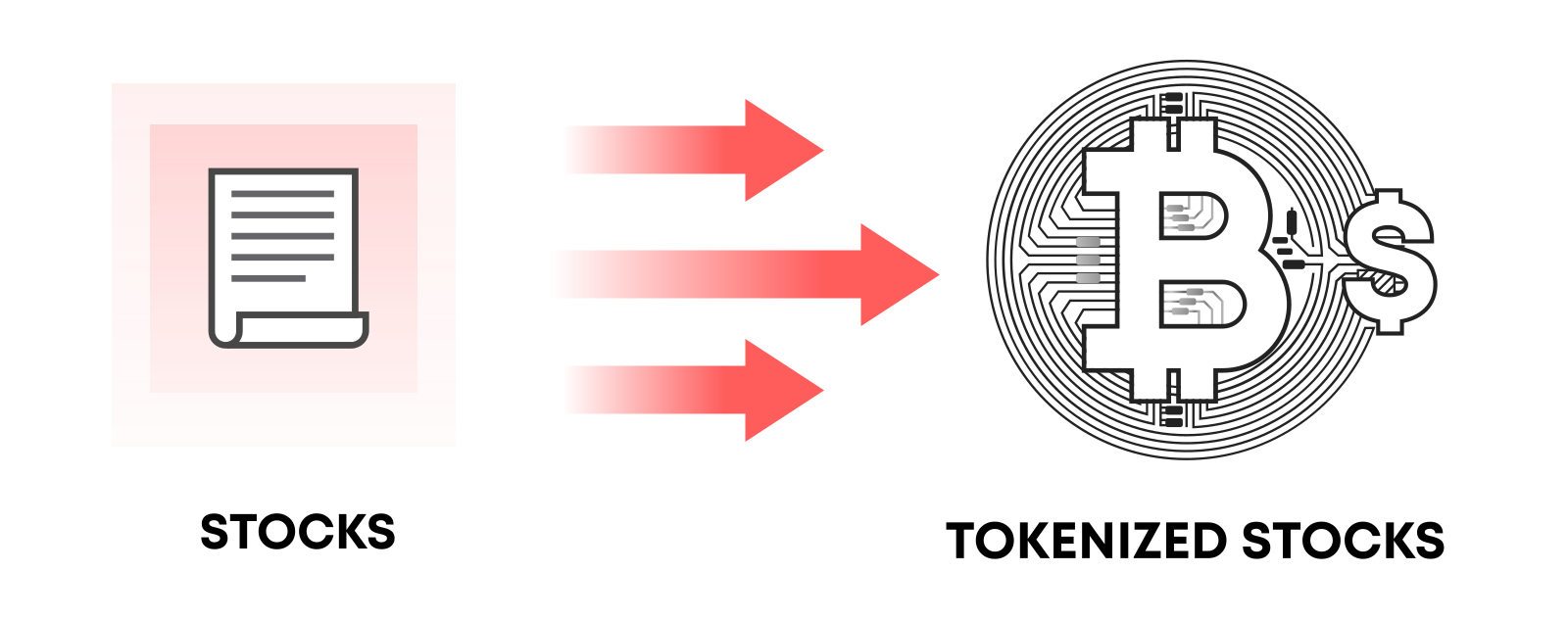
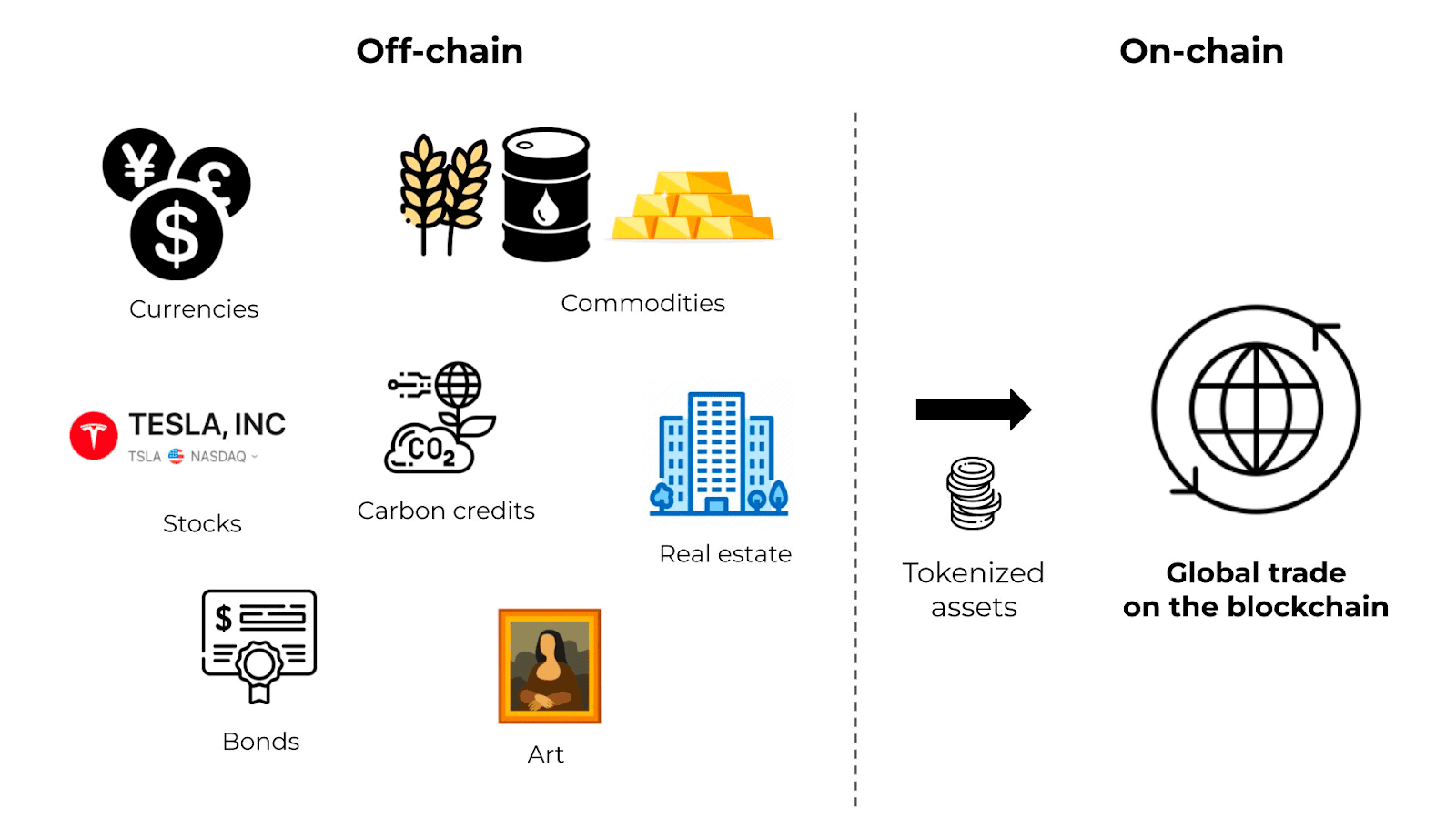
A tokenised stock is a digital token that represents ownership rights in a security. The token can be designed so that holding it confers the same economic rights as owning a conventional share.
Tokenisation is not just about cryptocurrency. It is a method for representing and transferring ownership using blockchain technology while complying with securities laws and market regulations.
NYSE's wording is important because it points to two models:
This model aims to make the token a true equivalent of the ordinary share. NYSE explicitly stated that the venue would support fungible tokenised shares that are fungible with traditionally issued securities.
If it works as intended, you get a cleaner market because a token and a share should not trade at wildly different prices for long.
This model is closer to an issuer choosing to issue shares in digital form from the start. NYSE said the venue is also designed to support tokens natively issued as digital securities.
This represents a significant long-term change, but it is also challenging, as it can affect everything from corporate law to recordkeeping and custody.
U.S. markets already shortened settlement to T+1, meaning most trades settle one business day after the trade date, effective May 28, 2024.
NYSE's concept is a step beyond that. "Instant settlement" typically refers to T+0 or near-T+0 settlement, meaning ownership and cash move much closer to the trade itself.
That matters because settlement time is where much of the hidden risk lies. The SEC itself framed shorter settlement as reducing "time is risk," because less time between trade and settlement means fewer things can go wrong.
Today, the U.S. cash equity market remains the primary arena for price discovery. A 24/7 venue would change that rhythm. If trading becomes continuous, then:
Weekend headlines could reprice stocks sooner
Asian and European hours could carry more influence on U.S. share prices
Tuesday morning gaps after long weekends could shrink because prices have already moved
That is the opportunity, but it also carries a risk most traders ignore: price discovery can become noisier when liquidity is thin outside peak hours.
NYSE highlighted fractional share trading and "orders sized in dollar amounts."
That is not only a retail convenience. It can change how systematically rebalanced strategies work because fractional capability reduces "leftover cash" friction.
Instant settlement can reduce counterparty exposure, but it also compresses workflows:
Less time to fix mismatches
Less time to source securities for settlement
More need for automated collateral movement
To gain insight into the future of the post-trade system, it's useful to examine its current trajectory.
In December 2025, a leading U.S. post-trade utility announced that its depository received a no-action letter from the SEC, allowing it to offer a controlled tokenization service for certain highly liquid assets. The utility plans to implement this service in the second half of 2026.
That suggests regulators and infrastructure providers are at least exploring a path in which tokenisation lives within a supervised framework, not outside it.
Trading is not only about shares. It is shares plus cash.
NYSE said the platform design includes stablecoin-based funding and "tokenized capital," with the broader aim of preparing clearing infrastructure for always-on trading.
If cash can be transferred in token form around the clock, then settlements can also occur 24/7. If money cannot move, then 24/7 stock trading becomes a promise that breaks at the moment cash needs to settle.
Dividends, splits, mergers, and voting are not optional. They are core to the existence of equities.
The NYSE stated that tokenized shareholders will still have the right to participate in dividends and exercise governance rights.
The operational question is how record dates, entitlement calculations, and cross-system reconciliation would work if ownership were to move continuously around the clock.
A 24/7 equity venue forces practical questions:
When do volatility halts apply, and how do they coordinate with other venues?
How do you run surveillance across continuous trading?
How do you handle opening and closing auctions if "open" never ends?
While these questions don't render the idea unworkable, they clarify why NYSE prioritized obtaining regulatory approvals first.
The NYSE has announced that it will seek regulatory approvals for the platform.
In practical terms, regulators will likely focus on:
Investor protections and market integrity
Custody rules and broker-dealer responsibilities
Surveillance, manipulation controls, and reporting
How the tokenised record ties back to legal ownership and entitlements
A 24/7 token venue can succeed only if it attracts genuine two-sided liquidity.
Liquidity will depend on:
Which stocks and ETFs are eligible first
Whether market makers are incentivised to quote off-hours
How the conversion between token and traditional form works (if fungible tokens are used)
Tokenisation sounds modern, but it still has to survive ordinary problems:
Corporate actions
Index rebalances
Error handling and dispute resolution
Cybersecurity, key management, and access controls
The winners will be the systems that keep these tasks dull and predictable.
| Topic | Traditional U.S. stocks today | NYSE tokenized platform concept |
|---|---|---|
| Trading hours | Main session on weekdays | 24/7 operations (planned) |
| Settlement | T+1 standard for most trades | Instant / immediate settlement (planned) |
| Order sizing | Shares and lots dominate | Dollar-sized orders and fractional shares (planned) |
| Ownership rights | Dividends and voting | Dividends and voting maintained (stated) |
| Post-trade rails | Centralised post-trade workflows | Blockchain-based post-trade systems, multi-chain support (stated) |
| Funding | Bank hours influence settlement | Stablecoin-based funding and tokenized capital (stated) |
A realistic path is not "the whole market goes on-chain overnight". A realistic approach involves a phased roll-out that focuses on highly liquid assets.
A sensible first wave looks like:
Large-cap stocks and major ETFs, where liquidity can support 24/7 quoting
Simple products with fewer corporate action surprises
Cash and collateral rails that reduce settlement friction outside bank hours
If NYSE's venue and DTCC's tokenisation service develop in parallel, the market could end up with a regulated conversion path between traditional and tokenised forms for a core set of securities.
That is when tokenized stocks transition from being a novelty to infrastructure.
NYSE said it will seek approvals.
The platform's success hinges on how regulators classify the venue, the applicable rules for custody and settlement, and the enforcement of investor protection obligations within a tokenized workflow.
24/7 trading sounds smoother, but it can create awkward liquidity pockets. If most trading volume occurs during regular hours, prices outside those hours can be volatile and easier to manipulate.
On-chain systems need well-written code, robust access controls, and proven incident response plans. In equities, a technical failure does not only hurt one platform. It can spill over into broader market confidence.
Stablecoin-based funding is proper, but it adds a new dependency: the quality and availability of tokenized cash.
If tokenized cash is unavailable during stress, instant settlement becomes a constraint rather than a feature.
Continuous trading requires precise entitlement processing. While dividends and voting rights may be promised, it's in the execution at scale where the true challenges often arise.
No. The NYSE announced that its platform is under development, seeking regulatory approvals.
NYSE said tokenised shareholders will participate in traditional shareholder dividends and governance rights.
NYSE plans to facilitate 24/7 trading for tokenised US-listed equities and ETFs, subject to regulatory approvals.
Tokenised settlement could bring parts of the market closer to instant settlement, but T+1 remains the standard for most securities. The SEC moved the market to T+1 to reduce risk, and further changes would require careful design and approvals.
It could reduce settlement risk, but 24/7 trading can also increase off-hours volatility if liquidity is thinner. Both outcomes can be proper at the same time.
A tokenized securities platform from the NYSE is not a cosmetic upgrade. It aims to redesign the trading, settlement, and funding of stocks, featuring 24/7 trading, fractional trading, and instant settlement.
It can enhance the global nature of stock trading, reduce settlement friction, and provide greater access to fractional shares. However, if implemented poorly, it may lead to fragmented liquidity and increased volatility during off-hours.
The real story is not whether stocks can be "on-chain." The real story is whether the market can stay fair and resilient when it never sleeps.
Disclaimer: This material is for general information purposes only and is not intended as (and should not be considered to be) financial, investment or other advice on which reliance should be placed. No opinion given in the material constitutes a recommendation by EBC or the author that any particular investment, security, transaction or investment strategy is suitable for any specific person.