Published on: 2026-06-05
Updated on: 2026-06-05
The Dow Jones Industrial Average closed at a record 51,561.93 on June 4, 2026, climbing 874.86 points, or 1.7%. The bigger story sat beneath the headline. On the same day the Dow set an all-time high, the Nasdaq Composite slipped 0.1% to 26,830.96 and the S&P 500 added just 0.4% to 7,584.31. That divergence is the point. This was not a broad melt-up. It was a sector rotation, with capital moving out of crowded artificial-intelligence trades and into healthcare, financials, and smaller companies.
For investors, the useful question is not whether the Dow can print another record. It is whether the leadership change underneath the record is durable.
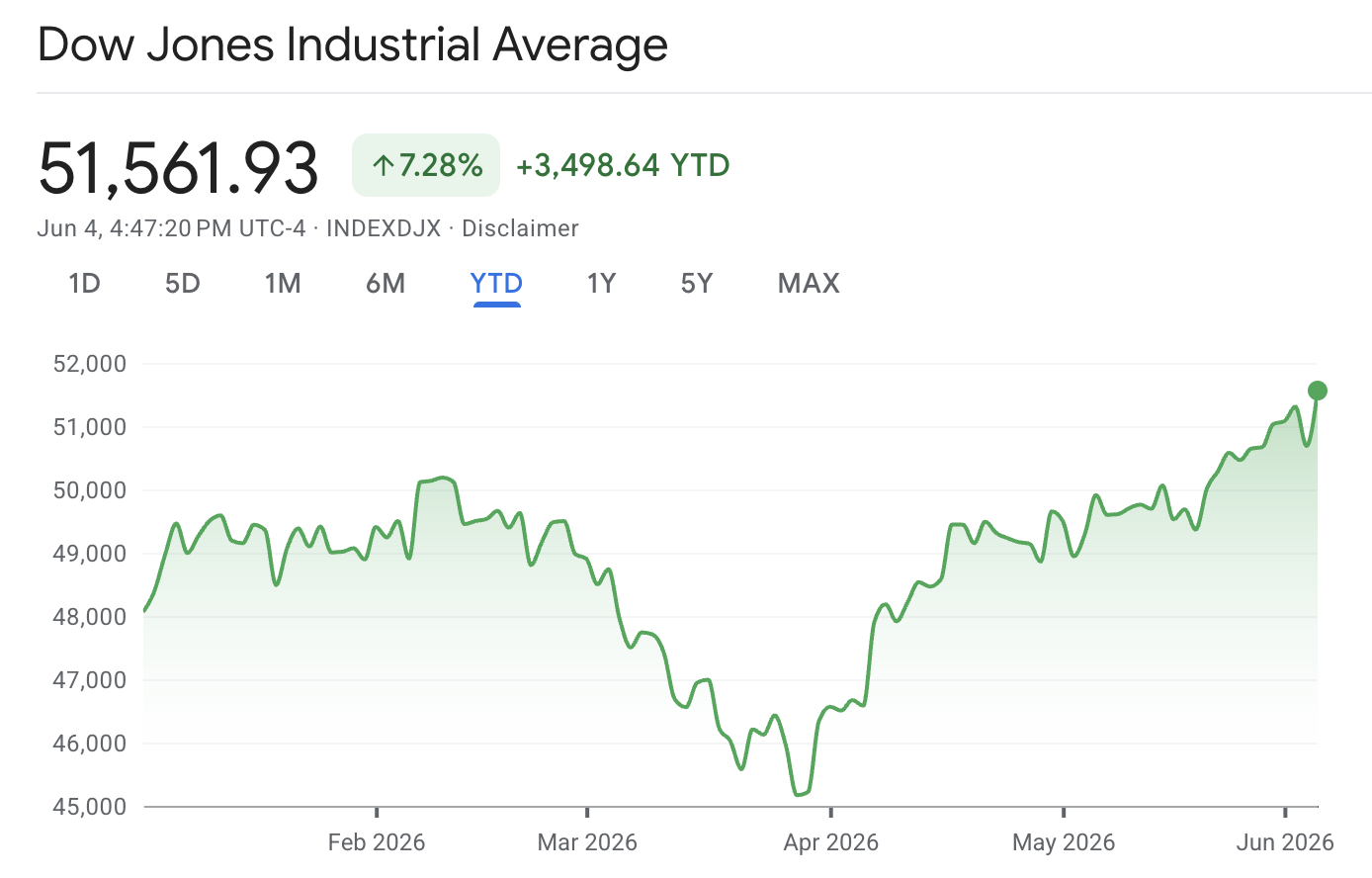
The Dow closed at a record 51,561.93, up 1.7%, while the Nasdaq fell, a classic signature of rotation rather than uniform risk appetite.
Healthcare and financials led, a tilt toward cash-flow durability and away from long-duration growth.
The Russell 2000’s 1.4% gain confirmed the move had real market breadth, not just blue-chip concentration.
The AI trade cooled, with Broadcom dropping roughly 13% on a soft outlook and dragging the semiconductor group lower.
Easing Treasury yields and an oil decline of about 3% supported rate-sensitive and cyclical value names.
Today’s May jobs report is the next catalyst, with consensus near 80,000 to 85,000 jobs and unemployment around 4.3%.
A record high is easy to read as a green light for everything. This one was not. The signal lived in the gap between the indexes.
When the price-weighted Dow makes a record on a day the technology-heavy Nasdaq declines, money is rotating within equities rather than flooding in across the board. Investors stayed invested in stocks, but changed the kind of earnings they were willing to pay for: steadier cash generation, less reliance on distant growth assumptions, and more sensitivity to improving financial conditions.
That is the difference between a risk-on rally and a leadership rotation, and it changes how the day should be interpreted.
| Market Signal | June 4 Reading | What It Suggests |
|---|---|---|
| Dow Jones Industrial Average | 51,561.93, +1.7% | Record led by blue-chip and defensive-quality demand |
| S&P 500 | 7,584.31, +0.4% | Broad market positive but uneven |
| Nasdaq Composite | 26,830.96, -0.1% | Semiconductor and AI pressure capped growth leadership |
| Russell 2000 | +1.4% | Small-cap strength confirmed broader participation |
| Initial jobless claims | 225,000 | Labor cooling, not clear stress |
| Crude oil | Down about 3% | Eased inflation pressure, aided non-tech equities |
The most honest framing of the session is a paradox: the record overstated the day, and the day was still broad.
It overstated the day because the Dow is a price-weighted index. A stock’s influence depends on its share price, not its market value, so a handful of high-priced members can swing the average. UnitedHealth, one of the pricier components, jumped more than 5% after a Bank of America upgrade, and a large percentage move in a high-priced stock translates into an outsized number of index points.
Add high-priced financials such as Goldman Sachs and JPMorgan moving the same way, and the math alone pushes the Dow toward a record even when the broader tape is mixed.
Yet the day was genuinely broad, and the proof is the Russell 2000. Small caps do not benefit from the Dow’s price-weighted quirk. Their 1.4% gain is a clean read on participation, and it says the rotation reached well beyond a few expensive blue chips.
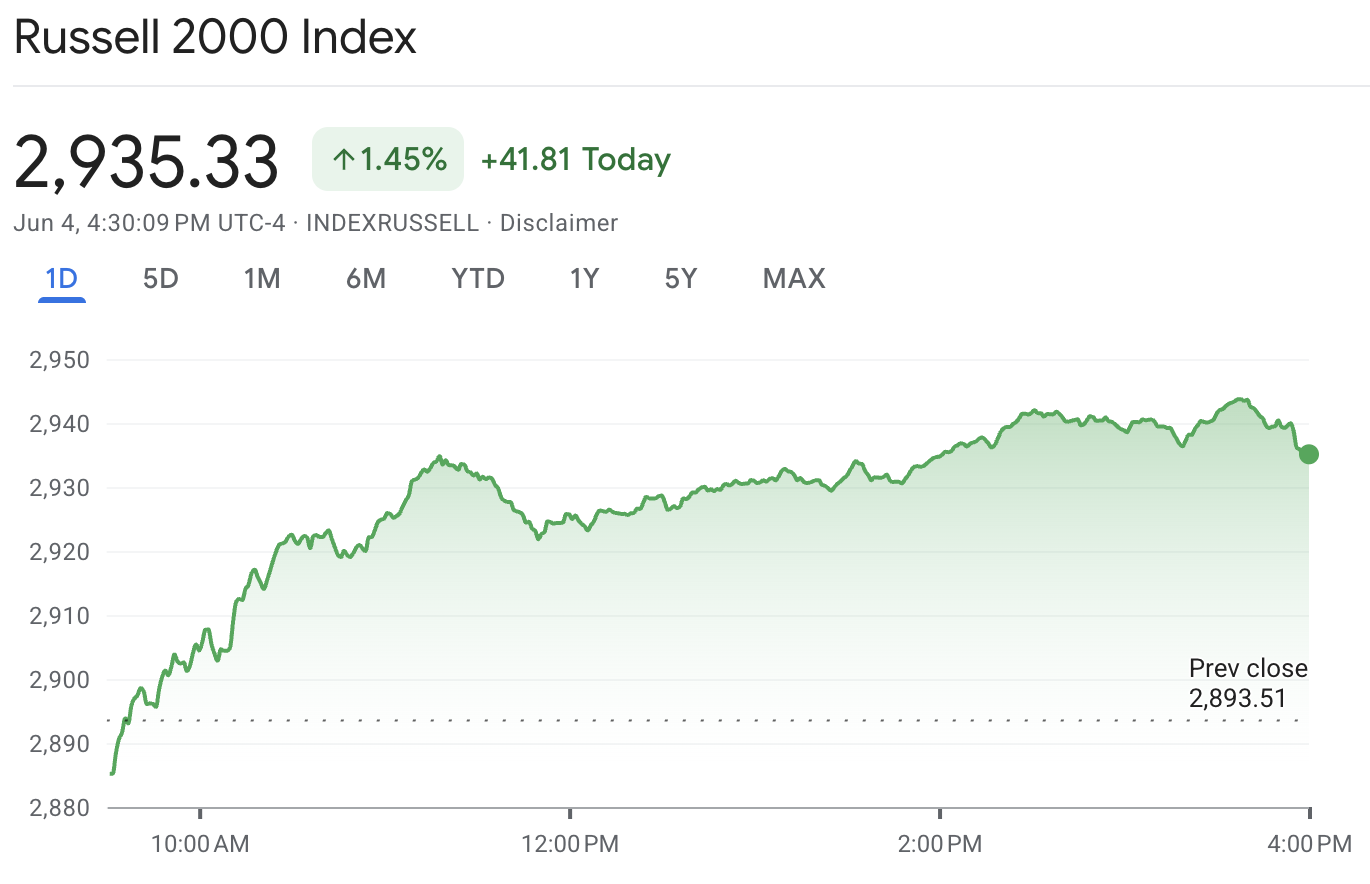
So the record was partly arithmetic and partly real. The Dow’s mechanics flattered the move, while small-cap breadth validated it. Both can be true, and recognizing both is what separates analysis from a headline.
Leadership concentrated in sectors that rarely drive speculative rallies. UnitedHealth advanced on its upgrade, while financials including Goldman Sachs, JPMorgan, American Express, and Visa lifted the index, supported by softer yields and renewed appetite for cyclical value.
The two groups carry different messages that happen to fit together. Defensive healthcare draws capital when investors want earnings they can forecast, since demand holds up across the economic cycle. Financials are the opposite signal, a cyclical vote that credit conditions are stable and the expansion is intact.
On their own, healthcare looks cautious and financials look confident. Arriving together, alongside small-cap gains, they describe a rotation that is defensive without being fearful.
The record landed on a day the market raised the bar for artificial-intelligence exposure. Broadcom fell about 13% after an outlook that failed to clear elevated expectations, and the disappointment spread across the semiconductor group. This was not the AI theme breaking. It was the market maturing in how it prices it.
Early in a cycle, exposure to a theme is enough to lift a stock. Later, investors start to discriminate, separating companies with visible order books, durable margins, and capital discipline from those trading mainly on association. That shift explains the rotation’s plumbing.
When the most crowded trade pauses, capital does not necessarily leave equities. It looks for less expensive, less crowded places to stay invested, and on June 4 healthcare, financials, and small caps were the destination.
Rotations need a catalyst, and the macro tape provided one. Treasury yields eased and crude oil fell about 3%, a friendlier mix for banks, smaller companies, and non-tech equities. Lower energy costs relieve input-price pressure, and softer yields support valuations and rate-sensitive sectors.
The labor data reinforced it. Initial jobless claims rose to 225,000 for the week ending May 30, up from a revised 212,000 and the highest in several months, but still consistent with a labor market that is cooling rather than cracking.
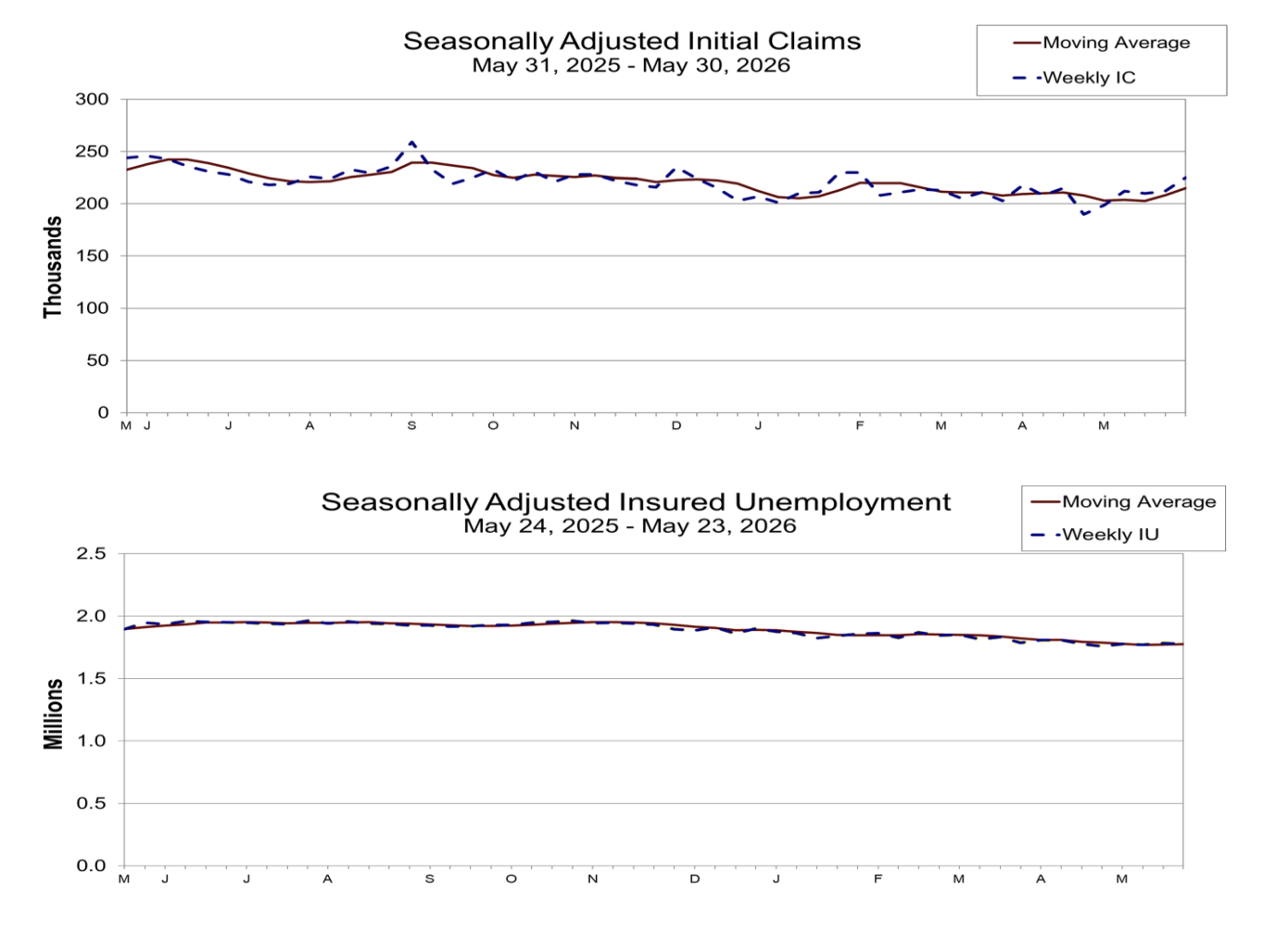
Private-payroll data from ADP earlier in the week showed 122,000 jobs added in May, hinting at resilience. For equities, that blend is supportive: a softer labor market keeps the Federal Reserve patient without yet threatening corporate earnings.
The balance is delicate. If yields are falling because inflation pressure is fading, the rotation can extend. If they are falling because growth expectations are deteriorating, the same defensive bid takes on a warier meaning.
A one-day reshuffle is not a trend. The record gains weight only if the leadership pattern holds across several sessions, so watch the pattern rather than the next high.
Confirmation would look like healthcare strength that broadens beyond one or two names, financial gains led by banks, insurers, and card networks rather than a single stock, continued small-cap resilience while yields stay contained, semiconductor weakness that remains selective, and stable credit indicators showing financials are rising on confidence.
The thesis weakens on a sharp rebound in Treasury yields, renewed oil-price pressure, broad weakness across semiconductors and software, a small-cap reversal despite easier yields, or labor data that flips from cooling to clear deterioration.
The immediate test is today’s May employment report, due at 8:30 a.m. Eastern, with consensus near 80,000 to 85,000 jobs and unemployment around 4.3%. A figure close to consensus would keep the Fed on hold and support the current setup. A much hotter print could lift yields and pressure rate-sensitive leadership, while a sharply weaker one could turn a measured rotation into a growth scare.
Because money rotated within equities. Investors trimmed crowded AI and semiconductor positions after Broadcom’s weak outlook and moved into healthcare, financials, and small caps. The Dow is weighted toward those blue-chip value names, while the Nasdaq is dominated by technology, so the two indexes diverged.
Not necessarily. The Dow tracks 30 stocks weighted by share price, so a few high-priced winners can lift it even on a mixed day. The Russell 2000’s gain is what confirmed broader participation this time.
Sector rotation is capital shifting between parts of the market rather than leaving it. The June 4 move suggests leadership may be broadening beyond mega-cap technology, which can make a rally more durable if it continues.
A moderate report supports the soft-landing backdrop that favors value and rate-sensitive stocks. A much stronger number could push yields up and challenge that leadership, while a much weaker one could shift the mood toward growth fears.
The Dow’s level grabs attention, but its composition is the signal. A record built on AI and semiconductors would mean one thing. A record built on healthcare, financials, easing yields, and small-cap breadth, and flattered by the Dow’s price-weighted math, means another. That is the defensive rotation behind 51,562. It is not a warning. It is evidence that market leadership is changing shape, with investors still committed to equities but increasingly selective about where the risk should sit.
Whether this becomes a healthier, broader advance or a fragile one depends on follow-through in banks, healthcare, and small caps, and on whether the repricing of technology stays orderly.
This article draws on primary data and reporting from the following:
ADP National Employment Report, May 2026 private-payroll data.
S&P Dow Jones Indices, Dow Jones Industrial Average methodology and the Dow Divisor.
Economist surveys on May payroll expectations compiled by FactSet, Bloomberg, and Dow Jones.
Index levels, the Dow Divisor, and economic figures change over time and should be verified against the primary releases before republication.