Published on: 2026-07-17
Updated on: 2026-07-17
High-tech stock sell-offs in Asia triggered $46.1 billion in net foreign capital outflows from emerging market equities in June, marking the second month in a row that developing economies faced portfolio losses, the IIF report revealed.
Foreign investors withdrew $30.5 billion from South Korean stocks—the largest sell-off in over 25 years, while Taiwan equities shed $18.3 billion. Crowded trades and volatile energy prices are spurring unease.
Crude prices have jumped to one-month high this week, as the US is set to block the Strait of Hormuz. Traffic had begun to increase during a fragile ceasefire agreed in June, but had slowed as tensions rose.
Russian energy supplies have also been disrupted as Ukraine ramps up attacks on refineries. The Fed may tend to err on the side of caution by rate hikes; Asia bears the brunt of increasing import costs.
According to a Bloomberg report, Samsung Electronic is tentatively exploring the possibility of ADRs. The successful US listing of SK Hynix has given the firm fresh motivation to revisit the idea.
It comes at a time for the global AI and hardware trade, adding to several near-term headwinds for tech boom. South Korea trigged a bourse-wide circuit breaker on Monday, the 6th time in the second half of 2026.
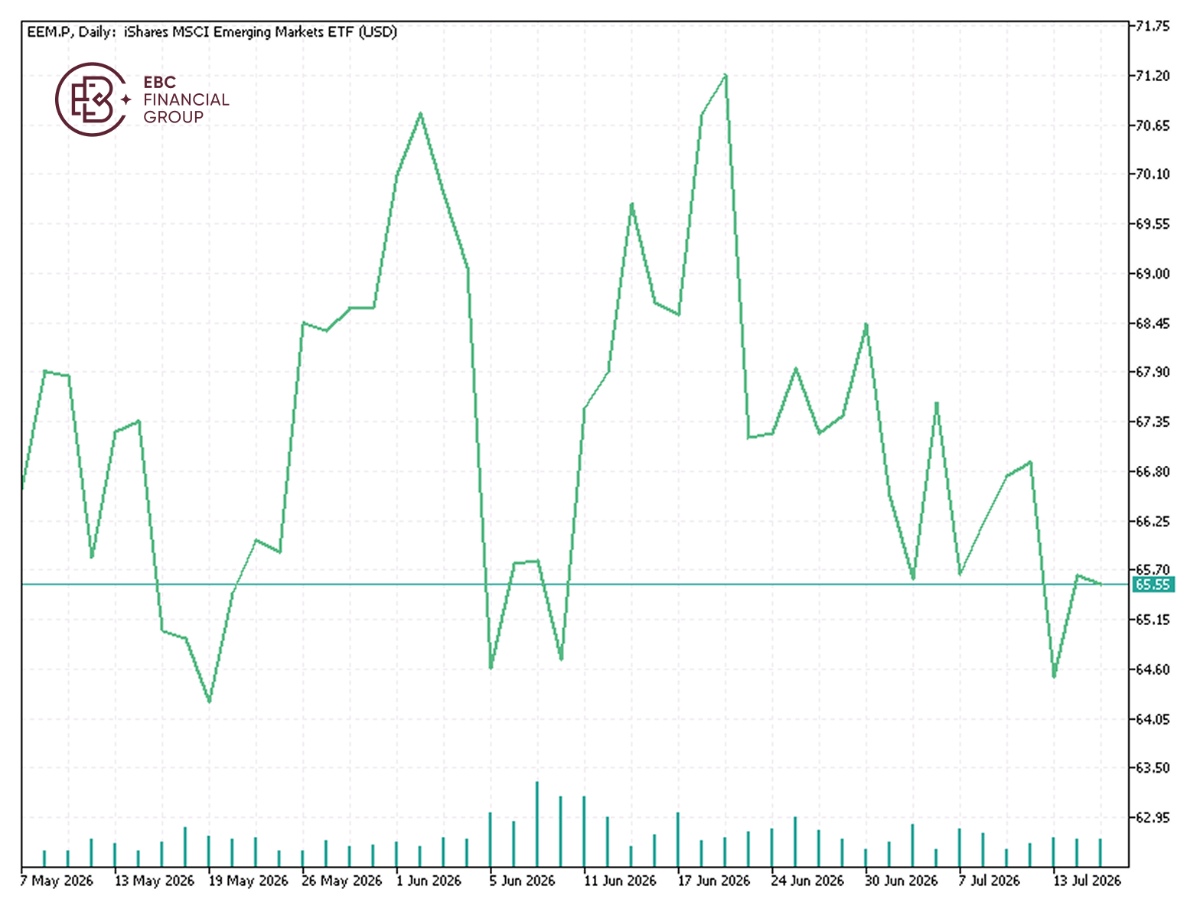
The total weighting of TSMC, Samsung Electronics and SK Hynix in the iShares MSCI Emerging Markets ETF is now nearly triple that of all its Indian stocks. That could erode a main reason for allocating to EM equities.
Samsung Electronics flagged a 19-fold jump in Q2 operating profit, surpassing its combined earnings over the past three years. However, the strong results failed to satisfy shareholders.
JPMorgan projects memory pricing will remain the primary earnings driver going forward as strong US hyperscaler demand could cause conventional NAND pricing to exceed investor expectations.
Although the memory chip supply is projected to stay tight through Q3, investors are turning their attention to a potential deceleration in memory price hikes during the second half of the year.
TSMC posted record earnings in Q2, and raised its 2026 full-year revenue growth projection to slightly above 40%. An additional four plants would probably be built in Arizona.
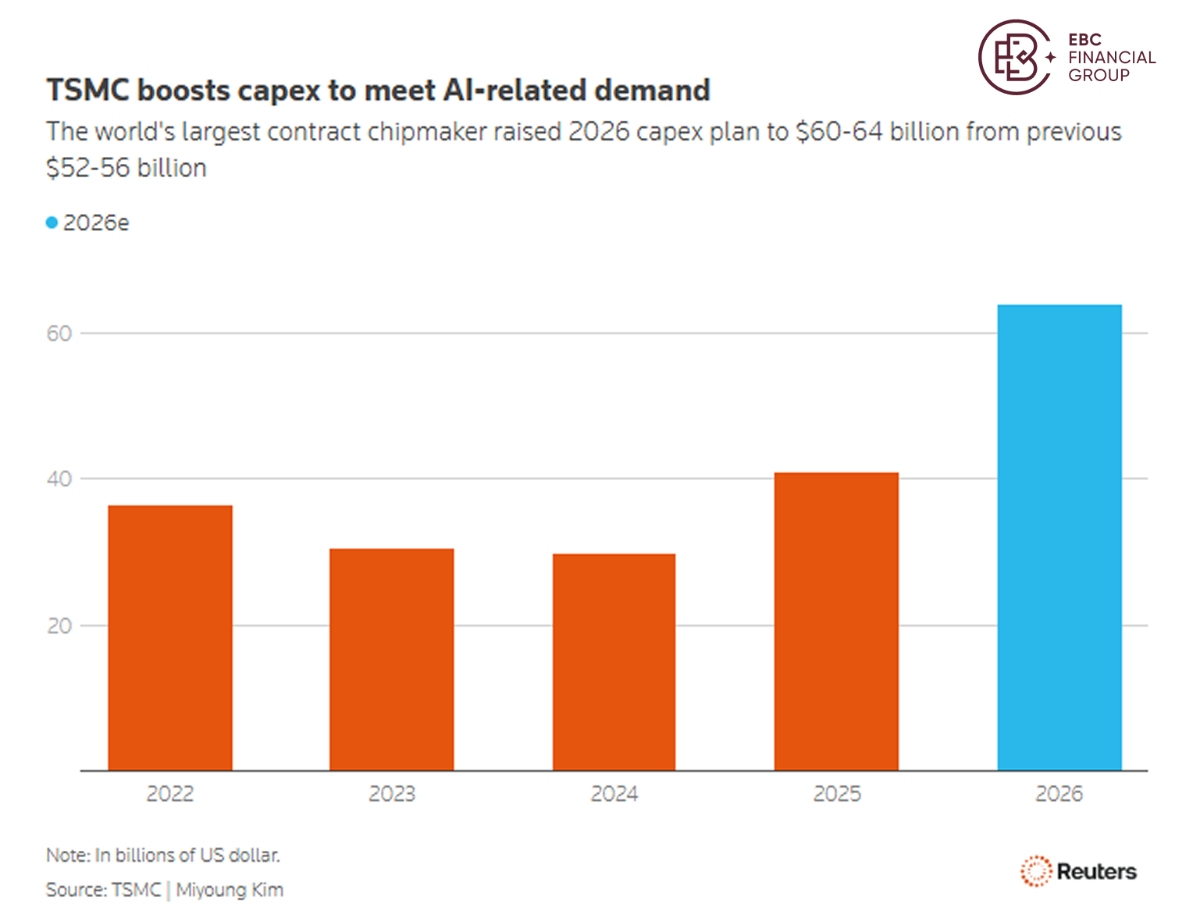
According to experts, robust demand persists for the company's advanced CoWoS packaging technology alongside its 3-nanometer and 2-nanometer AI chip manufacturing processes.
BlackRock said asset managers are happy to take profit at this point. Losses at its foundry and logic chip businesses are expected to widen because bonus expenses are allocated across the semiconductor division.
"That's the nature of the technology industry anyway … As an investor, monopolistic businesses always generate fantastic profits and are very good stocks," said Sunil Tirumalai, head emerging market equity strategist at UBS.
South Korea raised its 2026 growth forecast to a five-year high of 3%. Meanwhile, it pledged measures to counter persistently high inflation, a weak currency and elevated bond yields linked to the Middle East conflict.
Inflation was forecast at 2.6% for 2026 amid oil prices, marking the fastest since 2023. The BOK raised its benchmark interest rate for the first time in more than 3 years and signalled more to come.
Traders are preparing for volatile won trading, as a rare surge of dollar inflows from SK Hynix's secondary listing is expected to provide a powerful but temporary boost to the battered currency.
A potential appreciation has a high potential to intensify the ongoing stock sell-off. The manufacturing products would be more expensive aboard, eroding completive edge against rivals.
Some have already seen the biggest challenge coming from a pair of Chinese businesses preparing to list later this year: Changxin Memory Technologies and Yangtze Memory Technologies Corporation.
Local financial regulator will announce new measures on single-stock leveraged ETFs soon, chief Lee Eog-weon said on Thursday, likely squeezing retail investors that are looking to buy the dip on margin.
Analysts warn of a "vicious circle" where extreme stock volatility in Seoul imports wild trading swings directly into the Nasdaq, which then reflects back into the local Korean market.