Published on: 2026-03-10
Updated on: 2026-03-10
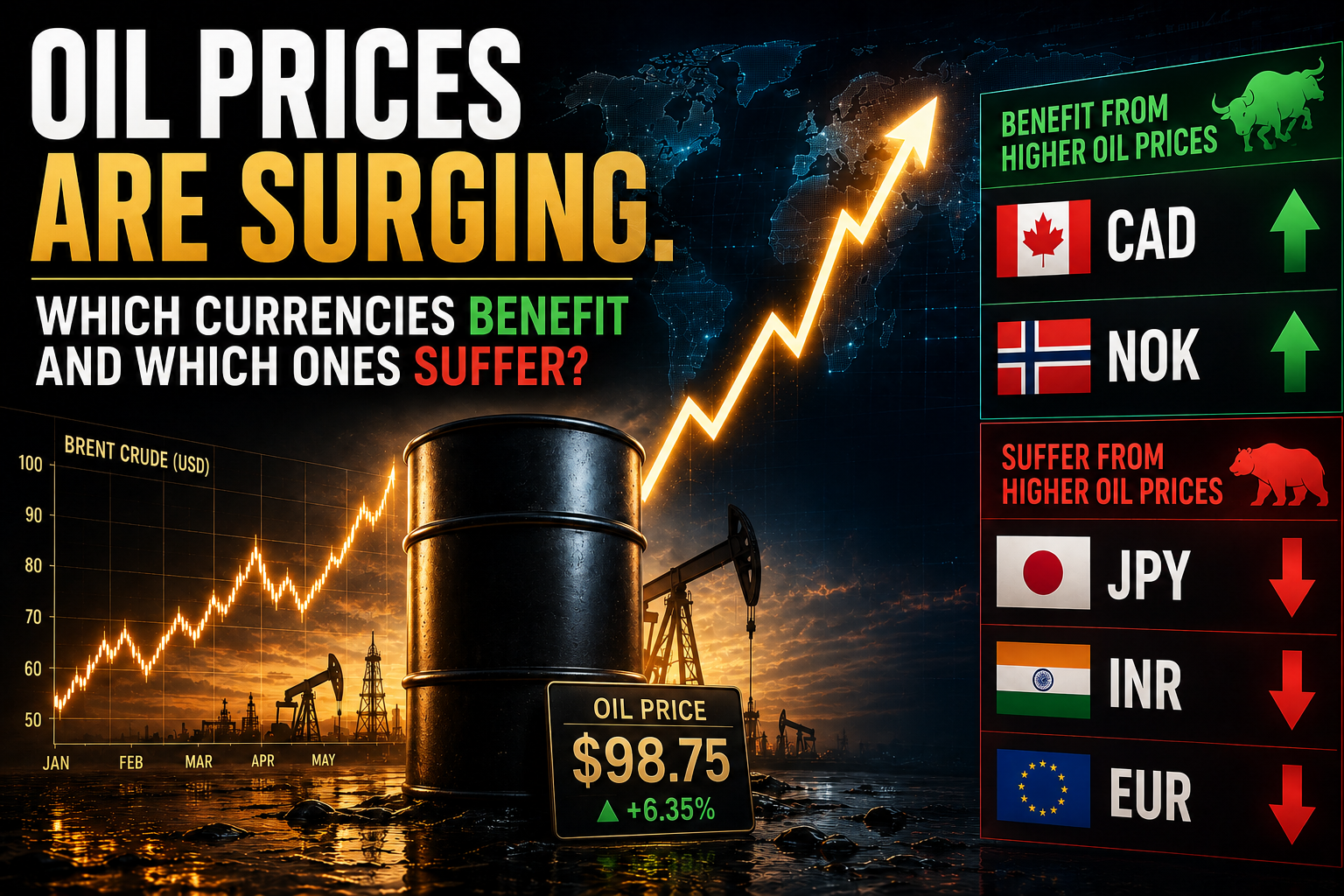
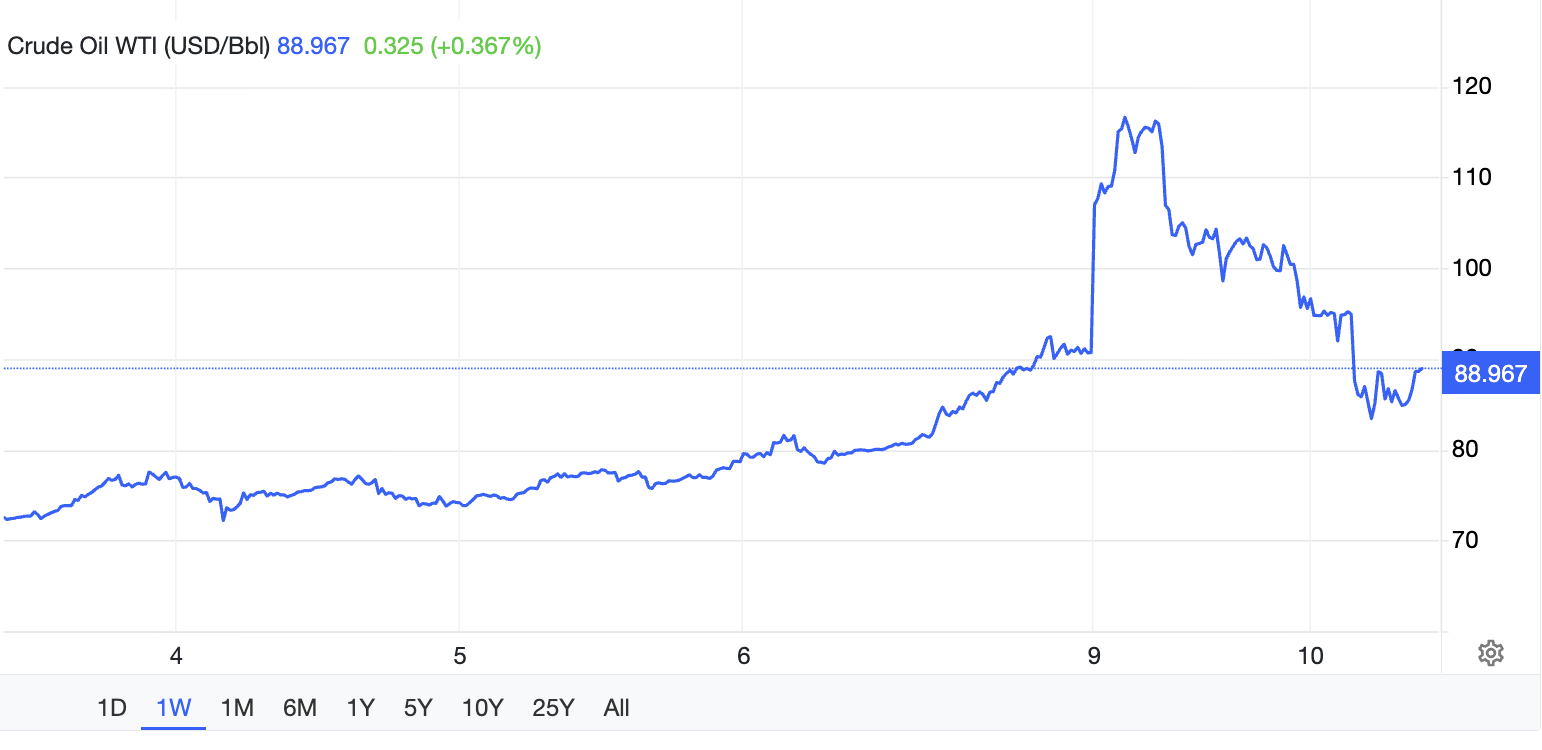
Oil prices plummeted back into the high-$80s after surging to a four-year high overnight, as traders quickly reduced the market’s geopolitical risk premium.
Earlier, Brent crude surged to an intraday high of $119.50 a barrel, and WTI climbed to about $119.48, pushing both benchmarks to their highest levels since 2022, before the rally broke sharply and Brent fell back below $90.

The move captured two forces at once: an immediate geopolitical shock tied to the Strait of Hormuz, and a fast reassessment of whether that worst-case supply scenario would actually last.
Brent reached $119.50 and WTI $119.43 during the initial surge, then both reversed sharply as the market reassessed the probability of a prolonged supply shock.
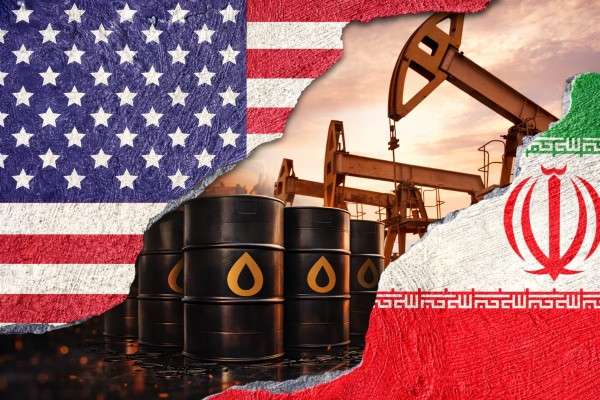
The initial surge was primarily driven by geopolitical concerns, particularly fears that conflict involving Iran would disrupt flows through the Strait of Hormuz.
The pullback accelerated after headlines pointed to possible de-escalation, G7 readiness to act, and growing expectations that emergency stocks could be used if the disruption worsened.
The following table integrates current market data with official energy agency analysis to clarify the factors driving recent price volatility.
| Metric | Latest Reading |
|---|---|
| Brent Intraday Peak | $119.50 |
| WTI Intraday Peak | About $119.5 |
| Brent On March 10 | $88.54 |
| WTI On March 10 | $86.10 |
| Strait Of Hormuz Flow | 20 million b/d |
| Share Of Global Seaborne Oil Via Hormuz | About 25% |
| EIA 2026 Inventory Build Forecast | 3.1 million b/d |
| EIA 2026 Brent Forecast | Under $60 |
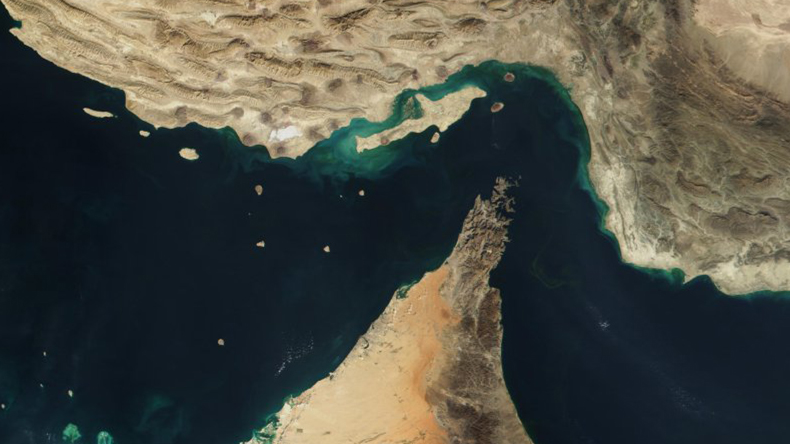
Oil price surged first because traders rushed to price in a severe geopolitical supply shock. The market feared that conflict involving Iran could disrupt flows through the Strait of Hormuz, one of the world’s most important oil chokepoints.
The IEA says the strait handled an average of 20 million barrels per day of crude oil and oil products in 2025, accounting for about 25% of global seaborne oil trade.
So, even the risk of disruption was enough to send Brent briefly to $119.50 a barrel before panic buying, hedging, and short covering pushed the move further.
Oil prices then plummeted as the market quickly began to cut the war-risk premium.
The sharpest part of the pullback came after President Trump suggested the conflict could end “very soon,” which investors read as a sign that the probability of an immediate worst-case escalation had fallen.
This was in addition to the G7's readiness to act if conditions worsened, reducing the odds of a prolonged worst-case supply outage.
At the same time, traders were forced to confront a softer underlying backdrop: the EIA still expects global oil production to exceed demand in 2026, with inventories projected to build by about 3.1 million barrels per day.
That made it harder for crude to hold panic highs once the immediate fear eased. In simple terms, oil rose on geopolitical shock, then fell when traders decided the physical shortage was still a risk, but not yet a confirmed reality.
The oil market did not enter this shock from a structurally tight position. That matters. When a market is already undersupplied, geopolitical spikes tend to stick.
When a market is expected to remain well supplied, traders need stronger proof of a lasting outage to keep prices at extreme levels.
That is why crude oil prices today are no longer trading only on conflict headlines. They are trading on the gap between a real geopolitical threat and a softer medium-term supply backdrop.
Once the immediate fear eased, the market went back to asking a harder question: Is there an actual, sustained barrel loss here, or only a temporary shock premium?
| Benchmark | Latest Price | 1D | 1W | 1M |
|---|---|---|---|---|
| Brent | $89.43 | -9.63% | +9.11% | +28.87% |
| WTI | $88.64 | -6.47% | +18.72% | +37.14% |
Key Overview: Brent and WTI remain sharply higher over the past month, but both posted steep one-day declines, suggesting oil is still trading with high volatility following a recent geopolitical spike.
The next move depends on whether the market gets confirmation of a lasting physical disruption or more evidence that the shock can be contained.
Watch tanker flows and export routes: If Gulf exporters remain constrained and shipping through Hormuz stays impaired, the risk premium can rebuild quickly.
Watch policy intervention: Any clearer move toward coordinated stockpile releases or emergency supply measures could keep a lid on prices.
Watch the difference between headline risk and actual supply loss: Headline risk can move oil violently for a day. Sustained triple-digit oil usually needs a deeper and more durable shortage in the physical market.
Oil surged because traders feared that conflict around Iran could seriously disrupt flows through the Strait of Hormuz, one of the world’s most important oil chokepoints. Once that risk entered the market, Brent and WTI rapidly priced in a large geopolitical premium.
Oil fell because the market began to price less escalation, more policy response, and a lower probability of a long-lasting physical shortage. De-escalation signals and talk of emergency reserve releases were enough to break the panic trade.
It is both, but in sequence. Geopolitics caused the spike. Fundamentals drove the reversal's speed. Once the immediate supply fear eased, traders had to confront a 2026 market that still looks oversupplied on EIA forecasts.
Yes, but it would likely require a clearer and more durable supply shock, especially around Gulf exports or Hormuz transit. Without that, the market may struggle to hold triple digits amid expected inventory builds and supply growth.
In short, oil surged on fears that a Gulf-wide supply and shipping disruption could choke exports through Hormuz, then plummeted when traders cut that Gulf war-risk premium as the market reassessed how lasting the disruption would be.
The drop came after markets saw signs that the worst-case scenario might not last, including G7 readiness to use emergency measures if needed, while traders also refocused on a softer 2026 oil backdrop.
Disclaimer: This material is for general information purposes only and is not intended as (and should not be considered to be) financial, investment or other advice on which reliance should be placed. No opinion given in the material constitutes a recommendation by EBC or the author that any particular investment, security, transaction or investment strategy is suitable for any specific person.
1) EIA