Published on: 2026-03-05
Updated on: 2026-03-05
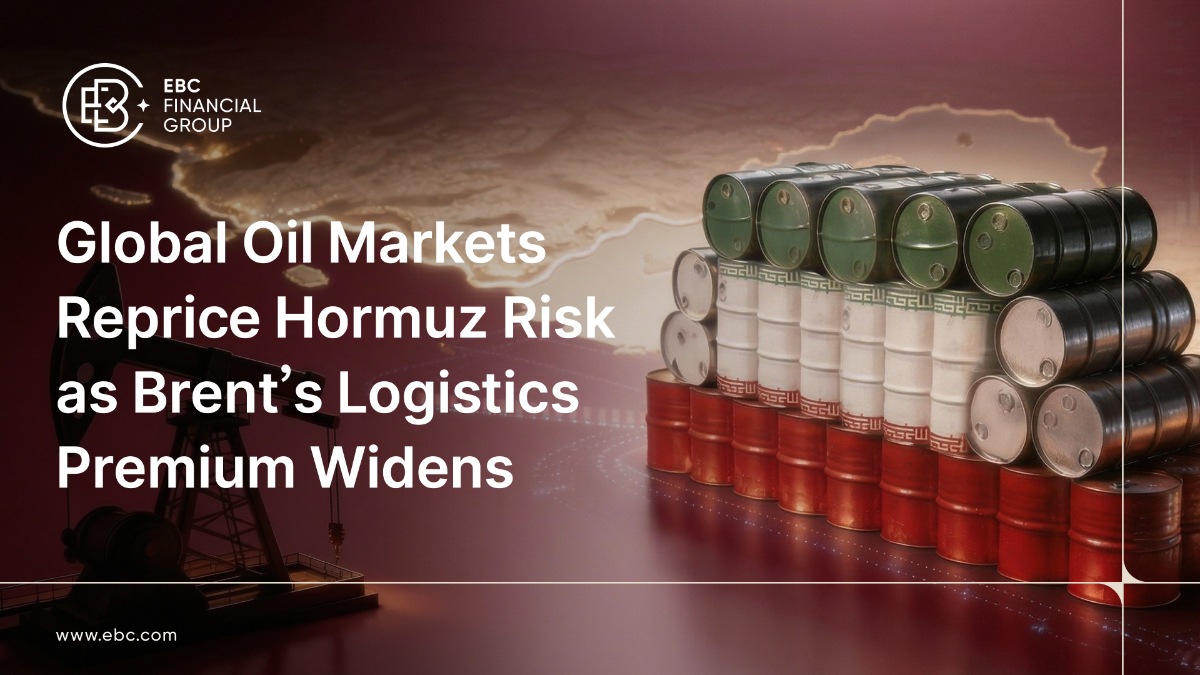
Oil markets reopened sharply higher after US
and Israeli strikes on Iran over the weekend, bringing Strait of Hormuz transit
risk back into the pricing core. This initial move suggests traders are pricing
not only potential supply disruption, but also the probability of friction in
shipping, insurance, and routing. Brent briefly reached $82.37 per barrel and
rose around 8% intraday, signalling a fast repricing of the "delivered barrel",
where the cost and certainty of transport can matter as much as upstream
output.
"Brent is trading the price of confidence in transit," said David Barrett, Chief Executive Officer, EBC Financial Group (UK) Ltd. "When insurers, shipowners, and charterers reassess risk at the same time, the market can widen a delivery premium very quickly. This comes not as a surprise as both geoeconomic confrontation and state-based armed conflicts have been highlighted as top risks in the latest Global Risk Report. Military asset movements in the region changed the question on conflict eruption from 'if' to ‘when'."
EBC considers the Strait of Hormuz central because it is widely recognised as the world's most important oil transit chokepoint, making it a direct conduit from geopolitics to energy inflation risk. No less than 20% of the world's oil supply and petroleum products passes through the 167 km-long waterway between Iran and the Arabian Peninsula. In these episodes, the policy signal is less about official statements and more about whether higher "all-in" energy costs start to influence inflation expectations and broader financial conditions.
The market's immediate sensitivity is operational. A U.S. Maritime Administration advisory has flagged military operations risk in the Strait of Hormuz and nearby waters, a backdrop that can alter routing, transit speed and coverage decisions. In episodes like this, desks tend to watch war-risk pricing, route congestion and whether the Brent prompt spread stays supported, as time spreads often reveal whether the premium reflects delayed cargoes rather than outright shortage.
The next calibration points come from scheduled balance frameworks and near-term maritime risk guidance. The U.S. Energy Information Administration's Short-Term Energy Outlook is due on 10 March 2026, followed by OPEC's Monthly Oil Market Report on 11 March 2026 and the IEA Oil Market Report on 12 March 2026. Attention is on whether these outlooks treat the episode mainly as short-lived shipping friction or as longer effective tightening, which would be more consistent with firmer time spreads and elevated volatility. Before those publications, a practical tell is whether official risk advisories are extended beyond early March, as extensions can influence insurer appetite and routing behaviour faster than macro narratives.
EBC assesses that the key variable is time. As the Strait's chokepoint role leaves limited alternatives, even partial friction can have outsized impact if it persists. A rapid normalisation of transit conditions has tended to unwind in the delivery premium. A prolonged period of elevated risk can keep the delivery premium firmer via insurance and freight assumptions, even without visible supply losses.
Barrett added: "The regime call is about persistence. If transit risk fades, the premium can unwind. If it lingers, the market starts treating higher delivered energy costs as a macro input rather than a headline."
For traders tracking oil's benchmark response to Middle East transit risk, EBC provides access to commodities instruments including Brent Oil (XBRUSD) via the EBC trading platform.
Disclaimer: This material is for information only and does not constitute a recommendation or advice from EBC Financial Group and all its entities ("EBC"). Trading Forex and Contracts for Difference (CFDs) on margin carries a high level of risk and may not be suitable for all investors. Losses can exceed your deposits. Before trading, you should carefully consider your trading objectives, level of experience, and risk appetite, and consult an independent financial advisor if necessary. Statistics or past investment performance are not a guarantee of future performance. EBC is not liable for any damages arising from reliance on this information.