Published on: 2026-05-15
Updated on: 2026-05-15
The Nasdaq 100 easily set a fresh all-time peak with a boost from chipmakers this week, overlooking hotter-than-expected inflation data amid deadlock in the Strait of Hormuz.
The rally comes after Big Tech underperformed the first three months of the year. Investors stick to the idea that AI is a secular trend resilient to the peaks and troughs of the economic cycle.
Morningstar analysis shows the sector offers the best value to investors in years. After another stellar earning season, the AI theme is now trading at its largest discount since 2019.
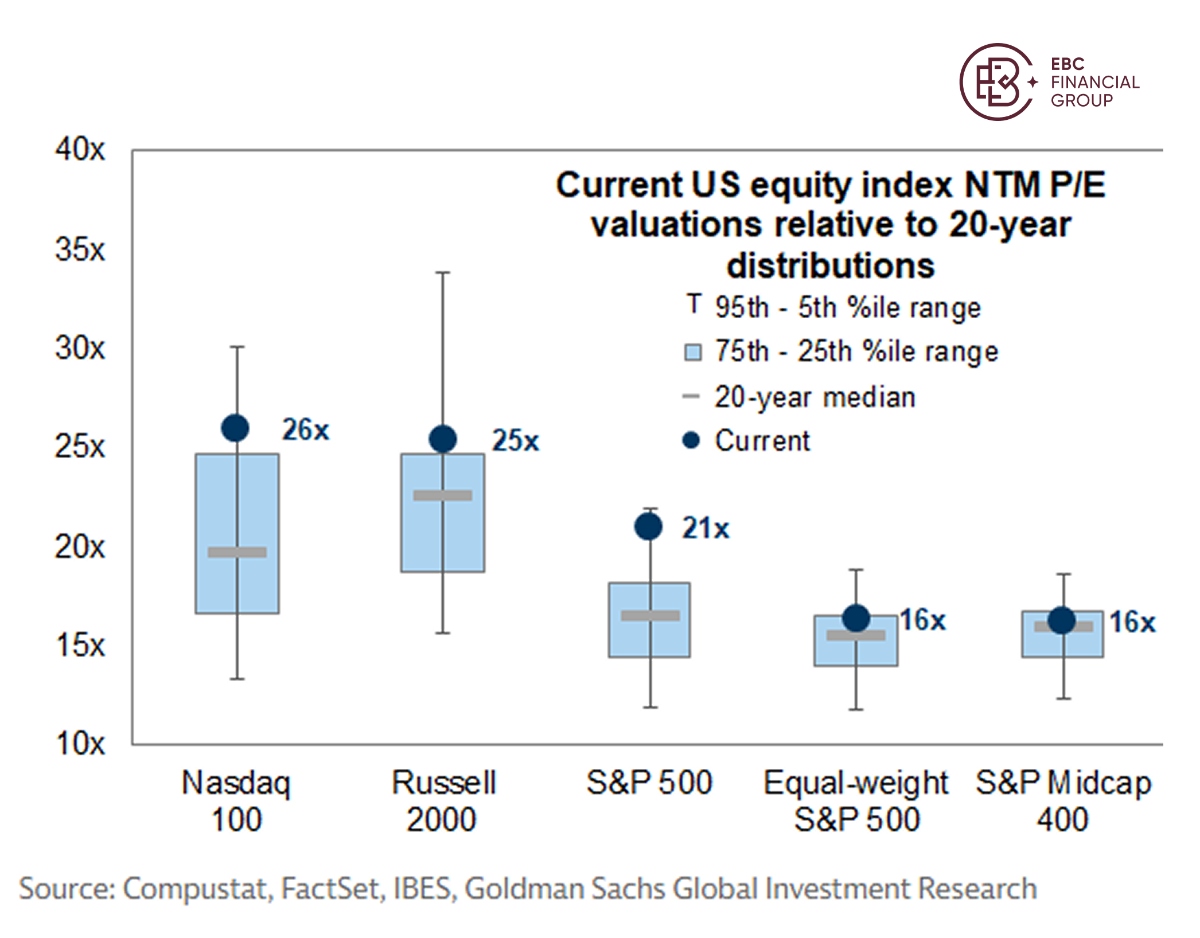
The research pointed to the equity market volatility of early 2026 as leading to a decline from record-high valuations, resulting in "more attractive pricing" for those most impacted.
Tech remains the dominant theme, and is increasingly becoming "the answer to everything and everyone", both a cyclical and defensive trade, as well as the driver of earnings growth, according to JP Morgan Private Bank.
However, the enormous capex remains upsetting. Amazon, Alphabet, Microsoft and Meta are ploughing money totalling $725 billion into their AI capabilities, which has sent free cash flow to a decade low.
That represents a big change for the companies which were labeled asset-light. Now they are among world's biggest as in physical infrastructure, leading to higher financial risk.
Partially magnificent
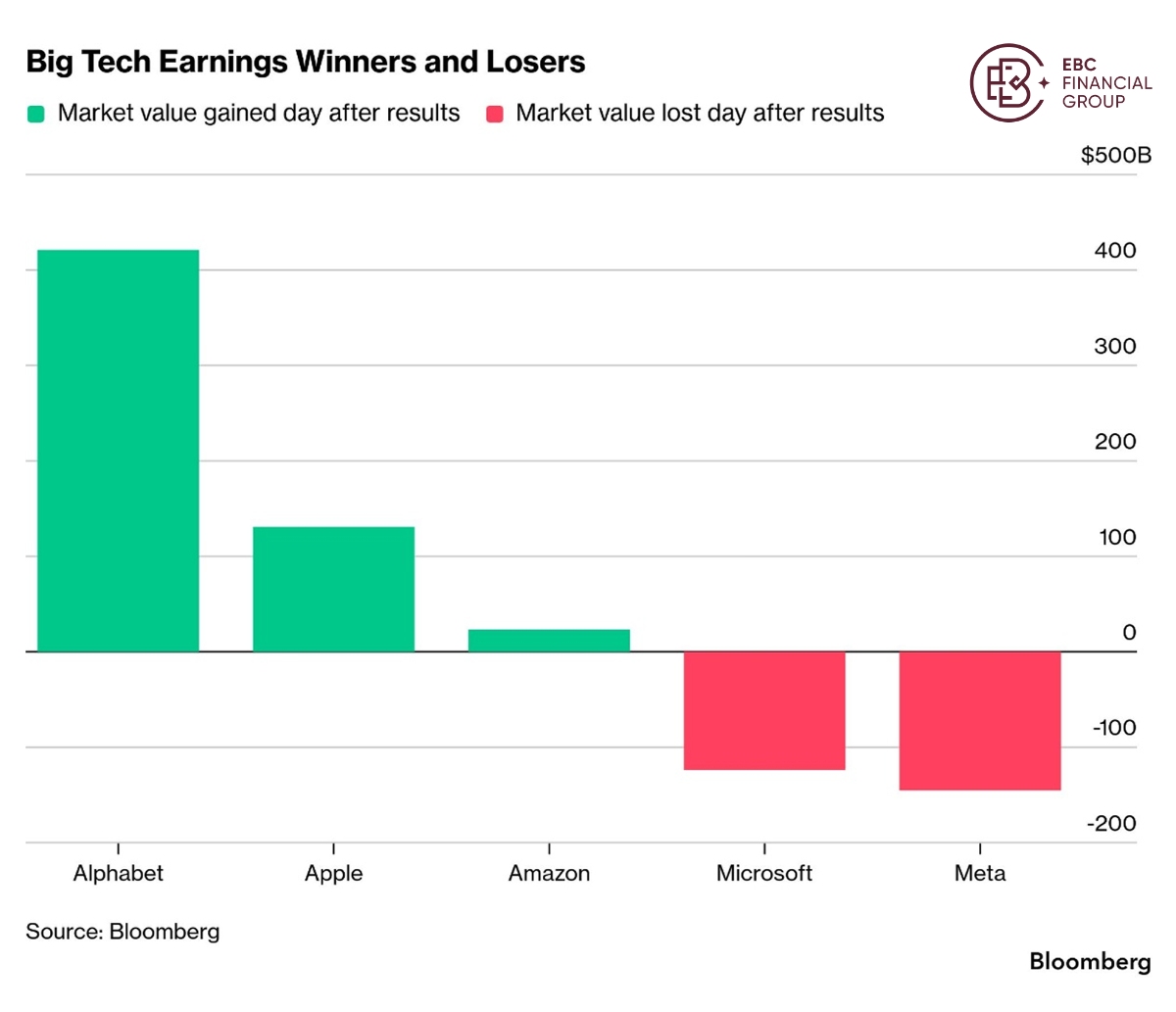
After posting strong Q1 earnings in general, Magnificent Seven stocks are showing divergence. Tesla, Microsoft and Meta are all in the red year to date- the outliers in a market in full swing.
Musk's business has been grappling with brutal global competition in the core EV market. The Robotaxi, Optimus humanoid robots, and FSD software subscription are yet to justify a three-digit PE ratio.
Microsoft called for $190 billion in 2026 spending on soaring memory prices, a big jump from analysts' estimates of $147 billion; Meta raised outlay forecast to $125 billion to $145 billion.
On the other hand, Alphabet and Amazon impressed with substantial cloud revenue growth. But what made a difference is that they have developed efficient in-house chips respectively.
Furthermore, those homegrown products available to external customers – a promising source of income, while Microsoft and Meta remain heavily reliant on Nvidia and AMD's technology.
Apple forecasts revenue growth of as much as 17% in the current quarter, far exceeding Wall Street estimates. iPhone revenue hit a record peak of $85.3 billion, helped by hot demand in China.
Despite that, investors should not jump to a conclusion about AI landscape. Just last year, Alphabet was considered on the losing end of the AI trade, while Meta was being touted as a big winner.
Broadening interests
Nvidia predicted another blistering year, but Wall Street has shifted to businesses that were hardly visible in the initial years of the AI buildout. Memory has been the biggest theme of late due to a global shortage.
Problems for memory-chip consumers have been widespread. Nintendo lately warned of high memory costs hitting margins on its game consoles, after Apple struck a similar tone earlier this year.
As a result, contract prices for NAND chips have surged more than 600% since the end of September, while those for DRAM chips are up nearly 400%, and analysts see the trend continuing.
"Pricing upside should persist as AI-led demand continues to outstrip supply, inventory is tight and HBM supply is locked up under multi-quarter price and volume agreements," JPMorgan strategists.
Micron blew past an $800 billion market cap this week. CEO Sanjay Mehrotra said in March that key customers are only getting "50% to two-thirds of their requirements" because of supply issues.
Beyond memory is insatiable demand for CPUs as momentum shifts from chatbots to AI agents. BofA estimates the data center CPU market could more than double from $27 billion in 2025 to $60 billion in 2030.
Analysts at Goldman Sachs and Bernstein upgraded AMD to buy ratings, after CEO Lisa Su said the company expects 35% growth over the next three to five years in the server CPU market.