Published on: 2026-04-17
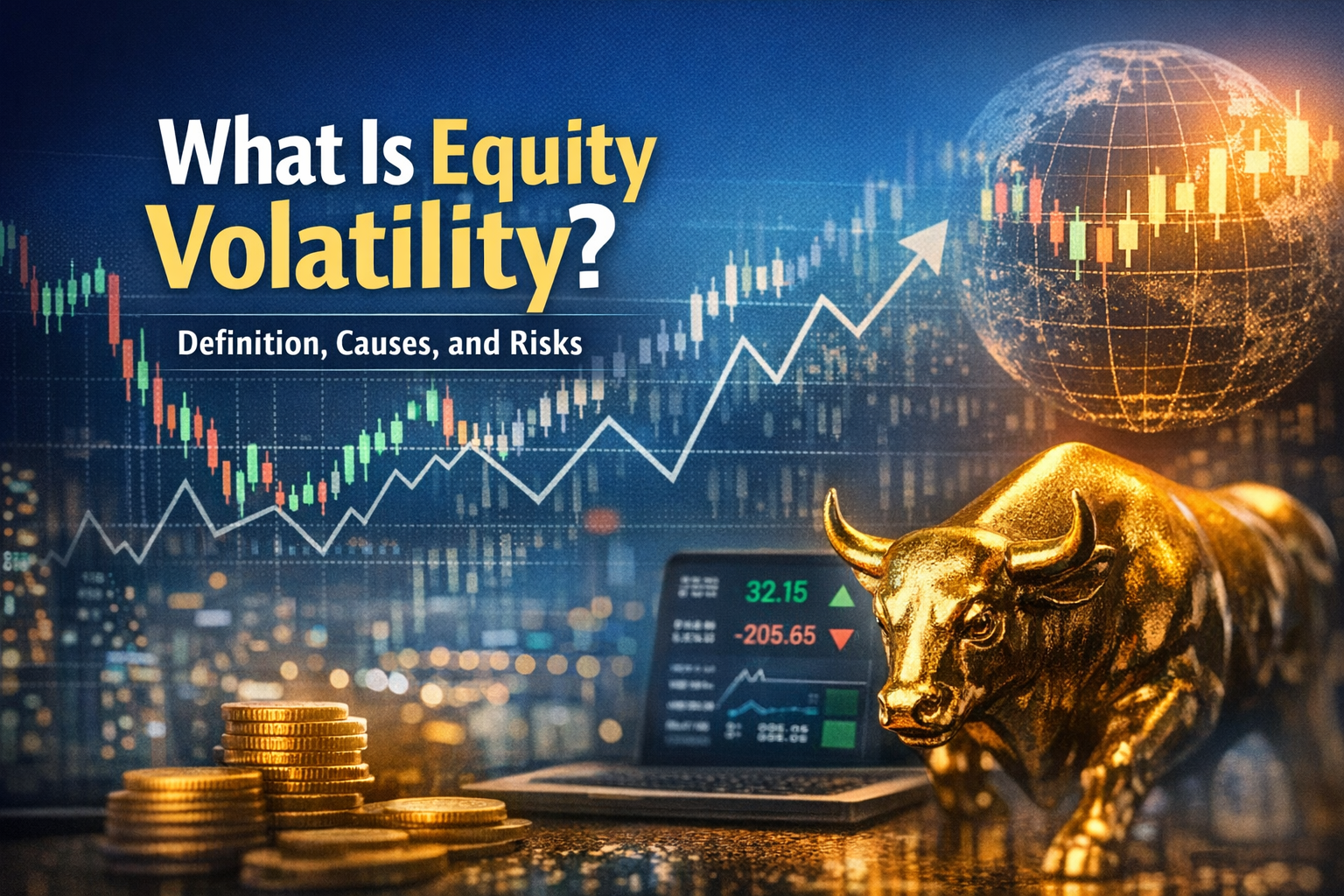
Equity volatility refers to how much and how quickly stock prices, or the broader equity market, move over time. It measures the size and frequency of price swings, not whether prices are rising or falling. When volatility is high, prices tend to move more sharply and less predictably. When volatility is low, price changes are usually smaller and more gradual. One of the best-known market benchmarks is the Cboe Volatility Index, or VIX, which measures market expectations of near-term volatility from S&P 500 option prices.
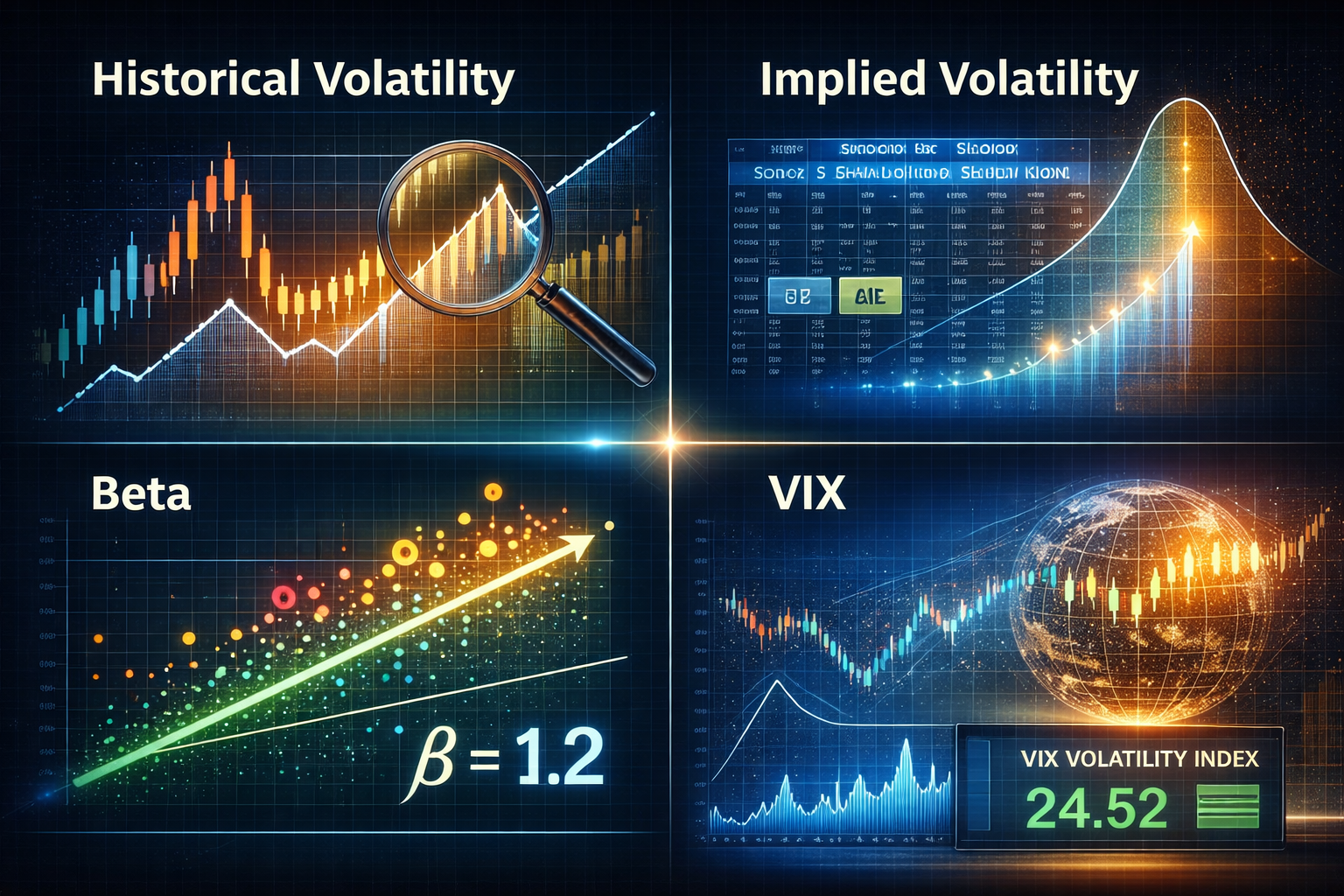
Equity volatility measures how large and how fast the stock price moves.
It is influenced by new information, interest-rate expectations, earnings, liquidity, and market positioning.
Historical volatility looks backwards, while implied volatility reflects expectations embedded in option prices.
High volatility can create opportunity, but it can also increase trading costs, execution risk, and emotional decision-making.
Investors can respond with better position sizing, diversification, rebalancing, and, where appropriate, hedging strategies.
Equity volatility is a measure of how widely stock returns vary over a given period. Investors use it as a shorthand for uncertainty and risk. A stock that frequently makes large moves has higher volatility than one that trades in a narrower range.
Two core concepts matter:
Historical volatility measures how much a stock or index has moved in the past.
Implied volatility is derived from option prices and reflects the market’s expectation of future volatility.
Implied volatility matters because it is forward-looking. If option prices rise sharply, that often signals investors expect larger moves ahead. In broad U.S. equities, the VIX is widely used as a reference point because it tracks expected near-term volatility implied by S&P 500 options.
Volatility matters because it affects far more than short-term price charts. It influences portfolio risk, position sizing, trading costs, and investor behaviour. A more volatile market can force investors to accept wider price swings, smaller position sizes, or longer holding periods to avoid reacting emotionally.
For long-term investors, volatility is not always synonymous with permanent loss. Even so, it can change a portfolio's risk level and make diversification and rebalancing more important. The SEC’s investor education materials explicitly note that investors with shorter time horizons usually prefer less volatile investments, while diversification reduces risk across holdings.
Volatility often rises when new information changes expectations quickly. Inflation data, employment reports, gross domestic product figures, and central-bank decisions can all trigger sharp repricing across equities. This happens because markets are constantly updating views on growth, inflation, and interest rates.
Interest rates matter because they affect how investors value future earnings. When rates rise unexpectedly, equities can come under pressure, especially in sectors where valuations depend heavily on future growth. Federal Reserve research has found that unexpected rate increases can weigh on equity prices, and the Fed’s financial stability reporting shows that equity prices, Treasury yields, and option-implied volatility can all move sharply together during periods of uncertainty.
Not all volatility is market-wide. Individual stocks can become volatile following earnings reports, changes in forward guidance, management updates, litigation, regulatory developments, or product announcements. In these cases, volatility reflects a fast reassessment of a company’s expected cash flows and risk profile.
Options can amplify short-term moves because dealers and other market participants may need to adjust hedges as prices change. This does not mean options always cause volatility, but it does mean options activity can reinforce intraday swings during busy periods. Cboe reported that U.S.-listed options volume reached a record 15.2 billion contracts in 2025, while SEC staff materials show that 0DTE, or zero days to expiry, trading rose from 19.6% of options volume at the start of 2022 to 28% by the end of 2025.
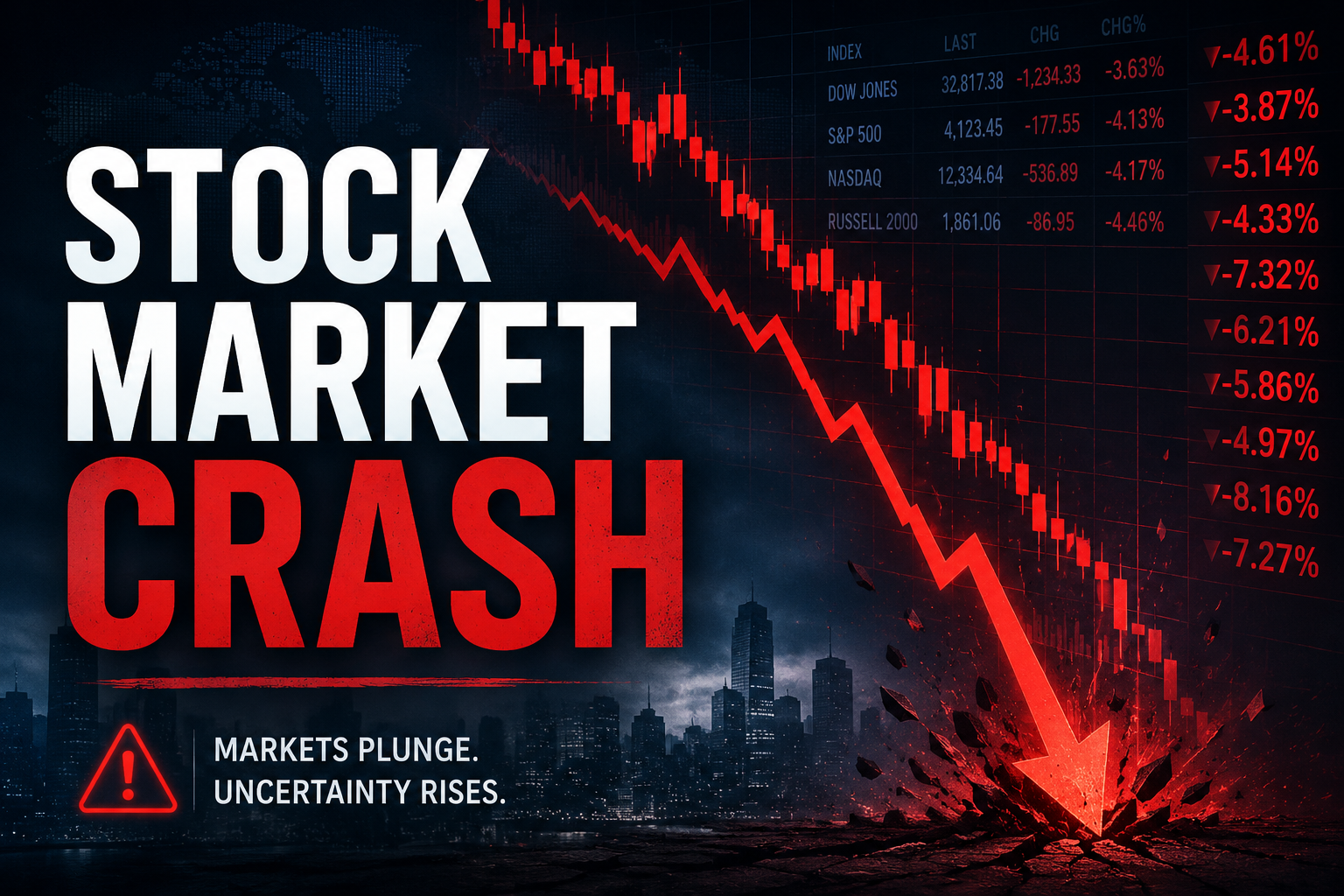
Volatility can also rise when liquidity thins out or when markets absorb sudden shocks. In stressed conditions, bid-ask spreads can widen, trading becomes less efficient, and price gaps become more likely. U.S. equity markets have safeguards such as volatility pauses and circuit-breaker-style mechanisms, which exist precisely because sharp moves can disrupt normal trading.
In practice, professional investors often monitor implied volatility and the VIX closely because both are forward-looking indicators. Historical volatility is still useful, but it says more about what has happened than what the market expects next.
Volatility can create opportunity, but it also creates several clear risks.
Higher execution risk: Fast markets can make it harder to enter or exit at the price you want. Wider spreads and sudden gaps can raise trading costs, especially in less liquid names.
More false signals: Volatile markets often produce sharp reversals and failed breakouts. A move that looks decisive in the moment can quickly unwind.
Volatility clustering: Volatility often comes in bursts. Once it rises, it may remain elevated for a while, keeping risk high even after the initial shock fades. Recent Federal Reserve market analysis also clearly distinguishes between realised volatility and option-implied volatility, as both can remain elevated during stress.
Behavioral mistakes: The SEC warns that short-term trading in volatile markets can carry significant risk of loss, particularly when investors chase momentum, trade on noise, or add leverage through margin or options. In other words, volatility can damage returns not only through price swings but through poor decisions.
Volatility is not only something to fear. It can also be useful when handled with discipline.
A common response to higher volatility is to reduce position size. That helps keep any single move from having an outsized effect on the portfolio.
Diversification spreads risk across holdings, while rebalancing prevents one fast-moving asset class from dominating the portfolio. These are basic but effective tools for dealing with changing volatility.
More advanced investors may use options to hedge downside exposure. Because implied volatility is embedded in option pricing, the cost of protection usually rises when markets become more fearful.
Volatility can create mispricings after exaggerated reactions to news. That said, this is easiest to say and hardest to execute. Investors should be careful not to confuse a cheap-looking price with a low-risk opportunity.
Keep position sizes appropriate for the current market environment.
Focus on liquid stocks and major exchange-traded funds when volatility is high.
Avoid excessive leverage.
Diversify across sectors, asset classes, or risk exposures where appropriate.
Rebalance periodically instead of reacting to every short-term move
Use a clear entry, exit, and risk plan before placing a trade.
For beginners, favour simple risk controls over complex short-term strategies.
There is no single cutoff that applies to every stock or market. In practice, volatility is considered high when price swings are materially larger than normal for that asset or when implied volatility rises sharply relative to recent history.
Not exactly. Volatility measures movement. Risk is broader and includes the possibility of permanent capital loss, liquidity problems, or taking the wrong action at the wrong time.
Not with certainty. Investors can monitor indicators such as implied volatility, the VIX, macroeconomic calendars, and earnings schedules, but no indicator can perfectly forecast future market moves.
These stocks are often priced on expectations of future earnings growth. That can make them more sensitive to interest-rate changes, earnings surprises, and shifts in sentiment.
Beginners are usually better served by focusing on diversification, realistic position sizing, and long-term goals rather than trying to trade every swing. The SEC also warns that short-term trading in volatile markets can expose investors to significant losses.
Equity volatility is a normal feature of financial markets. It reflects how quickly prices adjust to new information, changing expectations, and shifts in liquidity or positioning. On its own, volatility is neither good nor bad. What matters is how investors interpret it and respond to it.
The most effective approach is usually a disciplined one: understand what is driving the move, size positions appropriately, stay diversified, and avoid emotional decisions. Investors who treat volatility as a risk input, not just a headline, are usually better prepared for both opportunity and downside.