Published on: 2026-07-13
Updated on: 2026-07-13
Brent rose 3.1% to $78.38, while WTI gained 3.2% to $73.70.
Vessels are still transiting the Strait of Hormuz, though traffic remains far below normal.
Prices reflect elevated shipping and supply risk rather than a confirmed new loss of Gulf production.
Brent holding above $80 would suggest that traders are assigning a larger and more persistent premium to the disruption.
July’s path depends on whether the disruption stays limited, feeds into physical supply, or begins to ease.
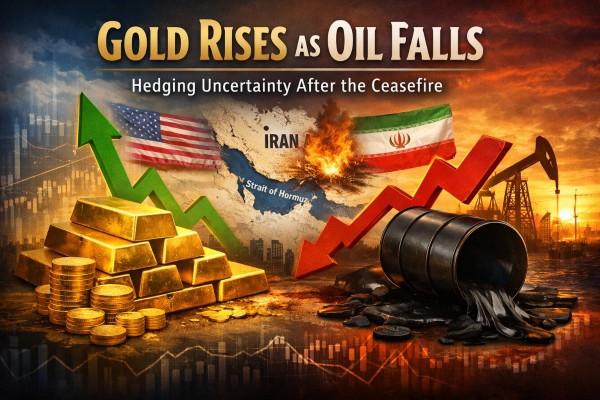
Brent crude climbed about 3.1% to $78.38 a barrel in early Asian trading on 13 July, while West Texas Intermediate (WTI) added 3.2% to $73.70, after fresh attacks reignited concerns over commercial shipping through the Strait of Hormuz.

The move restores part of the geopolitical risk premium that had drained out of the market in recent weeks, yet its relatively contained size tells its own story: for now, traders are not pricing a prolonged halt to Gulf exports.
Oil opened the week firmly higher as traders responded to renewed instability around the Strait of Hormuz, which handled more than a quarter of global seaborne oil trade and around one-fifth of global LNG trade before the conflict.
Market |
Early 13 July Price | Daily Move |
|---|---|---|
| Brent crude | $78.38 | +3.1% |
| WTI crude | $73.70 | +3.2% |
| Brent-WTI spread | $4.68 | — |
The rally pushed Brent back toward the $80 mark and left it trading at a premium of roughly $4.68 to WTI. Brent is more directly exposed to disruption affecting internationally traded cargoes, whereas WTI is partly insulated by US production and domestic pipeline and storage infrastructure.
A gain above 3% is meaningful for a benchmark commodity, but it still reads as measured given how central Hormuz is to global flows. Around 20 million barrels per day passed through the strait in 2024, before the conflict disrupted normal traffic.
The latest leg higher followed renewed attacks involving commercial vessels near the Gulf and a further exchange of strikes between the United States and Iran.
Iran said the strait was closed until calm was restored, while the US military maintained that it remained open. Vessel-tracking data pointed to ships still crossing, but at a fraction of the usual pace.
The US military said more than 140 ships had crossed during the previous week. Before the conflict, nearly 140 vessels transited each day. That contrast shows the heart of the market’s reaction.
Shipping conditions are severely impaired, yet the route has not shut entirely. Traders are therefore pricing a higher probability of delays and rerouting rather than assuming Gulf exports have vanished.
Brent gained roughly 3% because the market is pricing higher risk, not a confirmed supply loss.
Shipping through Hormuz is disrupted but continuing, meaning the route is not fully cut off and some energy cargoes can still move. Meanwhile, alternative routes, higher exports from producers outside the region and releases from strategic stocks are cushioning the impact.
The IEA estimated that Gulf production recovered by 3.5 million barrels per day in June, adding to the supply buffer even though output remained well below pre-war levels.
Without firm evidence that production or exports have dropped materially, traders are layering on a risk premium rather than pricing a full-blown supply shock.
The central question on 13 July is whether the escalation will actually cut the barrels available to refiners.
Shipping disruption can lift prices well before any oil is physically lost. Tankers may delay sailings, avoid certain lanes, or command higher freight and insurance rates. These frictions raise the cost of moving crude but remain manageable as long as cargoes keep leaving the region.
The picture would darken if producers were forced to cut output because storage was filling up, since such shut-ins convert a shipping problem into a direct supply loss that is far harder to reverse.
As of early Asian trading on 13 July, no major new regional production loss had been reported. Brent near $78, then, reflects the probability that conditions could worsen, not proof that a fresh supply collapse has begun.
Brent’s approach toward $80 offers a useful short-term reference point. A brief push above the level followed by a retreat would suggest the market still expects exports to continue at reduced volumes, leaving the geopolitical premium in place without pricing an outright shortage.
A sustained break higher would carry more weight if Gulf exports fell, additional output was shut in, or prompt supplies tightened. The source of the move matters more than the level itself: a rally backed by real physical losses is more durable than a headline-driven spike.
A contained Brent response does not mean the wider energy complex has normalised. Refined-product exports have recovered more slowly than crude flows, which can leave diesel and gasoline markets tight even when additional crude is available.
Refineries also need operating capacity and reliable shipping to turn feedstock into finished fuel, so disruption at any point in that chain squeezes product supply. The result could be crude holding below its earlier highs while refining margins and wholesale fuel prices remain elevated.
Depending on local taxes and subsidies, households and transport operators may feel more pressure through diesel or gasoline costs than through the Brent benchmark itself.
The direction of prices through the rest of July hinges on whether the current disruption stays contained or starts removing more supply.
| July Scenario | What Would Support It | Market Interpretation |
|---|---|---|
| Contained disruption | Shipping continues at reduced levels; production stays available | Brent holds in the upper $70s and struggles above $80 |
| Physical tightening | Gulf exports fall, more vessels are disrupted, or output is shut in | Brent sustains a move above $80 as traders price a larger shortfall |
| Risk-premium reversal | Attacks ease, traffic stabilises, and diplomacy resumes | Part of the rally fades as supply fears recede |
The base case is continued disruption without a full shipping halt, leaving Brent choppy in the upper $70s and spiking above $80 only intermittently.
A more durable rally would require the physical market to deteriorate, through falling Gulf exports, production closures, or further strikes on major vessels; Brent holding above $80 alongside firmer prompt pricing would signal the market no longer views the disruption as temporary.
Conversely, if commercial traffic steadies and negotiations lower the risk of further attacks, part of the premium would fade and attention would swing back to demand, inventories, and non-OPEC supply. Before the latest escalation, Citi forecast Brent at $60–$65 by year-end, based on recovering supply and an expected return to surplus.
These are scenarios, not fixed oil forecasts. Oil can move fast when new information reshapes the expected size or duration of a disruption.
The most consequential shift would be a confirmed drop in Gulf production or exports. Shipping delays alone can often be absorbed through storage, rerouting, or higher freight costs; lost production is much harder to replace.
Brent holding above $80 would also gain significance if refined-product prices, prompt crude spreads, and freight rates firmed at the same time.
A stabilisation in commercial traffic would point the other way, suggesting the market can keep functioning around the disruption even if shipping stays slower and costlier than usual.
Brent and WTI are up because renewed attacks have raised the risk of delays and disruption to shipping through the Strait of Hormuz.
No. Vessels are still crossing, but traffic is heavily reduced. The evidence points to severe disruption rather than a total halt.
Some shipping continues, alternative supplies are available, and no large new loss of regional production has been confirmed.
It could, but a sustained move would be more credible if Gulf exports fall or producers begin shutting in additional output.
Today’s oil price reflects a clear step-up in shipping and supply risk around the Strait of Hormuz. Brent’s 3.1% rise shows traders are taking the escalation seriously, yet the reaction stays controlled because exports have not stopped and no major new loss of physical supply has been confirmed.
From here, July depends on whether the disruption remains manageable or starts pulling barrels out of the market: continued flows could keep Brent in the upper $70s, while falling exports or production shut-ins would strengthen the case for a sustained move above $80.