Published on: 2026-08-28
Updated on: 2026-08-28
Treasury yields are hovering around their highest level in more than a decade. Treasury last week doubled its buyback of long-end securities to more than $4 billion per operation from $2 billion.
The department could use its near $1 trillion General Account to help fund its recently announced plans to increase purchases of government bonds, according to two senior Treasury officials.
Lowering the TGA leaves the government with less emergency cash for future debt ceiling standoffs. However, current forecasts suggest the limit won't be reached until late winter or early spring next year.
The Congressional Budget Office and Wall Street all see little or no progress in coming years for the deficit-to-gross domestic product ratio. The US public debt has surpassed $40 trillion for the first time.
The Middle East fiasco also undermines US credibility. China's holdings of Treasurys are at an 18-year low, while US Treasury custody holdings for foreign governments are at their lowest in 14 years.
The Fed Chair Warsh appears to be at odds with Bessent. The superficial hawk said last month that the central bank under his watch was "trying not to interfere with the market signal".
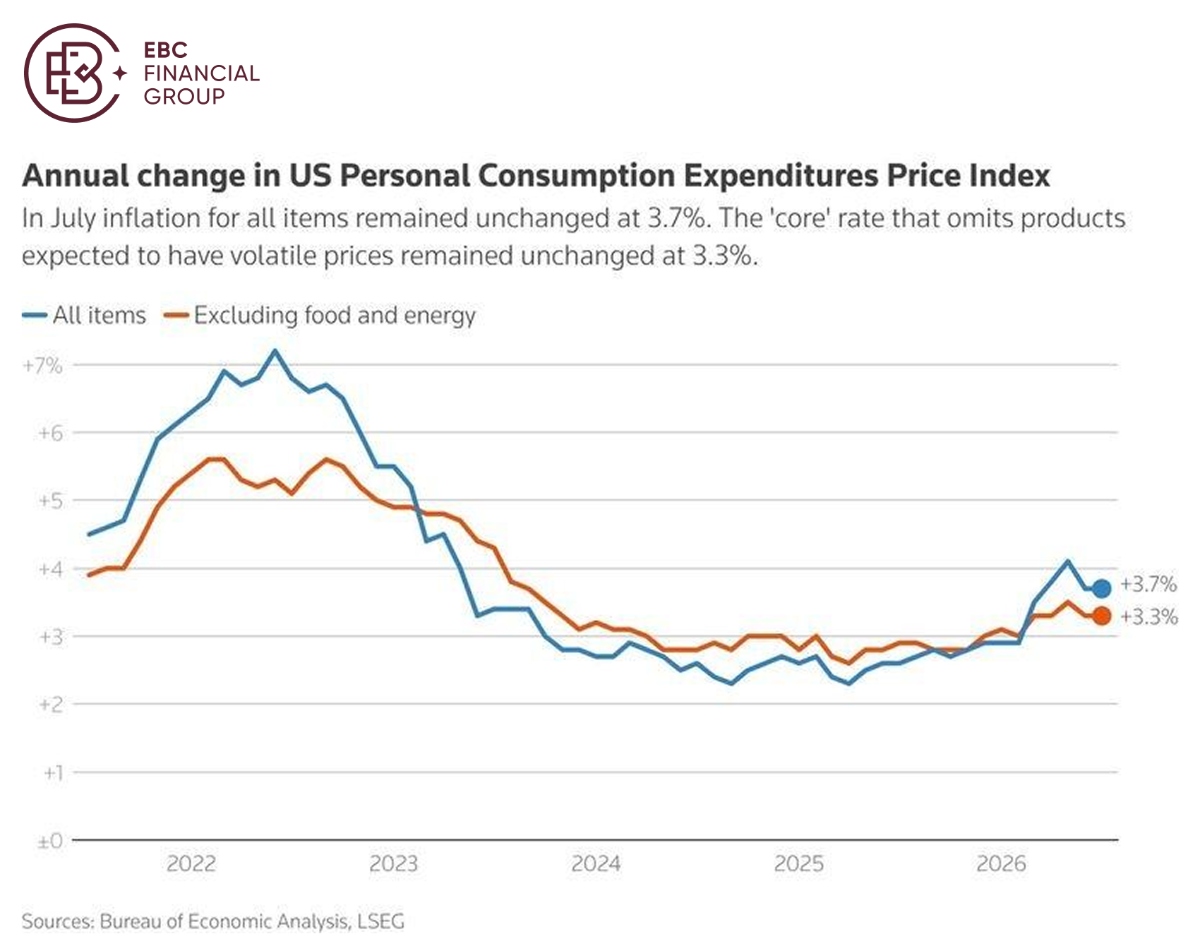
The efforts to tame inflation is complicated with higher liquidity in the financial system. Concern about prices deepened among policymakers meeting last month, according to the meeting minutes.
Goldman Sachs, Wells Fargo and other Wall Street firms said the bond buybacks will do little to reverse the jump in long-term yields, unless Washington addresses concerns about the swelling budget deficit and inflation pressures.
"I would not describe the increase in US Treasury yields as being a function of or exacerbated by irrational market conditions," said Eric Robertsen, global head of research and chief strategist at Standard Chartered.
Strategists from Societe Generale, Deutsche Bank, and Scotiabank anticipate a continued steepening of the yield curve, running counter to Bessent's goal of clamping down on bond vigilantes.
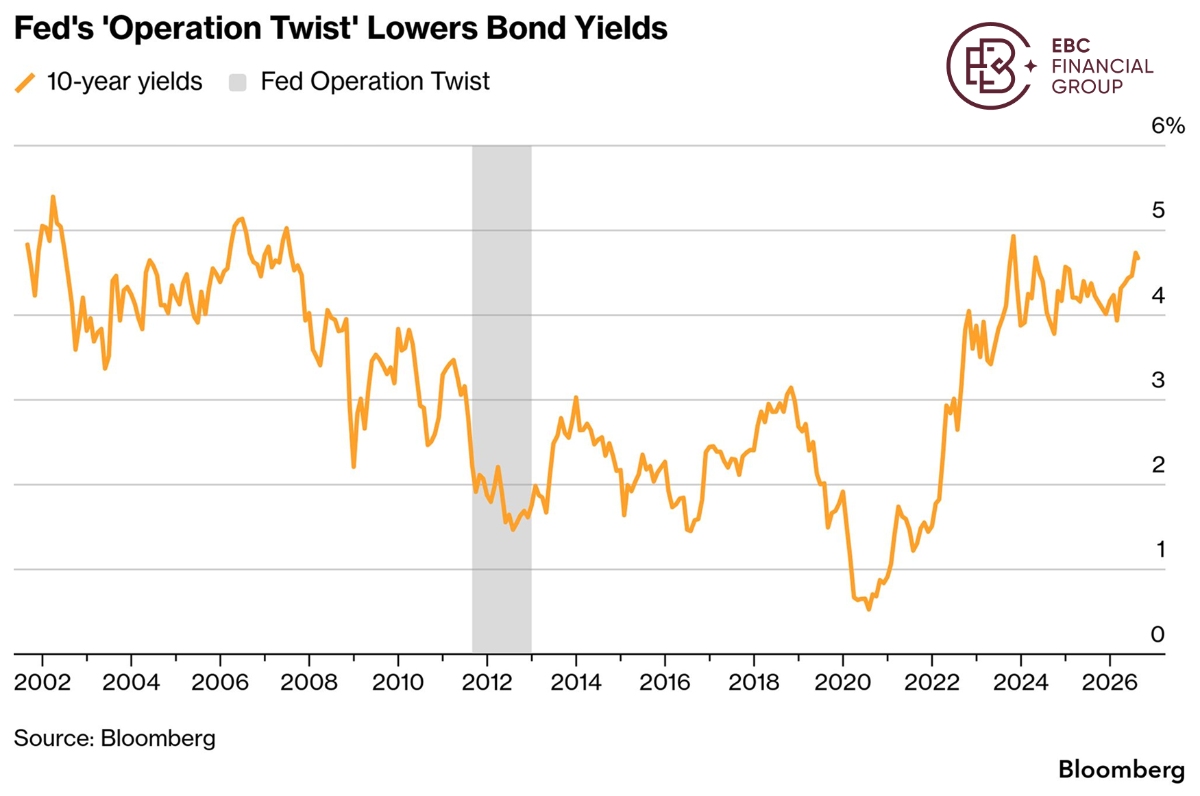
The Treasury's strategy of swapping long-duration bonds for short-dated bills offers short-term market relief, but the underlying debt burden persists, said James Sullivan, JPMorgan's co-head of global fundamental research.
Back in 2011, long-term interest rates stayed surprisingly high after the Fed cut short-term rates to fight the Great Recession. Operation Twist was similarly implemented after economic recovery stalled.
Unlike QE, that strategy is balance-sheet neutral without the need to print new money. However, the ability to manipulate the long end is limited if the market continues to be flooded by new supply.
Washington still needs to borrow a lot of money when interest costs are now the third-largest part of the budget. JPMorgan sees a funding gap of more than $3.5 trillion in coming fiscal years.
Market expectations for further tightening are building around the world — and spelling trouble for bonds. Of the 32 swap markets tracked by Bloomberg, two-thirds are priced for rate hikes.
Potential losses from that erodes a core tenet of traditional portfolio diversification. George Efstathopoulos, pportfolio manager at Fidelity International, said he has very little exposure to government debt.
Driven by the capital-intensive nature of economic growth—particularly in AI infrastructure, supply chain reshoring, and defence-related spending—corporations are also issuing massive amounts of debt.
Spending on data centres and other AI infrastructure is adding to the broader competition for capital. Still Citigroup recommended clients buy 20-year Treasuries, arguing the inflation is in check.
Broader macroeconomic trends serve as a critical tool for distinguishing sustainable fiscal debt from its unsustainable counterparts, according to Olivier Blanchard, the former chief economist of the IMF.
Nevertheless, current estimates of the real rate of US growth are generally around or slightly below 2%. While AI may eventually enhance productive capacity, the exact timeframe for this shift remains unpredictable.
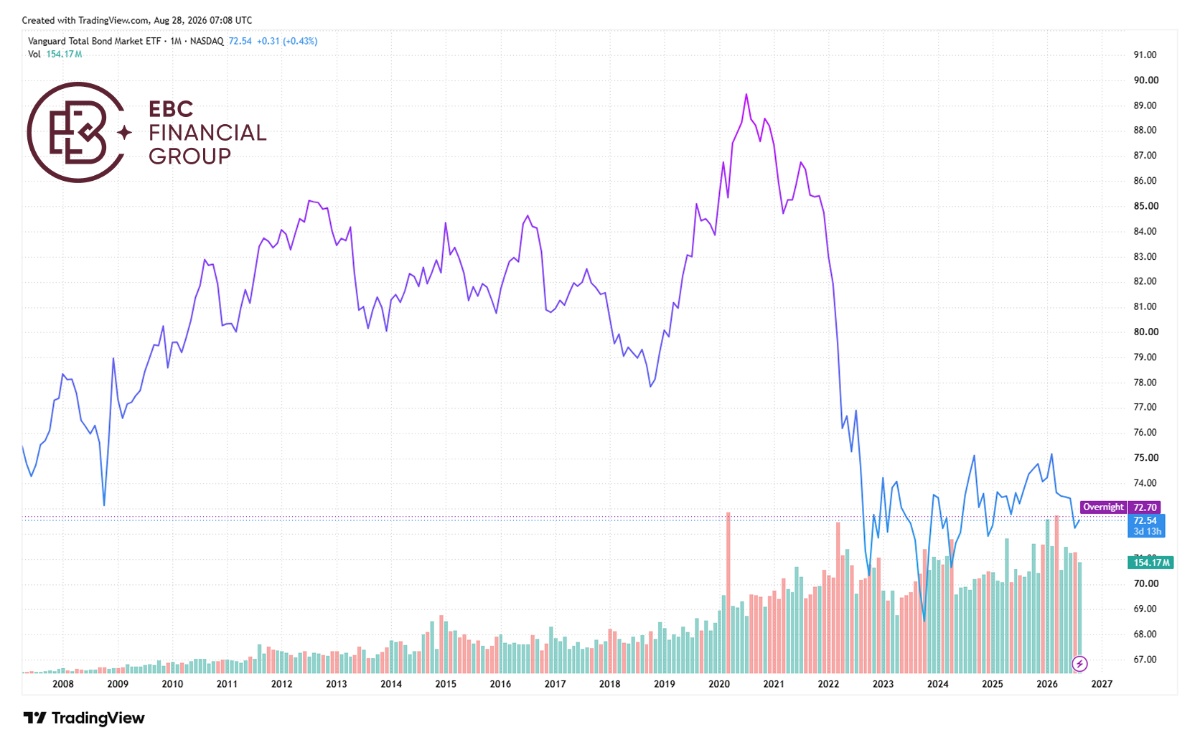
Vanguard Total Bond Market Index Fund (BND.OQ) has dropped since the onset of the Iran war. The OECD forecasts global public debt will hit 100% of GDP in 2029, adding to downward pressures on the fund.