Published on: 2026-03-02
Updated on: 2026-03-02
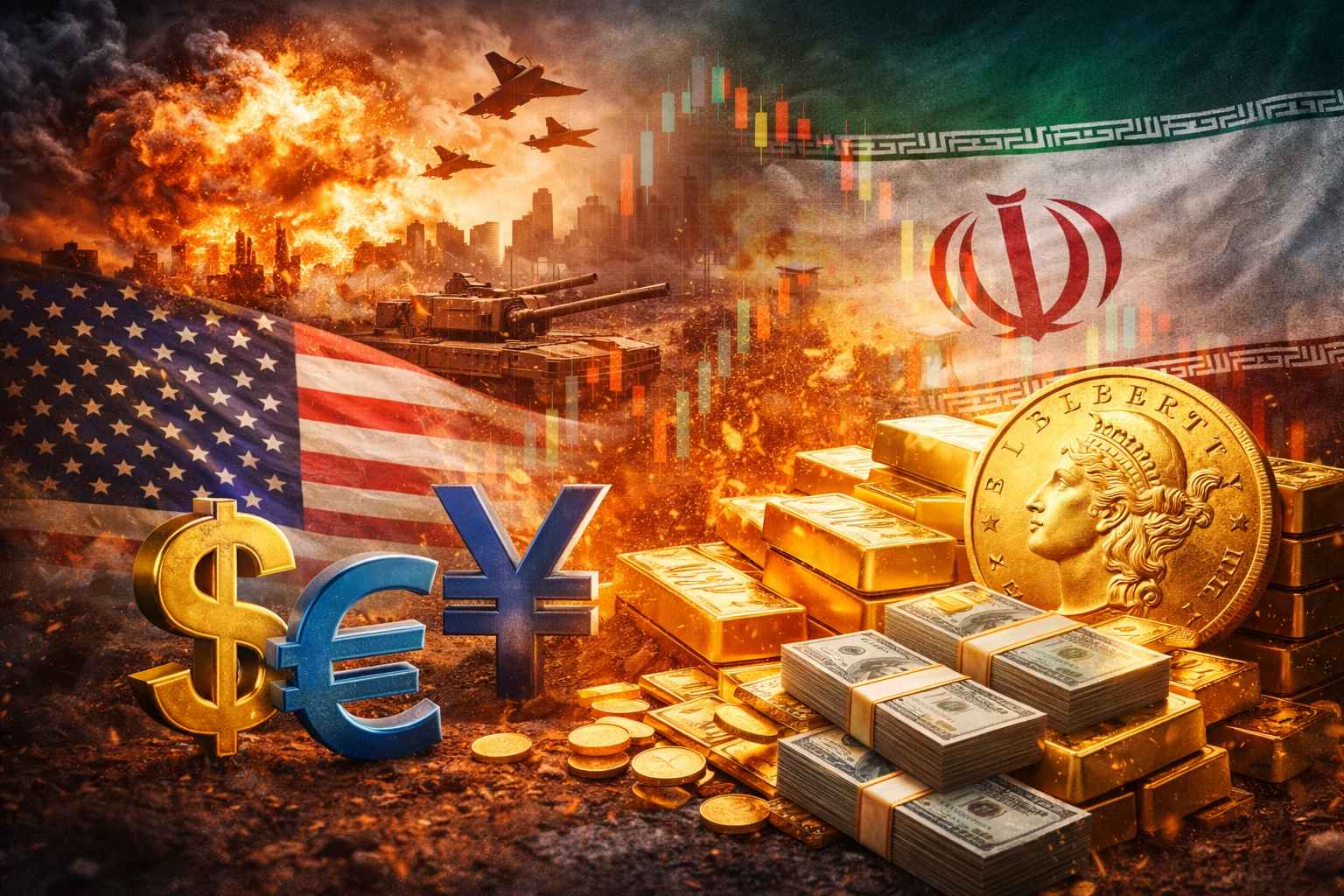
The impact of geopolitics on forex and gold prices is clearest in the first hours after a shock, when markets are forced to choose between safety, yield, and liquidity. FX moves first because capital can shift across borders instantly. Gold follows because it remains the market’s most liquid “insurance asset” when confidence in policy, borders, and supply chains is rattled.
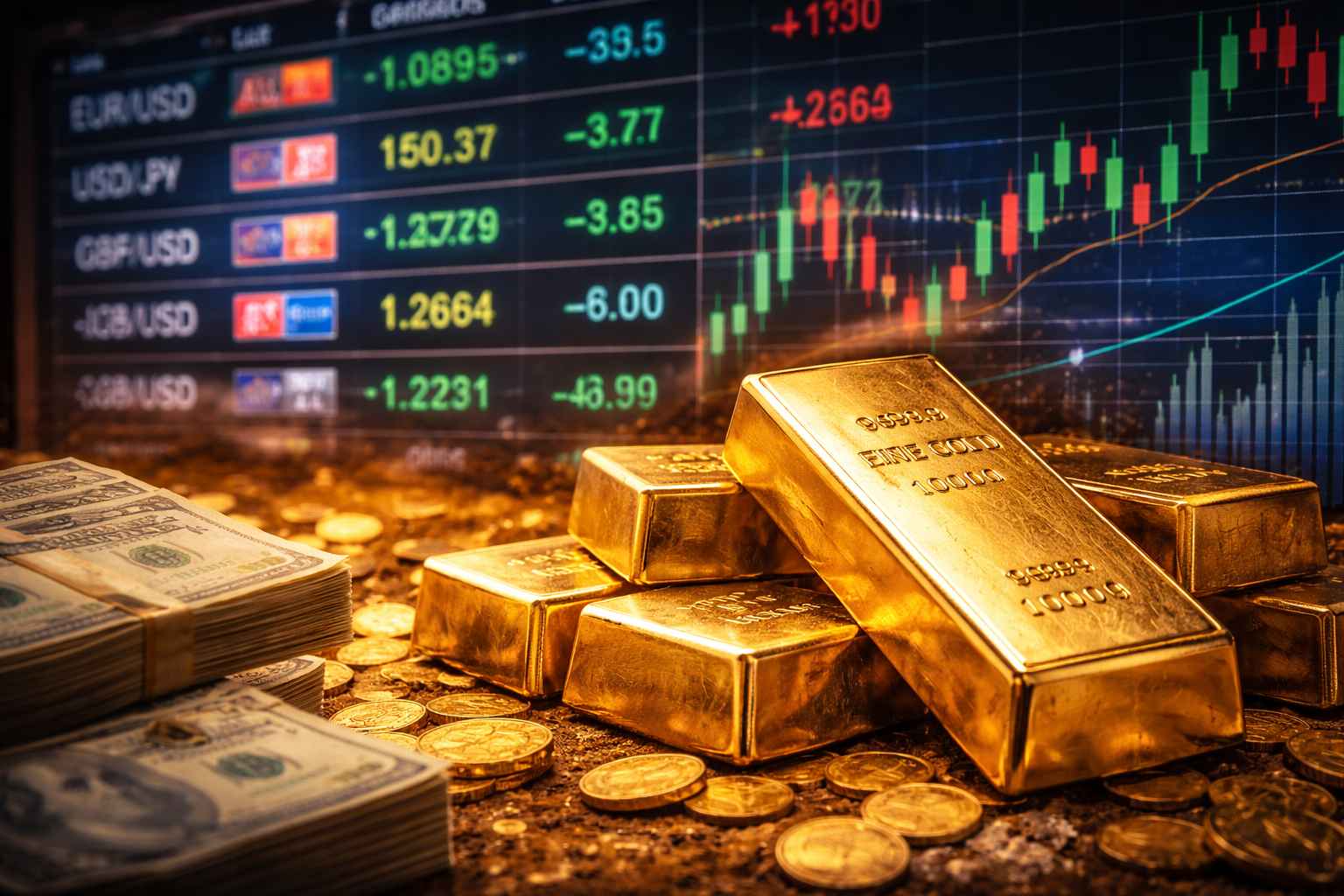
In 2026, both the FX and precious metals markets, along with geopolitical shocks, recalibrate risk appetite, oil risk premiums, and the anticipated trajectory of interest rates. Subsequently, currencies and gold adjust to this revised macroeconomic landscape.
Investors do not need to forecast geopolitical outcomes to trade the market impact. They need to identify which transmission channel is dominating: risk-off liquidity, oil and inflation, or policy and growth risk.
On March 1, 2026, the White House described Operation Epic Fury as a major US-led security operation focused on reducing escalating tensions with Iran and addressing what it called urgent regional threats, carried out with support from regional partners. This matters for markets because it signals a high-intensity geopolitical regime with longer-duration uncertainty, not a contained, one-off incident.
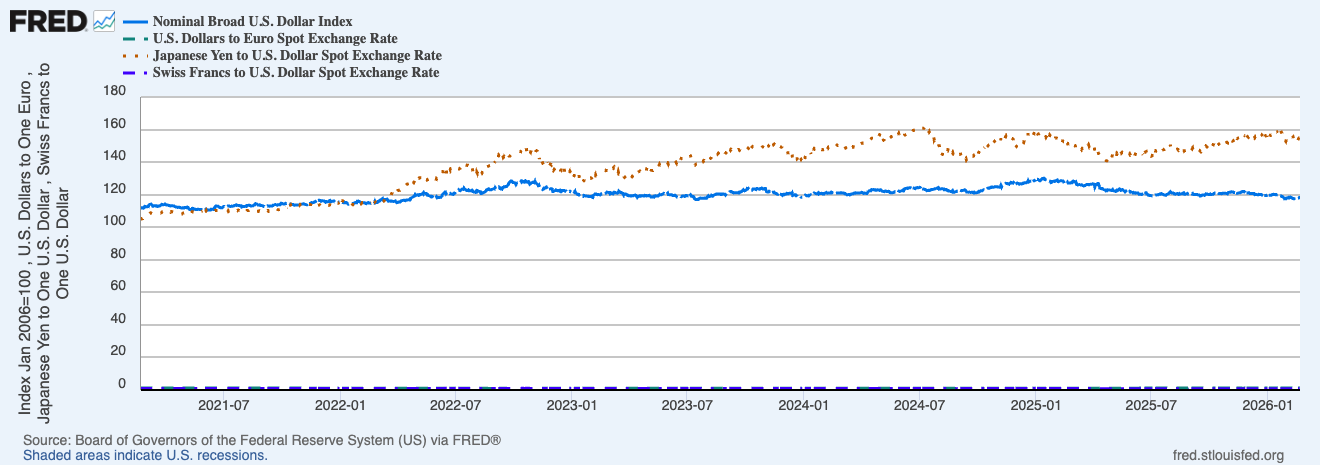
Recent market data does not suggest an acute dollar squeeze. According to Federal Reserve H.10 data from February 2026, the Broad Dollar Index was 117.9917, with major currency pairs such as EURUSD at 1.1781, USDJPY at 154.99, and USDCHF at 0.7756.
| Measure (Feb 20, 2026) | Level | What It Signals |
|---|---|---|
| Broad Dollar Index (Jan 2006 = 100) | 117.9917 | A firm dollar backdrop, but not an extreme squeeze. |
| EURUSD (USD Per Euro) | 1.1781 | Euro strength can reflect relative growth and policy expectations. |
| USDJPY (Yen Per USD) | 154.99 | High levels reflect rate differentials and carry behavior. |
| USDCHF (Franc Per USD) | 0.7756 | CHF demand often rises when risk hedging intensifies. |
Historically, the US dollar tends to appreciate during periods of crisis. However, in the context of this conflict, the dollar's trajectory may follow a two-phase response:
The US dollar typically strengthens in response to the initial shock, as investors seek liquidity and reduce exposure to emerging markets and high-beta assets.
In a subsequent phase, the US dollar may weaken if the conflict heightens US policy uncertainty or increases the likelihood of slower economic growth and more accommodative Federal Reserve policy. In such cases, the interest rate channel can diminish the dollar's safe-haven appeal.
Forex is the market where every macro narrative meets. When geopolitics shifts, it changes three pricing anchors at once:
During periods of elevated risk aversion, investors generally seek the most liquid and reliable assets. This tendency often supports the US dollar, given its central role in global trade and finance. The Swiss franc and Japanese yen may also appreciate, especially when investors unwind carry trades.
The key point is timing. The first reaction is usually about liquidity and safety. The second reaction is about policy and growth, which is where FX can reverse.
FX is heavily influenced by expected interest rates. Geopolitical events that threaten economic growth can lower yields and shift expectations toward rate cuts. Conversely, events that jeopardize energy supply can elevate inflation risk and drive yields higher. In both scenarios, currency pricing adjusts in response to changes in the expected interest rate path.
The Fed’s current stance still matters because it sets the global reference rate. The FOMC maintained the federal funds target range at 3.50% to 3.75% at its January 28, 2026, meeting.
Countries that import energy typically experience adverse effects when oil prices surge, while energy-exporting nations may benefit from improved trade balances and stronger fiscal flows. Similar dynamics apply to industrial metals, food, and shipping routes. Geopolitical developments alter trade patterns, which in turn influence currency valuations.
In 2026, geopolitical considerations extend beyond conflict zones to encompass trade policy, sanctions, and executive actions that reshape costs, supply chains, and market confidence.
A presidential proclamation has imposed a 10% temporary import surcharge for 150 days, effective February 24, 2026. This measure introduces uncertainty regarding input costs and corporate margins, while also raising concerns about economic growth and inflation.
A separate executive order continues the suspension of duty-free de minimis treatment, reinforcing trade friction at the margin.
If markets read tariffs as growth-negative, front-end yields can fall, and the dollar can weaken against currencies with steadier outlooks.
If markets read tariffs as inflationary, yields can rise, and the dollar can strengthen, at least initially.
If the policy trajectory appears unstable, investors may diversify away from US dollar risk, even as they utilize the dollar as a short-term hedge.
Sanctions are a direct financial instrument. They can restrict trade, block assets, pressure banks, and alter settlement routes. That changes currency demand abruptly.
The US Treasury’s Office of Foreign Assets Control publishes frequent updates on designations, enforcement actions, and guidance. In late February 2026, OFAC posted multiple sanctions list updates and enforcement actions across several programs.

Sanctions can reduce access to dollars and euros, forcing alternative settlement and raising local currency stress.
They can increase demand for hard assets and portable stores of value, including gold, especially in regions facing capital controls.
They can create spillovers, where third-country banks and trade partners adjust behavior to avoid compliance risk.
Gold is frequently regarded as a safe-haven asset, though it does not serve solely as an indicator of market fear. Gold typically performs best when uncertainty increases and real yields decline or stabilize. While gold can appreciate even when yields are elevated, such movements are generally less pronounced.
A key reference point is the USGS assessment that the estimated gold price in 2025 increased by 38% and reached a new record-high annual price, surpassing the previous record in 2024. That backdrop explains why gold remains highly sensitive to fresh geopolitical risk in 2026, even if the daily tape is choppy.
While spot gold prices are frequently discussed in daily commentary, the US import price index for nonmonetary gold provides an official monthly measure of gold price pressure. This index demonstrates the significant acceleration in gold pricing throughout 2025.
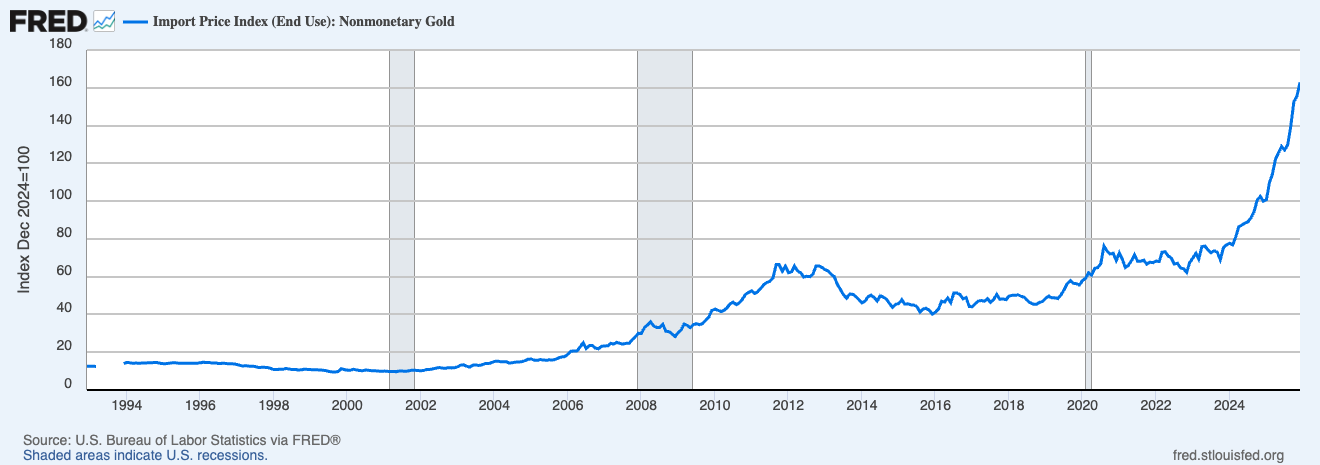
| Import Price Index: Nonmonetary Gold (Dec 2024 = 100) | Level |
|---|---|
| Dec 2024 | 100.0 |
| Dec 2025 | 162.9 |
This data indicates a substantial year-over-year increase in gold-linked import pricing through late 2025, consistent with robust demand for hedging instruments.
This is where professional process matters. The goal is not to predict headlines. It is to read the market’s chosen transmission channel.
The Treasury curve is a live scoreboard for policy expectations. On February 27, 2026, the 2-year yield was about 3.38%, and the 10-year was about 3.97%. If geopolitical developments drive the 2-year yield lower, markets are likely anticipating more accommodative policy, which often supports gold and can weaken the dollar relative to select peers.
A stronger Broad Dollar Index often signals global tightening in financial conditions. The Broad Dollar Index stood at 117.9917 on February 20, 2026. If that index rises sharply during a shock, risk assets and emerging-market FX are usually under pressure.
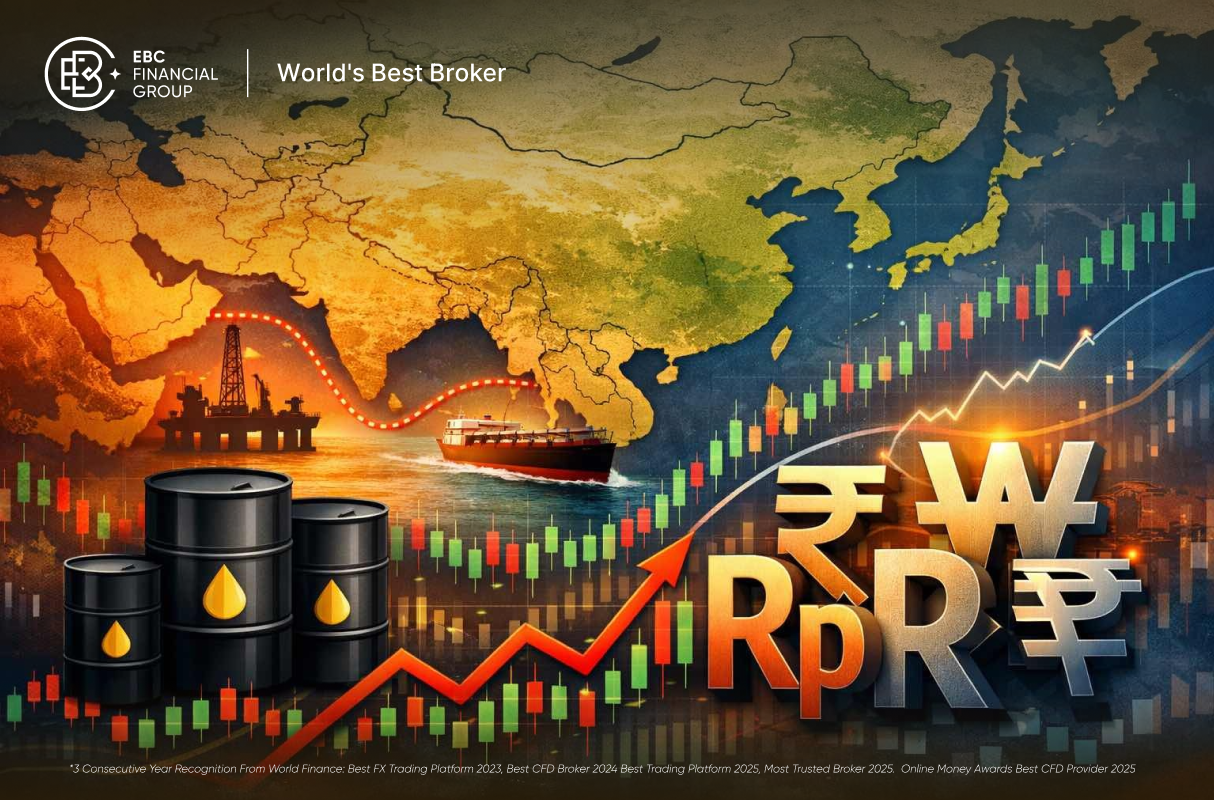
Oil remains the fastest bridge from geopolitics to inflation expectations. West Texas Intermediate traded in the mid-$60s per barrel in late February, with daily data showing $66.36 on February 23, 2026. This keeps energy risk in play without forcing an immediate inflation panic, but the sensitivity remains high because energy is the fastest geopolitical price pass-through.
Sanctions updates can change the flow of capital and settlement patterns quickly. OFAC’s recent actions list is a reliable way to track whether sanctions risk is intensifying or easing. Trade actions matter too, particularly when they change costs broadly, as with the temporary import surcharge effective February 24, 2026.
Gold can rise when uncertainty increases, and investors hedge against financial instability. It tends to respond best when real yields fall or when confidence in policy weakens. Strong gold pricing in 2025 shows how quickly demand can build in a high-uncertainty environment.
The USD is often a safe haven because it is the world’s main funding and settlement currency. But the dollar can also weaken if the shock is centred on US policy or trade risks, or if markets price in weaker growth and easier policy.
Sanctions can restrict capital flows, limit access to reserve currencies, and push trade into alternative channels. That can pressure local currencies, widen spreads, and increase demand for hard assets. OFAC updates show how frequently sanctions policy can change.
Tariffs can be inflationary by raising import costs, but they can also be growth-negative by increasing uncertainty. In 2026, the temporary import surcharge adds policy risk that can influence FX and support gold as a hedge.
Oil is a geopolitical commodity. When oil rises, it can strengthen currencies of energy exporters and weaken currencies of importers, while also changing inflation expectations and central bank policy paths. WTI pricing in late February provides a real-time read on that channel.
The impact of geopolitics on foreign exchange and gold prices is best conceptualized as a chain reaction: uncertainty alters risk appetite, which in turn affects interest rates and capital flows, ultimately repricing currencies and gold. Early 2026 exemplifies this process, with trade policy actions, ongoing sanctions updates, and heightened energy sensitivity all contributing to FX volatility and persistent demand for hedging instruments. For investors and traders, maintaining an advantage requires monitoring the market’s prevailing transmission channel rather than reacting to individual headlines.
Disclaimer: This material is for general information purposes only and is not intended as (and should not be considered to be) financial, investment or other advice on which reliance should be placed. No opinion given in the material constitutes a recommendation by EBC or the author that any particular investment, security, transaction or investment strategy is suitable for any specific person.
Federal Reserve Board: H.10 Foreign Exchange Rates (Current Release, February 23, 2026)
Federal Reserve Bank Of St. Louis (FRED): Nominal Broad U.S. Dollar Index (DTWEXBGS)
U.S. Department Of The Treasury: Daily Treasury Yield Curve Rates (February 27, 2026)
The White House: De Minimis Treatment Suspension Continuation (February 2026)