Investors cheered the prospect of a US-Iran peace deal on Monday, but oil price volatility is likely to continue in the near term, as analysts warned that markets will hardly return to normal anytime soon.
Israelis have fiercely denounced the new peace agreement, calling it a dangerous capitulation that leaves Iran's military capabilities intact and compromises Israel's national security.
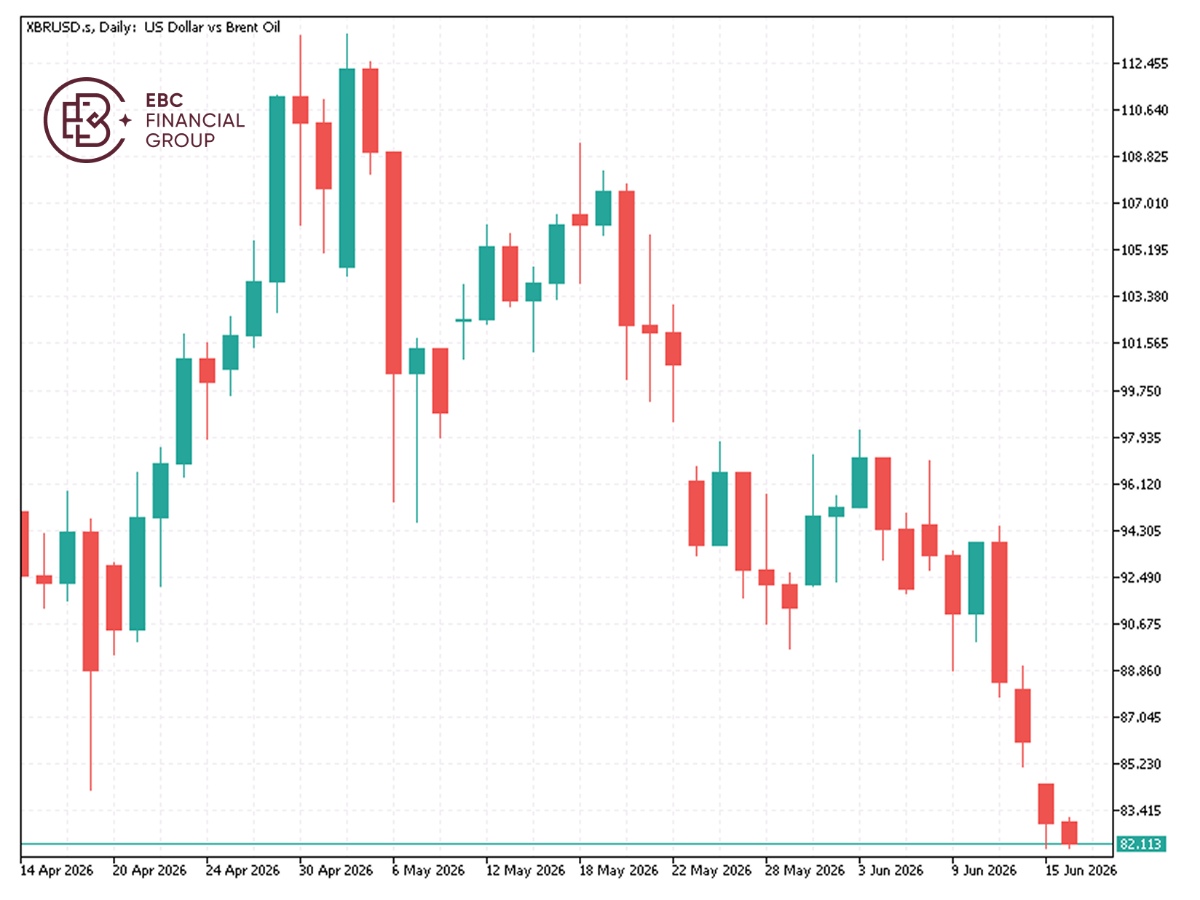
A rapid reduction in Chinese crude imports has helped stop oil from trading even higher. Beijing's move to cut crude imports from 11.7 million bpd in February to just under 9 million bpd by late May.
SocGen analysts said the 14% loss in global crude supply has pushed prices about 30% higher. In contrast, the 1973 OPEC oil embargo cut off about 7% of supply and in turn sent prices soaring some 134%.
The counter factors now include strategic stockpiles being released, calming announcements from the US government, and rising oil production from nations like Brazil and Venezuela, they added.
The OPEC cut its forecast for 2026 global oil demand it's the latest report, the second consecutive downward revision. The cartel has increased its production for 4 straight months to gain market share.
The EIA forecasts that global oil demand will decline by 1.1million bpd in 2026, with losses concentrated in Asia. Last week the ADB said many countries were seeking emergency loans in the region.
ANZ senior commodity strategist Daniel Hynes stated that the energy crisis remains active and expects shipping volumes through the Strait of Hormuz to stay suppressed indefinitely.
He noted that the $80 level is not high enough to stabilise the market over the next three to six months, forecasting that prices will instead fluctuate in the low $90s through Q3.
JP Morgan said a June reopening of the Strait would keep Brent crude at around $100 for the rest of 2026; Fitch believed that would trigger a substantial decrease to an average of $70 per barrel from September.
Goldman Sachs said an immediate normalisation in supply and weaker demand could push prices down to around $70 in late 2026. However, many shipping executives still adopt a wait-and-see approach before resuming transits.
Fars reported that once the 60 days of free transits are over, Iran will begin charging for safety, navigation, environmental and insurance services. The rising transport costs would likely be passed onto buyers.
The Iraqi cabinet has approved plans to accelerate crude exports through the Kurdistan-Turkey pipeline network, which would more than triple its existing shipments, to bypass the major waterway.
Likewise, the UAE is fast-tracking construction of the new West-East pipeline to Fujairah. The IEA notes that alternative routes cannot handle the volume of crude oil usually moved through the Strait of Hormuz.
Governments are borrowing at a record clip as public spending surges, according to data compiled by Bloomberg. Danske Bank pointed to greater outlays on the military, infrastructure and transition to cleaner energy.
As the inflationary shock of war has driven up yields, the outlook for the global economy has deteriorated, scrambling predictions for rates. Analysts forecast a divide among assets.
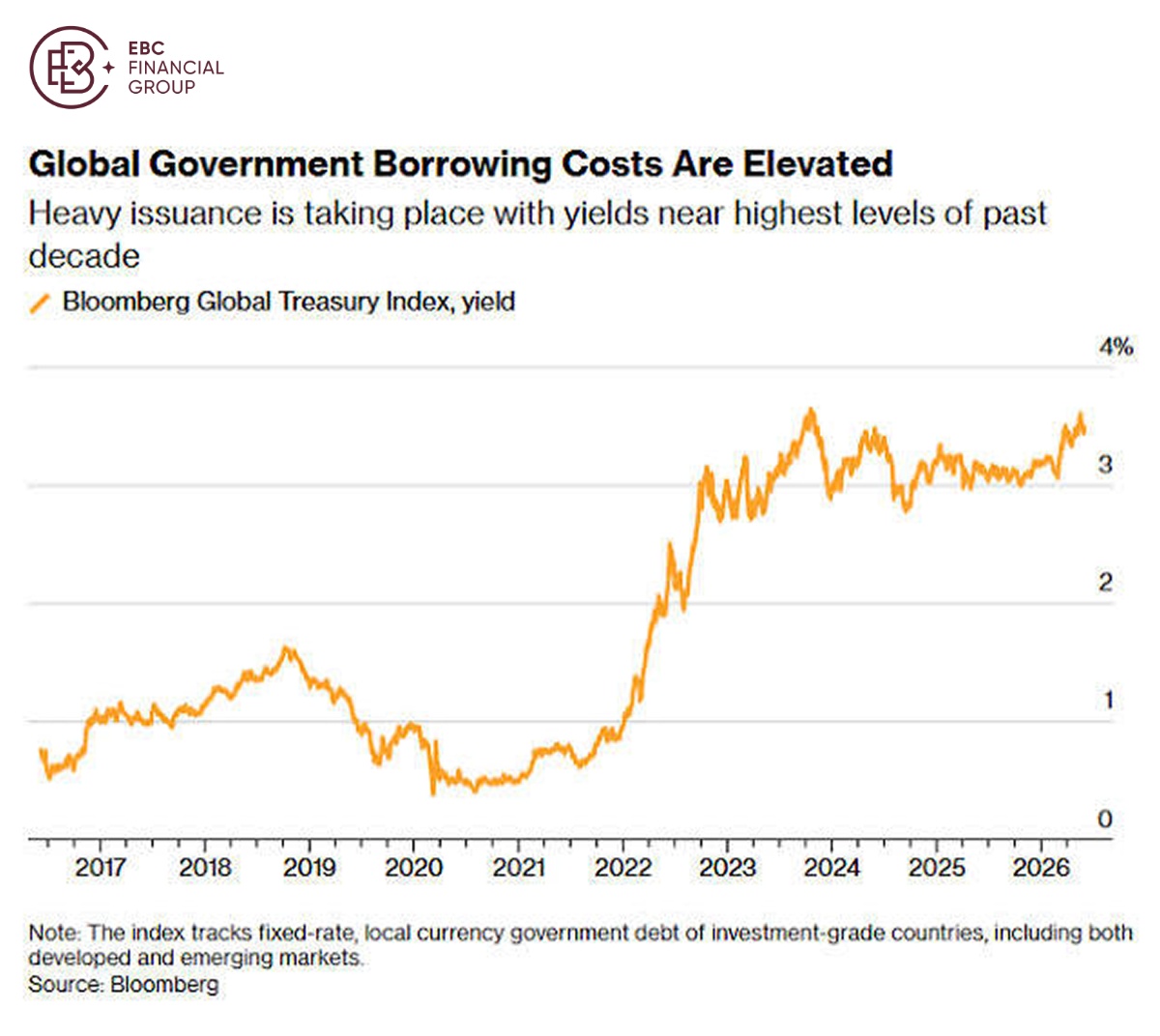
Bond markets are pricing in persistently high core inflation and a tight labour market. Even with the recent energy shock subsiding, some sectors including AI are set to grate on policymakers' nerves.
Soaring equities act as another headwind for fixed income investors. Big Tech has demonstrated robust earnings resilience, maintaining high growth in the face of escalating price pressures.
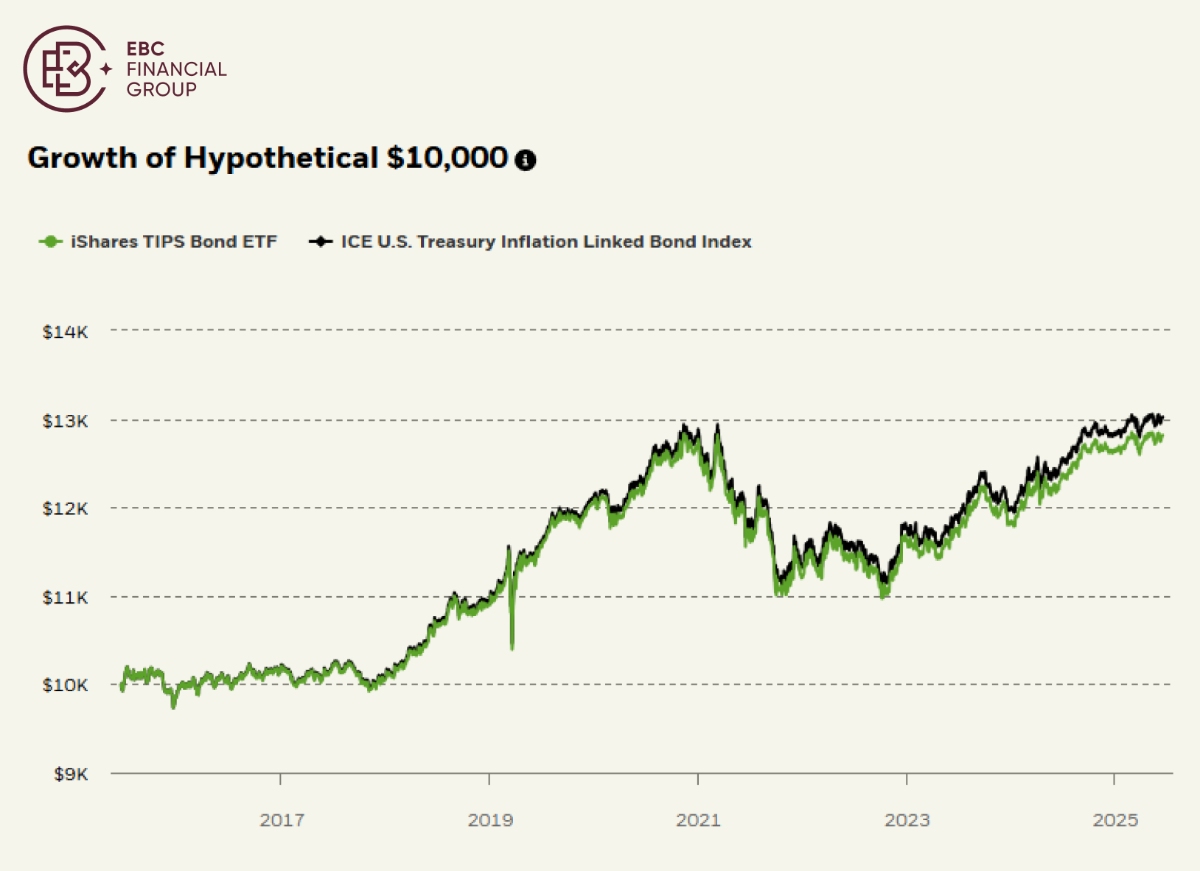
Despite that, iShares TIPS Bond ETF has hit a fresh all-time peak this month, reflecting robust demand for hedging tools against geopolitical uncertainties and stretched valuations of chipmakers and other AI-related firms.
iShares JP Morgan USD Emerging Markets Bond ETF also performs strongly. Over the last few quarters, many emerging nations have focused on fiscal tightening and new debt issuance tapering, according to Morningstar.
On top of that, emerging-market central banks (such as Brazil and Mexico) began aggressively hiking interest rates much earlier and faster than the Fed, which leaves room for potential easing.
EBC Financial Group Disclaimer: This material is for general information purposes only and is not intended as (and should not be considered to be) financial, investment or other advice on which reliance should be placed. No opinion given in the material constitutes a recommendation by EBC Global Financial Collaboration or the author that any particular investment, security, transaction or investment strategy is suitable for any specific person.