Published on: 2025-12-26
Updated on: 2025-12-26
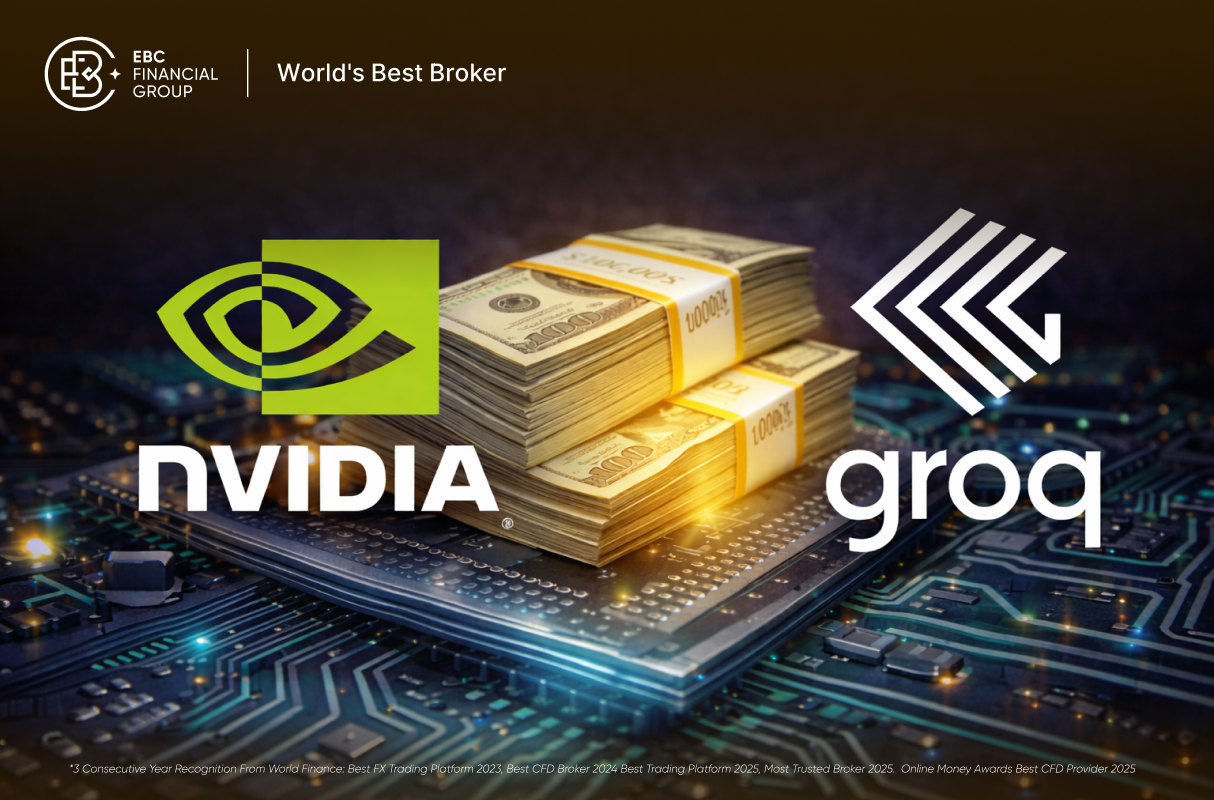
Nvidia has struck a non-exclusive licensing agreement for Groq’s AI inference technology and will hire Groq’s founder Jonathan Ross, president Sunny Madra, and other team members, in a deal that some reports value at about $20 billion. Groq said it will continue operating as an independent company under new CEO Simon Edwards, and GroqCloud will keep running without interruption. [1]
The headline number matters because $20 billion would make this Nvidia’s largest-ever deal by a wide margin, far exceeding its $6.9 billion agreement to buy Mellanox in 2019, which later closed at a $7 billion transaction value.
Yet the companies have not disclosed financial terms, and the structure is being described publicly as licensing plus a senior talent transfer, not a conventional acquisition of Groq as a company.
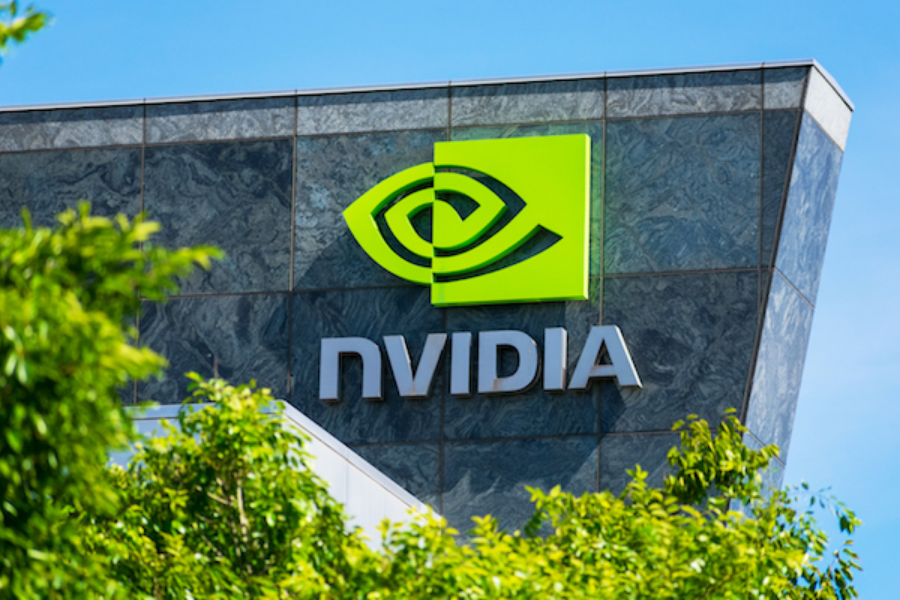
The distinction is central to what Nvidia is really buying. Groq’s announcement frames the arrangement as a non-exclusive license to inference technology, paired with Ross and other key personnel moving to Nvidia to “advance and scale” what is licensed, while Groq remains separate and keeps its cloud business operating.
The market opportunity is inference, the stage where trained AI models generate answers in real time for users. Nvidia dominates the hardware stack used to train large models, but inference is turning into a more contested battleground as enterprises push models into production and care more about latency, cost per query, and predictable performance at scale.
Groq has built its brand around inference-first chips and systems, positioning its hardware as purpose-built for fast, low-latency model serving. In recent commentary around the deal, Groq’s approach is often summarized as reducing bottlenecks that slow token generation, a point that becomes more important as AI workloads move from occasional demos to always-on customer service, coding assistants, and business automation.
For Nvidia, the strategic logic is to pull a credible alternative inference architecture closer to its platform without forcing customers into a single silicon path.
A non-exclusive license lets Nvidia incorporate elements of Groq’s inference approach into its roadmap while preserving flexibility for hyperscalers and enterprises that are increasingly mixing accelerators, networking, and software runtimes across fleets.
The talent component may be just as valuable as the IP access. Ross is a high-profile chip architect with deep experience in custom AI silicon, and pulling senior engineers into Nvidia accelerates integration work that would otherwise take multiple product cycles, especially as inference becomes more specialized by model type and deployment environment.
The unusual structure also sits in the shadow of antitrust. A full takeover of a rival chipmaker would likely attract heavy scrutiny, particularly given Nvidia’s earlier, high-profile attempt to buy Arm that was challenged by regulators and ultimately abandoned.
Licensing-and-hiring deals have become a well-worn route across Big Tech for acquiring capabilities while reducing the likelihood of a traditional merger review. [2]
Even without a classic acquisition, regulators can still take interest if market power is seen to be increasing through control of key inputs or through the practical removal of a competitive threat. The non-exclusive nature of the license is likely to be emphasized as evidence that Groq’s technology can still be used elsewhere, and that competition in inference hardware remains open.
From a balance sheet perspective, Nvidia has ample capacity to fund large strategic moves, whether through cash or a mix of cash and securities. In its latest quarterly filing, Nvidia reported $60.6 billion in cash, cash equivalents, and marketable securities as of October 26, 2025, giving it room to pursue partnerships and investments while continuing aggressive capital returns. [3]
For Groq, the agreement arrives after a funding trajectory that has drawn attention to the scarcity value of inference specialists. Reports have put Groq’s most recent valuation around $6.9 billion following a $750 million financing round only months earlier, which helps explain why a reported $20 billion price tag, if accurate, would be viewed as a strategic premium rather than a multiple of current revenue.
What happens next will be measured in product timelines and customer adoption, not press releases. The critical questions are how quickly Nvidia can operationalize what it licensed, whether Groq’s remaining organization can sustain GroqCloud momentum, and whether this hybrid structure becomes a template for further consolidation-by-contract in the AI hardware stack.
Disclaimer: This material is for general information purposes only and is not intended as (and should not be considered to be) financial, investment or other advice on which reliance should be placed. No opinion given in the material constitutes a recommendation by EBC or the author that any particular investment, security, transaction or investment strategy is suitable for any specific person.
[3]https://investor.nvidia.com/files/doc_financials/2026/q3/13e6981b-95ed-4aac-a602-ebc5865d0590.pdf