Published on: 2026-05-21
Updated on: 2026-05-21
TEDPIX’s gain was narrow, not broad: the index rose, but only 28% of stocks traded higher.
The missing 36% is the real test: suspended petrochemical, steel, utility and infrastructure-linked names still had not priced war damage.
The 3% price cap slowed the verdict: Iran reduced crash risk by spreading the market’s clearing price across future sessions.
Oil, gold and the rial give the outside signal: if oil risk fades but the rial weakens and suspended stocks reopen lower, the TEDPIX rise looks more like delayed repricing than recovery.
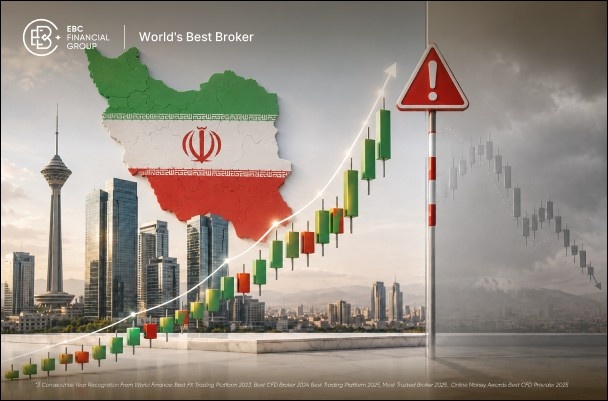
The Iran stock market reopening may be misleading, as the headline index moved before the hardest-hit stocks did. TEDPIX rose, but the companies most likely to reveal war damage, roughly a third of the market by weight, were still suspended.
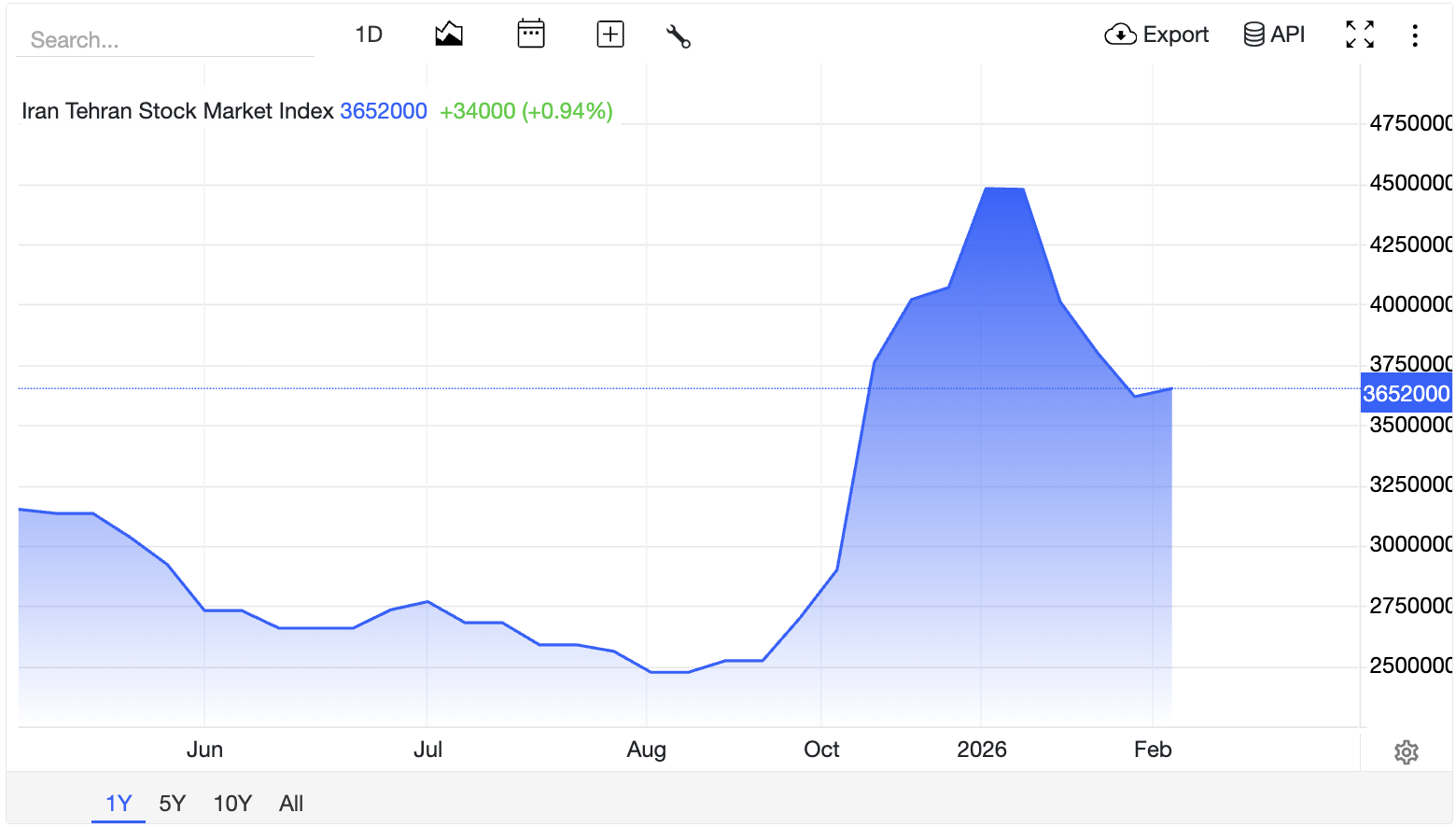
Three signals made the TEDPIX rise weaker than the headline: poor breadth, suspended war-exposed stocks and a 3% daily price cap. TEDPIX gained, but only 28% of stocks traded higher, 42 tickers representing about 36% of the market stayed offline, and the remaining shares were limited to a 3% daily move. (Al Jazeera)
Breadth did not confirm the headline move. A stock index can rise when larger or more resilient names support the benchmark, even if the wider market is weak. Iran’s first session showed that split clearly: the index rose while most stocks failed to join the move.
The suspended names carry the market’s hardest information. Fajr and Mobin petrochemical companies, Khuzestan and Mobarakeh steel names, utilities and infrastructure-linked investment companies were among those still outside trading. These are the companies most likely to reveal physical damage, production disruption, revenue loss and rebuilding costs.
The price cap slowed the verdict. Shares in the remaining two-thirds of the market could rise or fall only 3% per day. That reduces the risk of a one-day collapse, but it pushes the real clearing price into later sessions.
Iran did not reopen enough of the market to price the war. It reopened enough to stop that price from arriving all at once.
The first signal is the suspended stocks, not TEDPIX. If petrochemical, steel and utility names reopen with buyers, the index rise gains credibility. If they reopen into sell queues, the first rally was filtered by what the market was not allowed to trade.
| Priority | Signal | What to watch | What it reveals |
|---|---|---|---|
| 1 | Suspended sectors | Petrochemicals, steel, utilities, infrastructure-linked firms | Whether war damage is absorbed smoothly or marked through sell queues |
| 2 | TEDPIX breadth | Share of stocks rising versus flat or falling | Whether the index move has broad participation |
| 3 | Oil | Brent and WTI | Whether the Hormuz risk premium is fading or rebuilding |
| 4 | Rial versus TEDPIX | Currency depreciation against stock gains | Whether the equity rally reflects recovery or inflation shelter |
The cleanest read is not “Iran reopened, risk is lower.” It is whether the missing stocks return without forced selling, while oil and the rial confirm that the war premium is fading.
A rial gain is not automatically a real gain. If TEDPIX rises while inflation and currency weakness keep eroding purchasing power, the index can look stronger than the wealth behind it.
That is why Iran’s reopening has to be read through the lens of the rial. A weaker currency can lift exporters because foreign-currency revenue converts into more rials, while domestic-facing companies still face higher import costs, rebuilding expenses and weaker household purchasing power.
The better test is not whether TEDPIX rises. It is whether the index can outrun inflation, currency depreciation and the eventual repricing of suspended companies.
Oil is already pricing partial relief, while Tehran’s suspended stocks have not yet fully priced in the damage. That split matters more than the reopening headline: global supply risk can fade before Iran’s local equity losses are fully marked.
Financial Times reported that oil fell nearly 6% on May 20 after two China-bound supertankers carrying Iraqi crude crossed the Strait of Hormuz, with a third Kuwaiti cargo also seen in the strait. Brent fell to about $105 a barrel as markets priced relief in shipping risk.
The EIA still expects Brent to average around $106 a barrel in May and June, with global inventories falling by 8.5 million barrels per day in the second quarter and Hormuz traffic assumed to resume gradually. A one-month delay to the Strait reopening would put crude prices more than $20 a barrel above the current forecast.
If Brent keeps falling while suspended Iranian stocks reopen weak, the signal is not broad risk relief. It is global supply fear cooling before domestic equity damage is fully priced.
| If this happens | Market read |
|---|---|
| Suspended petrochemical and steel names reopen without sell queues | TEDPIX’s first rise becomes more credible |
| Suspended names reopen with heavy sell queues | The index rise was filtered; repricing was postponed |
| Brent falls while Tehran’s suspended stocks weaken | Oil is losing the Hormuz premium before Iranian equities price the war |
| Rial weakens while TEDPIX rises | Stocks are acting more like inflation shelter than recovery trade |
| 3% price cap remains too long | Selling pressure spreads across sessions instead of clearing |
Direct access to Tehran-listed equities is limited for most foreign investors due to sanctions, capital controls, and market access restrictions. That makes oil, gold and the rial more useful market signals outside Iran.
The suspended petrochemical, steel and utility names would need to reopen without heavy sell queues. If they trade smoothly, TEDPIX’s first rise becomes more credible. If they reopen lower, the index rise was filtered by what investors could not yet sell.
Iranian stocks are priced in rials. If TEDPIX rises while the rial weakens, the index can look stronger even as real purchasing power falls. In that case, stocks may be acting more like an inflation shelter than a recovery trade.
TEDPIX showed that trading could restart. The missing third will show whether investors priced a recovery, or only the part of the market that was safe to reopen.