Published on: 2026-03-18
Updated on: 2026-03-18
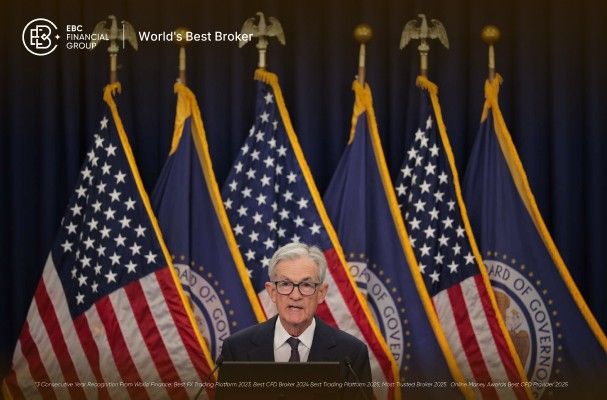
The Federal Reserve concludes its two-day meeting today, with the policy statement scheduled for release at 2:00 p.m. ET and Jerome Powell's press conference set for 2:30 p.m. ET.
| Event | Time | Why it matters |
|---|---|---|
| FOMC statement | 2:00 p.m. ET | Confirms the rate decision and any changes in policy language |
| Summary of Economic Projections | 2:00 p.m. ET | Updates the dot plot, GDP, unemployment, and inflation forecasts |
| Powell press conference | 2:30 p.m. ET | Clarifies how the Fed is reading inflation, labor, growth, and oil risk |
| Current target range | 3.50% to 3.75% | The starting point for all market expectations |
As of the morning of March 18, 2026, the basic setup looks straightforward: a hold is the consensus, but the real market focus is whether the updated dot plot still leaves room for one cut later this year and how Powell frames the balance between weaker growth and renewed inflation risk.
Base case: The Fed holds rates steady at 3.50% to 3.75%.
What matters most: The 2026 median dot. In December, the median projected fed funds rate for end-2026 was 3.4%, implying roughly one 25-basis-point cut from the current midpoint.
The risk: Powell must balance a weaker growth and labor backdrop against inflation that is still above target and could face fresh pressure from higher energy prices.
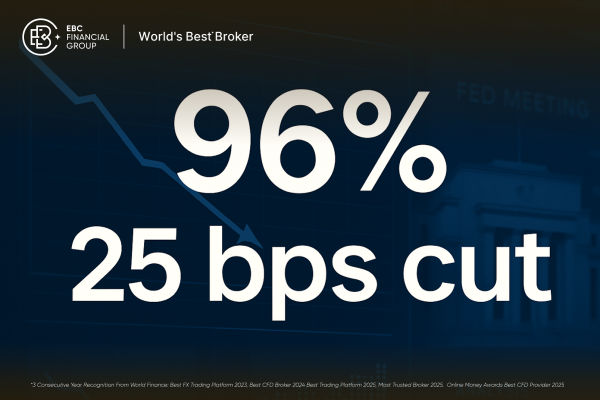
Market setup: Traders still expected a hold and were broadly centered on roughly one cut later in 2026, with pricing shifted toward the back half of the year rather than summer.
Let’s start with the easy part. The Fed is very likely to keep rates unchanged.
The January statement kept the target range at 3.50% to 3.75% and said the Committee would assess incoming data, the evolving outlook, and the balance of risks when considering any further adjustments.
That language still gives Powell room to wait, and waiting fits the current setup. January core PCE was 3.1% year over year, February payrolls fell by 92,000, the unemployment rate was 4.4%, January retail sales slipped 0.2%, and Q4 2025 GDP was revised to 0.7% annualized. That is not a clean case for a cut, and it is not a clean case for a hike either.
The real event is the package around the decision. March is a SEP meeting, which means fresh projections for growth, unemployment, inflation, and the policy path.
In trader terms, the policy statement gets immediate attention, but the dot plot has a lasting impact by revealing where Fed officials expect rates to go. While the policy statement can spark short-term moves, the dot plot can reshape investor expectations for the entire interest rate path, influencing the broader rate market.
In December 2025, the median dot showed:
| Metric | 2026 median in December SEP | What it implied before today |
|---|---|---|
| Fed funds rate | 3.4% | About one cut in 2026 |
| Real GDP growth | 2.3% | Solid but slower growth |
| Unemployment rate | 4.4% | Mild labor softening |
| PCE inflation | 2.4% | Still above target |
| Core PCE inflation | 2.5% | Sticky underlying inflation |
That gives traders a clean framework for today:
| If today’s 2026 median dot lands at... | Market read | Why it matters |
|---|---|---|
| 3.625% | Hawkish | The Fed is signaling no cuts this year |
| 3.375% | Neutral to mildly hawkish | The Fed still sees one cut as the base case |
| 3.125% | Dovish | The Fed is reopening the door to two cuts |
This is the key table for traders. If the median dot remains near 3.375%, it would suggest the Fed still sees policy as restrictive enough to leave room for one cut later if the data weaken further. Because the dot plot shapes expectations for the policy path, it usually matters more than the hold itself on a day like this.
If the median shifts up to 3.625%, the market would likely read that as a hawkish hold, indicating that inflation and energy risks now outweigh the softer growth backdrop. That is still an inference, but it is the cleanest way to interpret a no-cuts median from today’s starting range.
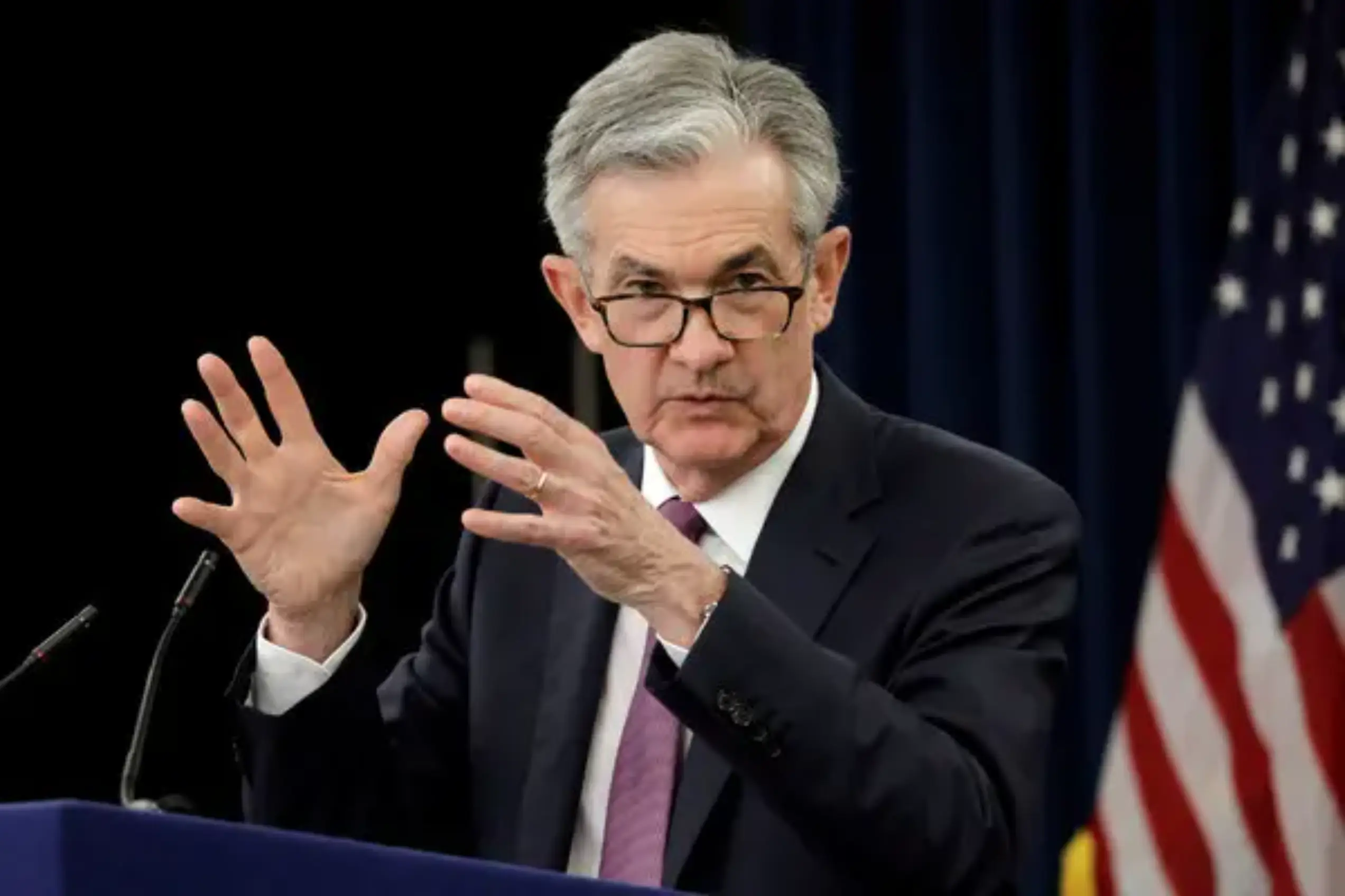
Powell’s job today is to sound consistent with the data and avoid sounding boxed in. Expect him to hit three points.
First, he is likely to say the Fed has made progress on inflation, but not enough progress to declare victory. That is the natural message when January core PCE is still at 3.1% year over year.
Second, he will probably acknowledge that growth and labor data have softened. He cannot ignore 0.7% GDP, weaker retail sales, and a negative February payroll print. The dual mandate is no longer pulling in one direction.
Third, he will probably avoid tying the Committee to any single meeting in June, July, or any other month. When uncertainty rises, Powell usually leans on data dependence rather than calendar guidance.
He says the policy is data-dependent, that the Committee is attentive to both sides of the mandate, and that one month of data does not make a trend. That is especially likely now, with the oil shock still fresh and markets already nervous about what it could do to future inflation prints.
This is an inference based on the January statement language and the current macro backdrop.
This is where the meeting gets messy.
| Projection area | December 2025 median | What investors will watch today |
|---|---|---|
| Real GDP growth, 2026 | 2.3% | Whether growth is revised lower after the weak Q4 GDP revision |
| Unemployment rate, 2026 | 4.4% | Whether the Fed now sees more labor-market slack |
| PCE inflation, 2026 | 2.4% | Whether headline inflation is revised up on energy risk |
| Core PCE inflation, 2026 | 2.5% | Whether underlying inflation is marked higher after January PCE |
| Federal funds rate, 2026 | 3.4% | Whether the median still implies one cut or shifts less dovish |
Additionally, oil and energy prices have surged as the Middle East conflict intensified, prompting markets to push back against rate-cut expectations.
This matters because the Fed can usually look through an energy spike if growth is solid and inflation expectations stay anchored. It is harder to do that when core inflation is still sticky, and growth is already slowing.
January’s decision was not unanimous. Stephen Miran and Christopher Waller dissented in favor of a 25-basis-point cut.
That does not mean today’s vote will split the same way, but it does mean investors should pay closer attention than usual to the vote count and to whether Powell sounds as if he is managing a broader disagreement inside the Committee.
| Fed outcome today | 2-year Treasury | U.S. dollar | Stocks | Why |
|---|---|---|---|---|
| Hawkish hold | Up | Stronger | Lower | Dots shift up or Powell leans harder on inflation risk |
| Unchanged base case | Mixed | Mixed | Choppy | Hold with one-cut dots keeps the market guessing |
| Dovish hold | Down | Softer | Higher | Dots keep or add cuts and Powell sounds confident on disinflation |
This is the part many people overcomplicate. The market already expects no move today, so the reaction will come from the gap between current pricing and the Fed’s updated reaction function.
As of meeting day, recent market coverage suggested traders were centered on roughly one cut later in 2026, with expectations pushed toward October or December rather than mid-year.
If Powell sounds more worried about oil and inflation than about weaker jobs, the front end of the curve should sell off first. If he keeps the one-cut story alive and sounds patient rather than alarmed, bonds get relief, and equities can breathe.
This is the cleanest read-through from recent futures pricing and rate-market behavior.
The Fed statement is due at 2:00 p.m. ET, and Powell's press conference starts at 2:30 p.m. ET. This is also a projections meeting, so the dot plot will be released with the statement.
No. The market expects the Fed to keep the target range at 3.50% to 3.75%.
Powell is most likely to stress uncertainty and data dependence. He has reason to sound cautious because inflation remains above target, but he also has weaker jobs and softer growth data to consider before sounding fully hawkish.
In conclusion, today’s Fed meeting is not really about whether the Committee holds rates. That part looks largely settled. The real question is whether Powell and the dot plot still leave room for one cut later this year, or whether the inflation and energy backdrop has narrowed that path further.
Powell does not need to end rate-cut talk, but he does need to explain how the Fed is balancing weaker growth data against still-elevated inflation and a fresh oil shock. That balancing act is harder now than it was a few months ago.
Disclaimer: This material is for general information purposes only and is not intended as (and should not be considered to be) financial, investment or other advice on which reliance should be placed. No opinion given in the material constitutes a recommendation by EBC or the author that any particular investment, security, transaction or investment strategy is suitable for any specific person.