Published on: 2026-04-30
PFOF has become one of the most important market-structure issues behind modern retail trading. It helped turn commission-free trading into the industry standard, but it also shifted investor costs from visible commissions into execution quality, spread economics, and broker-routing incentives.
The issue matters in 2026 because regulators are forcing the market to confront a central question: does a $0 commission still represent a fair deal if the broker is paid by the market maker that receives the order? In the US, payment for order flow remains legal, but execution transparency is tightening.
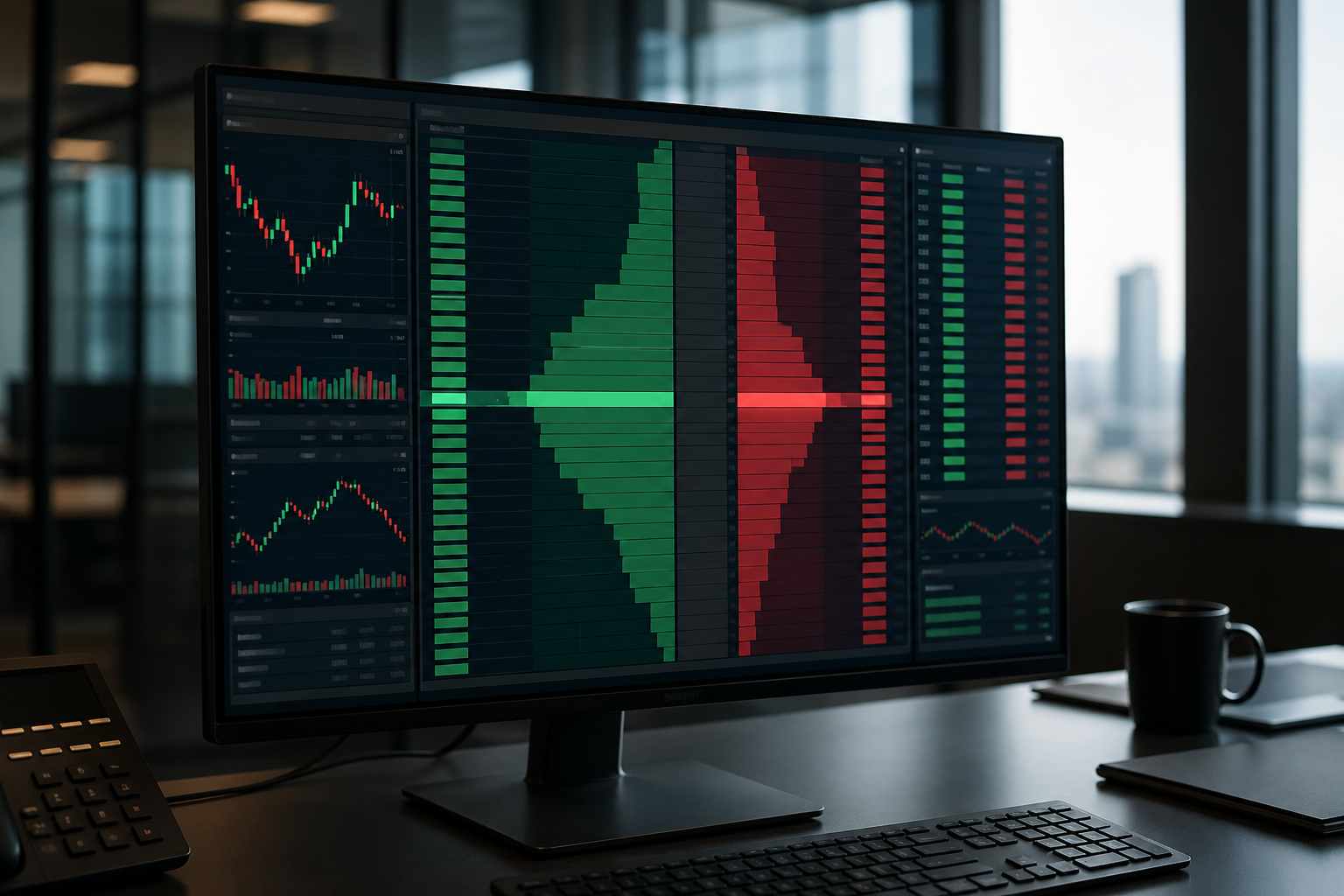
The SEC’s amended Rule 605 framework expands execution-quality disclosure and now carries an August 1, 2026 compliance date for key reporting obligations.
PFOF allows brokers to receive compensation for routing client orders to market makers, supporting the economics of $0 equity and options commissions.
The model lowers explicit trading costs, but may raise implicit costs through weaker execution quality, wider effective spreads, or routing conflicts.
Options trading is especially sensitive because spreads are often wider and order flow tends to carry higher economic value for wholesalers.
US regulators are moving toward stronger disclosure rather than a ban, with expanded execution-quality reporting due in 2026.
The EU has taken a stricter path, with MiFIR Article 39a prohibiting investment firms from receiving payment for routing retail or professional client orders to a particular venue, subject to a transitional exemption ending June 30, 2026.
Payment for order flow is a business arrangement where a broker receives money or another economic benefit for routing customer orders to a third party, usually a market maker. The market maker executes the trade and may earn from the bid-ask spread, inventory management, hedging activity, or internalization.
The key point is simple: the broker can still earn money even when the customer pays no commission. The investor may not see the payment, but the broker’s order-routing decision can still generate revenue.
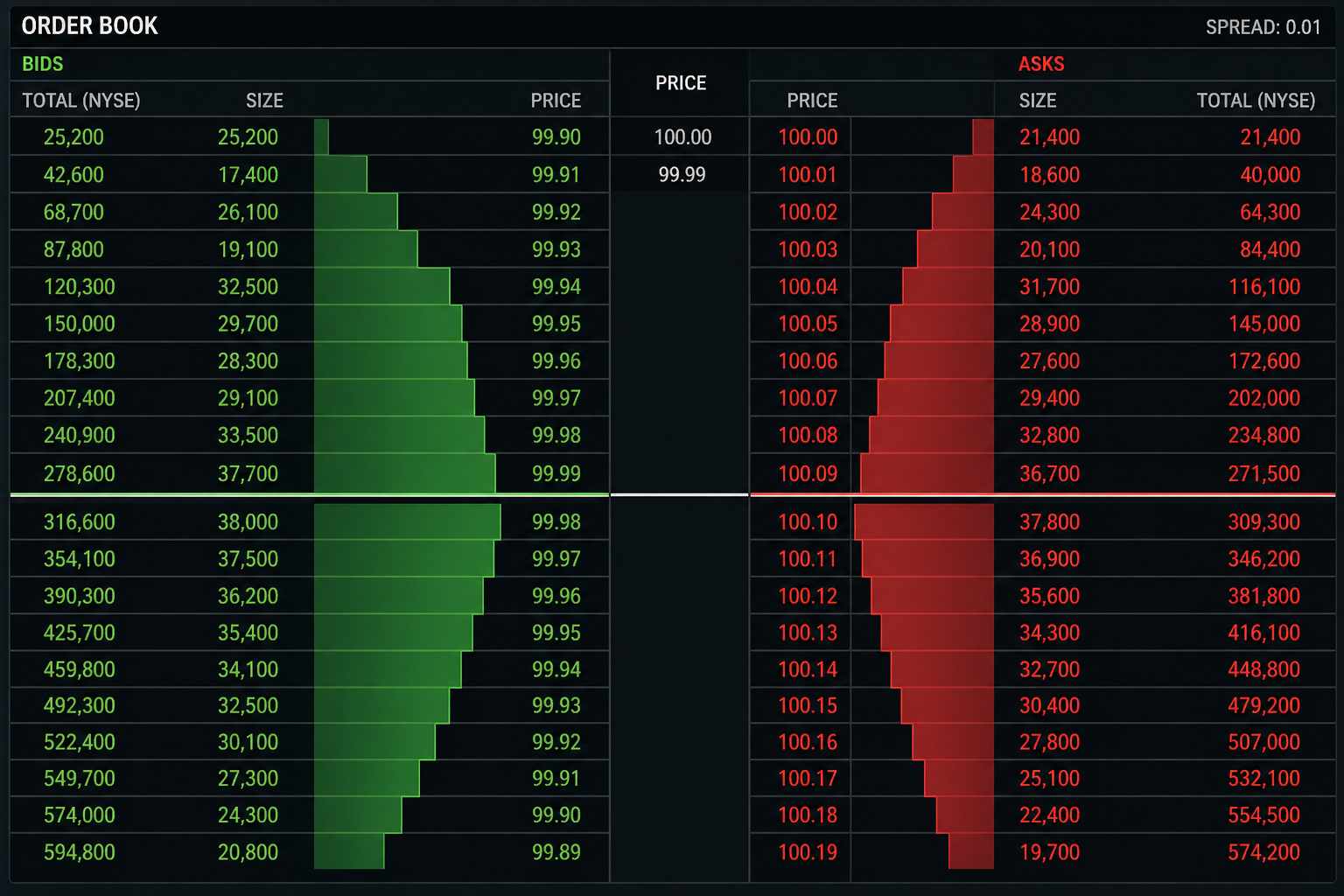
This does not mean the broker buys a stock cheaply and sells it to the customer at a large markup. If an investor wants to buy a stock quoted around $1.50, the broker is not typically buying it from the market maker at $1.00 and selling it for $1.50. That would resemble a markup or dealer spread, not the usual PFOF model for listed stocks.
A more realistic example looks like this. A stock has a best bid of $1.49 and a best offer of $1.50. The investor sends a buy order. The broker routes that order to a market maker, which fills the order at $1.50 or perhaps slightly better, such as $1.499. The market maker may then pay the broker a tiny amount per share for the order flow. The broker earns from the routing arrangement, while the market maker earns from spread economics and execution activity.
A retail trade starts with a basic instruction: buy 10 shares, sell 50 shares, or purchase one options contract. Once the order reaches the broker, the broker’s system decides where to send it.
Under a PFOF model, the order usually follows this path:
The investor places an order through a trading app or brokerage platform.
The broker receives the order and decides which venue should handle it.
The order may be sent to a market maker instead of going directly to a stock exchange.
The market maker fills the trade by buying from or selling to the investor.
The market maker pays the broker a small amount for sending the order its way.
Market makers value retail orders because they are often smaller and less information-sensitive than institutional trades. A hedge fund selling millions of dollars in stock may be acting on research, portfolio risk, or market-moving information. A retail investor buying 15 shares through a mobile app is usually placing a smaller and more predictable order.
The market maker fills the order and pays the broker for receiving that flow. In many cases, the investor may receive a fill at or inside the national best bid or offer. The controversy does not come from every individual trade being poor. It comes from the broker’s incentive structure.
The core controversy is not that brokers earn money. Brokers need revenue to operate platforms, maintain technology, fund customer service, meet regulatory obligations, and process trades. The controversy comes from who pays the broker and what that payment may encourage.
A broker is expected to seek best execution for its clients. Under a PFOF arrangement, the broker may also receive compensation from the market maker that receives the order. That creates a conflict: the broker should route the order to the destination offering the best overall outcome for the client, but it may also prefer venues that pay more for order flow.
The UK’s Financial Conduct Authority has previously described PFOF as incompatible with its rules on conflicts of interest and inducements in relation to retail and professional client business, warning that it can compromise best execution.
The investor’s concern can be framed in one question: did the broker choose the market maker because it offered the best execution, or because it paid the broker well?
PFOF remains central to the economics of active retail brokerage, especially where platforms combine zero commissions with options, margin, cash programs, and subscription services. Robinhood’s latest results show why transaction economics still matter.
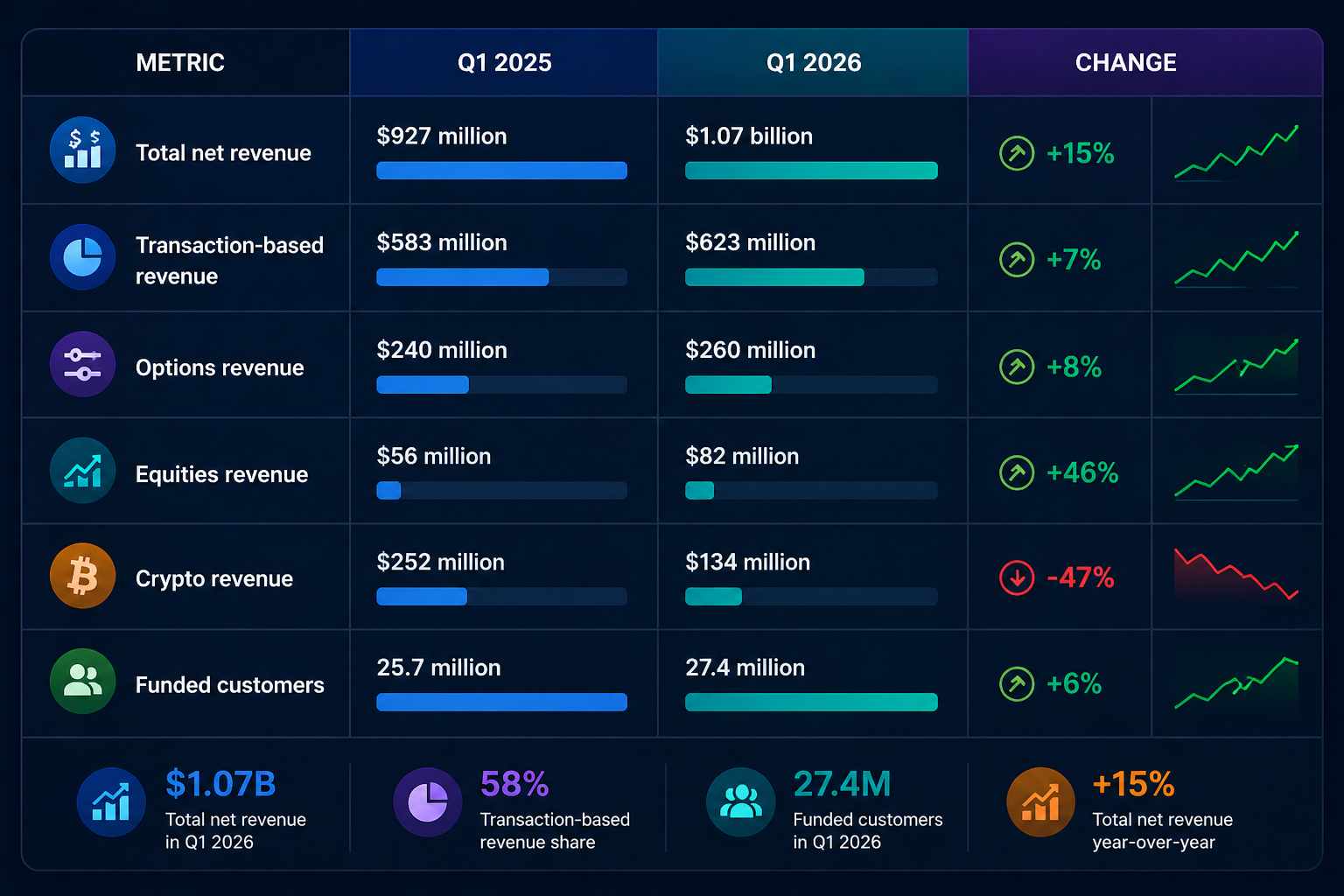
Commission-free platforms do not operate without revenue. They monetize activity through order routing, options trading, margin balances, interest income, subscriptions, securities lending, and ancillary products.
| Metric | Q1 2025 | Q1 2026 | Change |
|---|---|---|---|
| Total net revenue | $927 million | $1.07 billion | +15% |
| Transaction-based revenue | $583 million | $623 million | +7% |
| Options revenue | $240 million | $260 million | +8% |
| Equities revenue | $56 million | $82 million | +46% |
| Crypto revenue | $252 million | $134 million | -47% |
| Funded customers | 25.7 million | 27.4 million | +6% |
PFOF is one part of that ecosystem, but it remains one of the most debated because it connects broker revenue directly to order-routing decisions.
Options are more sensitive than ordinary stock trades because pricing is less transparent for many retail investors. A large, liquid stock may have a one-cent spread. An options contract can have a much wider spread, especially away from the most active expiries and strikes.
A wider spread gives market makers more room to earn. It can also give brokers more incentive to route order flow to firms willing to pay for it. Even when the investor receives price improvement, the quality of that improvement is difficult to judge without comparing alternative venues and execution data.
For beginners, the lesson is practical: PFOF risk tends to rise when the product becomes less liquid, more complex, or more expensive to execute. A market order for a heavily traded stock is not the same as a short-dated options order with a wide spread.
Investors do not need to become market-structure specialists, but they should know how their broker makes money from order routing. The key checks are straightforward:
Order-routing disclosure: Check whether the broker accepts PFOF, which market makers receive customer orders, and how the broker decides where each trade is sent.
Execution quality: Look beyond the $0 commission. Price improvement, effective spread, execution speed, and fill rates give a better view of whether investors are receiving competitive outcomes.
Product type: PFOF risk is not the same across all markets. A liquid stock order may carry less execution risk than a short-dated options trade with a wide bid-ask spread.
Use of limit orders: Limit orders can help investors control the maximum price they pay or the minimum price they accept, especially in less liquid stocks or options.
Broker transparency: A strong broker should explain not only that trading is commission-free, but also how it manages conflicts between routing revenue and best execution.
PFOF is legal in the US, provided brokers meet disclosure and best-execution obligations. The EU has moved toward a ban under MiFIR Article 39a, with a transition period for certain member states ending on June 30, 2026.
No. Some PFOF orders receive price improvement versus the best displayed market. The concern is whether broker-routing incentives consistently produce the best available outcome, especially when another venue may have offered stronger execution quality.
Retail orders are often smaller and less information-sensitive than institutional orders. That makes them attractive to market makers, which can internalize trades, manage inventory, and earn from spread economics while offering fast execution.
Options often have wider spreads, more fragmented liquidity, and more complex pricing. That makes execution quality harder for retail investors to assess and increases the economic value of order flow to wholesalers.
It is free in the narrow sense that no explicit commission is charged. It is not costless. Investors may still bear implicit costs through spreads, execution quality, routing choices, and product structure.
PFOF helped reshape retail investing by making commission-free trading commercially viable. It lowered barriers to entry, intensified broker competition, and made market access cheaper for millions of investors.
Its weakness is the same feature that made it powerful. The investor no longer sees the full cost of trading on the commission line. The cost moves into execution quality, routing incentives, and spread economics.
The debate in 2026 is therefore not whether PFOF is inherently good or bad. It is whether investors can verify that a commission-free trade is still a fairly executed trade. As regulation moves toward either deeper transparency or outright prohibition, the strongest brokers will be those that prove best execution through data, not marketing.