Published on: 2026-03-17
Updated on: 2026-03-17
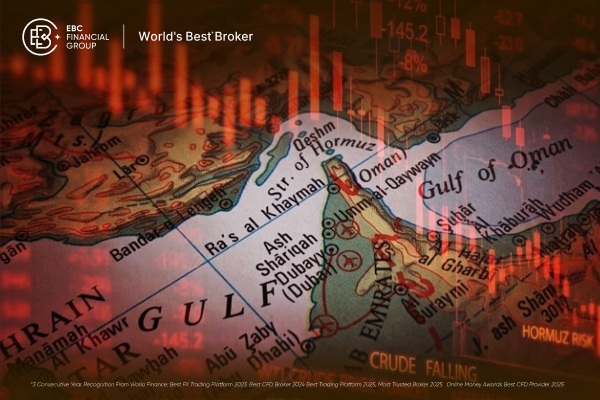
Three vessels off Iran's coast have been struck by projectiles, the UK Maritime Trade Operations said on Wednesday, the latest in a flurry of incidents reported in or near the Strait of Hormuz.
Despite Trump's pledge of US Navy escort for oil tankers, the US faces significant challenges in fully ensuring safe passage through the Strait of Hormuz due to drones, mines and fast-attack boats.
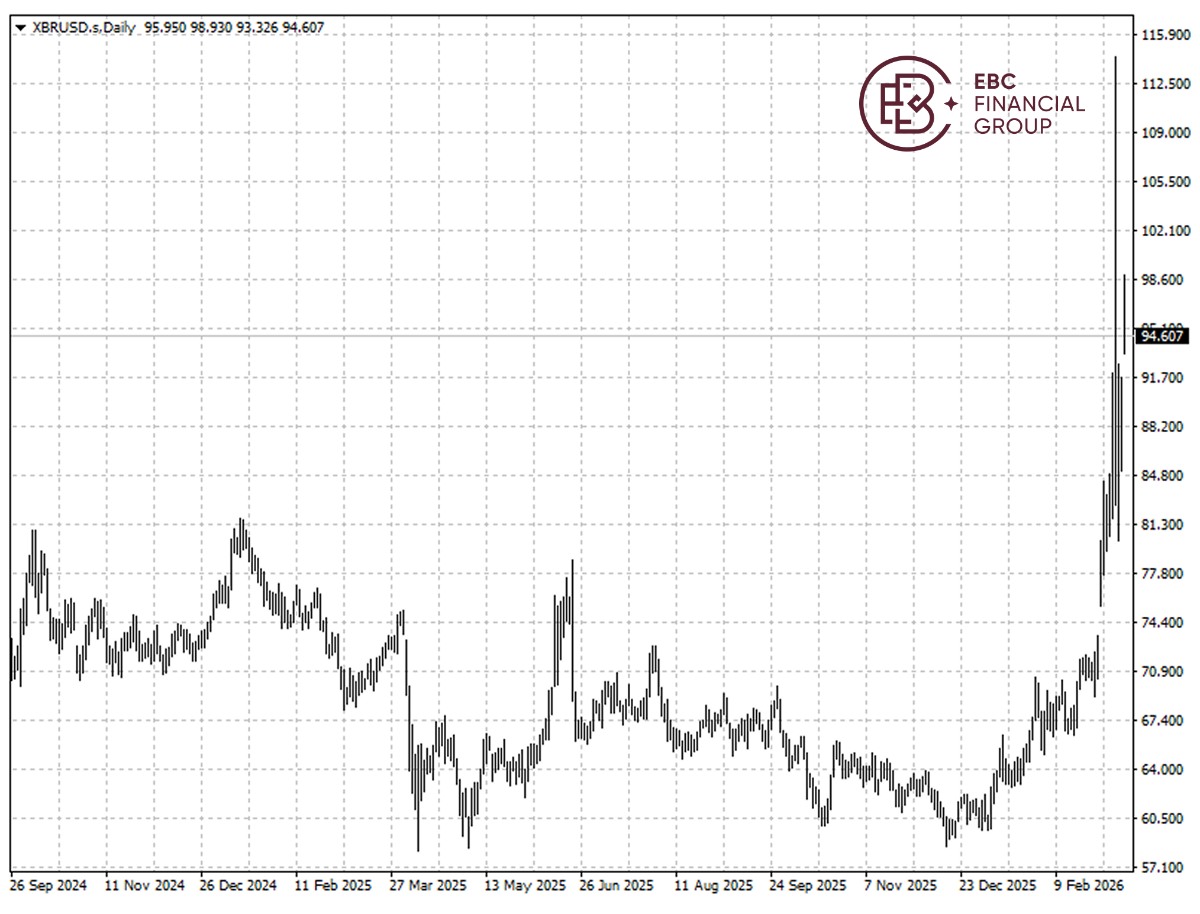
Saudi Arabia's oil shipments via the Red Sea are on course to hit record highs in March although they are still far below the levels needed to compensate for the drop in flows amid war.
The Red Sea route also involves security risks, namely from Yemen's Houthi forces, whose attacks disrupted shipping during the Israel–Gaza conflict. The threats cannot be ruled out in the future.
Iran continued to send large amounts of crude oil via the Strait of Hormuz to China though broader supplies through the critical waterway remained blocked, said Samir Madani, co-founder of TankerTrackers.
Oil shipments through the strait account for only 6.6% of China's overall energy consumption, said Nomura. The country held an estimated 1.2 billion barrels of onshore crude stockpiles as of January – about 3 to 4 months of reserves.
While that does not translate to the immunity to supply disruption, greater economic resilience seems likely than other manufacturing powerhouses in Eurasia.
China's utilities lifted total operation clean power capacity above fossil fuel capacity for the first time in 2025 with solar now the second largest power capacity footprint behind coal.
Looking forward, the world-leading battery production sector looks set to further accelerate clean power momentum by capturing excess energy and releasing it during high demand.
Beijing has just approved a sweeping new environmental law to strengthen ecological and climate protections. That means wider adoption of renewable energy and EVs is needed to ensure high-quality development.
"With road fuel demand already showing signs of peaking and renewable capacity expanding rapidly, China's sensitivity to oil price fluctuations is declining," the OCBC analysts said.
China's AI data centres are projected to devour more than 1,000 terawatt-hours of electricity yearly by 2030, roughly the annual electricity consumption of the whole of Japan today, according to a study.
The iShares Global Clean Energy ETF experienced a strong rebound in 2025 due to falling interest rates and AI boom. The sector is typically capital-intensive, so tight financial conditions made it less appealing than fossil fuels.
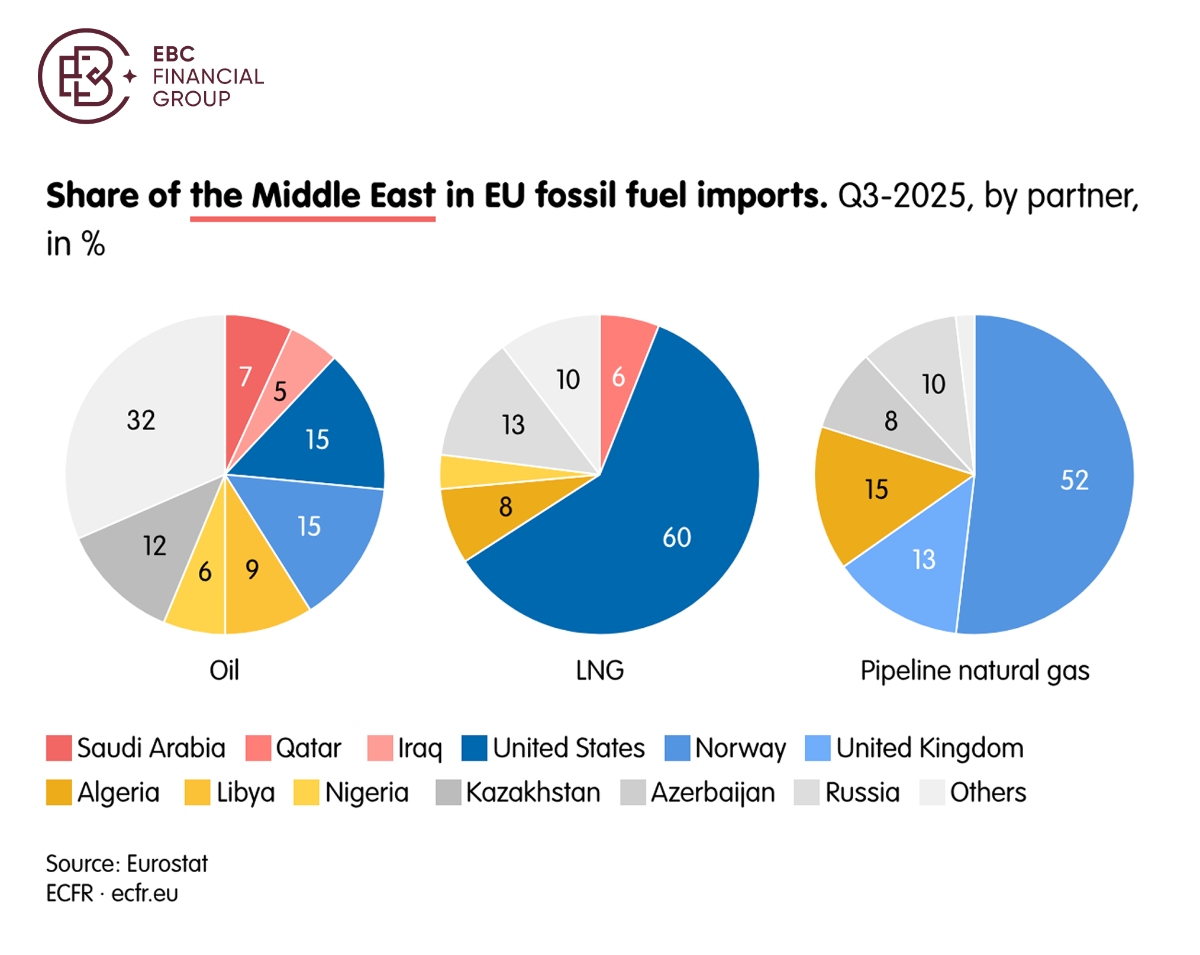
Despite growing expectations for rate hikes, the world may have to accelerate energy transition if the wars in Europe and the Middle east drag on. Both EU and Japan have wakened up to energy independence.
Big tech is searching for sources of electricity that are more reliable than renewable energy. Microsoft, Amazon, Meta and Google have all invested heavily on nuclear projects.
Global X Uranium ETF hit its highest level in more than 10 years. Kazakhstan's state uranium producer is facing ongoing production challenges linked to shortages of sulfuric acid, a critical input for in-situ recovery operations.
The fossil fuel industry and energy analysts have argued for months that the tech sector will ultimately have to embrace natural gas because nuclear plants simply take too long to build.
The US is leading a huge global surge in new gas-fired power generation, with this record boom driven by the expansion of energy-hungry data centres to service AI, according to a new forecast.
The Trump administration has also blocked numerous clean energy projects and has escalated the export of LNG. Domestic gas prices are forecast to move sideways in 2026 and surge again next year.
ExxonMobil and Chevron are making big bets on it. They are building gas-fired power plants for tech firms, developing carbon capture integration, and investing in major Australian LNG projects.
Despite that, United States Natural Gas Fund ETF is on the back foot due to ever-increasing production. Therefore, uranium likely remains a better pick-and-shovel play.
Disclaimer: This material is for general information purposes only and is not intended as (and should not be considered to be) financial, investment or other advice on which reliance should be placed. No opinion given in the material constitutes a recommendation by EBC or the author that any particular investment, security, transaction or investment strategy is suitable for any specific person.