Published on: 2026-03-23
Updated on: 2026-03-23
The global energy market effectively caught fire this Monday. In a move that has sent shockwaves from Wall Street to local gas stations, WTI crude oil price futures finally tore through the $100-per-barrel ceiling. It is a grim milestone that many hoped we wouldn't see again, but the raw reality of geopolitical tension has pushed prices into territory that hasn't been touched in years. As of morning March 23, 2026. West Texas Intermediate is swinging wildly, bouncing between $98.92 and $101.02.
This isn't just a minor market fluke. We are looking at a massive 50% price hike since the start of the year. The culprit? A high-stakes game of chicken. Following months of simmering tension, the U.S. administration issued a blunt 48-hour ultimatum: Tehran must end its blockade of the Strait of Hormuz immediately or face "obliterating" strikes. With that deadline expiring tonight, traders are essentially betting on whether we are hours away from a full-scale regional war.
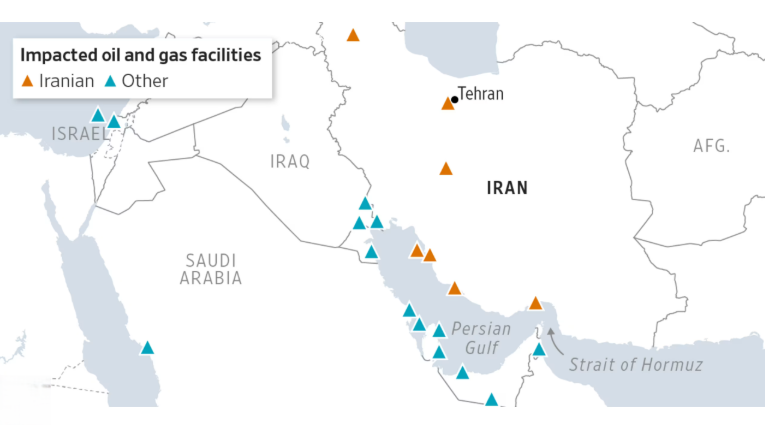
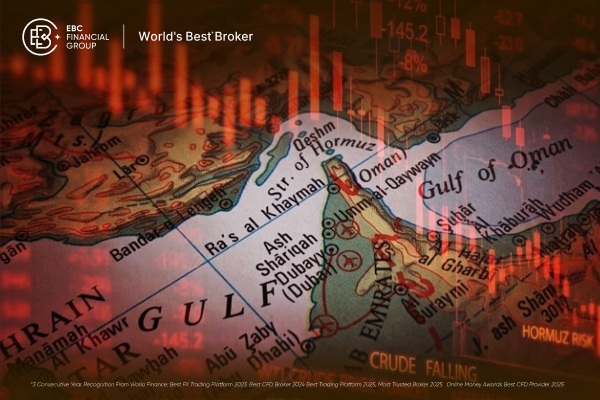
The main engine driving the WTI crude oil price explosion right now is the near-total shutdown of the Strait of Hormuz. It is hard to overstate how much this matters. The International Energy Agency (IEA) is calling this the single largest supply disruption in modern history—easily overshadowing the 1970s oil shocks and even the chaos following the 2022 invasion of Ukraine.
Right now, roughly 20% of the world's petroleum is effectively trapped behind a wall of warships and sea mines. The numbers coming out of the region are staggering:
11 million barrels per day (bpd) are either totally offline or being diverted into long, incredibly expensive shipping routes around the Cape of Good Hope.
Producers like Saudi Arabia and the UAE have had to choke back production by 10 million bpd because their storage tanks are topped off and they have no way to export.
Global supply is set to plummet by 8 million bpd for the month of March alone.
This isn't just a little supply hiccup; it's a total paralysis of the world's energy veins. If those guns in the Strait don't go silent, $100 is going to look like a bargain by next week.
The sheer volatility in the WTI crude oil price has been exhausting to watch. After a weekend where diplomatic talks went nowhere, the market reacted sharply to warnings of potential strikes on energy infrastructure.
Tehran hasn't blinked either. They have countered with threats to hit U.S. and Israeli assets across the region, targeting everything from water desalination plants to regional tech hubs. This "infrastructure-for-infrastructure" threat has added a massive layer of risk that goes way beyond oil, threatening the entire economic stability of the Middle East.
Hard Facts Driving the Surge:
The Fear Tax: Experts estimate that at least $25 to $30 of the current price is a "war premium" based purely on the risk of an outbreak of hostilities.
Emptying Reserves: While the IEA is trying to release 400 million barrels from emergency stocks, the market is skeptical that this can plug a long-term hole.
Production Limits: While the U.S. and Guyana are pumping at record levels, they don't have the "swing capacity" to instantly replace the millions of barrels lost from the Gulf.
The fallout from this WTI crude oil price spike is hitting home fast. In the U.S., the average price for a gallon of gas has already climbed to $3.34, and on the West Coast, drivers are seeing prices scream past $5.00.
However, there is a fundamental economic principle starting to kick in: demand destruction. As prices rise, consumption naturally cools because people simply can't afford it. The IEA has already lowered its 2026 global demand growth forecast by 210.000 bpd, citing a sharp drop in aviation fuel use and a cooling manufacturing sector in oil-importing nations.
Historically, sustained prices above $100 lead to a significant contraction in GDP for major importers in Asia and Europe. If WTI remains at these levels through the second quarter, the risk of a global recession moves from a possibility to a near-certainty.
We are currently at a crossroads that will likely define the rest of 2026. From a technical standpoint, the WTI crude oil price is staring down $105 as the next big resistance level. If that 48-hour deadline passes tonight without a breakthrough, momentum could easily carry prices to $115 by Friday morning.
Conversely, the second a peace deal is announced, expect a massive sell-off. The underlying fundamentals—if you take the war out of the equation—actually suggest there is plenty of oil out there. Without the conflict, prices would likely crash back toward the $70 range almost instantly.
For now, the world is holding its breath. Every cent added to the price of a barrel is another sign of a world leaning toward conflict, and everyone from Wall Street to the local gas station is waiting to see if diplomacy can pull us back from the edge.
Disclaimer: This material is for general information purposes only and is not intended as (and should not be considered to be) financial, investment or other advice on which reliance should be placed. No opinion given in the material constitutes a recommendation by EBC or the author that any particular investment, security, transaction or investment strategy is suitable for any specific person.



World's Best Broker