Published on: 2026-01-14
Updated on: 2026-01-14
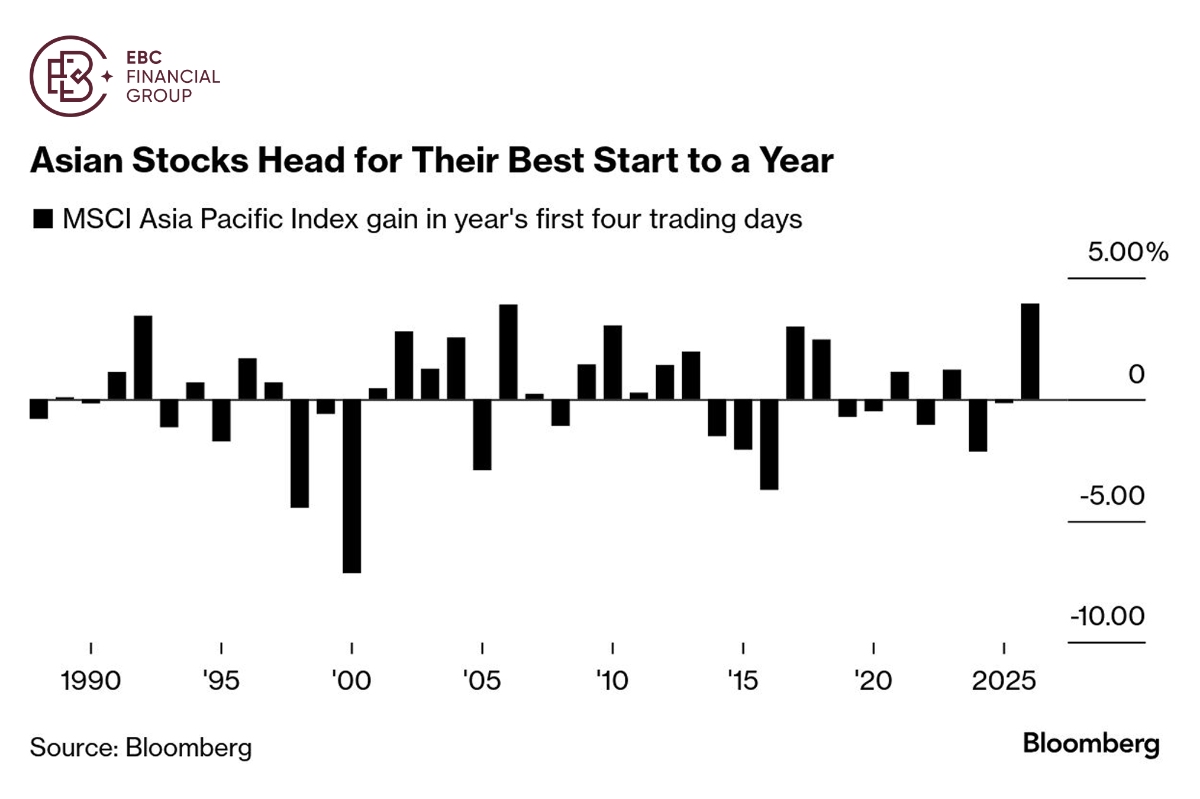
Asian stocks are having their best-ever start to a year, with South Korea and Taiwan leading the gains. After a three consecutive years of rally, the region's equities are still cheaper compared with US peers.
iShares MSCI South Korea ETF jumped 91% in 2025, the largest gain in 16 years. The strong momentum could carry over into the first quarter of this year given prospect of the heavyweights.
At least six brokerages, including Goldman Sachs and Macquarie Group have lifted projections on the TSMC, underscoring continued bullishness on the chipmaking giant after its record surge.
The world's largest manufacturer of advanced AI chips, is expected to post a 27% jump in Q4 net profit. Analysts polled by Bloomberg expect operating margin improving to a three-year high of over 50%.
Its major rival Samsung Electronics expects its profits to triple in Q4, reaching a record high, as memory prices surge amid booming demand tied to AI. That marks a significant improvement from a year earlier.
As memory companies prioritize capacity to meet AI application demand, it has contributed to a shortage across the broader market, affecting chips used in personal computers and mobile devices.
The market watcher estimates memory prices surged 40%-50% in the last quarter, and expects similar gains in Q1. Both Samsung Electronics and SK Hynix traded at a forward PE ratio of less than 10x.
The Nasdaq 100 is trading well above long-term valuation averages, and there are more downside risks to the market on top of that to spur outflows. Trade tension readily rears its ugly head anytime.
Trump said Monday that the US will start charging a 25% tariff on imports from countries that do business with Iran. The order is "effective immediately," he said in a Truth Social post.
It is unclear if he will finally stack the latest tariffs on top of existing rates or announce carve-outs for China. Peter Navarro last August downplayed the idea of hitting China over its buying of Russian oil.
Despite Khamenei's touch stance against talks with Washington, German Chancellor Friedrich Merz on Tuesday said the embattled Iranian regime appears to be finished as mass protests continue across the country.
Even the US respects is deal with China, Beijing would be agitated by a repeat of Maduro's demise. Chinese refiners were expected to replace Venezuelan oil with Iranian crude in the coming months.
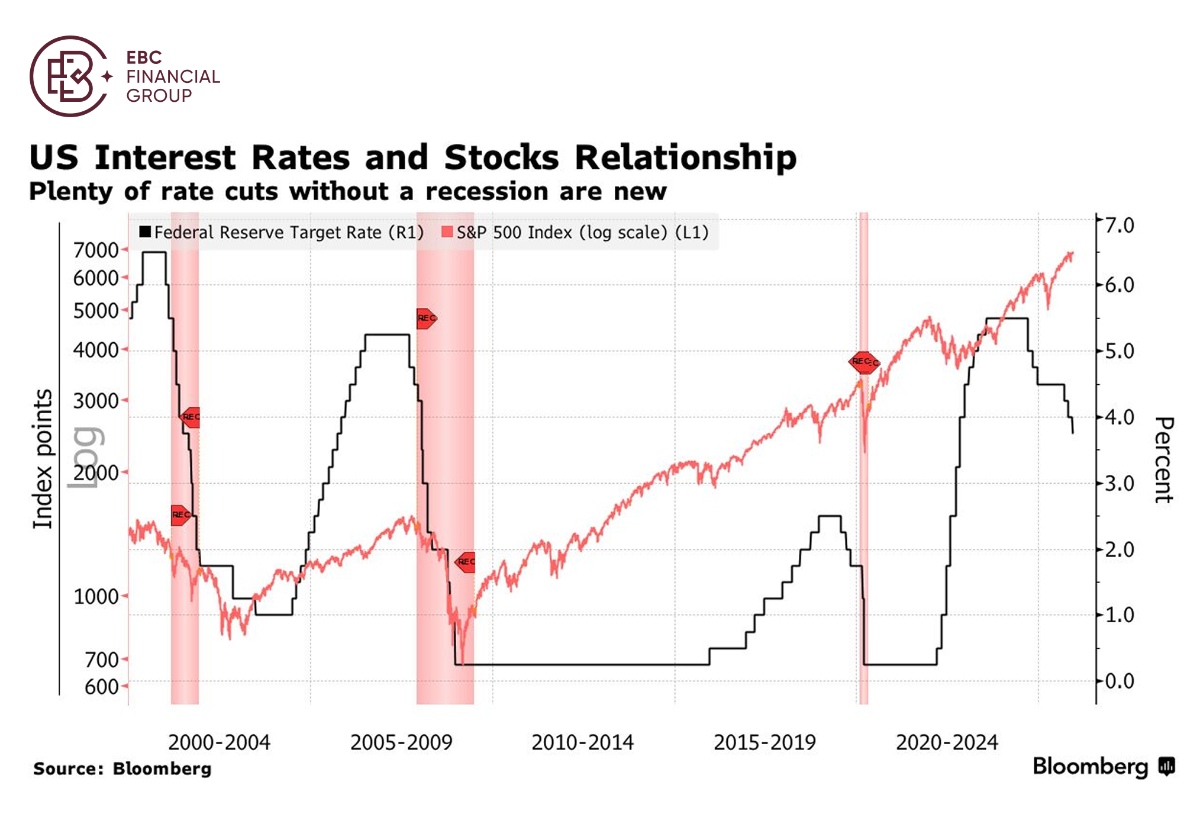
In the second place, markets are still anchored to the assumption that inflation is cooling and policy rates will drift lower. The upshot would be the Fed keeping rates higher for longer, or even tightening financial conditions.
A forced slowdown in fiscal spending or dips in corporate hiring could quickly translate into weaker earnings, particularly outside Big Tech. Any downside revisions are critical when the FOMO rush remains prevalent.
Bernstein, Societe Generale and Goldman Sachs were the latest additions to the growing camp of Chinese equities bulls, with the former upgrading the country's stocks to overweight last week.
Goldman boosted its forecast for Chinese earnings growth, expecting it to accelerate to 14% in 2026 and 2027 from 4% in 2025, citing "artificial intelligence monetization, policy stimulus, and liquidity overshoot."
Market participants are also doubling down on the yuan, with some predicting it to rise to as strong as 6.25 this year. Citigroup, Goldman Sachs and BofA are among those favouring it, adding to appeal of the assets.
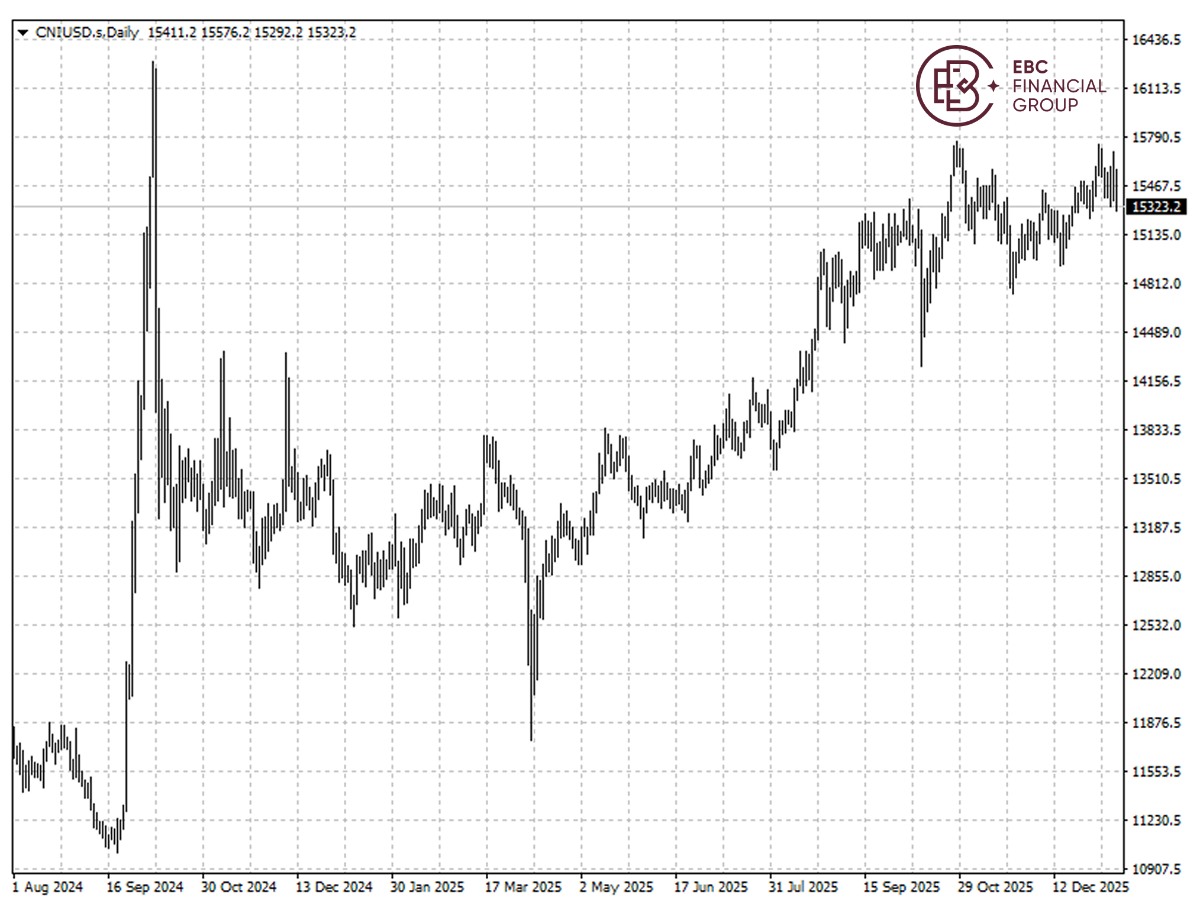
"A firmer yuan can help equities by improving dollar-based returns and risk sentiment," said a strategist at the Franklin Templeton. "At the same time, genuine equity inflows … can support the currency."
China's trade surplus came in at nearly $1.19 trillion for 2025 as producers shifted their focus to emerging markets especially Southeast Asia. The car industry saw overall exports jump 19.4%.
Economists expect the strong momentum to continue this year, helped by Chinese firms setting up overseas production hubs, as well as by strong demand for lower-grade chips and other electronics.
The latest decision to raise margin financing ratio from 80% to 100% could be a game-changer. Money managers may be tempted to park more money into value stocks rather than risk a bigger tech bubble.
Disclaimer: This material is for general information purposes only and is not intended as (and should not be considered to be) financial, investment or other advice on which reliance should be placed. No opinion given in the material constitutes a recommendation by EBC or the author that any particular investment, security, transaction or investment strategy is suitable for any specific person.