Published on: 2026-02-27
A sudden price drop during an uptrend may look like the start of a crash, while a sharp bounce during a downtrend may appear to signal recovery. In reality, many of these movements are simply countertrend moves, which are a natural and recurring part of market behaviour.
Understanding countertrend trading helps traders interpret charts more accurately, manage expectations, and avoid reacting emotionally to normal price corrections.

A countertrend refers to a price movement or trading position that goes against the dominant market trend. It involves attempting to profit from temporary price movements that move in the opposite direction of the main market.
If a market is trending upward overall but experiences a short-term decline, that decline represents a countertrend move. Likewise, a temporary rally inside a broader downtrend is also considered countertrend behaviour.
These movements are typically shorter in duration than the primary trend and often occur as part of normal market cycles rather than signalling a permanent shift.
A countertrend strategy focuses on identifying temporary price reversals within an existing market trend.
Capturing short-term moves within a larger trend: A countertrend strategy aims to profit from smaller price movements within a broader trend rather than predicting a full trend reversal.
Trading against temporary momentum extremes: Traders look for situations where the price has moved too far in one direction and may pause or retrace before the main trend resumes.
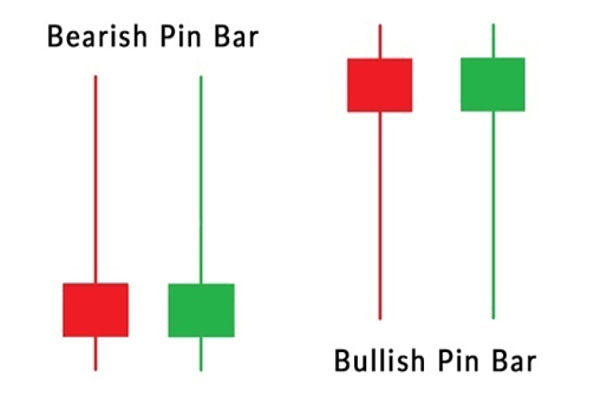
Using technical signals to identify exhaustion: Tools such as the Relative Strength Index (RSI), support and resistance levels, and price action patterns help traders assess whether buying or selling pressure may be weakening temporarily.
Applying tighter risk management and smaller targets: Because the dominant trend still controls overall market direction, countertrend traders typically aim for shorter profit targets while using stricter risk controls to limit potential losses.
Recognising that pullbacks are normal prevents traders from exiting positions prematurely during healthy corrections.
Many trend traders intentionally wait for countertrend pullbacks before entering positions at more favourable prices.
Traders learn to distinguish between temporary weakness and structural trend changes, which is essential for consistent decision-making.
Markets move in waves, and recognising these cycles reduces emotional reactions during volatility.
| Approach | Core Idea |
| Trend Trading | Trading in the direction of the main market trend |
| Countertrend Trading | Trading temporary corrections againast the dominant trend |
Trend traders attempt to ride momentum for longer moves, aligning positions with prevailing market direction. Countertrend traders, on the other hand, focus on shorter-term opportunities created when the price temporarily moves away from equilibrium.
Neither approach is inherently superior. However, countertrend trading typically requires more precise timing because traders are operating against underlying momentum.
Imagine a stock rising steadily from $50 to $80 over several months, clearly establishing an upward trend.
After reaching $80, the price declines to $72 over a few trading sessions. This decline does not necessarily indicate a reversal. Instead, it may reflect profit-taking or temporary market uncertainty.
A countertrend trader might attempt a short-term sell position during this pullback, expecting a limited downward move. Meanwhile, a trend trader may wait for signs that the correction has ended before entering new buy positions aligned with the broader trend.
This example shows how the same market movement can present different opportunities depending on trading style.
Profit-taking is one major factor. Traders who entered earlier positions may close trades after strong price advances, creating temporary pressure in the opposite direction. Institutional portfolio adjustments can also generate short-term price movements unrelated to long-term trends.
Short-term news events frequently trigger temporary reactions as well. Markets may initially overreact before stabilising and returning to the broader trend direction. In addition, momentum naturally slows after extended price moves. Buyers or sellers may temporarily lose strength, allowing price to retrace before new participants enter the market.
Trend: The general direction an asset’s price moves over a period of time, either upward, downward, or sideways.
Momentum: The strength and speed of a price movement, showing how strongly prices are moving in a particular direction.
Reversal: A shift in market direction where an existing uptrend or downtrend changes into the opposite movement.
Pullback: A temporary price movement against the main trend, often seen as a short-term pause or correction before the trend continues.
Relative Strength Index (RSI): Measures the speed and strength of price movements to help identify overbought or oversold market conditions.
Countertrend trading can be more challenging for beginners because it requires a strong understanding of trend structure and timing. Many new traders first learn trend-following strategies before attempting trades against prevailing market momentum to reduce complexity and risk exposure.
No, a countertrend move is typically temporary and occurs within an existing trend, whereas a reversal represents a broader, more sustained change in market direction supported by structural shifts in price behaviour and sentiment.
Traders pursue countertrend opportunities to capture short-term corrections when markets become temporarily overextended. These trades aim to benefit from price rebalancing rather than long-term directional movement aligned with the main trend.
Yes, countertrend trading can be profitable when supported by disciplined risk management and confirmation signals. However, because trades move against momentum, losses may occur quickly if the dominant trend resumes strongly.
Traders typically combine momentum indicators, support and resistance analysis, and price action signals to identify potential exhaustion points where short-term corrections may develop within a broader trend structure.
Countertrend trading highlights an essential truth about financial markets: price movements unfold in waves rather than straight lines. Temporary moves against the dominant trend are not signs of disorder but natural corrections that help sustain longer-term market direction.
Traders can better distinguish between normal pullbacks and genuine reversals by looking for countertrend behaviour. While trading against momentum can present opportunities, it also introduces higher risk, making discipline and risk awareness especially important.
Disclaimer: This article is for educational and informational purposes only and does not constitute investment advice, trading recommendations, or financial guidance. Financial markets involve risk, and past performance or trading strategies do not guarantee future results. Traders should conduct independent research and consider their financial situation and risk tolerance before making trading decisions.