Published on: 2026-04-21
Updated on: 2026-04-21
Apple stock dipped after Tim Cook said he would step down as CEO effective September 1, 2026, but the move looks more like a timing shock than a fundamental repricing. This is a staged internal succession, not a forced reset.
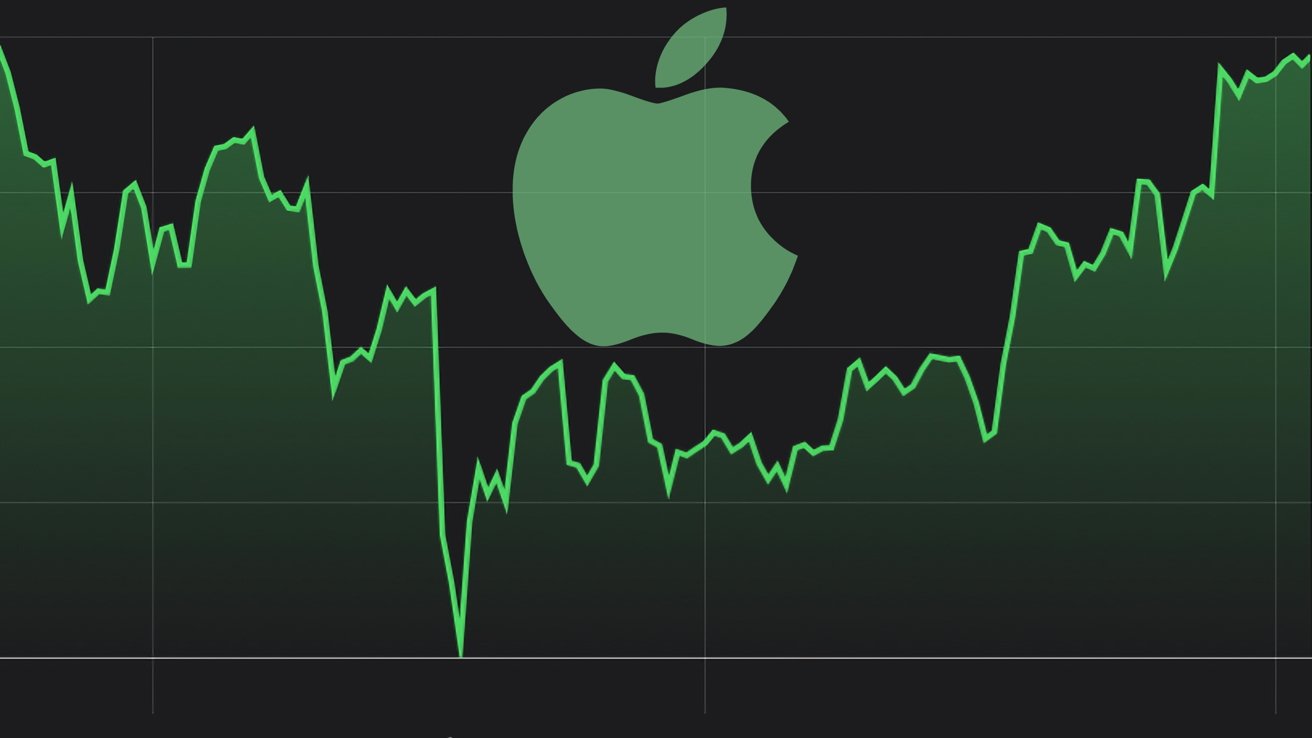
AAPL closed at $273.05 on April 20 after falling as low as $267.95 intraday, while overnight trading later showed $271.46, down 0.58%.
Cook will remain executive chairman, and John Ternus, Apple's hardware chief and a company veteran since 2001, becomes CEO on September 1.
John Ternus is not an outsider hire. He joined Apple in 2001 and has led key hardware programs across Mac, iPad, and AirPods.
Asia's first market read was calm, with the Nikkei, KOSPI, Hang Seng, and TAIEX all firmer following the announcement.
| Metric | Latest reading | Why it matters |
|---|---|---|
| AAPL close | $273.05 | Buyers returned after the initial shock |
| Intraday low | $267.95 | The first stress point was shallow |
| Overnight quote | $271.46, down 0.58% | Losses narrowed rather than accelerated |
| After-hours reaction | About -0.5% | Headline adjustment, not panic selling |
| Market cap | $4.05 trillion | Apple remains a cash-rich megacap franchise |
*The market data above reflects the latest available pricing around April 20-21, 2026.
Apple stock dipped because the timing surprised the market, not because investors suddenly lost faith in Apple's earnings power. A planned handoff can still trigger short-term position changes in a company as widely held as Apple, but the early price action stayed mild and quickly stabilized.
Reuters said Apple stock fell about 0.5% after regular trading hours when the news was announced, following its 1% surge during the day. By the end of the regular session on April 20, AAPL stood at $273.05 after an intraday low of $267.95, and overnight trading later indicated $271.46, down 0.58%.
That distinction matters. Event risk rose for a few hours because any marquee CEO transition forces investors to reprice narrative and leadership style. Business risk barely moved because Apple did not announce a strategy reversal, a balance-sheet shift, or a break in its capital return model.
Asia's first reaction leaned toward continuity. Around the same period, the Nikkei 225 was up 0.60%, the KOSPI was up 1.77%, the Hang Seng was up 0.20%, and Taiwan's weighted index was up 0.42%. That is not definitive proof about Apple, but it does fit the broader market read: this was a succession event, not a regional shock.
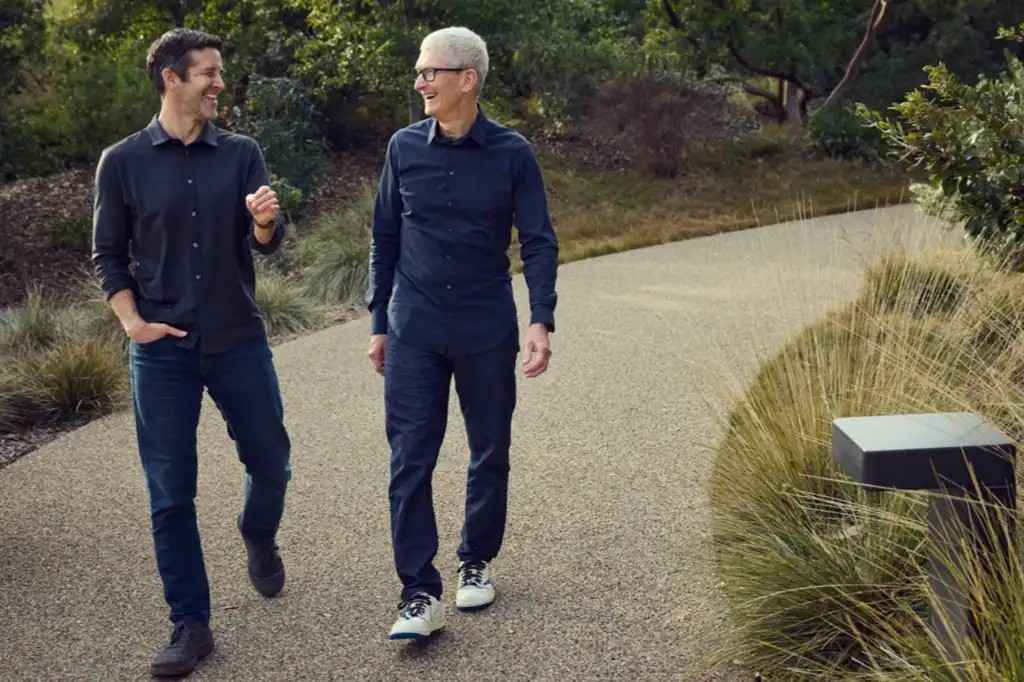
No. The Tim Cook Apple CEO transition does not materially alter Apple's near-term fundamentals because the succession is internal, the handoff runs through September 1, and Cook remains executive chairman. Investors may reprice style expectations, but current earnings power, cash generation, and ecosystem economics remain intact.
Apple enters the transition with strong operating momentum. In fiscal first-quarter 2026, revenue rose 16% year over year to $143.8 billion, diluted EPS increased 19% to $2.84, and Services revenue reached $30.0 billion. The number of active devices surpassed 2.5 billion, operating cash flow reached nearly $54 billion, and Apple returned about $32 billion to its shareholders.
Those numbers matter because they define the starting point for the next CEO. Ternus is not inheriting a turnaround story. He is taking over a franchise that possesses scale, margin stability, and the financial strength to fund buybacks, dividends, and product development simultaneously.
The next checkpoint is close. Apple has scheduled its fiscal 2026 second-quarter results call for Thursday, April 30, 2026. That call now matters less as a succession update and more as a read on AI execution, product cadence, and supply-chain direction.
John Ternus is likely to be read as a continuity-plus appointment for Apple stock. He preserves institutional memory and hardware discipline, yet he may also lift expectations for a more product-led narrative at a moment when investors want clearer progress in AI, devices, and platform innovation.
Ternus has been at Apple since 2001, helped oversee the Mac's revival, and has been deeply involved in products including iPad and AirPods. Reuters has reported that Apple has recently elevated Ternus's prominence, suggesting that succession planning has advanced beyond just theoretical discussions.
For Apple stock, the upside case is simple. A hardware-led CEO can sharpen Apple's product story just as investors are demanding a stronger AI roadmap. If Ternus can pair Apple's ecosystem strengths with a more credible AI layer across Siri, services, and devices, the leadership change could become a medium-term positive.
The risk case is also clear. Apple's hardest challenge is integrating AI into the iPhone and building a stronger in-house offering. If the next few quarters deliver continuity in hardware but limited progress in AI usefulness, the market may view the transition as smooth but strategically incomplete.
Not on the evidence so far. The move was modest, losses narrowed quickly, and the announcement did not point to weaker demand, lower margins, or a change in Apple's capital return framework.
John Ternus is Apple's senior vice president of hardware engineering and has been with the company since 2001. He will become CEO on September 1, 2026, after leading major hardware efforts across Mac, iPad, and AirPods.
Yes. Cook will remain executive chairman after stepping down as CEO, so he is still positioned to shape board-level priorities, governance, and policy engagement during the transition.
The biggest near-term catalyst is Apple's April 30 earnings call and any signal on AI execution, product cadence, China and India manufacturing exposure, and capital allocation.
Apple stock looks more like a temporary timing trade than a fear trade. The succession was planned, the first market reaction was mild, and the company's fundamentals remain strong.
The real debate now is not whether Apple can handle the handoff, but whether Ternus can give the next era a stronger AI and product narrative.