Published on: 2026-06-05
Updated on: 2026-06-05
To many traditional investors around the world, "Korea" still conjures up images of a 1990s manufacturing economy, weighed down by political risk and family-run conglomerates. As recent years reveal, this conception has grown very dated.
🎧 Experience the full podcast here!
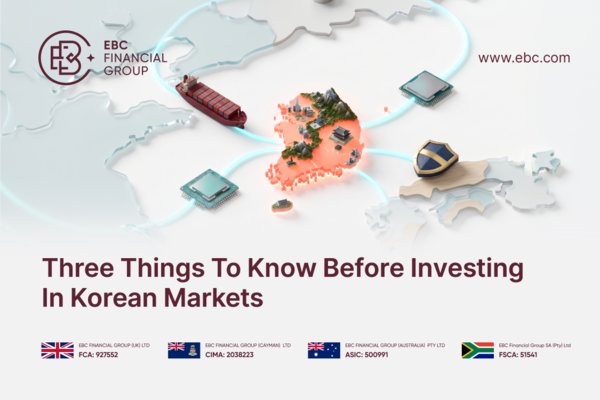
In this episode of EBC Pulse 360, Hanhwa Asset Management’s Senior Portfolio Specialist Yunjin Kim opened up our eyes to the rousing realities and powerful possibilities of the South Korean market: showing us the gap between past narratives and present innovations of the highly industralised nation.
We pulled three need-to-know investor insights from that conversation for you:
“One misconception is that Korea is very risky and discounted due to politics and governance. But these factors don't tell the full story – Korea is also a globally competitive economy with both hard power in manufacturing and technology and soft power in culture and services.”
One of the biggest takeaways about Korea is that it should no longer be perceived as a one-engine economy. Industrial competitiveness, cultural exports, and technological innovation are reinforcing each other in ways that few other markets in the world can match. The cultural layer sits alongside the industrial one and increasingly amplifies it.
💡 Remember: Risks are always present. When the nature of the economy we’re assessing has changed, the analysis should always reflect that. Examine the data, that exists outside of the headlines.
“Reforms that encourage companies to return more capital to shareholders through dividends and buybacks are helping to narrow what we often call the Korea discount. By improving transparency and capital efficiency, these measures created the potential for undervalued companies, especially large conglomerates, to be re-rated.”
For years, broader perception of Korean markets pointed to a structural ‘discount’ versus some of its regional peers. That seems to have been partially driven by governance concerns around the country's chaebol structures — large, family-controlled conglomerates with complex cross-shareholdings. Yunjin pointed out that, through efforts to address these power structures, more power is flowing towards shareholders today.
💡Reform takes time, no matter how large or small. Implementation takes time. Structural issues like cross-shareholdings or lower returns on equity cannot be solved overnight. Investors should always watch closely to assess whether these reforms can translate into long-term sustained growth and not mere policy headlines.
“International diplomacy is no longer just about industrial strategy or economics. For Korea, government foreign policies, managing relationships with the U.S., China, and regional partners, will directly influence supply chain stability, trade flows, and ultimately corporate strategy.”
To an import-reliant, export-led economy like Korea, Yunjin explained that geopolitics has become a primary force that can very quickly reshape which sectors thrive, and which sectors stall. Korean firms are considered to be well-positioned because they are seen as trusted partners amongst both the U.S. and broader Asian ecosystems.
We have already seen Korean battery makers expand aggressively in the U.S., and Korean shipbuilders and defence companies also seem to be picking up new demand as countries seek reliable suppliers.
💡 Keep an eye on tariffs, export controls, and regional alliances. They have potential to cause great impact upon the major Korean sectors such as semiconductors, batteries, defence, and shipbuilding.
Keen to Go Deeper Into the Stories of the Markets?
We’ve got you covered with our in-house podcast. Dive into globally-conscious, market-current insights wherever you are, whenever you want.
Subscribe to EBC Pulse 360 today.