Published on: 2023-12-01
Updated on: 2026-04-29
A breakout can look convincing until volume exposes it as weak. The volume-price relationship helps traders distinguish genuine participation from price moves driven by thin market liquidity, emotion, or algorithmic noise. Price shows where the market is moving, but volume shows whether enough buyers or sellers are supporting that move.
That distinction matters more in fast markets. In 2025, policy shocks, AI-led equity rallies, earnings gaps, and rate repricing led to sharp moves that often reversed as participation faded. A trader who studies only price may see direction. A trader who studies price and volume sees conviction, risk, and market acceptance.

A price increase accompanied by a volume increase usually confirms demand and strengthens the bullish case.
A price decrease and volume increase often signal distribution, panic selling, or stronger bearish pressure.
A volume-down, price-up pattern can signal a weak rally, especially near resistance or after a long advance.
A price decrease and volume decrease suggest that selling pressure is fading, but it does not confirm a bottom by itself.
Volume rate of change helps identify whether participation is accelerating before a breakout or breakdown.
Volume at price highlights where the market has accepted value and where support or resistance may form.
The volume-price relationship compares direction with participation. Price reflects the latest agreed value between buyers and sellers. Volume reflects how much activity occurred at or near that value.
In stocks, volume refers to the number of shares traded during a period. In futures, it reflects contracts traded. In forex and crypto products, volume can vary by venue, so traders often use tick volume or exchange volume as a proxy.
The price-volume relationship is useful because markets need participation to sustain direction. If a stock rises 4% on volume twice its 20-day average, the move has stronger confirmation than the same rise on quiet trading. If price breaks resistance with low volume, the signal is less reliable.
This is the meaning of “volume precedes price.” It does not mean volume predicts every move. It means unusual activity can appear before a clearer trend develops, especially when institutions accumulate, distribute, hedge, or rebalance positions.
Use three questions before trusting a move.
First, is price moving with volume? Rising price with rising volume usually confirms demand. A falling price with rising volume confirms a stronger supply. When price and volume move together, the trend has better support.
Second, is the volume above normal? Compare current activity with the 20-day or 50-day average. A high-volume price increase or decrease is more important than a normal-volume move because more capital is at stake.
Third, is the move near a key level? Volume matters most around support, resistance, earnings gaps, moving averages, trendlines, and consolidation ranges. A breakout above resistance on strong volume says buyers are accepting higher prices. A breakdown below support on heavy volume says sellers have taken control.
Once the basic logic is clear, the next step is to classify what each combination usually means.
A price increase and volume increase pattern is the cleanest bullish signal because buyers are lifting the price with expanding participation. A price decrease volume increase signal is usually bearish because sellers are active and buyers are not absorbing the supply fast enough.
There are exceptions. After a severe decline, a sharp price drop can signal capitulation if the price stabilises quickly. A declining volume, rising price pattern also warrants caution, as the rally may be losing participation, especially near resistance or when RSI shows divergence.
A volume increase price decrease signal differs from volume increase but price not increasing. If the price falls sharply, sellers dominate. If price holds flat despite heavy activity, buyers may be absorbing supply. The next breakout usually reveals whether accumulation or distribution was taking place.
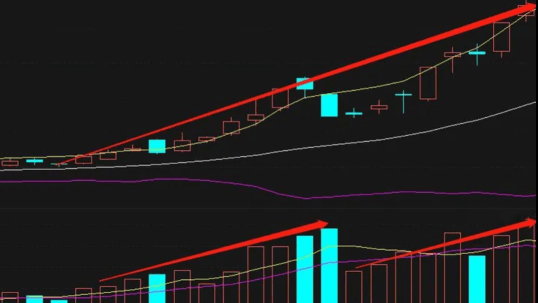
Volume does not directly set the price. Orders do. But volume shows how much participation exists behind the order flow.
When demand outstrips supply, prices rise. When supply overwhelms demand, price falls. Volume reveals the intensity of that imbalance. A small price move on heavy volume can show hidden accumulation or distribution. A large price move on weak volume can reflect a temporary liquidity gap.
This is why the relationship between stock volume and price must be read in context. High volume during a breakout is constructive. High volume during a breakdown is defensive. High volume after a long selloff may signal capitulation. Low volume during a rally may suggest buyers are becoming selective rather than aggressive.
The 2025 tariff shock showed why price and volume cannot be separated from volatility. The S&P 500 dropped 11% between 2 April and 4 April 2025 as investors repriced earnings, trade risk, and liquidity conditions. The trading lesson was direct: when price breaks sharply on expanding activity, the move often reflects broad risk reduction rather than ordinary noise.
The same logic applies to single stocks. AI-linked equities and mega-cap technology names often attract strong trading volume around earnings, guidance, and product announcements. A breakout with rising volume shows stronger institutional participation. A breakout on fading volume may be more vulnerable to reversal because fewer buyers are supporting the move.
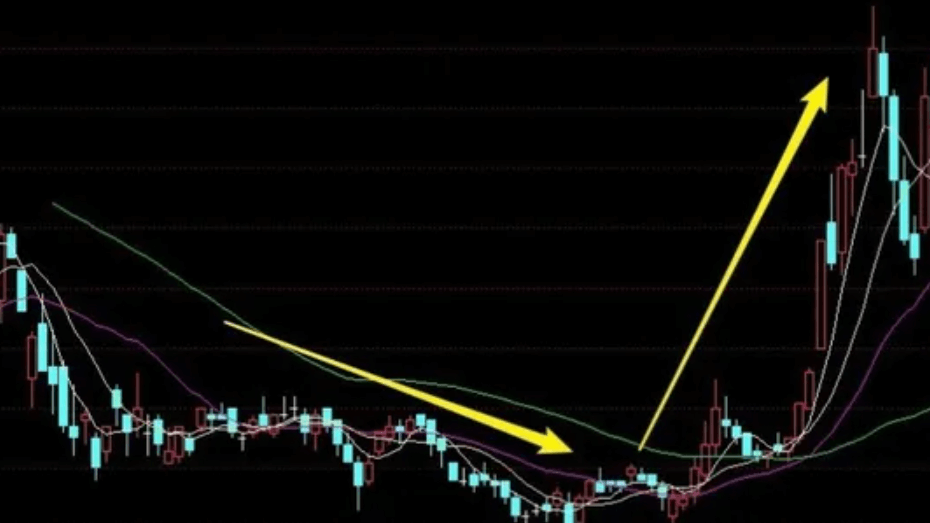
Basic volume analysis works well, but indicators help traders measure participation more objectively.
Volume rate of change measures how quickly trading activity is expanding or shrinking:
Volume ROC = [(Current Volume / Volume n periods ago) - 1] x 100
A positive reading means volume is expanding. A negative reading means volume is contracting. The signal is most useful near breakouts, breakdowns, or failed retests.
On-Balance Volume tracks whether volume is flowing with up days or down days. Price Volume Trend, also called PVT, adjusts volume by the percentage price move, making it useful for spotting momentum divergence. If the price reaches a new high but PVT does not confirm, buying pressure may be weakening.
Volume at price, also called volume by price, shows where trading activity has concentrated. High-volume zones often become support or resistance because many traders hold positions there. If the price moves above a heavy-volume zone, buyers have absorbed the supply. If the price falls below it, that same zone may become resistance.
Volume price refers to the combined reading of trading volume and price movement. It helps traders judge whether a move has strong participation or weak conviction.
Volume affects interpretation more than price itself. Heavy volume shows strong participation in buying or selling. Low volume suggests weaker conviction and may make a move easier to reverse.
Often, but not always. A stock price peak with low volume can show fading demand. A peak with very high volume can also mark exhaustion if late buyers meet heavy supply.
Volume up, price down means sellers are active, and supply outweighs demand. It is usually bearish, unless it appears after a deep decline and forms a capitulation low.
OBV, volume rate of change, Price Volume Trend, and volume by price are useful. OBV tracks cumulative pressure, while volume-by-price helps identify support and resistance zones.
The volume-price relationship is most valuable because it prevents traders from relying solely on price. A breakout without volume, a rally with fading participation, or a selloff with rising activity all reveal something price cannot show by itself.
Volume is not a perfect forecast. It is a confirmation tool, a liquidity signal, and a measure of conviction. Traders who read price and volume together gain a clearer view of trend quality, reversal risk, and market structure.
Disclaimer: This material is for general information purposes only and is not intended as (and should not be considered to be) financial, investment or other advice on which reliance should be placed. No opinion given in the material constitutes a recommendation by EBC or the author that any particular investment, security, transaction or investment strategy is suitable for any specific person.